Vue normale

Il y a de nouveaux articles disponibles, cliquez pour rafraîchir la page.
Aujourd’hui — 19 février 2026Flux principal

The Modular Cat Habitat That Turns Playful Curiosity Into Living Architecture

Par : Tanvi Joshi
18 février 2026 à 22:33

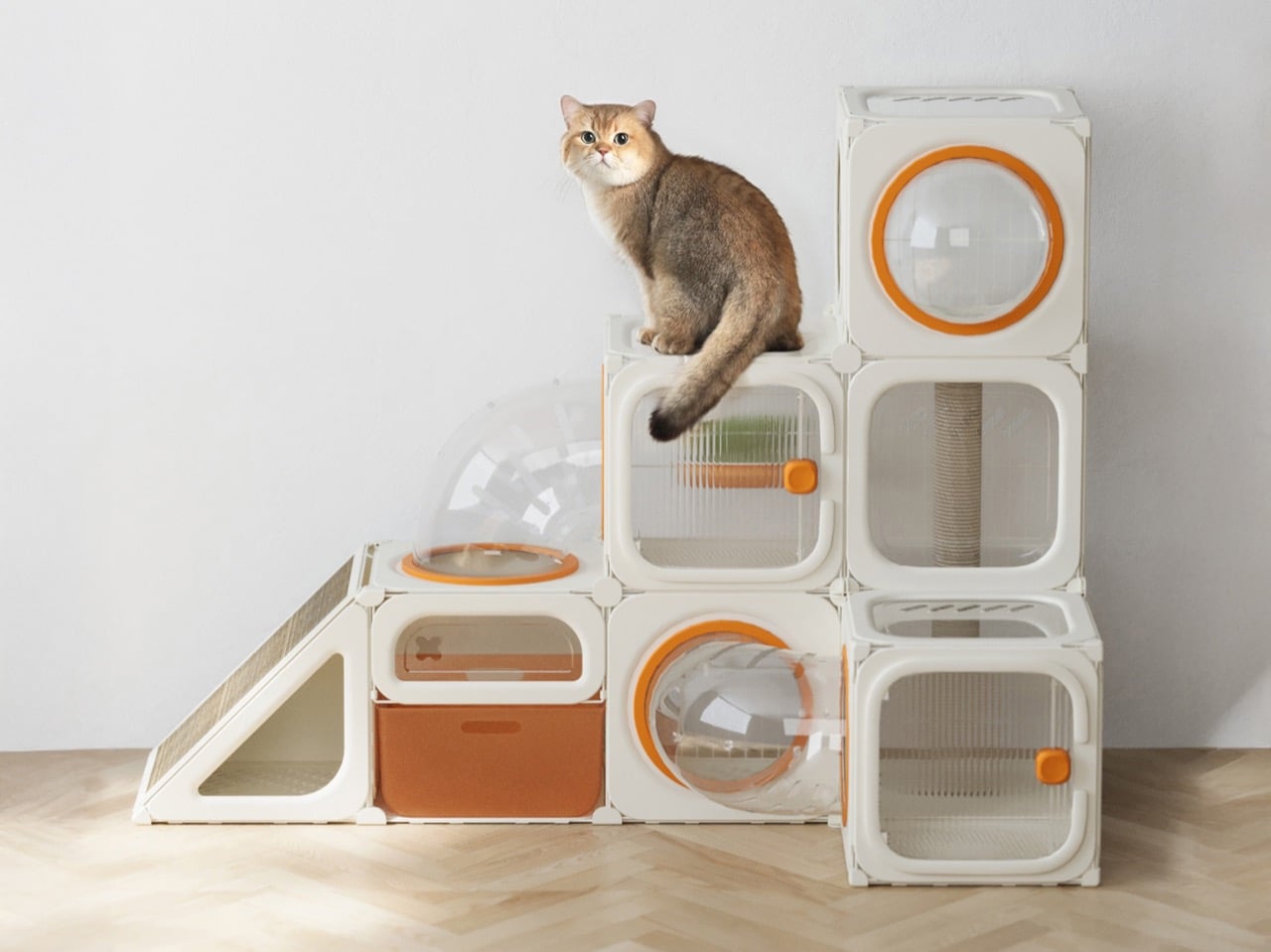
What if we designed homes the way cats would design them? Not human homes with a token scratching post in the corner but true spatial systems built around curiosity, vertical exploration, territorial comfort, and play. The N Plus Magic House begins precisely at that question, reframing pet furniture not as an accessory but as architecture scaled for feline psychology. Instead of treating a cat house as a static object, this project treats it as a living spatial framework, one that evolves alongside its inhabitant.

Today’s pet owners increasingly see their cats as emotional companions rather than animals that merely coexist in domestic space. That shift has quietly created a design problem. Traditional cat houses, even elaborate ones, tend to be fixed structures. They may be visually impressive, but they impose constraints on placement, adaptability, and long-term usability. The N Plus Magic House flips that paradigm by introducing modularity as its core philosophy. Rather than selling a finished form, it offers a system of standardized units that can be assembled, rearranged, expanded, or reduced as needed. The result is less like furniture and more like a customizable habitat kit.

Designer: Taizhou Hake Technology Co., Ltd

The genius of the design lies in its simplicity. Each module functions independently yet connects securely through precision-engineered connectors. Owners assemble structures by inserting panels into slots and stacking them like building blocks. No technical expertise, tools, or installation manuals are required. This intuitive construction method does something subtle but powerful. It turns pet care into participation. Instead of buying a finished object, users become co-designers of their cat’s environment. That interaction strengthens the emotional bond among the owner, the pet, and the space.

Material choices reinforce the system’s practicality. The structure combines impact-resistant PP resin, transparent PET panels for visibility, and carbon steel mesh for structural integrity. These materials balance durability with safety while allowing owners to monitor their pets without disturbing them. The manufacturing processes, such as injection molding and automatic wire welding, ensure consistency, precision, and reliability across units. Every element reflects careful alignment with feline behavior and safety requirements.

Behind the scenes, the development team approached the project with a research-driven mindset. They studied cats’ behavioral patterns, analyzed existing products on the market, and mapped owner expectations. One of the biggest technical challenges was maintaining structural stability while preserving modular flexibility. The solution was a custom connector engineered to withstand pressure and weight while preventing slippage. Its textured surface increases friction, ensuring modules remain firmly locked during use. This small component is arguably the system’s unsung hero. It transforms a playful concept into a reliable architectural structure.

Developed in Taizhou, Zhejiang Province, between July 2023 and November 2024 and later exhibited internationally, the N Plus Magic House represents a broader shift in product design thinking. It signals a move away from static ownership toward adaptive systems, objects that respond to changing needs over time. In a world where personalization defines modern consumer expectations, this approach feels less like a novelty and more like a glimpse into the future of domestic product design.

The post The Modular Cat Habitat That Turns Playful Curiosity Into Living Architecture first appeared on Yanko Design.
Forget Mindfulness Apps, This Desk Top Spins for 2 Minutes Instead

Par : JC Torres
18 février 2026 à 18:20

Screens are on all day, and hands tend to find something to do when focus slips. Pen clicking, phone picking, knuckle cracking, the nervous tics of modern desk work. Most “mindfulness” solutions are still apps, which is a bit ironic when the problem is too much screen time. There’s something to be said for a small mechanical object that gives your brain a reset without asking for any attention in return.

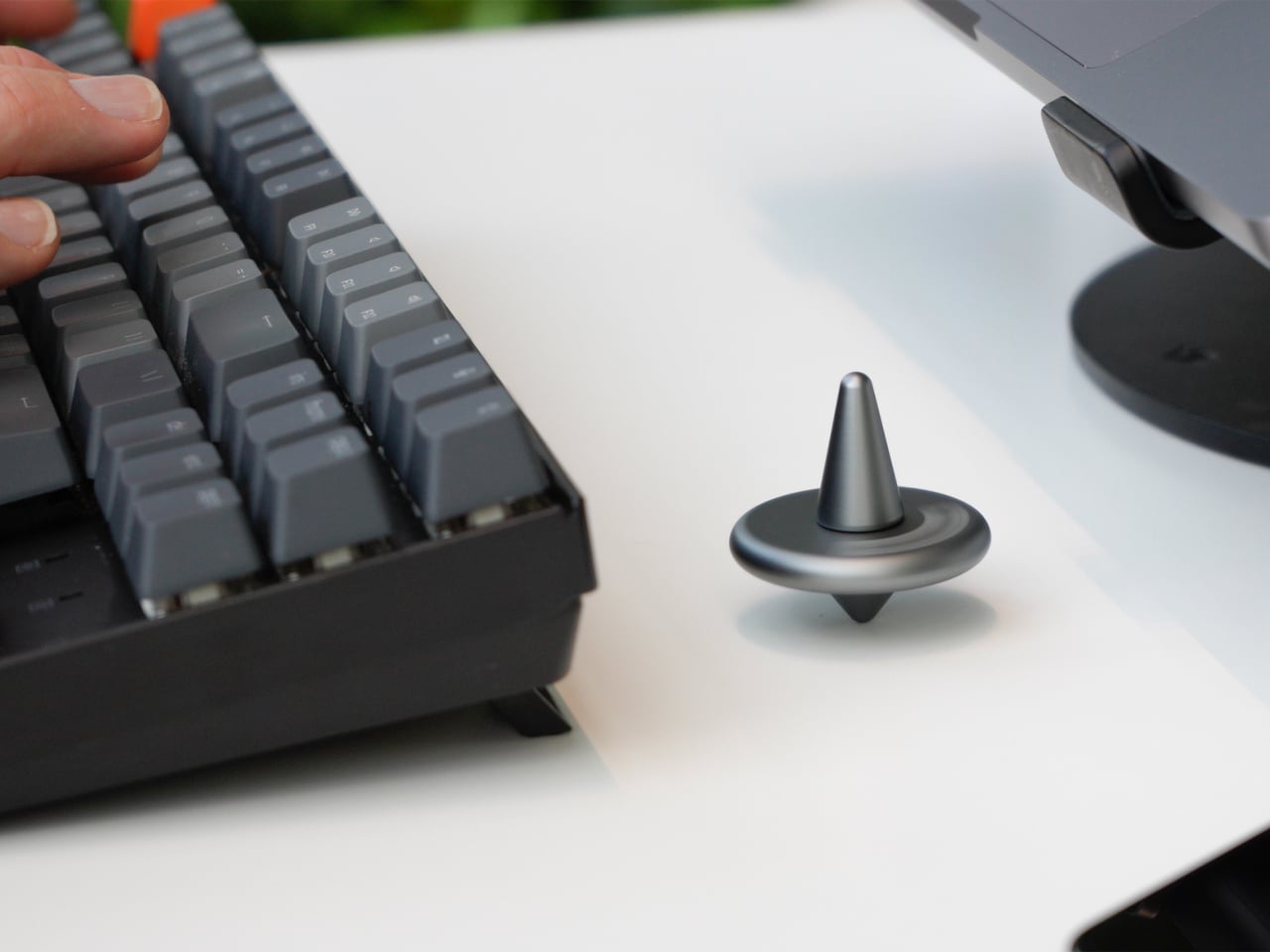
Amsterdam Dynamics’ ST-01 is a modular spinning top and tactile focus object built for desks, hands, and minds that rarely get a break. It’s intentionally simple but not single-purpose, offering multiple mechanical interactions with no correct sequence. You use one when you need it or work through all of them. No app, no setup, no instructions, just the object and whatever your hands feel like doing with it.

Designer: Antonio Lo Presti (Amsterdam Dynamics)

A gentle twist sets ST-01 rotating smoothly, and it’s engineered to keep going for over two minutes. That’s long enough to watch while thinking through a problem, waiting for a file to render, or cooling down after a difficult meeting. It functions as a visual anchor, something calm and physical in a field of notifications and browser tabs that all want something from you.

Pressing the top triggers a satisfying mechanical click with clear tactile feedback, the kind of repeatable, purposeful sensation that replaces the nervous habit of clicking pens or tapping a keyboard. Amsterdam Dynamics calls it “reset focus,” which is accurate if not exactly humble. The middle disc can also be flipped like a coin, adding a small decision-making tool and another texture to the interaction when you need a nudge in either direction.

Of course, there’s a modular construction underneath all of that. ST-01 is built from three parts that can be taken apart and snapped back together, held in alignment by two precisely positioned magnets. That magnetic core keeps the structure stable during spinning while making it easy to disassemble by hand. There’s also a built-in magnet that lets it stick to metal surfaces, which is either a neat trick or a genuinely useful parking spot depending on your desk.

CNC-machined, anodized aerospace-grade aluminum means it’s solid in the hand, balanced, and finished in a way you notice the first time you pick it up. Cheap fidget toys flex, squeak, and wear out quickly. ST-01 is designed to stay on the desk for a long time, with Amsterdam Dynamics framing it as “a beautiful object, made to last a lifetime” and something that can eventually be passed on.

That’s an unusual positioning for what is essentially a desk toy, but it fits the overall idea. ST-01 doesn’t ask for a lifestyle change, a daily streak, or a subscription. It just gives your hands a few repeatable interactions and a place to return when the work gets loud, which turns out to be the kind of quiet, mechanical company a desk actually needs.

The post Forget Mindfulness Apps, This Desk Top Spins for 2 Minutes Instead first appeared on Yanko Design.

À partir d’avant-hierFlux principal

This New Sofa Compresses Like an Accordion (Fits in Your Cart)

Par : Ida Torres
3 février 2026 à 11:07

Remember when buying a sofa meant measuring doorways, hoping it would fit in the elevator, and bribing friends with pizza to help you haul it up three flights of stairs? Designer Yuqi Wang just made all of that obsolete with the Accordion Modular Sofa, and the concept is as brilliant as it sounds.

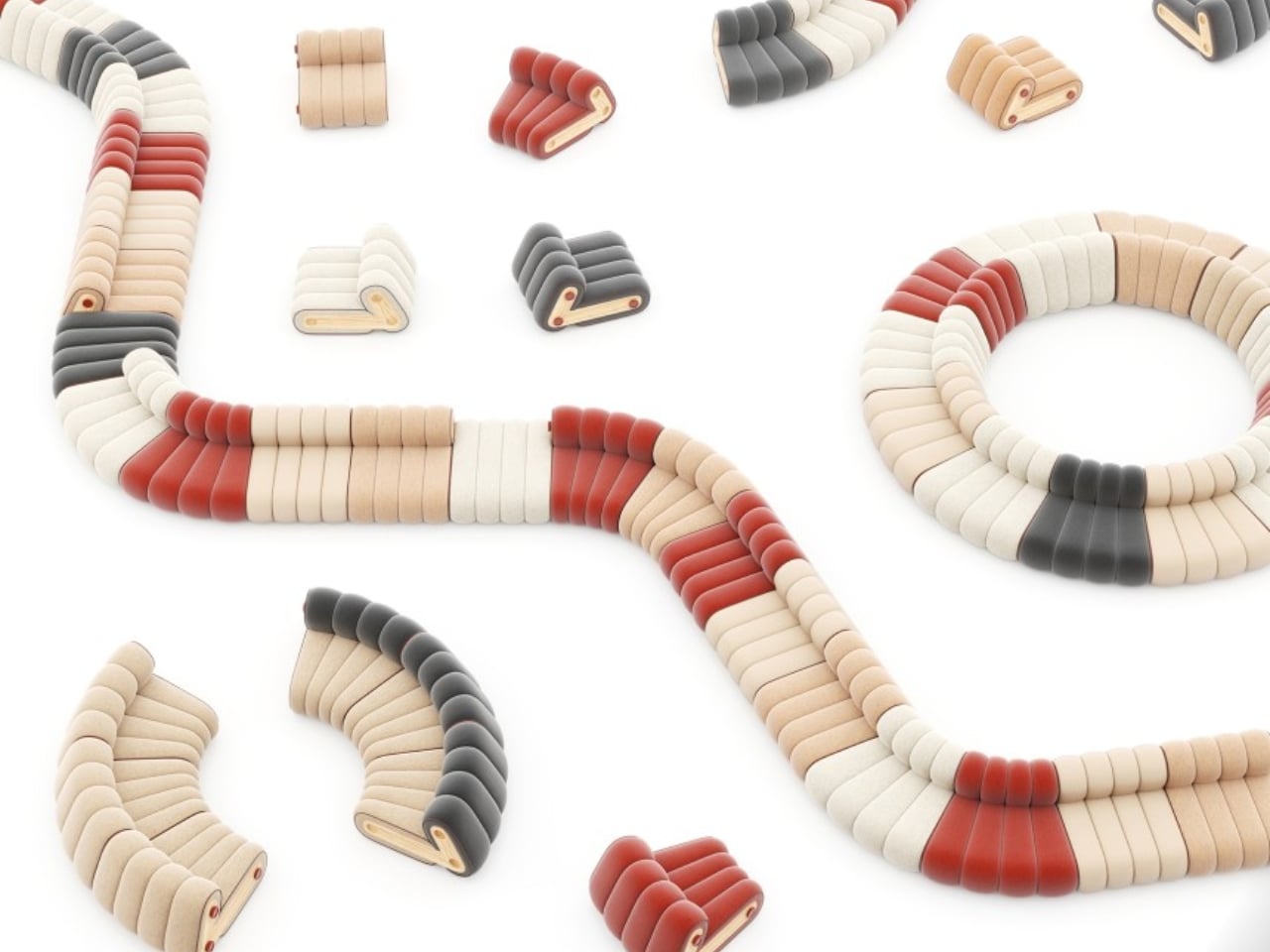
The whole design centers on one genius idea: what if you only needed one type of module to create any sofa configuration you could imagine? The Accordion does exactly that with a single base unit that compresses and expands like its musical namesake. Through an internal structure made from high-resilience foam, wooden side panels, climbing ropes, and adjustable knobs, each module can change its size and curvature to fit whatever space you’re working with.

Designer: Yuqi Wang

What makes this really clever is how it solves multiple problems at once. Traditional modular sofas usually require you to buy different shaped pieces (corner units, armrests, middle sections) and hope you’ve guessed right about what you need. With the Accordion system, you’re working with identical modules that transform as needed. Want a compact loveseat for your apartment? Use two modules. Need a sprawling sectional for your living room? Add more units and configure them however you like. The possibilities aren’t just numerous, they’re practically endless.

But here’s where it gets even better. Because these modules compress, the whole thing ships flat-packed in a way that actually makes sense. We’re talking small enough to literally place in a shopping cart and carry out yourself. No more waiting weeks for delivery windows or paying outrageous shipping fees. The compression feature dramatically cuts down on packaging waste, storage costs, and the carbon footprint of transportation. It’s the kind of sustainable design choice that doesn’t require you to sacrifice anything in return.

The inspiration came from watching an accordion player perform, where Wang noticed how the instrument’s bellows compress and expand with such fluidity. That rhythmic movement translated into furniture creates something that feels almost alive, like the sofa adapts to you rather than the other way around. The technical execution involved studying compression mechanisms from various industrial applications before landing on a prototype that was both simple and effective.

For anyone who’s moved apartments multiple times or likes to rearrange furniture seasonally, this is a game changer. Your sofa can literally grow or shrink with your needs. Hosting a party? Expand it. Need more floor space for a home workout? Compress it down. The adjustable knobs make reconfiguring straightforward enough that you won’t need tools or an engineering degree.

The design world has taken notice. The Accordion Modular Sofa won the Golden A’ Design Award in Furniture Design for 2025, one of the most prestigious recognitions in the field. This isn’t just a participation trophy either. The Golden award represents first-rate, outstanding design that genuinely advances the intersection of art, science, and technology. What’s exciting is that this isn’t some far-off concept. The sofa is scheduled to hit the market in October 2025, which means you could actually have one of these in your home soon. It represents a shift in how we think about furniture ownership, moving away from bulky investments that lock you into one configuration toward adaptable pieces that evolve with your lifestyle.

The Accordion Modular Sofa proves that innovative design doesn’t have to be complicated or precious. Sometimes the best ideas are the ones that make you wonder why nobody thought of them sooner. A sofa that compresses for transport, expands for comfort, and reconfigures endlessly from a single module type? That’s the kind of practical magic that makes design truly great.

The post This New Sofa Compresses Like an Accordion (Fits in Your Cart) first appeared on Yanko Design.

Bene Just Built Office Furniture You Can Reconfigure Without Any Tools

Par : JC Torres
1 décembre 2025 à 14:20

Offices keep buying furniture that looks permanent, which works fine until someone needs the room to do something different. A workshop space becomes a presentation area, a meeting room needs to turn into individual work zones, and nobody wants to wait three days for facilities to show up with screwdrivers. The furniture just sits there looking expensive and immovable while everyone works around it instead of with it.

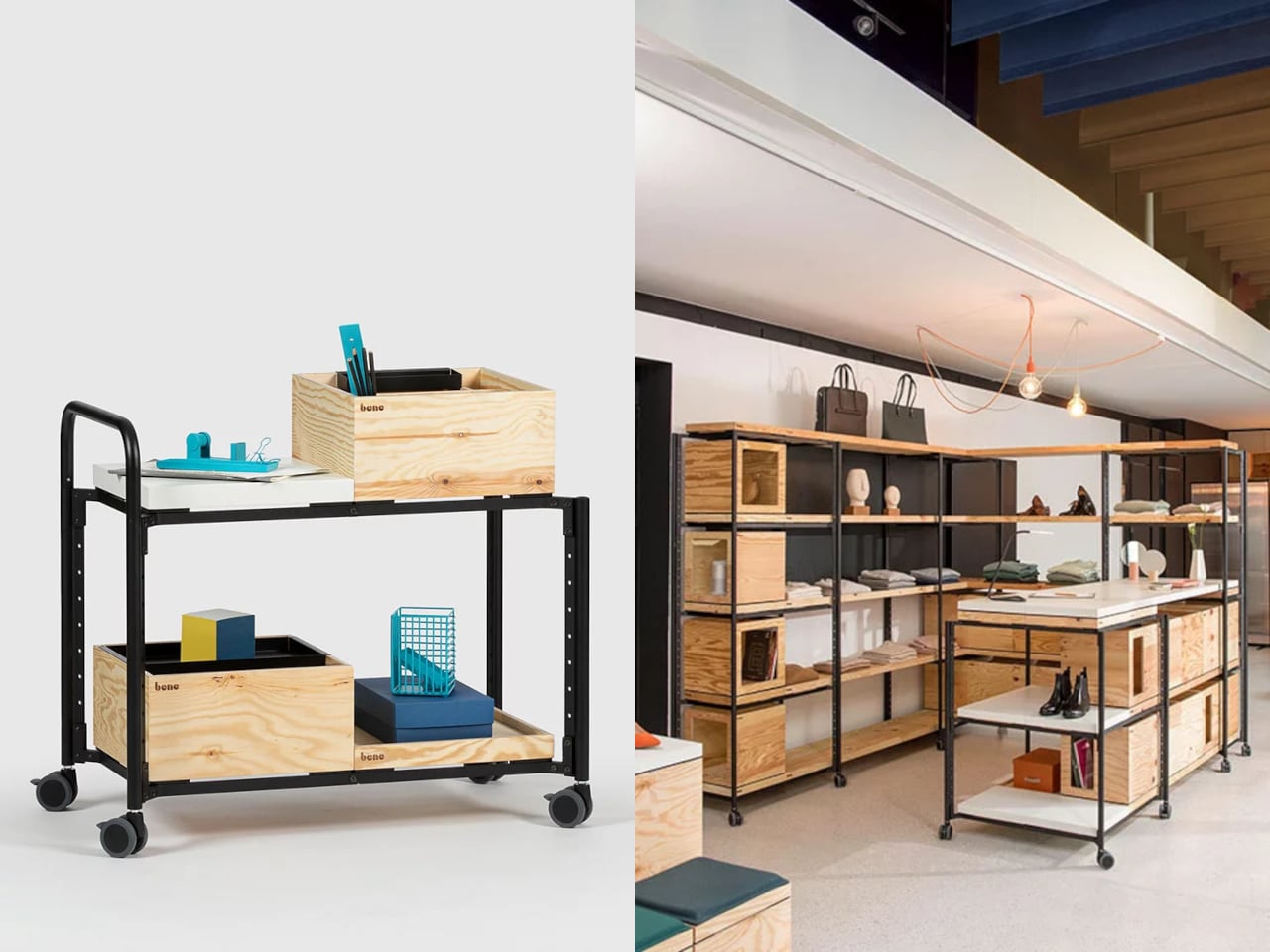
PIXEL by Bene is designer Didi Lenz’s answer, and it looks almost suspiciously simple. Each piece is a 36 x 36 cm cube made from raw pine plywood with visible grain and knots all over the surface. Lenz says it isn’t really furniture, which makes sense when you see people stacking them into benches, flipping them into tables, or just using one as a side storage box with a handle cut into the side.

Designer: Didi Lenze (Bene)

The wood is completely untreated, so every cube looks slightly different depending on which part of the tree it came from. Some have dark knots near the corners, others show lighter grain patterns, and the plywood edges are exposed instead of hidden under veneer. It definitely reads as workshop material rather than corporate office product, which seems to be the whole point. You can see the screws holding the corners together.

The cubes stack easily because they’re all the same size, and the cutout handles on two sides let you carry them around or fold them over to connect boxes side by side. Add a white laminate top and a stack becomes a work table. Add casters to the bottom, and it rolls wherever you need it. PIXEL Rack adds metal frames that turn stacks into proper shelving or room dividers with slots for whiteboards and plants.

Bene shows photos of teams building entire project rooms by hand. Boxes stacked three high become benches for workshops, racks filled with boxes create semi-transparent walls between work zones, and tops laid across stacks turn into standing height tables. The setups look intentionally unfinished, like someone is still building them, which is probably the aesthetic Lenz wanted. Nothing looks bolted down or precious.

The system works because it assumes people will move things around themselves without asking permission. You need more seating for a presentation, so you grab some boxes from the storage wall and stack them into rows. The presentation ends, and those same boxes become side tables or go back to holding supplies. Heck, they can turn into a bar for an event if you add the right tops.

Raw plywood has obvious trade-offs. It’ll get dinged and stained over time, the surface isn’t smooth enough for detailed work, and the workshop look won’t suit every office brand. The fixed 36 cm dimension means everything is the same height whether you’re sitting, standing, or storing things, which can feel awkward. Some people will look at PIXEL and just see fancy storage crates, which isn’t entirely wrong.

But the system makes sense for spaces that need to change shape constantly. Co-working areas, design studios, classrooms, and pop-up shops can rebuild their layout between sessions without calling anyone. The wood looks honest and approachable instead of intimidating, and you don’t need instructions to figure out that boxes stack. PIXEL by Bene basically gives you building blocks that happen to be office furniture, or maybe it’s the other way around.

The post Bene Just Built Office Furniture You Can Reconfigure Without Any Tools first appeared on Yanko Design.

This Card Holder Has Magnetic Pens, a Ruler, and Hidden Compass

Par : JC Torres
23 octobre 2025 à 17:00

Most of us have been caught without a pen when inspiration strikes or a quick note needs jotting down. Carrying a full pencil case feels clunky for everyday life, but going without means missing out on spontaneous sketches, reminders, or ideas that slip away before you get home to your desk.

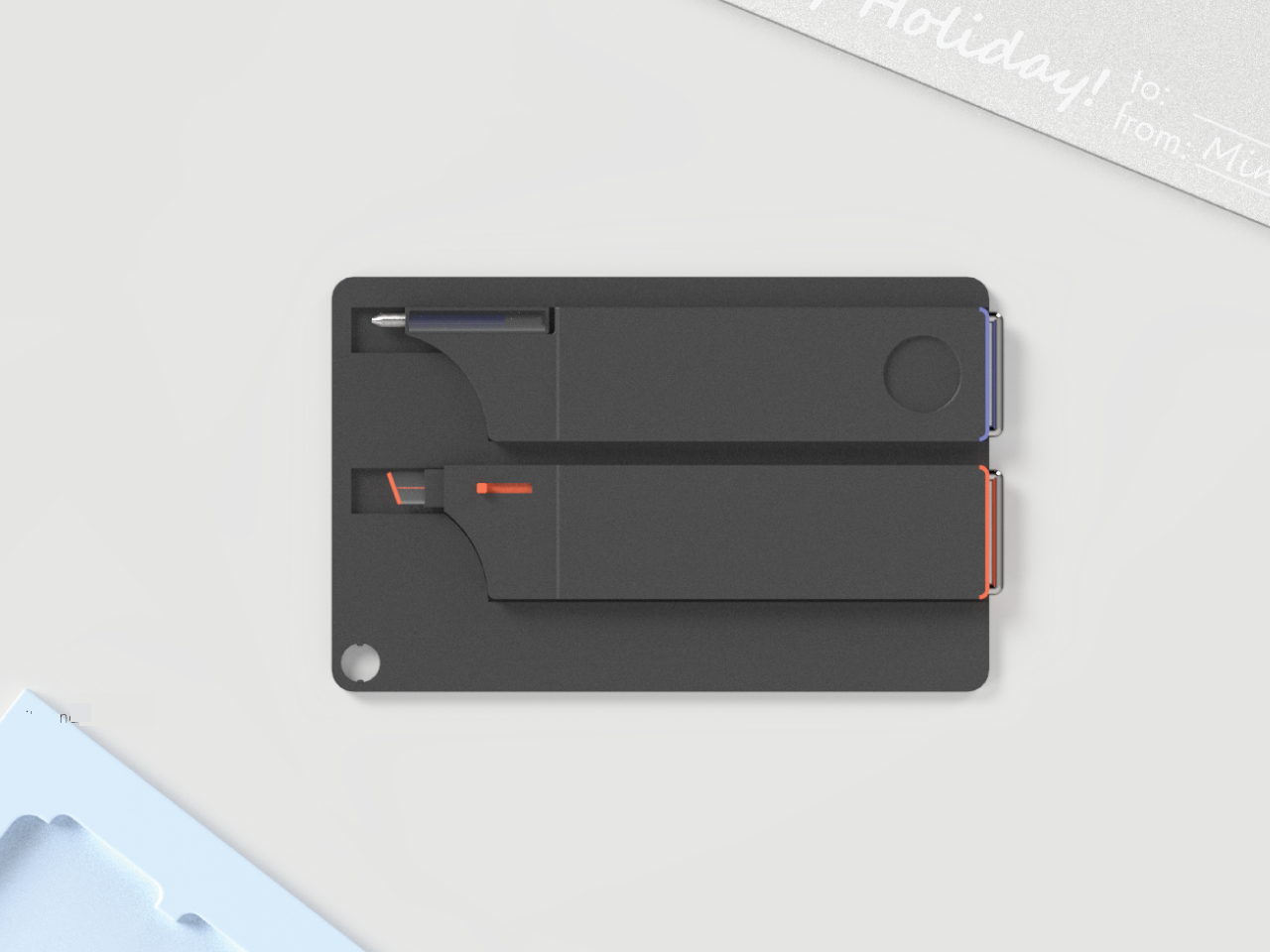
The Gifted concept reimagines everyday writing tools as a slim, modular set that fits in your pocket. Designed by Mingzhou Gu, this card holder blends writing instruments, a ruler, and magnetic modularity into a single, minimalist accessory that’s always ready when creativity calls or practical needs arise.

Designer: Mingzhou Gu

Gifted’s design centers on flexibility and simplicity through thoughtful modularity. The slim card holder features two magnetic slots on the back, each holding a writing tool that slides out easily when needed. You can choose between a pen, pencil, or marker depending on your daily tasks, swapping modules to match your workflow.

Some writing tool modules hide a foldout compass inside their bodies, adding a subtle layer of utility for sketching diagrams, navigating, or just satisfying the inner adventurer. This clever detail speaks to users who appreciate when functional objects contain small surprises that enhance their usefulness without adding bulk or complexity.

The card holder doubles as a straightedge, with ruler markings along one edge for quick measurements or drawing straight lines on the fly. The brown leather or vegan leather pocket holds several cards securely, while a pull-tab makes access effortless even when your hands are full or you’re juggling multiple items.

The compact form slips easily into any pocket, bag, or jacket without creating annoying bulk. A keychain loop allows you to attach Gifted to your backpack, purse, or keys, making it part of your everyday carry without requiring a dedicated storage spot or constantly hunting through bags.

Material choices balance durability with tactile appeal. The case is crafted from lightweight metal or high-quality plastic, with the tactile brown pocket providing visual and physical contrast. The orange accent adds personality without overwhelming the minimalist aesthetic, making the design feel considered and refined.

Available in both black and white finishes, Gifted adapts to different personal styles and environments. The understated design means it blends into professional settings, creative studios, or outdoor adventures without looking out of place. Whether you’re sketching in a notebook, leaving a note, or measuring a quick dimension, everything you need is right there.

The concept targets creatives, professionals, and adventurers who value being prepared without carrying excessive gear. The clean presentation and thoughtful details make it an ideal gift for writers, designers, or anyone who appreciates clever everyday carry solutions that combine multiple functions without feeling overwrought or complicated.

Gifted turns writing essentials into a pocket-sized, modular accessory that encourages spontaneous creativity and organization. For anyone who loves to write, sketch, or stay prepared on the go, this concept offers a clever take on what everyday carry can be when design and functionality receive equal attention.

The post This Card Holder Has Magnetic Pens, a Ruler, and Hidden Compass first appeared on Yanko Design.

Open Printer Gives Makers a Fully Open Flexible Inkjet Platform

Par : JC Torres
2 octobre 2025 à 08:45

Traditional inkjet printers have become increasingly frustrating for anyone who values flexibility, repairability, or creative experimentation. Locked-down firmware prevents modifications, expensive proprietary cartridges drain budgets, and when something breaks, you’re often better off buying a new printer than attempting repairs. This throwaway culture feels particularly wasteful when you consider how much useful technology gets discarded due to artificial limitations.

What makes the Open Printer project particularly compelling is how it reimagines what an inkjet printer can be when freed from corporate constraints. This open-source platform puts control back in users’ hands, offering a fully documented, hackable, and repairable alternative that encourages experimentation rather than discouraging it through proprietary barriers and planned obsolescence.

Designer: Léonard Hartmann, Nicolas Schurando, Laurent Berthuel (Open Tools)

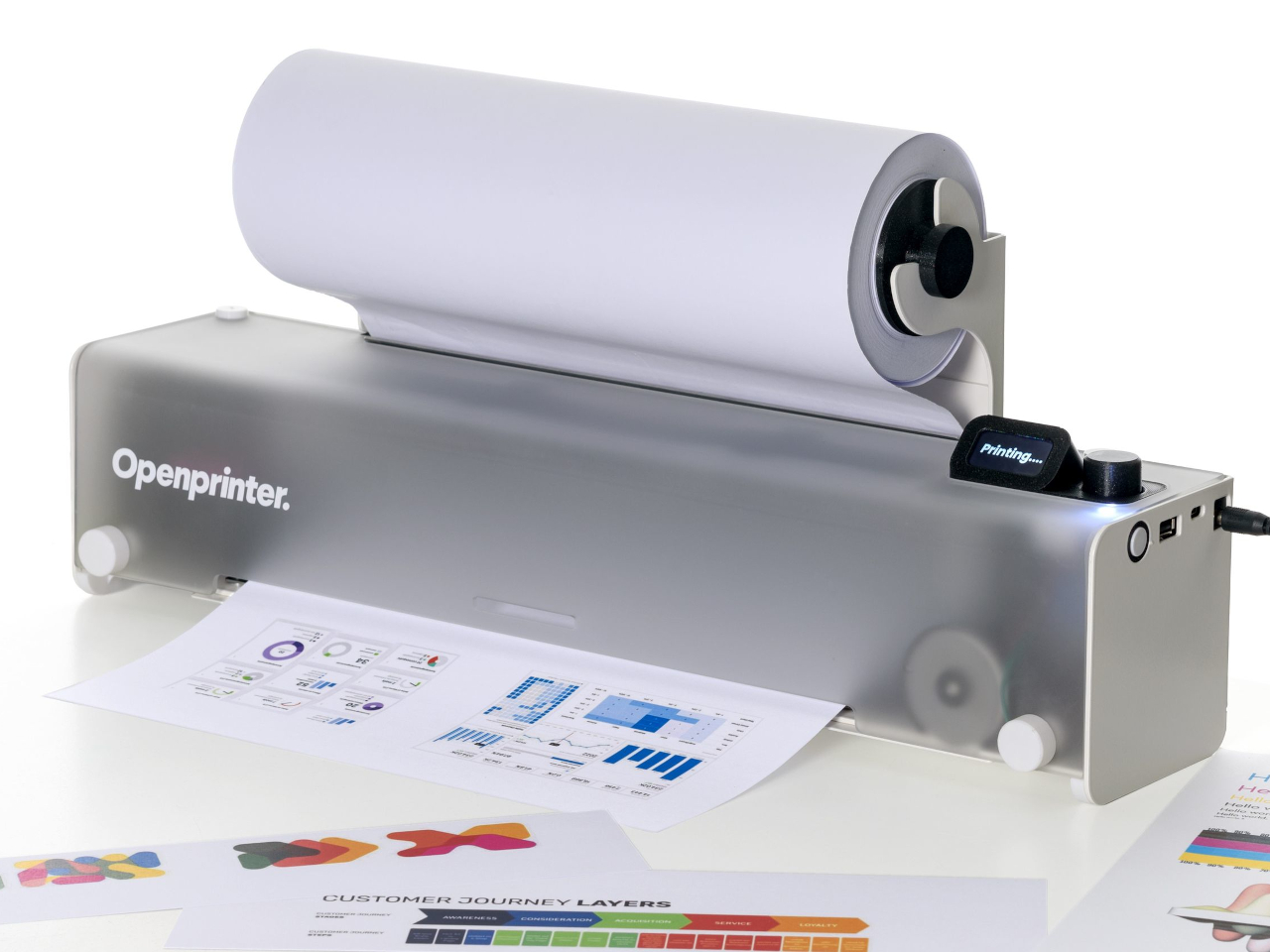
The hardware centers around a Raspberry Pi Zero W that serves as the printer’s brain, enabling wireless connectivity and remote control through a simple web interface. The modular carriage system uses standard HP inkjet cartridges, keeping operating costs reasonable while ensuring replacement parts remain widely available. You get a printer built from 3D-printed components and off-the-shelf parts that anyone can source, assemble, and modify.

The creative potential becomes apparent when you consider the flexible media support. Unlike consumer printers that restrict you to specific paper sizes and types, the Open Printer can handle everything from standard documents to envelopes, cardboard, wood, and even fabric. This opens up possibilities for art projects, prototyping, and experimental applications that would be impossible with conventional printers.

Of course, the open-source nature means the printer can evolve based on community needs and contributions. All hardware designs, schematics, and firmware live on GitHub, encouraging users to share improvements, add features, or adapt the design for specific applications. This collaborative approach ensures the printer becomes more capable over time rather than becoming obsolete.

The wireless operation and web-based interface make the Open Printer surprisingly user-friendly despite its DIY nature. You can upload print jobs from any device on your network, monitor progress remotely, and manage the printer without installing special drivers or software. This simplicity makes it particularly appealing for educational settings where students can learn about printer mechanics without getting bogged down in proprietary complexity.

That said, the project’s broader significance extends beyond just printing. The Open Printer challenges the assumption that complex devices must remain black boxes that users can’t understand, modify, or repair. By providing complete documentation and encouraging experimentation, it demonstrates how open-source hardware can create more sustainable, educational, and empowering relationships between people and technology.

The Open Printer taps into something fundamental about how we relate to our tools and devices. Rather than accepting artificial limitations imposed by manufacturers, this approach invites exploration, learning, and creative problem-solving. You can see how this kind of thinking might influence other hardware categories, creating a future where our devices serve our needs rather than corporate interests.

The post Open Printer Gives Makers a Fully Open Flexible Inkjet Platform first appeared on Yanko Design.

QUB Candlestick Concept Holds Two Candle Types in Minimalist Stone

Par : JC Torres
20 août 2025 à 14:20

Candlelight has this timeless way of making any space feel warmer and more intimate, but finding the perfect candlestick that works for different moods and candle types can be surprisingly tricky. Ross Sorokovyi’s QUB candlestick concept tackles this challenge with refreshingly simple geometry.

The QUB is basically a perfect 60mm stone cube, but here’s where it gets clever. Each cube has two different-sized holes on different faces, so you can hold either a standard taper candle or a tealight depending on which way you orient it. Need dramatic height for dinner? Pop in a taper candle. Want something cozy for reading? Flip it over and drop in a tealight.

Designer: Ross Sorokovyi (Mudu Studio)

What makes this design genuinely smart is how it strips away everything unnecessary while actually adding functionality. Most candlesticks lock you into one candle type forever, but QUB adapts to whatever vibe you’re going for. The cube form feels both ancient and contemporary, like something that could have existed centuries ago but still looks perfectly at home on a modern table.

These are carved from natural stone, and each piece shows off the material’s unique character. The images reveal gorgeous variations in marble and granite, from deep green with dramatic veining to soft gray with subtle patterns. The surface treatment mixes smooth polished areas with ribbed, chiseled sections that add visual texture and give your hands something interesting to feel.

The ribbed quarter-cylinder cut into each cube’s base does double duty, too. It lightens the visual weight so these don’t look like boring blocks, and it creates this modular quality where multiple QUBs can nest together or stack in interesting patterns. You can arrange them in grids, align the ribbed sections for rhythm, or mix different stone colors for contrast.

This modularity turns individual candle holders into something more sculptural and architectural. Instead of just lighting one candle, you’re creating these little landscapes of light and shadow. The weight of the stone keeps everything stable, while the compact size means you can easily rearrange them as your space or mood changes.

The concept celebrates that honest, tactile quality of natural stone where no two pieces look exactly alike. Those natural imperfections and variations become features rather than flaws, giving each QUB its own personality. The substantial weight makes them feel permanent and valuable rather than disposable.

Of course, this remains a concept design, so questions about heat resistance, cleaning, and real-world durability haven’t been tested yet. The sharp edges might also be less forgiving than traditional, rounded candlesticks if you accidentally bump into them in dim light.

But as a design statement, QUB succeeds brilliantly at reimagining something as basic as a candle holder. It proves that even the simplest objects can benefit from thoughtful reconsideration. For anyone who appreciates when form and function work together seamlessly, QUB offers a compelling vision of what everyday objects could become with just a little more creative thinking.

The post QUB Candlestick Concept Holds Two Candle Types in Minimalist Stone first appeared on Yanko Design.
Arca Modular Furniture System Adapts Effortlessly to Any Space

Par : JC Torres
20 août 2025 à 10:30

Finding furniture that actually keeps up with your changing life feels impossible these days. You move apartments, your needs shift, or you just want to rearrange things, and suddenly that expensive bookshelf becomes dead weight.

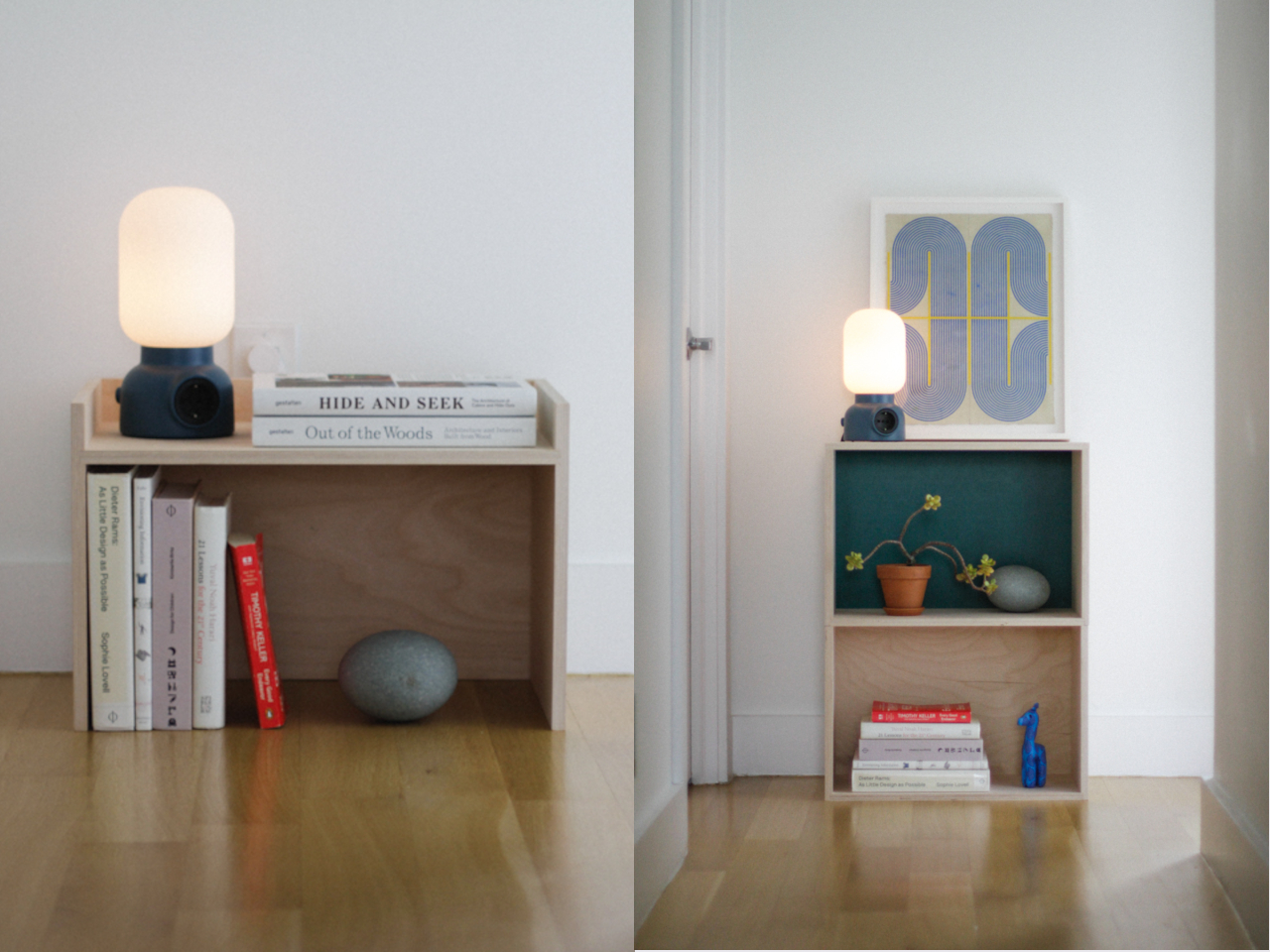
Elements Studio looked at this problem and created something genuinely clever with their Arca modular system. Each piece is made from premium Baltic birch, which brings that beautiful fine grain and rock-solid stability you can actually feel when you touch it.

Designer: Ishac Bertran and Jon Wohl (Elements Studio)

The natural knots and imperfections aren’t hidden away either; they’re celebrated as proof this stuff came from actual trees. Elements Studio crafts these pieces in small batches with regional artisans, which means every unit gets proper attention instead of rolling off some anonymous assembly line.

The real genius lies in how ridiculously versatile each unit becomes. One piece works as a nightstand, bench, bookshelf, or storage depending on what you need that day. Stack them vertically for a tower of shelves or line them up horizontally for a media console.

Those included stacking pins keep everything secure when you build upward, so you’re not worried about your tower toppling over. The whole system ships flat and assembles without any tools, which means no hunting for screwdrivers or deciphering confusing diagrams.

This approach makes so much sense for how people actually live now. Your studio apartment setup becomes completely different when you move into a house. That bench by your entryway transforms into bedroom storage when life changes.

Instead of buying new furniture every time, you just reconfigure what you already own. The flat-pack shipping keeps costs reasonable and reduces environmental impact compared to shipping fully assembled pieces. Assembly takes minutes rather than hours.

What makes Arca genuinely exciting is how it invites you to participate in designing your own space. Most furniture forces you to work around its limitations, but Arca adapts to whatever weird corner or awkward wall you’re dealing with.

Start with one unit and expand as your collection or space grows. The sustainability angle feels authentic rather than forced. By designing pieces that evolve with users instead of becoming obsolete, Elements Studio tackles the throwaway furniture problem from a practical angle.

Local production supports regional economies while reducing shipping emissions, too. Arca represents a smarter approach to furnishing modern homes. Instead of buying static pieces that might work for your current situation, you invest in a system that grows alongside your life.

For anyone tired of furniture that holds them hostage to one configuration, Arca offers genuine freedom to experiment and evolve. It’s modular furniture done right, without the compromises or cheap materials that usually come with the territory.

The post Arca Modular Furniture System Adapts Effortlessly to Any Space first appeared on Yanko Design.

❌
❌