
❌

Vue normale

  • ✇Yanko Design
  • Two Lofts, a Rooftop Terrace, and Room for Five: This 26-Foot Tiny Home Does It All
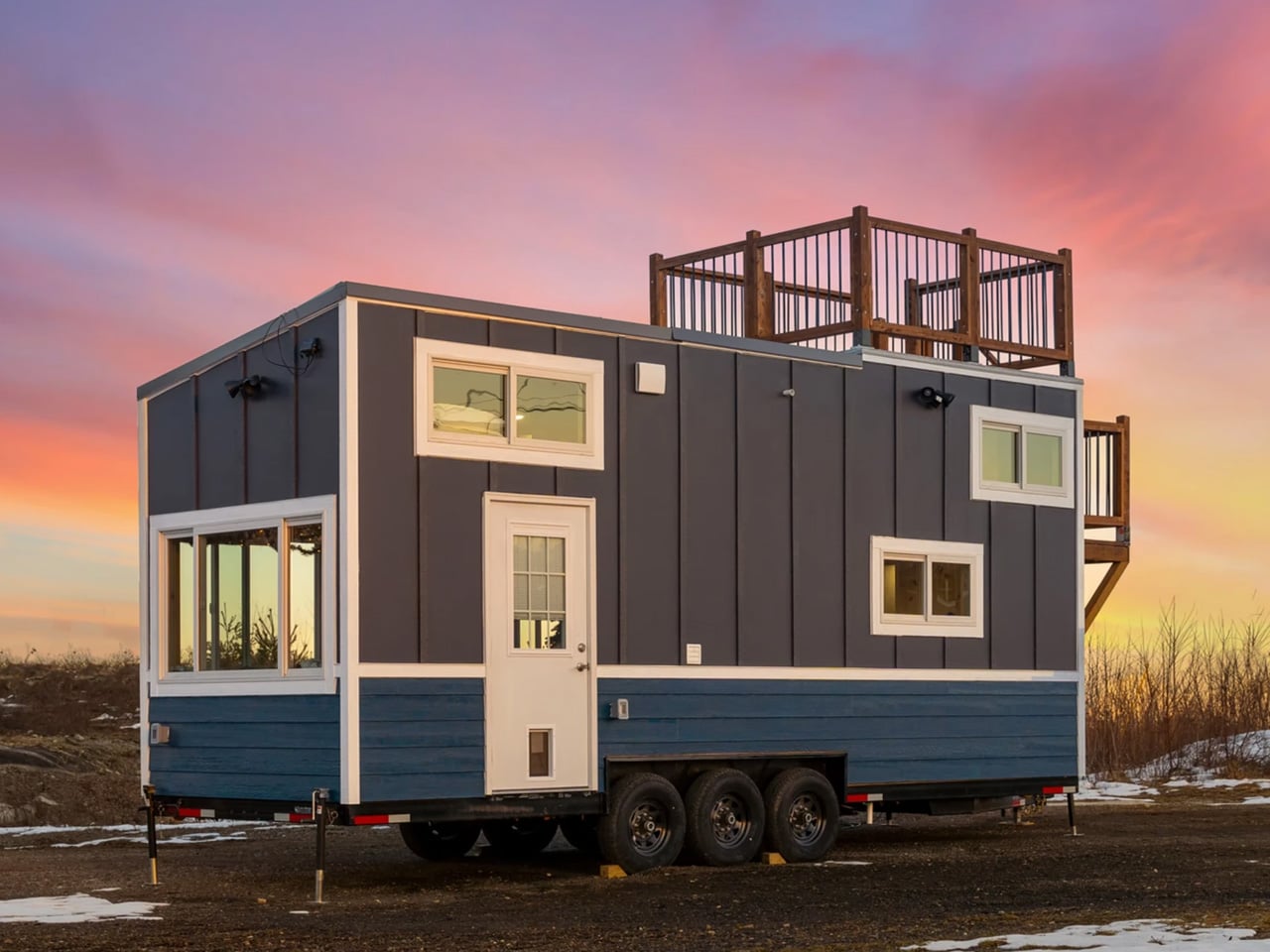
    The name earns its place on a wishlist before you even see the floor plan. Backcountry Tiny Homes’ Winter Wonderland is a 26-foot tiny house on wheels that manages to feel bigger than its footprint has any right to suggest — not through clever visual tricks, but through honest, considered design that treats every square foot as a decision worth making. Mounted on a triple-axle trailer and clad in a mix of board-and-batten and lap siding, the exterior strikes a balance between rugged and refined
     

Two Lofts, a Rooftop Terrace, and Room for Five: This 26-Foot Tiny Home Does It All

18 septembre 2026 à 18:30

The name earns its place on a wishlist before you even see the floor plan. Backcountry Tiny Homes’ Winter Wonderland is a 26-foot tiny house on wheels that manages to feel bigger than its footprint has any right to suggest — not through clever visual tricks, but through honest, considered design that treats every square foot as a decision worth making.

Mounted on a triple-axle trailer and clad in a mix of board-and-batten and lap siding, the exterior strikes a balance between rugged and refined. It reads equally well parked against a tree line or tucked into a snowy clearing. The rooftop terrace is the Winter Wonderland’s most immediately conversation-worthy detail — a genuine outdoor living space elevated above the trailer bed, giving occupants the kind of perch that almost no tiny home at this scale even attempts. It’s not decorative. It’s livable.

Designer: Backcountry Tiny Homes

Inside the 26 x 8.5-foot shell, Backcountry Tiny Homes packs in two sleeping lofts, a sofa bed in the living area, a full kitchen, and a bathroom — with a total sleeping capacity of five. That number is the headline within a headline. One loft carries a king-size bed flanked by built-in cubbies for storage, and a small door at the far end opens directly onto the rooftop deck. It’s a detail that feels less like a practical solution and more like an architectural gesture, the kind of thing that makes you stop scrolling.

The fold-down breakfast bar keeps the kitchen footprint lean without cutting into function, and the interior finish leans toward natural materials — warm, textured surfaces that photograph well and age even better. There’s also a dedicated kennel area for pets, which signals clearly that Backcountry understands the lifestyle its buyers are actually living. Storage is woven throughout the build, which is the real benchmark for whether a tiny home designer truly thought the layout through or just made it look good in renderings.

Pricing starts at $116,455 for the shell, $63,670 unfurnished, and $127,230 for the fully turnkey model. For a build that legitimately sleeps five, includes a rooftop terrace, arrives NOAH certified, and comes move-in ready, the turnkey figure is easier to sit with than it might initially appear. NOAH certification also matters practically for anyone navigating zoning restrictions on their land of choice.

The Winter Wonderland isn’t chasing minimalism as an aesthetic. It’s chasing generosity within a tight frame — more square footage above your head than below your feet, more sleeping spots than you’d expect, and one door that opens onto a deck most full-size homes don’t bother with. That’s the pitch, and it lands.

The post Two Lofts, a Rooftop Terrace, and Room for Five: This 26-Foot Tiny Home Does It All first appeared on Yanko Design.
  • ✇Yanko Design
  • This Lounge Chair Is Built From Cork — and It’s Sturdier Than It Looks
    Cork is everywhere in design, and yet it’s almost always decorative. A tile floor. A pin board. A wine stopper. Copenhagen-based furniture designer Chiara Verde looked at that assumption and quietly dismantled it. Her Strata lounge chair doesn’t use cork as a finish — it uses cork as the architecture. The chair is built around a layered composite system: thin cork sheets alternated with natural fibre textiles, laminated together to form load-bearing shells. The textile reinforcement isn’t there
     

This Lounge Chair Is Built From Cork — and It’s Sturdier Than It Looks

18 septembre 2026 à 17:30

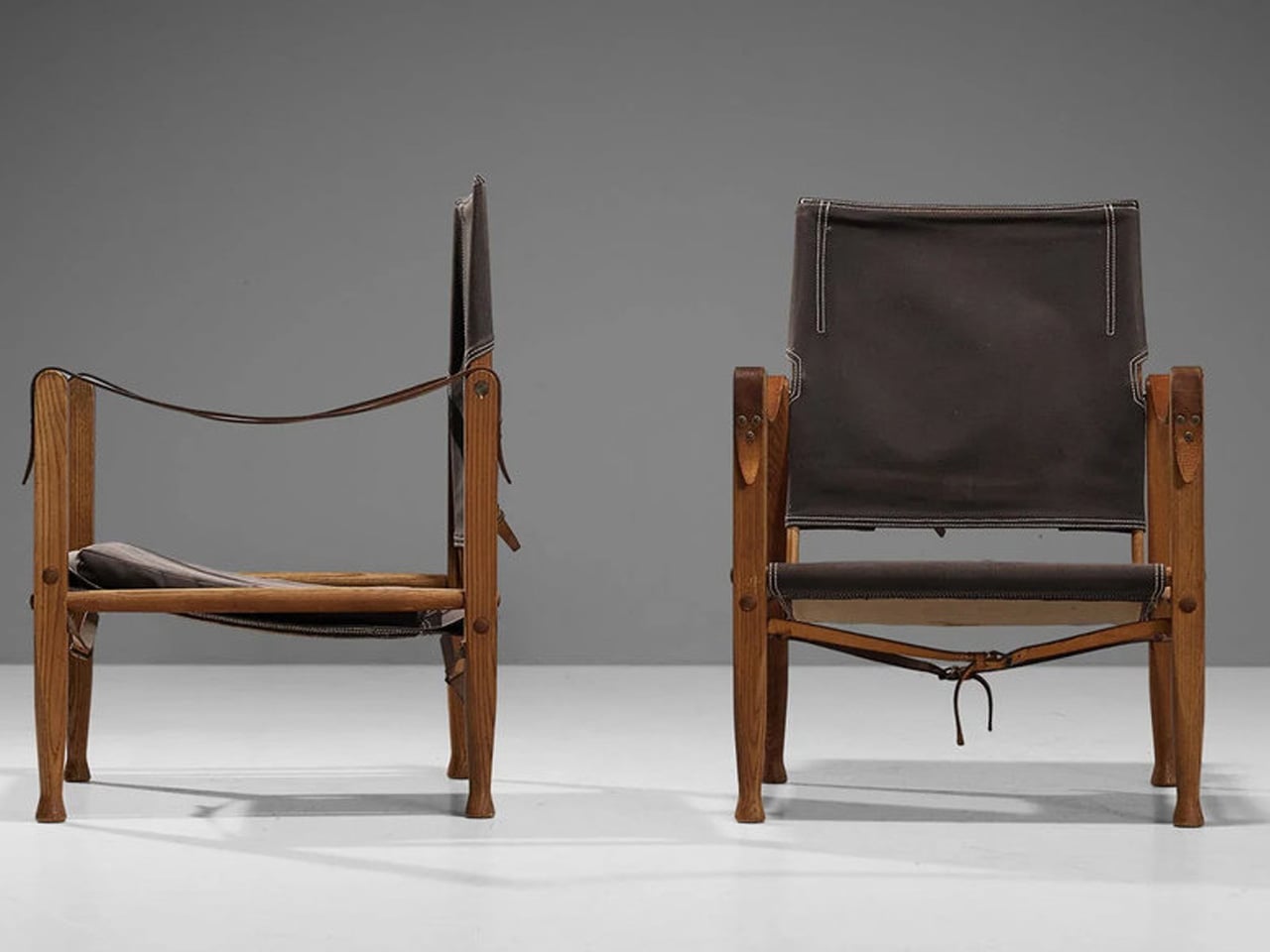
Cork is everywhere in design, and yet it’s almost always decorative. A tile floor. A pin board. A wine stopper. Copenhagen-based furniture designer Chiara Verde looked at that assumption and quietly dismantled it. Her Strata lounge chair doesn’t use cork as a finish — it uses cork as the architecture.

The chair is built around a layered composite system: thin cork sheets alternated with natural fibre textiles, laminated together to form load-bearing shells. The textile reinforcement isn’t there for aesthetics — it gives the cork directional stiffness and structural performance it simply doesn’t have on its own. A minimal metal frame handles only the points under concentrated load, leaving the cork shells to carry the rest. It reads, visually, like a chair slung from material intelligence rather than convention.

Designer: Chiara Verde

Verde’s background leans heavily into process. Her practice is built on material experimentation, prototyping, and structural research — work that treats the studio bench as an extension of the design itself. Strata wasn’t conceived and then executed. It emerged through months of testing, adjustment, failure, and recalibration. A cork stool came first — a full-scale testbed that validated the structural logic before Verde committed it to a larger form. The lounge chair is the result of everything that came before it.

What makes Strata worth paying attention to isn’t just the material provocation — it’s how restrained the final form is. The chair doesn’t announce itself. It holds the visual language of the natural world: organic in silhouette, warm in texture, quietly confident in its proportions. Cork has an inherent thermal quality to it, a softness underfoot and underhand that synthetic materials spend millions trying to replicate. Here, it’s simply doing its job.

The lineage of the slung chair runs deep — leather over steel tubing defined a generation of modernist seating in the early and mid-20th century. Verde is working in that same formal territory, proposing laminated cork as the next honest alternative to leather: a material that gives, breathes, and ages with use rather than against it.

Strata sits in a growing conversation around material-led design — not sustainability as branding, but sustainability as methodology. Verde isn’t marketing cork. She’s interrogating it, and the chair is the proof of concept. For a material that has spent decades on the periphery of furniture design, Strata might be the argument it needed all along.

The post This Lounge Chair Is Built From Cork — and It’s Sturdier Than It Looks first appeared on Yanko Design.

❌