Vue normale

Il y a de nouveaux articles disponibles, cliquez pour rafraîchir la page.
Hier — 14 décembre 2025Flux principal

Rotating Kitchen Cubes Make Wasting Food Actually Impossible

Par : Ida Torres
14 décembre 2025 à 14:20

We’ve all been there. You buy fresh produce with the best intentions, tuck it away in the fridge or pantry, and then discover a wilted mess two weeks later. It’s frustrating, wasteful, and honestly, it happens way more often than we’d like to admit. But what if your storage system actually worked with you instead of against you?

Enter Saveit, a modular food storage concept by designer Yerin Kim that’s making me rethink everything about how we organize our kitchens. At first glance, it looks like something straight out of a design museum with its sleek metal boxes, perforated panels, and pops of color. But the real magic happens when you actually use it.

Designer: Yerin Kim

The system is built around a brilliantly simple idea: rotating storage that follows the FIFO principle (first in, first out). You know how grocery stores stock their shelves so older items move to the front? That’s exactly what Saveit does for your home. The modules feature these clever two-way rotating structures, so when you add new food from one side, the older items naturally move toward the exit point. No more mystery tomatoes rotting in the back of your produce drawer.

What makes this system feel genuinely different is how modular and adaptable it is. The stackable metal units can be configured in countless ways, kind of like edible Tetris. Need more space for root vegetables this week? Rearrange. Stocking up on citrus? Adjust accordingly. The colored sliding trays and hanging hooks accommodate everything from loose potatoes to bunches of bananas, and each component is designed to maximize airflow through those perforated backs, keeping produce fresher longer.

The aesthetic is industrial meets playful, with that brushed metal finish that feels both serious and approachable. Those bright red, green, blue, and yellow accents aren’t just for looks either. They help you quickly identify different food categories or rotation systems at a glance. It’s functional design that doesn’t sacrifice personality.

But here’s what really sold me on this concept: every single part slides out and pops into the dishwasher. Anyone who’s ever tried to clean a traditional produce basket or drawer knows that trapped dirt and sticky residue situation. Saveit eliminates that headache entirely. The removable design means you can actually keep your storage clean without contortionist-level flexibility or a dedicated scrub brush.

The environmental angle here is significant too. Food waste is a massive problem. We’re talking about roughly a third of all food produced globally ending up in the trash, which contributes to greenhouse gas emissions and represents billions of dollars thrown away annually. While Saveit won’t solve food waste entirely, it tackles one of the root causes: poor visibility and organization at home. When you can actually see what you have and the system naturally prioritizes older items, you’re far more likely to use everything before it goes bad. There’s something refreshing about design that solves real problems without overcomplicating things. Saveit doesn’t require an app, doesn’t need to be plugged in, and doesn’t come with a subscription service. It’s just smart, thoughtful design applied to an everyday challenge. The kind of thing that makes you wonder why storage hasn’t worked this way all along.

Yerin Kim’s creation sits at this interesting intersection of sustainability, functionality, and visual appeal that feels very now. It’s the type of design that tech enthusiasts appreciate for its systematic approach, that eco-conscious consumers love for its waste-reduction potential, and that design lovers simply want to display on their countertops. It transforms a mundane task (food storage) into something that actually feels considered and intentional. Whether Saveit moves from concept to production remains to be seen, but it represents a shift in how we think about kitchen organization. Storage shouldn’t be something you work around. It should work for you, making sustainable choices easier and more intuitive. And if it looks this good while doing it? Even better.

The post Rotating Kitchen Cubes Make Wasting Food Actually Impossible first appeared on Yanko Design.

À partir d’avant-hierFlux principal

A Cordless Kitchen Processor Soft Enough to Leave Out All Day

Par : Ida Torres
1 décembre 2025 à 17:20

If you cook in a small kitchen, you already know the choreography. The toaster gets shoved into a cabinet so the kettle can come out. The air fryer lives on the floor of a pantry. Power cords drape across the counter like tripwires. It is domestic Tetris, and it rarely looks good.

That is the quiet problem the Food Sitter Cooking Processor, designed by Qi Liu, is trying to solve. On paper it is a cordless, multifunctional food processor that chops, blends, and whisks. In reality it feels more like a friendly little gadget that wants to restore some visual calm to your kitchen.

Designer: Qi Liu

The first thing that stands out is the form. Instead of the usual squat base with a forest of buttons, this processor reads almost like a compact handheld vacuum crossed with a milk frother. A clean cylinder holds the motor and battery, with a straight handle projecting from the side and a clear jar below. The lines are smooth and rounded, and the whole object looks soft without being cute for the sake of it.

Color does a lot of the emotional work here. The palette of cream white, gentle gray, and lemon yellow is closer to lifestyle accessories than industrial appliances. These are the kinds of colors you expect from a Scandinavian lamp or a wireless speaker, not a device that pulverizes garlic. That choice is intentional. Food Sitter positions itself as a Korean kitchen lifestyle brand with the motto “Less Effort, More Joy,” and the processor fits that promise. It is designed to sit out in the open without visually shouting.

Cordless power is the other big shift. The processor has a built in battery and charges via USB, which instantly changes how and where you use it. No cord means you can move from counter to dining table to balcony without hunting for an outlet. It is easy to imagine it on a picnic table, pureeing salsa next to a portable speaker, or on a camping trip where it turns into a tiny off grid prep station. The portability feels closer to a tech gadget than a traditional kitchen tool, and that is part of the appeal.

Functionally, the product leans into modularity. Interchangeable blades and accessories cover three core jobs chopping, blending, and whisking. In design terms it is a single platform with multiple behaviors. Instead of owning a separate chopper, mini blender, and hand whisk, you swap attachments on one compact base. That reduces clutter and, importantly, visual noise. One small cylinder on your shelf looks a lot better than three unrelated appliances with three different design languages.

The interaction details are refreshingly straightforward. There is a clear top hole for feeding ingredients, paired with a small stick that nudges food down toward the blades. It is almost analog in spirit. You are still present in the process, but the tool does the heavy lifting. The controls are minimal, with a small display for on off and speed, and a single main button. It feels closer to using a simple audio player than programming a blender.

Cleaning, the step that often kills our enthusiasm for kitchen gadgets, is handled with the same clarity. Every food contact part is designed to come apart quickly. Blade, jar, and lid separate for a rinse under the tap, no awkward crevices or trapped onion pieces. That kind of invisible design work is what makes a product move from novelty to daily habit.

What makes this project interesting beyond the kitchen is how it merges three worlds. From a design perspective, it borrows the soft minimalism of contemporary home objects. From tech, it adopts battery power, portability, and a restrained interface. From pop culture, it taps into our current love of “tiny living” and curated domestic aesthetics. It is the kind of object you can imagine on Instagram next to a latte and a stack of cookbooks, but it also has the chops to justify its presence.

For modern homeowners especially those living in apartments or shared spaces that blend work, life, and cooking into one room this balance matters. We want tools that earn their footprint. The Food Sitter Cooking Processor feels like a response to that desire. It is compact, visually calm, and flexible enough to support both weekday meal prep and weekend kitchen experiments. In the end, this is not just another food processor. It is a small argument for a different kind of kitchen where technology is cordless and quiet, aesthetics are part of function, and the tools that help you cook are pleasant enough to leave out in plain sight.

The post A Cordless Kitchen Processor Soft Enough to Leave Out All Day first appeared on Yanko Design.

This French Tiny House Finally Makes Downsizing Realistic for Families

30 novembre 2025 à 23:30

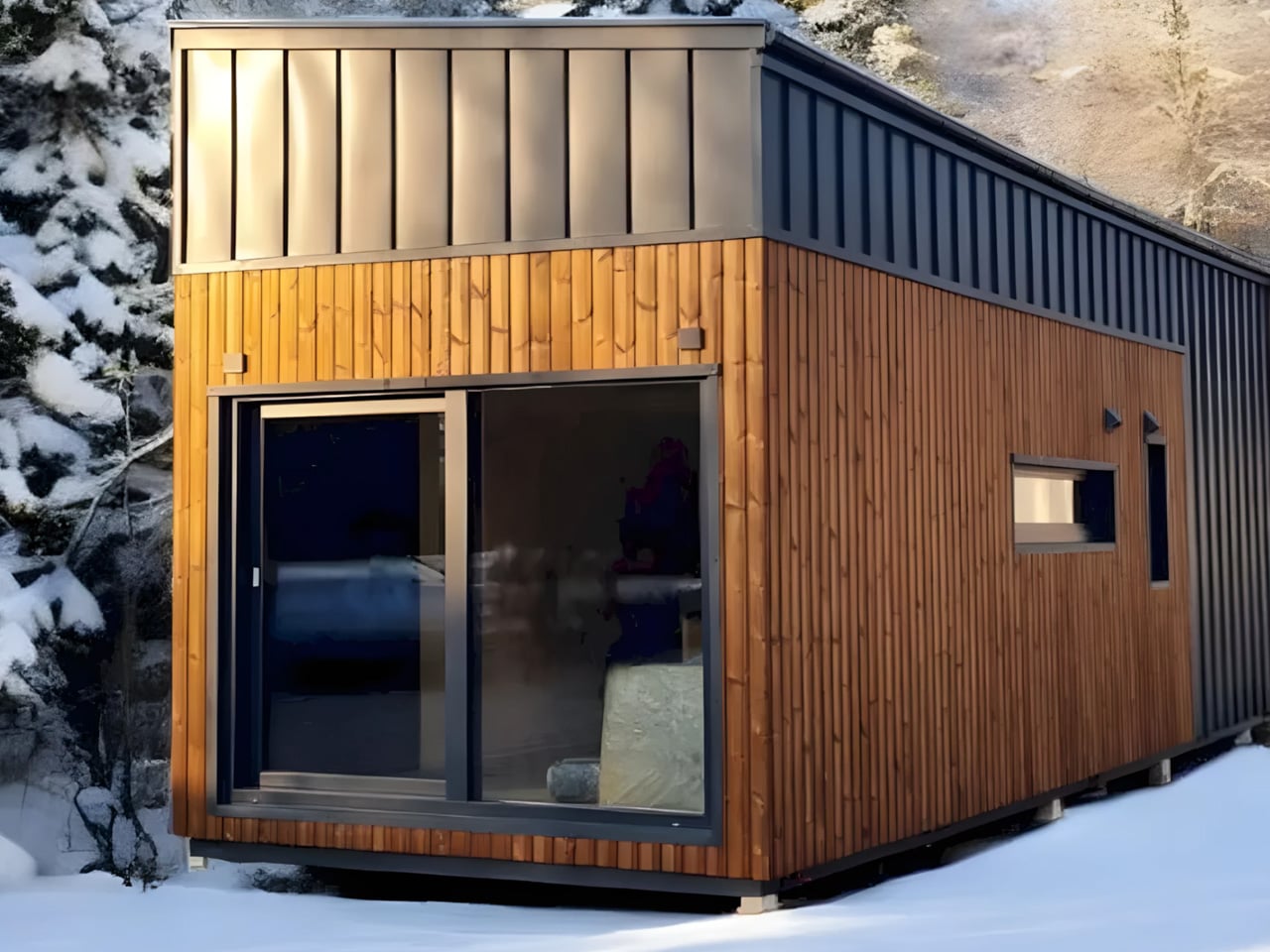
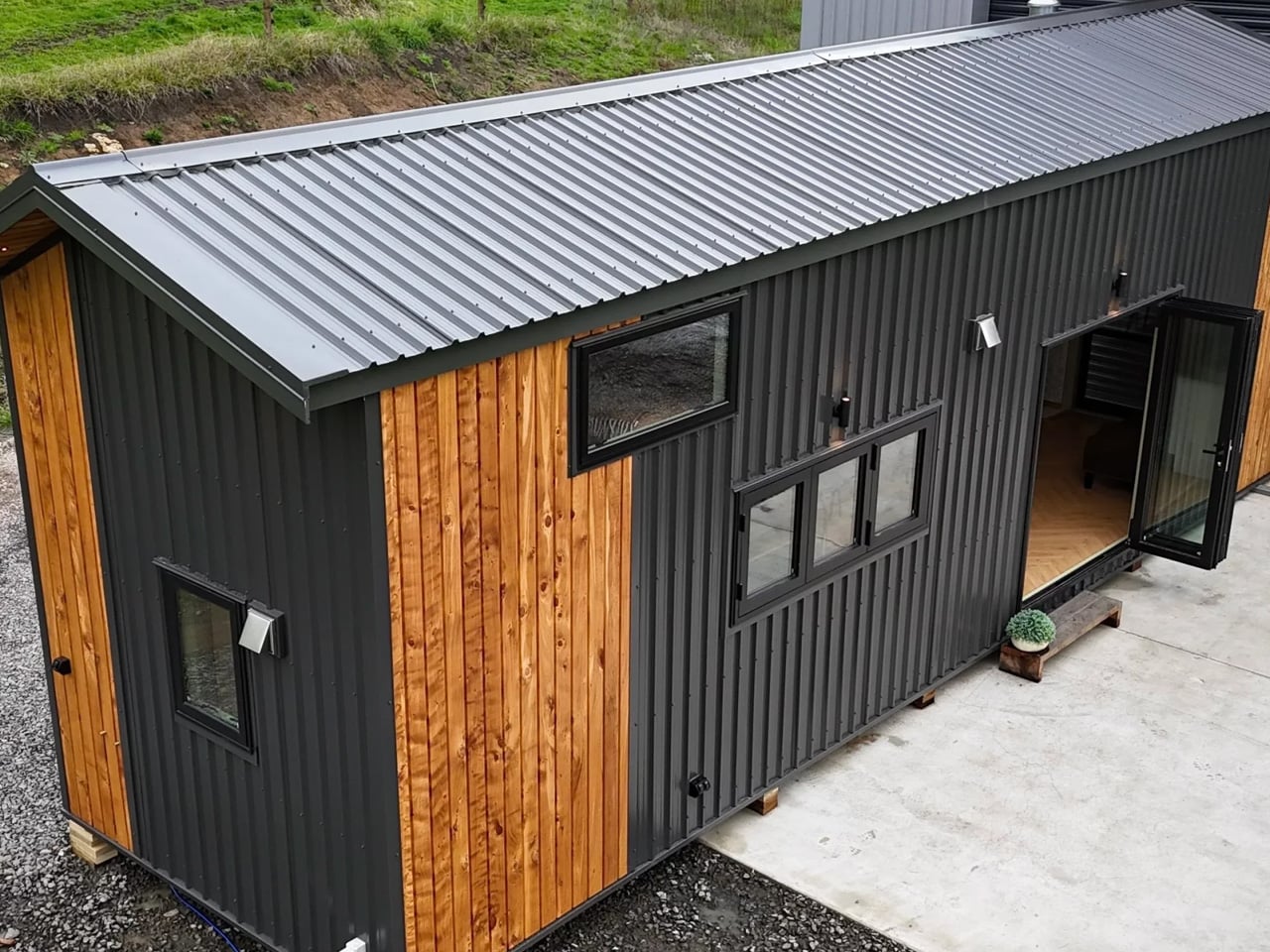
French tiny house builder Atelier Bois d’ici has unveiled its largest creation to date, and the Tiny XXL is challenging long-held assumptions about downsizing with children. Stretching 26 feet in length and 11.5 feet in width, this mobile dwelling offers 430 square feet of thoughtfully designed living space that actually feels livable for a family of four. Most French tiny homes measure just 8.2 feet wide, making them feasible for regular road travel but challenging for families seeking genuine comfort. The XXL breaks from this tradition with its extra-wide footprint, sacrificing easy mobility for the kind of space that transforms tiny living from a compromise into a legitimate lifestyle choice.

The trade-off requires a special permit for towing on public roads, which positions this home as a semi-permanent dwelling rather than a frequent traveler. That’s not necessarily a dealbreaker. If you’re planning to park it somewhere beautiful and stay put, the extra breathing room is worth far more than the freedom to move every few months. The layout addresses one of the biggest pain points in family tiny living, which is privacy. Two separate bedroom lofts sit on opposite sides of the home, giving parents and children their own retreats without the awkwardness of sharing one cramped sleeping area. The main floor dedicates generous square footage to a full kitchen and living area where the family can gather without bumping elbows at every turn.

Designer: Atelier Bois d’ici

Atelier Bois d’ici brings exceptional craftsmanship to every build, operating as much more than a construction company. Manager Jean-Daniel runs a sawmill and wood storage facility on the same property as the workshop, creating an integrated approach to tiny house building that starts with raw logs rather than processed lumber. This connection to the material allows the team to incorporate up to 12 different wood species into a single home, using redwood, chestnut, walnut, and beech to create depth and character throughout the space. Natural timber cladding wraps the exterior, creating warmth that carries through to the interior spaces with an eclectic aesthetic that feels worlds away from the clinical minimalism often associated with tiny homes.

The sustainability credentials run deep. Every piece of timber comes from within 30 kilometers of the workshop, sourced through local or short-circuit supply chains that keep the environmental footprint minimal. The team avoids all toxic chemical treatments, letting the natural properties of carefully selected woods provide durability and weather resistance. This philosophy transforms each build into a showcase of regional materials and traditional woodworking techniques that have been refined over generations. It’s a thoroughly French approach to construction, where quality and provenance matter just as much as the final product.

Practical amenities make daily life comfortable. A full bathroom includes a shower, sink, and composting toilet, while a washer/dryer combo machine handles laundry needs without requiring trips to a laundromat. The kitchen comes fully equipped for meal preparation, centered around a dining area that serves as the home’s social hub. A 50-liter electric water heater provides hot water throughout, and a wood-burning fireplace adds both ambiance and heating during colder months. The XXL sits on a rugged agricultural chassis built to handle the weight and stress of the larger structure, ensuring stability for decades of stationary living.

For families weighing the move to smaller living, the Tiny XXL offers proof that downsizing doesn’t require sacrificing comfort or personal space. It’s a home that takes the tiny house concept seriously while refusing to ignore the practical realities of raising kids in close quarters. The result is something that feels more like a real home than a temporary experiment in minimalism, built with old-world craftsmanship for modern sustainable living.

The post This French Tiny House Finally Makes Downsizing Realistic for Families first appeared on Yanko Design.

This Ingenious 30-Foot Tiny Home That Redefines Family Living In Compact Spaces

7 novembre 2025 à 00:30

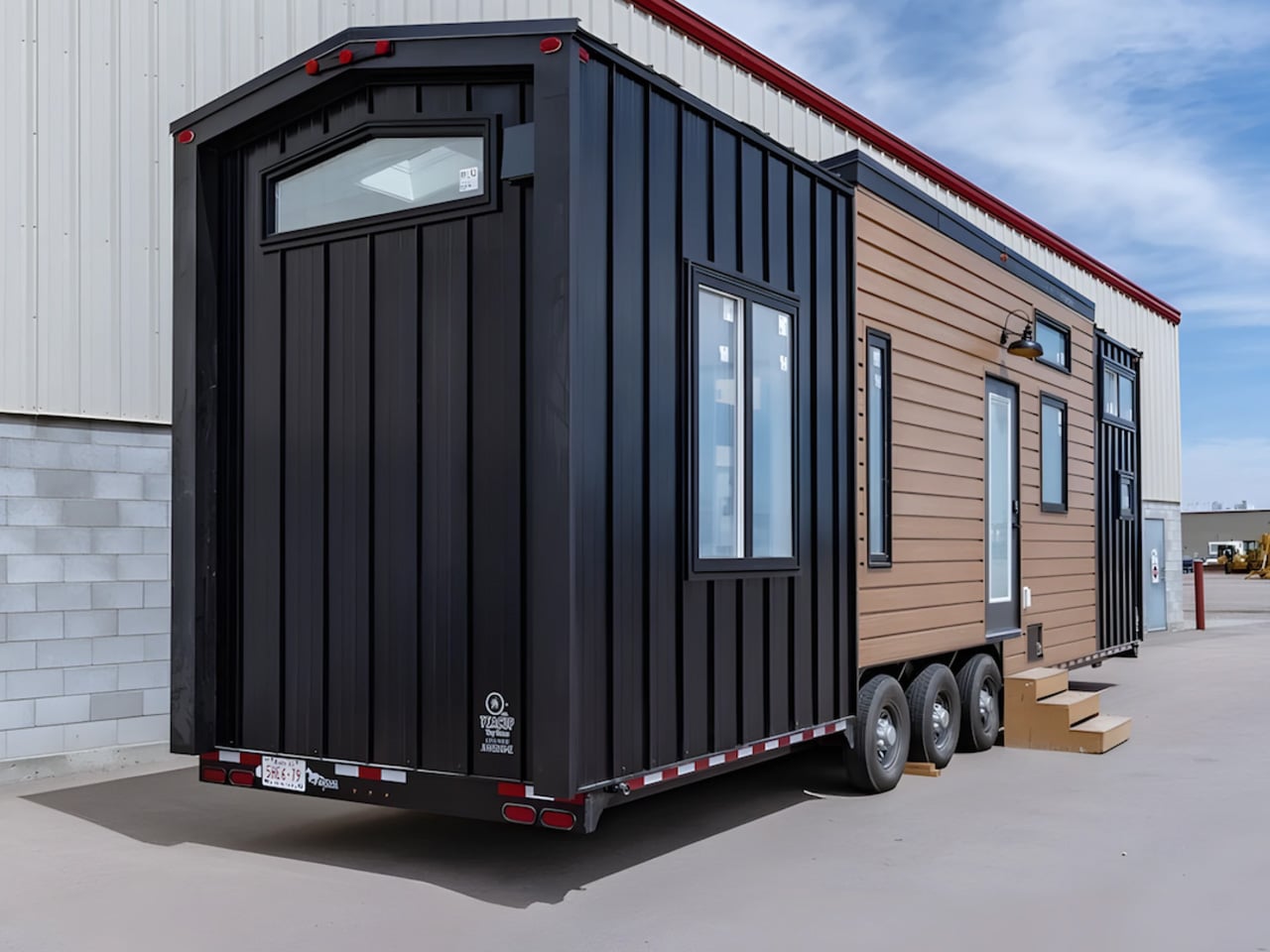
Big Freedom Tiny Homes has built a reputation for redefining what’s achievable within the compact and creative world of tiny living. Their newest model, recently completed and still unnamed, stands as a testament to the power of smart design. Measuring just 30 feet (9.14 meters) long, this tiny house manages to feel surprisingly spacious while remaining easy to tow. Built on a robust triple-axle trailer, the home is compact by North American standards yet far more generous than many European counterparts. This makes it a great fit for a small family looking for mobility and comfort without sacrificing style or functionality.

The exterior of the new tiny house is both attractive and durable. It’s finished in richly stained cedar siding, which gives a warm, rustic appearance, and is complemented by modern metal accents. The roof, also made of metal, adds to the home’s resilience against the elements while contributing to its clean, contemporary look. This careful blend of materials ensures the home is not only eye-catching but also built to last—whether parked in a forest clearing, by a lake, or in a suburban setting.

Designer: Big Freedom Tiny Homes

Entering through the glazed doorway, visitors step directly into the living room—a bright and welcoming space. Here, a large L-shaped sofa bed invites relaxation, providing enough seating for family movie nights or a comfortable spot for guests to sleep. A well-placed coffee table completes the setup, offering both functionality and style. The clever use of glazing and an open floor plan ensures the living area feels airy and inviting, rather than closed in, which is often a challenge with smaller homes.

At the heart of the home, the kitchen stands out for its practical design and surprising spaciousness. Unlike many tiny homes where the kitchen is squeezed into a corner, this one boasts full-sized amenities: a four-burner propane-powered stove, a proper oven, a fridge/freezer, and a sleek sink. Quartz countertops and extensive cabinetry provide ample storage and workspace, while a two-person breakfast bar serves as a convenient dining area or a flexible workspace. While the space isn’t intended for large dinner parties, it’s certainly equipped for everyday family meals and the occasional gathering of close friends.

The bathroom is thoughtfully located at the far end of the house, away from the main living area to maximize privacy. It’s equipped with a shower, a modern sink, and a flush toilet, ensuring all the comforts of a conventional home are present. Nearby, a stacked washer and dryer make laundry easy, a rare convenience in many tiny homes. This attention to daily living needs shows a commitment to making the home as livable as possible, even within a restricted footprint.

Sleeping arrangements are cleverly designed to make the most of vertical space. The secondary bedroom is a loft above the living room, accessed by a removable ladder, and is best suited for children or as extra storage. The master bedroom, larger and accessed by a staircase with built-in storage, sits above the bathroom. Both spaces have low ceilings typical of lofts, but the areas are efficiently organized. The master loft fits a double bed and offers additional storage, creating a cozy and private retreat. While the price of this specific model isn’t available, similar models from Big Freedom Tiny Homes start at $109,000. Based in Bellingham, Washington, the company continues to deliver innovative, comfortable, and stylish solutions for those seeking a smaller, more flexible lifestyle.

The post This Ingenious 30-Foot Tiny Home That Redefines Family Living In Compact Spaces first appeared on Yanko Design.

This 26-Foot Tiny Home Fits A Washer, Dishwasher, & 10-Foot Ceilings

28 octobre 2025 à 23:30

The tiny home movement has found its perfect ambassador in Australia with Forest Creek Tinies’ Caladenia, a single-loft design that’s capturing international attention for proving that downsizing doesn’t mean sacrificing style or storage.

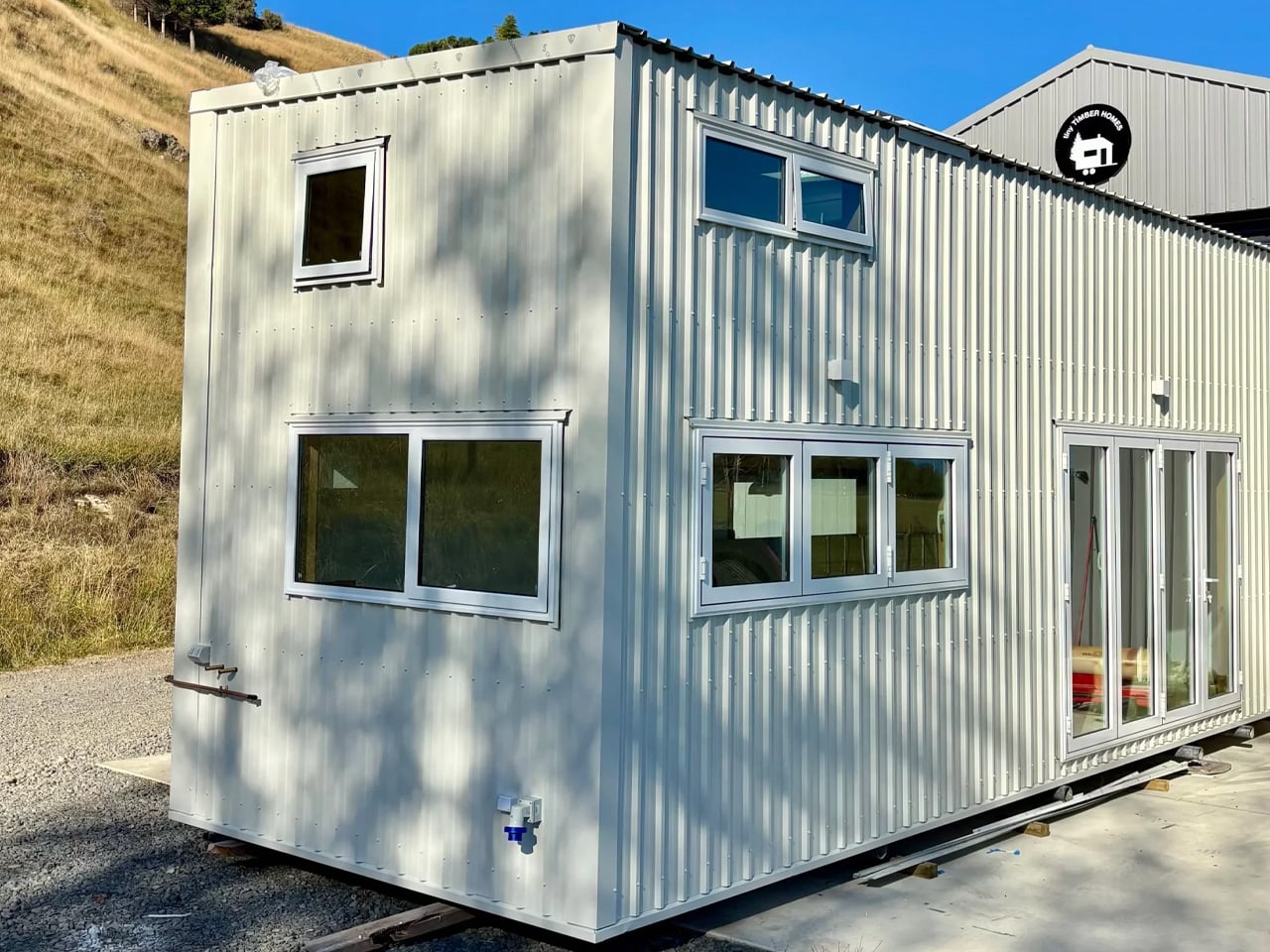
Measuring 8 meters by 2.5 meters, the Caladenia strikes an ideal balance between European compact designs and North American spaciousness. This 26-foot home accommodates up to two people while delivering an unexpectedly generous living experience through clever architectural choices.

Designer: Forest Creek Tinies

Design That Defies Expectations

The Caladenia’s standout feature is its dramatic spatial contrast. While one end houses a mezzanine bedroom accessed by storage-integrated stairs, the opposite end soars to an impressive 3.2-meter ceiling height. This creates an expansive lounge and dining area that feels anything but cramped. The kitchen deserves particular praise for its functionality. Recent builds showcase configurations with 2-seater dining nooks, long hardwood benches, and ingenious retractable pantries.

Space provisions for a washing machine and a 450mm dishwasher prove that full-sized living is possible in a compact footprint. Eight strategically positioned double-glazed windows flood the interior with natural light while ensuring proper ventilation. The bathroom, although compact, features a shower, a mirror cabinet, and space for a composting toilet, ensuring comfort without compromise.

Customization Sets It Apart

What distinguishes the Caladenia from competitors is its remarkable adaptability. Recent media coverage highlighted a custom-built build in Central Victoria featuring an unusual multi-level ground floor with a sunken kitchen. This demonstrates how Forest Creek Tinies allows clients to reimagine the base design completely.

The exterior options reflect this flexibility, offering recycled corrugated iron for rustic charm or pre-painted Colorbond steel for contemporary appeal. An optional deck area can extend living space outdoors, as featured in recent New Atlas coverage.

Environmental consciousness runs deep in the Caladenia’s design. The standard build comes off-grid ready with a 16L instant gas water heater. While solar panels aren’t included in the base price, the electrical system is designed to accommodate them seamlessly, featuring a full 240V caravan setup with a safety switchboard and LED lighting throughout.

Starting from $135,000 including GST, the Caladenia represents significant value in the Australian tiny home market. The three-month build time from Castlemaine-based Forest Creek Tinies ensures quality construction without excessive waiting. For those seeking proof that small living needn’t mean small dreams, the Caladenia stands as compelling evidence that thoughtful design can deliver luxury living in any footprint.

The post This 26-Foot Tiny Home Fits A Washer, Dishwasher, & 10-Foot Ceilings first appeared on Yanko Design.

This $78K Tiny House Has Curved Walls & Luxury Most Homes Never Get

23 octobre 2025 à 23:30

Australia’s tiny house movement has found its perfect ambassador in the Harper, a stunning 20-square-meter dwelling that redefines what small-scale living can be. Created by Gold Coast-based Black Clay, this compact home proves that downsizing doesn’t mean downgrading when it comes to style and comfort.

The Harper stretches eight meters long and 2.5 meters wide, built on a robust triple-axle steel trailer designed for full transportability. What immediately strikes visitors is the exterior’s sophisticated blend of curved Decobatten aluminum and Colorbond steel cladding. This combination creates a timber-like aesthetic that demands attention while requiring minimal maintenance.

Designer: Black Clay

Interior Design Excellence

Step inside, and the Harper reveals its true character through carefully selected materials and thoughtful design choices. Architectural birch plywood lines the interior walls, creating warmth against the rich timber oak flooring. The kitchen serves as the home’s centerpiece, occupying 2.5 meters of prime real estate with Caesarstone benchtops and Laminex cabinetry in Porcelain Blush and Coolum Sand finishes that add subtle sophistication.

Living spaces flow naturally throughout the Harper’s interior, with the built-in lounge featuring hidden storage drawers beneath the seating. The bedroom continues the home’s commitment to both comfort and style, incorporating a queen-size bed base with additional storage underneath and subtly curved walls that create an enveloping sanctuary feel. Floor-to-ceiling windows throughout flood the interior with natural light and create seamless connections to the outdoors.

Sustainability and Investment

The bathroom showcases modern design sensibilities with full tiling and a striking concrete basin, while environmental consciousness runs throughout the Harper’s design. Earthwool insulation in walls and ceiling ensures energy efficiency, and full off-grid options cater to those seeking complete energy independence. This sustainability focus aligns with the growing desire for more intentional living that respects environmental boundaries.

Black Clay founders Justin and Rachel have positioned their company around creating “thoughtfully designed tiny homes built for people to enjoy in beautiful environments.” Priced from around US$77,500, the Harper represents a significant investment that delivers luxury finishes and thoughtful design typically associated with much larger homes. The Harper tiny house demonstrates that small-scale living can embody sophistication, comfort, and environmental responsibility, offering a compelling vision of downsized luxury for those ready to embrace intentional living.

The Future of Downsized Living

The Harper’s versatility extends beyond personal use, positioning it perfectly for the growing short-term rental market and luxury retreat sector. Property investors are increasingly recognizing the potential of high-end tiny homes as Airbnb offerings, where guests seek unique accommodations that provide both novelty and comfort.

The Harper’s sophisticated design and premium finishes make it an ideal candidate for such ventures, capable of commanding premium nightly rates while offering guests an immersive experience in minimalist luxury. Its transportable nature also allows owners to relocate their investment to capitalize on seasonal tourism patterns or changing market demands.

The post This $78K Tiny House Has Curved Walls & Luxury Most Homes Never Get first appeared on Yanko Design.

This Tiny House Looks Impossibly Small Outside But Hides A Full Sewing Studio Inside

10 octobre 2025 à 23:30

Baluchon has done it again. The French tiny house builder, widely regarded as the most innovative craftsman in the industry, has just revealed their latest masterpiece: Nouvelle Danse. This light-filled sanctuary represents everything that makes Baluchon the gold standard in compact living design. Custom-built for a passionate seamstress, Nouvelle Danse transforms the traditional tiny house concept into something extraordinary, seamlessly integrating a dedicated workspace into a surprisingly spacious two-bedroom layout that proves even the most specialized needs can be met within compact dimensions.

The exterior showcases Baluchon’s signature aesthetic mastery through high-contrast natural wood cladding that plays beautifully against matte black insertions flowing across the roof, door, and window frames. The entrance commands attention with modern glass doors framed in striking black paneling, ensuring the home turns heads whether nestled in a tiny house community or positioned in a remote natural setting. Natural light floods every corner of the interior, creating an atmosphere that feels anything but cramped while providing the perfect environment for creative work.

Designer: Baluchon

A Portfolio of Innovation

Nouvelle Danse joins an impressive roster of recent Baluchon creations that continue pushing boundaries in small space design. The Eden tiny house demonstrated how smart design maximizes functionality, serving as both a residence and a remote office, while the minimalist Avalon showcased the builder’s ability to create perfection through restraint, with sleek styling within an ultra-compact footprint. The recent Ivy model boasted 441 square feet of luxury, featuring innovative elements such as raised lounges and direct loft access from the bathroom. In contrast, Leila focused on homey comfort, with enlarged kitchen spaces and charming reading nooks.

The company’s attention to craftsmanship remains uncompromising across all builds, consistently using sustainable materials like red cedar construction, natural insulation including cotton, hemp, and linen, and predominantly natural wood finishes or eco-friendly dyes. These choices reflect a commitment to environmental responsibility without sacrificing aesthetic appeal. Industry observers consistently note that Baluchon homes never look plain or somber on the outside, while interiors maximize every square inch through clever storage solutions and multi-functional design elements.

Setting the Standard for Custom Design

What sets Baluchon apart in the crowded tiny house market is its refusal to create cookie-cutter designs. Every project begins with understanding the client’s specific needs, then crafting a completely personalized solution. The seamstress workspace in Nouvelle Danse exemplifies this approach perfectly, demonstrating how the builder’s reputation encompasses pure artistry and endless creativity. Each Baluchon creation tells a unique story tailored to its owner’s lifestyle, whether addressing accessibility concerns with single-floor layouts or incorporating specialized work areas for creative professionals.

As tiny house living continues gaining popularity worldwide, Baluchon remains at the forefront of innovation. Their latest creation proves that downsizing doesn’t mean compromising on style, functionality, or personal expression. Nouvelle Danse stands as a testament to the possibilities that emerge when masterful craftsmanship meets thoughtful design, creating spaces that truly enhance their owners’ lives rather than simply sheltering them. The French builder continues setting the standard for what tiny house living can become when imagination meets expertise.

The post This Tiny House Looks Impossibly Small Outside But Hides A Full Sewing Studio Inside first appeared on Yanko Design.

IKEA Transforms Its Most Beloved Chair Into Something Completely Different

10 octobre 2025 à 22:31

IKEA has fundamentally reimagined its most enduring furniture icon, and the result is nothing short of transformative. The POANG armchair, a global bestseller that has graced millions of homes since 1977, just received its most significant design evolution in nearly five decades. The late Noboru Nakamura, the chairs original designer, came out of retirement in 2022 to personally oversee this dramatic redesign before his passing in April 2023. His final act was removing the signature headrest entirely, creating a low-back version that prioritizes social interaction over solitary comfort.

Designer: IKEA

The Design Philosophy Behind the Cut

Nakamuras approach to this redesign exemplifies the intersection of form, function, and human behavior that defines exceptional furniture design. Known affectionately as Nacka within IKEA, Nakamura built his reputation on radical simplicity: The Japanese flag only has a circle. Its so simple. I like to approach my design in a similar way. This philosophy guided his most decisive design choice for the POANGs evolution, one strategic cut that fundamentally altered the chairs social dynamic.

The elimination of the headrest serves multiple purposes beyond aesthetics. By lowering the overall profile and opening the back, Nakamura created seating that encourages conversation rather than retreat. The modification transforms the chair from a personal sanctuary into an invitation for interaction, reflecting contemporary living patterns where multipurpose spaces demand furniture that adapts to various social contexts.

Technical Excellence Meets Social Innovation

The low-back POANG retains every technical element that made the original a design classic while introducing subtle improvements that enhance its contemporary relevance. The frame construction uses the same layer-glued birch veneer with clear acrylic lacquer finish that has proven durable across millions of units sold worldwide. The signature cantilever design, with its engineered flex and gentle rocking motion, remains unchanged, preserving what Nakamura called the emotional richness that furniture should provide.

However, the proportional changes are significant. The lower seat height and reduced back create a more approachable silhouette that works particularly well in smaller spaces where the originals commanding presence might overwhelm. The chair now accommodates users up to 242 pounds and comes with IKEAs standard 10-year limited warranty, maintaining the brands commitment to accessible durability.

Material Innovation and Sustainability Integration

The updated POANG incorporates contemporary sustainability practices without compromising on comfort or aesthetics. The cushion system features polyurethane foam comfort filling with recycled polyester wadding comprising a minimum of 80% recycled content. The removable, machine-washable covers come in cotton-linen blends designed for real-world use, addressing one of the primary maintenance concerns of the original design.

Color options reflect both contemporary tastes and historical references. The bold Vissle red pays homage to the vibrant palette that defined 1970s Scandinavian design, while new black and beige options provide versatile neutrals for modern interiors. Frame finishes include natural beige and black-brown, each treated to highlight the natural wood grain that defines the POANGs visual identity.

Historical Context and Design Legacy

The POANGs journey from concept to global icon illustrates the enduring power of thoughtful design. Originally named POEM when it debuted on IKEAs 1977 catalogue cover, the chair underwent construction improvements in 1992 that reduced manufacturing costs while maintaining quality. The rename to POANG, Swedish for point, reflected its refined status as a design statement rather than merely functional seating.

Nakamuras design philosophy centered on furniture as emotional experience rather than static object. A chair shouldnt be a tool that binds or holds the sitter, he explained in 2016. It should rather be a tool that provides us with emotional richness, and creates an image where we can let off frustration or stress by swinging. This philosophy shaped not only the POANGs signature cantilever flexibility but also informed his decision to create a more socially oriented variant decades later.

With approximately 1.5 million POANG chairs sold annually, the design has become one of furniture historys most successful pieces. Even IKEA founder Ingvar Kamprad used the same POANG for 32 years, testament to both its durability and timeless appeal.

Market Positioning and Consumer Impact

The low-back POANGs pricing strategy maintains IKEAs commitment to accessible design while reflecting the enhanced manufacturing precision required for the modified proportions. Basic configurations start at $99, with premium fabric options reaching $139. This pricing positions the chair competitively within both the entry-level market and the mid-range seating category dominated by contemporary furniture brands.

The launch timing as part of IKEAs Nytillverkad collection, celebrating the companys 80th anniversary, provides additional context for understanding this redesigns significance. Rather than simply creating a variant, IKEA positioned the low-back POANG as a tribute to Nakamuras legacy while addressing contemporary living patterns that prioritize flexibility and social interaction.

Expert Analysis: Design Impact and Future Implications

From a design perspective, the low-back POANG represents more than aesthetic modification. It demonstrates how established design can evolve to meet changing cultural needs without abandoning core principles. The chairs success will likely influence other manufacturers to reconsider how traditional furniture forms can be adapted for contemporary social patterns.

The timing of this release, following significant disruptions to home living patterns, suggests IKEAs recognition that furniture must adapt to spaces that serve multiple functions. The low-back design accommodates this need while preserving the design integrity that made the original endure for nearly five decades.

Availability and Long-Term Considerations

The low-back POANG is currently available through IKEAs retail channels and online platform as part of the limited Nytillverkad collection. While IKEA has not specified whether this variant will become a permanent offering, the significant investment in design development and manufacturing tooling suggests potential for ongoing production based on market response.

For consumers considering the low-back versus traditional POANG, the choice ultimately depends on intended use. The original remains superior for reading, relaxation, and solitary activities, while the new version excels in social settings, smaller spaces, and contemporary interiors where furniture serves multiple functions.

The Design Legacy Continues

Nakamuras final design represents the best of Scandinavian design philosophy: purposeful simplicity that enhances human experience. The low-back POANG proves that even icons can evolve when guided by the same principles that made them successful initially. In removing elements rather than adding them, Nakamura created something that feels both familiar and revolutionary, a fitting conclusion to a design career dedicated to furniture that serves not just bodies, but human connection.

The low-back POANG stands as proof that great design transcends trends by focusing on fundamental human needs. As living spaces continue to evolve, furniture that prioritizes adaptability and social connection over static function will likely define the next era of home furnishing. Nakamuras final contribution ensures that the POANG remains relevant for another generation of users seeking furniture that enhances rather than dictates how they live.

The post IKEA Transforms Its Most Beloved Chair Into Something Completely Different first appeared on Yanko Design.

Get Ready For Humanism-inspired Robot Vacuums That Blend Into Your Home Decor

Par : Sarang Sheth
2 octobre 2025 à 01:45

Most robot vacuums beg for your forgiveness with their awkward, boxy presence, but the Roborock Qrevo CurvX asks for a place in your home like a well-chosen piece of furniture. It enters the conversation not just as another appliance, but as a statement on what home technology should be. With its softly arched silhouette and a philosophy that puts people, not just specifications, at the forefront, the Qrevo CurvX is engineered to disappear into your life, not just your room corners. It feels like the robot vacuum for those who think about how form and emotion, not just about function.

The design philosophy behind the CurvX is described with terms like “surface tension” and “soft architecture,” which sounds more like a museum exhibit than a home appliance. Looking at the unit, you can see what they mean. The docking station abandons the rigid, tower-like structure of its peers for a continuous, fluid curve that houses the water tanks and dustbin. It’s a quiet, elegant form that flows seamlessly into a living space, looking less like a piece of machinery and more like a minimalist sculpture. This is a direct response to a world where smart devices are often cold, visually intrusive objects. By embracing a rounded silhouette and muted tones, Roborock seems to be asking a fundamental question: how should a piece of technology feel when it lives with you? The answer, apparently, is that it should feel like it belongs.

Designer: Roborock

Click Here to Buy Now: $999.99 $1499.99 ($500 off). Hurry, deal ends in 48-hours!

This thinking goes deeper than just aesthetics, reflecting a core principle of humanistic design and “soft technology.” The idea here is that the machine should adapt to the human, not the other way around. It’s a philosophy born from asking how a device can respect the emotional and cultural rhythm of a home. This translates into tangible features that reduce the friction between you and the technology. The CurvX operates with a brushless motor and optimized hardware that significantly cut down on noise, making it a quiet collaborator rather than a noisy servant that interrupts your conversations or concentration. The fully automated dock is another manifestation of this warmth; by handling nearly all the dirty work of emptying, washing, and drying, it removes the mental and physical burden of maintenance. It’s a thoughtful approach where the technology aims to be considerate, anticipating needs and fading into the background, allowing you to simply enjoy a clean space without constantly tending to the machine that creates it.

Of course, a beautiful object that fails at its primary job is just an expensive paperweight. While the Qrevo CurvX speaks in soft aesthetic tones, it performs with absolute confidence. Beneath that sculptural exterior lies a flagship-level cleaning system that seems to address nearly every common complaint about robot vacuums. The power behind the operation is its 22,000Pa HyperForce suction system. That number might sound abstract, but for context, it represents a level of force capable of lifting dirt and allergens from deep within carpet fibers, a task where many lesser robots struggle. It’s the kind of power that translates to a visibly cleaner floor, not just a surface-level tidy up.

This raw power is channeled through a cleverly designed Dual Anti-Tangle System. Anyone who has ever owned a robot vacuum, especially with pets or long-haired family members, knows the tedious ritual of flipping the robot over to cut away a tangled mess of hair from the brush roll. The CurvX system uses a unique split-brush design that works to prevent hair from wrapping in the first place, directing it straight into the dustbin. This is one of those quality-of-life features that transforms the ownership experience from one of constant maintenance to one of genuine automation. The robot just works, leaving you to do anything else.

Mopping has also received a significant upgrade. The system uses dual spinning mop pads that scrub floors with consistent pressure, a far more effective method than simply dragging a wet cloth around. What truly sets it apart, however, is its intelligent auto-mop lifting capability. When the robot detects it is moving from a hard floor to a carpet or rug, it lifts its mop pads by a full 10 millimeters. This small action is a huge deal; it prevents the robot from dragging a wet, dirty mop across your carpets, allowing it to vacuum and mop an entire mixed-surface floor plan in a single, uninterrupted run.

The intelligence extends to the Multifunctional Dock 3.0 Thermo+, which is the brains and pit crew of the entire operation. After a cleaning run, the robot returns to the dock, which automatically empties the robot’s dustbin into a larger bag. It then washes the spinning mop pads with 176°F (80°C) hot water to dissolve grime and kill bacteria, followed by a hot air-drying cycle to prevent mildew and odors (based on testing carried out by TUV Rheinland on Staphylococcus aureus and Escherichia coli under default self-cleaning mode, over 99.99% of bacteria or the spinning mops are effectively removed). It even refills the robot’s onboard water tank for the next mopping session. This comprehensive self-maintenance cycle means user interaction is reduced to occasionally changing the dock’s water and dust bag, pushing the system much closer to a true set-it-and-forget-it reality.

Two of the most innovative features are the ones you can’t immediately see. The first is the industry-first AdaptiLift Chassis. This system allows the robot to physically lift its own body to clear obstacles like tall thresholds between rooms, a common barrier that can trap other robots. Observers have noted this gives the CurvX an impressive ability to navigate complex homes without getting stuck. The second is its RetractSense Navigation System, which includes a FlexiArm side brush. On most round robots, cleaning corners and edges is a persistent weakness. The CurvX’s side brush can dynamically extend outwards, actively reaching into corners and along baseboards to sweep debris into the path of the main brushes, ensuring a more thorough clean where it matters most.

All of this hardware is guided by a sophisticated brain. The Reactive AI 3.0 Obstacle Recognition uses a forward-facing camera and structured light to identify and avoid common household objects, identifying up to 108 types of obstacles. It builds a detailed map of your home, allowing for customized cleaning schedules, no-go zones, and room-specific settings, all controlled through a user-friendly app. At just 3.14 inches (7.98 cm) tall, its ultra-slim profile lets it glide under low furniture, cleaning the hidden spaces that are often missed. It all comes together to create a machine that is not just powerful, but also perceptive and respectful of its environment. The Roborock Qrevo CurvX doesn’t ask you to choose between a clean home and a beautiful one; it offers both, proving that cleanliness isn’t just about a dust-free floor, it’s about an aesthetic home too.

Click Here to Buy Now: $999.99 $1499.99 ($500 off). Hurry, deal ends in 48-hours!

The post Get Ready For Humanism-inspired Robot Vacuums That Blend Into Your Home Decor first appeared on Yanko Design.

Top 5 Modular Planter Systems for Space-Saving, Low-Maintenance Urban Gardens

20 septembre 2025 à 15:20

With space at a premium in urban cities, carving out even a small patch of green can feel like a luxury. City living often leaves us craving nature, but tight balconies and limited floor space make traditional gardening feel out of reach. The difficulties of gardening are compounded by the use of bulky pots and complicated setups, which can deter potential gardeners.

Modular planters are a game-changer for urban gardeners as they offer a smart and adaptable way to cultivate a thriving green space. Whether you are starting with a compact herb setup or envisioning a lush vertical garden, let’s understand how modular planters can grow with your needs, while offering convenience and beauty.

1. The Versatility of Vertical Growth

Modular planters are designed with flexibility in mind and offer a simple way to expand the garden upward instead of outward. This is perfect for small balconies, patios, and even sunny windowsills where horizontal space is a luxury. By stacking units, one can create a beautiful green wall that not only maximizes the growing area but also adds an interesting visual element to one’s home.

These systems offer a key advantage through their adaptability. As gardening confidence grows, users can easily expand their existing setup by adding more modules. This flexibility allows them to experiment with a wider variety of plants, from leafy greens to cascading flowers, without the need for a complete redesign of their garden.

Chris Ference’s Elevated Planter is a highly innovative design solution for space-conscious gardeners. Crafted from anodized aluminum, the planters feature a unique toothed base that allows them to be securely stacked, enabling the creation of vertical gardens. This modular system provides a flexible way to expand a plant collection without requiring a large footprint. The design’s versatility is further enhanced by a variety of sizes and colors, offering customization to suit individual plants and aesthetic preferences.

The planter’s design goes beyond simple stacking. The grooved base allows for off-center arrangements, ensuring that plants in lower tiers receive ample light and room to grow. Each planter is equipped with a drainage hole and a rubber plug, making it suitable for indoor and outdoor use.

2. Effortless Assembly and Maintenance

Modular planter systems are designed for easy, tool-free assembly, often utilizing simple stacking mechanisms. A new garden can be set up in minutes, without the need for a single screw or nail. This simplicity allows users to reconfigure their setup whenever they wish, whether moving a planter to a sunnier spot or adding new layers.

These planters are also designed for easy maintenance. Many units feature self-draining systems to prevent root rot and simplify watering. Cleaning is also straightforward, as units can be easily detached and rinsed. This user-friendly approach removes common obstacles, making gardening a more accessible hobby for everyone.

The Prairie Planter, designed by Aditi Kedia, reimagines the conventional plant container as a dynamic landscape element. Its modular, geometric design allows for stacking, creating an abstracted representation of a prairie or savanna. This approach draws inspiration from the organic growth of plants on uneven terrain, transforming a simple planter into a sculptural piece. When populated with succulents or cacti, the planters evoke a natural, earthy aesthetic reminiscent of a wilderness landscape.

Beyond its striking visual design, the Prairie Planter incorporates a highly functional irrigation system. The stacked units facilitate a drip-down watering process, while a base water tray ensures that the lowest planters can absorb moisture as needed. This efficient, self-watering mechanism is a practical feature that complements the planter’s artistic form, offering aesthetic appeal and horticultural utility.

3. Watering Solutions for Busy Lives

Modular planter systems often simplify watering, which is typically the most time-consuming gardening task. Many systems feature built-in reservoirs or interconnected designs that distribute water evenly to all plants. This “set it and forget it” approach allows for several days without watering, which is ideal for busy schedules or short vacations.

The consistent moisture from these systems is excellent for plant health and prevents the stress of over- and under-watering. Some advanced models include self-watering wicks or small drip irrigation lines, which allow the gardener to focus on the enjoyment of watching their plants grow.

In response to the growing need for practical, space-efficient greenery, the Moltke modular vertical garden offers an elegant solution for modern indoor and outdoor spaces. Designed for aesthetic appeal and functional value, Moltke combines self-sustaining plant care with modular flexibility. Its pre-planted seed pods and passive self-watering system require no electricity or prior gardening experience, making it ideal for busy lifestyles. Transparent elements promote root health by allowing natural light, while optional growth lights ensure optimal conditions even in low-light areas.

Moltke further enhances usability with features such as debris-filtering mesh covers and the ability to repurpose wastewater from air conditioning units. With customizable configurations and water tanks available in 3L or 5L capacities, it adapts easily to varied space and plant needs and is ideal for contemporary homes seeking sustainable, low-maintenance greenery.

4. Choosing the Right Plants

Selecting the right plants is crucial for a successful modular garden. Gardeners should begin with plants they enjoy and that are well-suited to their specific light conditions. For a sunny balcony, excellent choices include herbs like basil and mint, as well as leafy greens such as lettuce and spinach. They can also introduce vibrant color with easy-to-grow flowers like petunias or marigolds.

For spaces with limited direct sunlight, it is best to choose shade-loving plants and herbs that thrive in low-light conditions. A major benefit of a modular planter system is its flexibility, which allows for individual modules to be easily repositioned to find the ideal spot for each plant. This adaptability transforms gardening into a fun, low-risk experiment, providing an opportunity for learning and growth.

Inspired by the Japanese word ‘mojura’—meaning modular—the MOJU planter presents a refined plug-and-grow solution tailored for indoor plants. It’s thoughtfully engineered two-part design comprises a stable die-cast aluminum base that functions as a water reservoir, paired with an interchangeable upper component crafted from recycled polycarbonate. This upper section is available in multiple styles and sizes, and it accommodates a variety of plants ranging from compact succulents to larger creepers that offer flexibility and aesthetic harmony.

The dual-structure design enhances form and function. The static base supports a self-watering mechanism, allowing soil in the upper section to draw moisture passively from below, thereby minimizing the need for frequent watering and maintenance. Additionally, the modular upper can be easily swapped to complement different plant species or interior décor preferences.

5. A Sustainable Choice

Beyond the personal benefits, modular planters are an excellent step toward more sustainable living. By growing their food, even in small amounts, people can reduce their reliance on store-bought produce, which often travels long distances and is packaged in plastic. This simple act reduces a person’s carbon footprint and fosters a closer connection to the food they consume.

Many modular systems are also made from recycled or eco-friendly materials, further minimizing their environmental impact. They promote resourcefulness by making the most of limited space and water, and they encourage a mindful approach to consumption. By creating a green space at home, a person is not just beautifying their surroundings but actively participating in a movement toward a sustainable and conscious lifestyle.

Planters often serve a basic function, but the Planter 300 by Benkert reimagines them as essential elements of urban design. This modular planter system merges durability with sophisticated aesthetics, offering a vandal-resistant stainless-steel build and low-maintenance appeal. Recognized for enhancing urban life, it adapts to various spatial needs with four configurable shapes and a built-in irrigation system that ensures plant health while minimizing upkeep.

Beyond greenery, the Planter 300 transforms into multifunctional street furniture with add-ons like benches, bike racks, and litter bins. With over 8,500 color options and removable wall panels, it offers a lot of flexibility for seasonal updates or branding needs. Its modularity and thoughtful design make it a smart choice for urban planners and architects seeking to create vibrant, livable public spaces that balance practicality with visual harmony.

Modular planters offer a refreshing take on urban gardening, turning the challenge of limited space into an opportunity for creativity. They empower you to cultivate a beautiful, functional garden that grows with you and your home, proving that a green thumb is within everyone’s reach.

The post Top 5 Modular Planter Systems for Space-Saving, Low-Maintenance Urban Gardens first appeared on Yanko Design.

MVRDV’s Taiwan Tourist Facilities Are Designed To Disappear Into the Landscape

19 septembre 2025 à 23:30

Taiwan’s Jialeshui coastline is getting a major makeover, but you might not even notice the changes. That’s exactly what MVRDV had in mind when they designed “Nature Rocks!” – a tourism project that’s meant to look like it grew straight out of the dramatic rock formations that already define this spectacular stretch of coast.

Located in Pingtung County at Taiwan’s southern tip, Jialeshui has always been a magnet for visitors drawn to its wind-carved cliffs and ocean-sculpted stones. The problem is that the existing tourist facilities were falling apart, and the site needed better infrastructure to handle growing crowds without ruining what makes it special in the first place.

Designer: MVRDV

MVRDV’s solution is surprisingly simple: build new facilities that look like rocks. The Dutch architects, working with local firm HWC Architects, have designed a visitor center and three lookout points that mimic the site’s natural geology so closely they practically disappear into the landscape. It’s architectural camouflage at its finest.

The 140,000-square-meter project doesn’t just add buildings – it creates an entire experience. New pathways wind through the terrain like natural trails, connecting viewpoints at the waterfall, scenic overlooks, and stone viewing areas. Each stop offers something different, but everything feels like it belongs there. The old, crumbling structures get replaced with sleek new facilities that actually enhance the natural setting instead of competing with it.

What’s refreshing about this approach is how it flips the usual tourism development playbook. Instead of slapping down generic visitor centers and concrete platforms, MVRDV let the landscape call the shots. The rock-shaped buildings don’t announce themselves – they blend in so well that the coastline remains the star of the show.

This matters more than it might seem at first glance. Taiwan wants to turn Jialeshui into one of its premier geological parks, which means more visitors are coming, whether the infrastructure is ready or not. The choice isn’t between development and preservation – it’s between smart development and the kind that destroys what people came to see.

MVRDV’s design team, led by founding partner Winy Maas, clearly gets this balance. They’ve managed to create something that works for tourists while actually strengthening the site’s natural character. The new facilities improve accessibility and provide better amenities, but they do it without that heavy-handed approach that turns beautiful places into theme parks.

The project also arrives at a crucial moment for sustainable tourism. As popular destinations worldwide struggle with overtourism and climate impacts, Nature Rocks shows how thoughtful design can handle more visitors while protecting fragile environments. The real test, of course, will come when the project opens and people start using these spaces. But if MVRDV pulls this off as planned, visitors to Jialeshui might find themselves wondering where the buildings end and the natural coastline begins. For a tourism project, that confusion would be the ultimate compliment.

The post MVRDV’s Taiwan Tourist Facilities Are Designed To Disappear Into the Landscape first appeared on Yanko Design.

One House, Two Faces: How This Mountain Cottage Nails Traditional & Modern

19 septembre 2025 à 21:30

The Kohútka Cottage, designed by SENAA architekti, sits perfectly in the Javorníky range as if it always belonged there. But this isn’t just another mountain retreat trying too hard to look rustic. Architects Jan Sedláček and Václav Navrátil faced an interesting challenge. The owner of a local mountain complex wanted something that felt authentically Wallachian but worked for modern living. Instead of choosing one or the other, they created a house with two faces that each tell a different story.

Walk up from the east and you’ll see exactly what you’d expect from this region. Small windows, deep roof overhangs, and that classic log cabin silhouette that’s been keeping mountain families warm for centuries. It’s the kind of building your grandmother would recognize, built using forms that actually make sense in this climate.

Designer: SENAA architekti

But circle around to the west side and everything opens up. Huge windows frame views across multiple valleys, turning the interior into a viewing gallery for some of the most beautiful scenery in the Czech Republic. It’s a smart move that lets the house honor its roots while making the most of its incredible location.

What’s really impressive is how they built this thing. The entire structure uses prefabricated timber panels that were made down in the valley, then trucked up and assembled in just one day. That’s not just efficient – it meant minimal disruption to the mountainside. The house meets strict low-energy standards, too, proving you don’t have to choose between being environmentally responsible and building something beautiful.

The interior layout makes clever use of the sloping site. There’s a wellness area tucked under the main level with a sauna and relaxation spaces that get natural light filtering down from above. All the boring mechanical stuff gets hidden away at this lower level, keeping the main living spaces focused on those mountain views.

SENAA architekti clearly know what they’re doing. The studio has worked everywhere from Brno to Los Angeles, and that experience shows in how they approached this project. They didn’t try to reinvent mountain architecture – they just did it really well.

You won’t find trendy dormers or unnecessary skylights here. Instead, the design relies on basics that have worked in these mountains for generations. The steep roof handles snow loads and weather. The window placement gives you light without losing heat. Simple decisions that add up to something that just works.

The Kohútka Cottage proves something important about mountain architecture. You can respect local building traditions while meeting today’s standards for comfort and sustainability. The result feels both timeless and completely contemporary – exactly what good architecture should do.

The post One House, Two Faces: How This Mountain Cottage Nails Traditional & Modern first appeared on Yanko Design.
Sage Oracle Dual Boiler makes premium espresso drinks for your home

Par : Ida Torres
16 septembre 2025 à 08:45

Whenever I go to coffee shops where they show how your order is actually made, I think to myself, “I could do that at home!” Then I get home, look at my equipment, and realize I’d be better off just going somewhere that can do it for me. My dream is to eventually have my own fully functional coffee nook at home and the energy and drive to make my own coffee. There are machines that can help you achieve that now, and this newest one from Sage seems like a doozy.

The Sage Oracle Dual Boiler is Sage’s newest high‑end espresso machine, designed to bring café‑level performance into the kitchen. It features two independent boilers, allowing you to pull a shot of espresso while steaming milk at the same moment, eliminating the typical waiting time between brewing and frothing . This dual‑boiler system is a hallmark of professional machines and gives the Oracle a clear edge over single‑boiler models.

Designer Name: Sage

Control is flexible: users can switch between fully automatic and manual modes. In automatic mode the color touchscreen guides you through a menu of 15 preset drinks, handling grinding, dosing, brewing and milk steaming with a few taps . Manual mode unlocks granular adjustments, like for temperature, pressure, flow rate, so enthusiasts can fine‑tune each shot to their exact taste preferences . The machine’s PID temperature control maintains water at the optimal brewing temperature within ±0.1 °C, ensuring consistent extraction shot after shot.

The hardware is built for durability and precision. A professional‑grade 58 mm stainless‑steel portafilter provides a solid seal and even pressure distribution, while the included knock‑box offers a convenient place to discard used grounds . The compact footprint fits most countertops, and the sleek design matches modern kitchen aesthetics. Performance reviews highlight rapid warm‑up. Compared with earlier Sage models, the Oracle reaches brewing temperature in under three minutes, saving time for busy mornings . Energy consumption is also improved, with Sage claiming up to a 32 % reduction versus comparable dual‑boiler machines . Users report that the machine produces a rich, balanced espresso with a creamy micro‑foam when paired with fresh, well‑roasted beans.

Maintenance is straightforward. The dual‑boiler design includes separate cleaning cycles for the brew and steam boilers, and the machine’s removable drip tray and water tank simplify daily upkeep. Sage provides a detailed user guide and offers optional service plans for long‑term support. Overall, the Sage Oracle Dual Boiler targets serious coffee lovers who value speed, precision, and the ability to customize every aspect of their brew. While the price may be steep for casual drinkers, the combination of dual‑boiler technology, intuitive touchscreen operation, and professional‑grade accessories makes it a compelling choice for home baristas seeking café‑quality espresso without stepping outside the door.

The post Sage Oracle Dual Boiler makes premium espresso drinks for your home first appeared on Yanko Design.
This 16-Foot Tiny Home Packs A Full Kitchen, Office, & Bedroom For Under $40K

11 septembre 2025 à 23:30

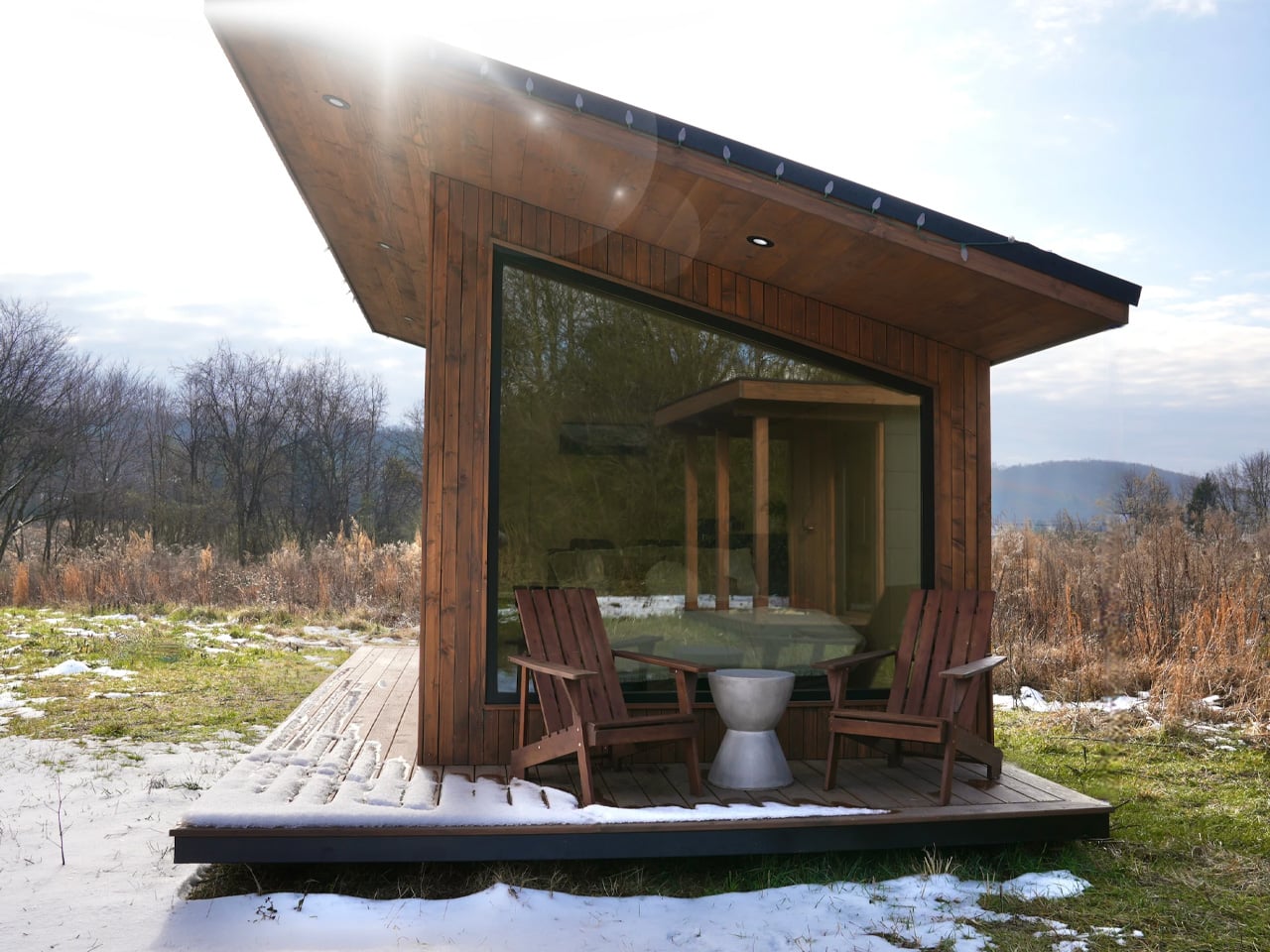
In a world where housing costs continue to soar and living spaces shrink, Dragon Tiny Homes has introduced a game-changing solution that proves bigger isn’t always better. The Sora, their newest and most compact model, is making waves in the tiny home community by packing an impressive array of features into just 16 feet of living space.

At 135 square feet, the Sora challenges conventional thinking about what constitutes livable space. This ultra-compact tiny home on wheels demonstrates that thoughtful design can create a functional environment for full-time living, remote work, and even entertaining guests. The journey begins at the glass door entrance, which opens directly onto a surprisingly well-equipped kitchen. The kitchen maximizes every inch with essential appliances, including a full-size fridge/freezer, modern induction cooktop, and functional sink, with additional space allocated for supplementary appliances as needed. The integrated breakfast bar offers intimate dining for two while also serving as extra counter space during meal preparation.

Designer: Dragon Tiny Homes

Intelligent Layout Design

The Sora’s genius lies in its strategic zoning of living spaces. Adjacent to the kitchen, the living room creates an open, airy atmosphere through generous glazing that floods the space with natural light. The comfortable sofa bed serves dual purposes, providing everyday seating while accommodating two overnight guests when needed. Climate control is achieved through a mini-split air-conditioning system, complemented by a ceiling fan, ensuring year-round comfort regardless of the weather conditions.

Tucked cleverly under the staircase, a small desk creates a dedicated home office space, perfectly positioned for remote work without interfering with the main living areas. This thoughtful placement demonstrates how vertical space can be maximized in micro living environments.

Complete Living Essentials

Despite its compact footprint, the Sora doesn’t compromise on essential amenities. The bathroom, positioned opposite the living room, efficiently incorporates a full shower, sink, and flushing toilet within its compact design. This layout ensures privacy while maintaining the home’s open flow concept.

The bedroom occupies the loft space, accessed via the staircase that doubles as storage integration. While featuring the typical low ceiling found in loft bedrooms, the space comfortably accommodates a double bed alongside built-in storage solutions, proving that even sleeping quarters can be both cozy and functional.

Exceptional Value Proposition

Perhaps most compelling is Sora’s price point. Currently available at a special inventory price of $39,750, down from the regular $45,000, this tiny home offers an accessible entry point into homeownership. For comparison, this price represents less than a typical down payment on a traditional home in most markets.

The move-in-ready status eliminates the lengthy construction wait times often associated with custom tiny homes. This immediate availability makes the Sora particularly attractive to those looking to transition quickly into tiny living or investors interested in rental property opportunities.

The post This 16-Foot Tiny Home Packs A Full Kitchen, Office, & Bedroom For Under $40K first appeared on Yanko Design.
Water purifier and ice maker in one is space-saving and single-touch convenient

Par : Ida Torres
11 septembre 2025 à 17:00

VLND has introduced a sleek appliance that combines two kitchen staples into one compact unit: a water purifier and an ice maker. Designed for modern homes where countertop space is at a premium, the device delivers hot, cold, and filtered water along with clear, clean ice with just a single press of a button. Its streamlined appearance and intuitive controls make it a practical addition for anyone who wants reliable hydration and ice without cluttering the kitchen.

The first thing that catches the eye is the minimalist front panel. A square box rests on a smooth surface, echoing the image of an ice cube floating on gently rippled water. This visual cue is more than decorative; it reinforces the product’s core promise of pure water and pristine ice. The divided face of the unit creates an optical illusion that the machine is smaller than it actually is, helping it blend seamlessly into tight spaces such as narrow countertops, pantry shelves, or even office break rooms.

Designer: VLND Studio

Inside the compact shell lies a sophisticated filtration and ice‑making system. Despite the advanced technology, VLND has stripped away any unnecessary components, resulting in a clean layout with only a few essential buttons. Each button is distinctly labeled and produces a unique audible click when pressed, allowing users to confirm their selection without looking. This sound‑based feedback is especially useful in busy environments where a quick glance at the panel might be inconvenient.

Operation is straightforward. A single touch dispenses hot water for tea or coffee, cold water for instant drinks, and filtered water for cooking or drinking straight from the tap. For ice, the same touch releases a batch of crystal‑clear cubes that have been formed using purified water, ensuring that the ice is free from off‑flavors or impurities. The system’s temperature controls are calibrated to work efficiently year‑round, providing hot water in winter and refreshing cold water or ice during the summer months.

Maintenance has also been simplified. The removable water tank and ice storage compartment can be taken out for cleaning without the need for specialized tools. The filter replacement indicator alerts users when it’s time to change the cartridge, preventing a drop in water quality and extending the life of the appliance. Because the unit is designed to minimize moving parts, it operates quietly, making it suitable for open‑plan living spaces or office environments where noise can be a distraction.

From a design perspective, VLND’s approach aligns with current trends that favor clean lines, multifunctionality, and sustainability. By merging two essential kitchen appliances, the company reduces the need for separate devices, cutting down on both electricity consumption and countertop clutter. The single‑touch interface encourages users to stay hydrated and enjoy ice without the hassle of juggling multiple machines.

The post Water purifier and ice maker in one is space-saving and single-touch convenient first appeared on Yanko Design.
❌
❌