❌

Vue normale

  • ✇Yanko Design
  • Masa’s Wavy Tray Is Sculpture You Can Actually Serve Snacks On
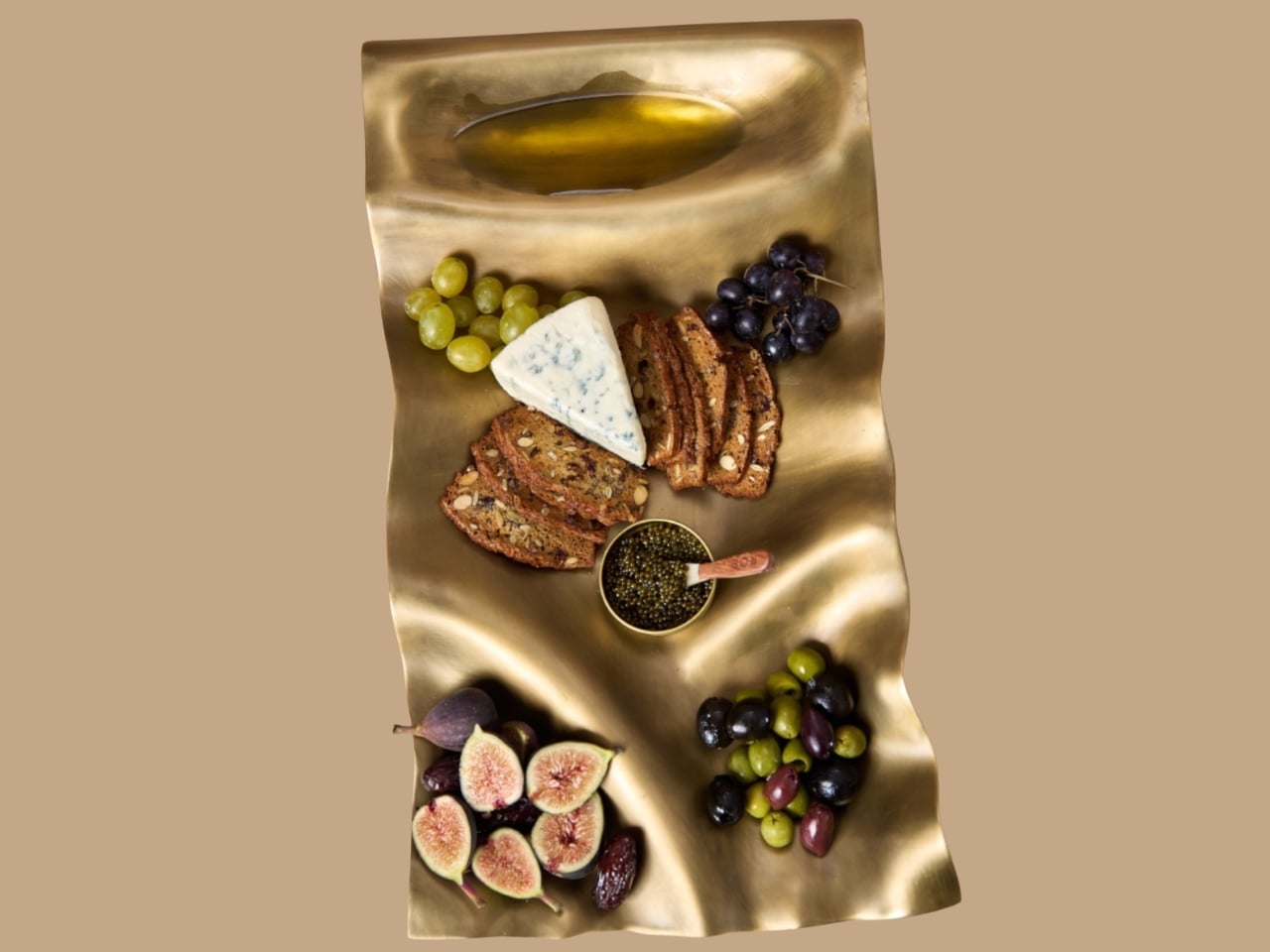
    Six burgers, a pile of fries, and generous spoonfuls of caviar are a pretty good way to explain dumæ’s Masa Tray. In the brand’s photographs, the food sits on a rippling brass surface that looks more like a small sculpture than standard serving ware. I like the slightly ridiculous pairing. It also makes the tray’s purpose clear: give dinner a visually interesting home without adding a separate decorative centerpiece. Designed by Los Angeles brand dumæ and handcrafted in India, Masa addresses th
     

Masa’s Wavy Tray Is Sculpture You Can Actually Serve Snacks On

20 octobre 2026 à 09:20

Six burgers, a pile of fries, and generous spoonfuls of caviar are a pretty good way to explain dumæ’s Masa Tray. In the brand’s photographs, the food sits on a rippling brass surface that looks more like a small sculpture than standard serving ware. I like the slightly ridiculous pairing. It also makes the tray’s purpose clear: give dinner a visually interesting home without adding a separate decorative centerpiece.

Designed by Los Angeles brand dumæ and handcrafted in India, Masa addresses that familiar divide between the serving pieces you use and the decorative objects you leave out. Its project description says the brass tray is finished to be food-safe, allowing it to move between both roles. The appeal is having one substantial object that doesn’t need to disappear when everyone finishes eating.

Designer: dumæ

The starting point is the movement of waves, translated into broad rises and shallow dips rather than a literal seashell outline. IADA’s announcement traces the reference to Point Dume, the stretch of coast where dumæ founder Kym Gold grew up. I appreciate that the backstory isn’t required reading. Even without knowing the geography, you can see how the curves break up what could otherwise be a rather stern metal rectangle.

In the close-up photographs, light collects along the higher ridges while the depressions fall into softer shadow. That gives the surface a sense of movement even when it’s covered with crackers and grapes. The edges rise and dip with the rest of the form, so the shape feels continuous rather than decorated afterward. To my eye, that’s the strongest design decision here. The visual interest comes from the tray itself, without needing a pattern applied on top.

Those undulations also deserve a practical look. A sculpted surface offers a different proposition from a flat platter, particularly if you’re arranging small bowls or setting down glasses. I’d treat Masa primarily as a tabletop serving piece rather than assume it’s the ideal tray for carrying drinks across a room. The photographs make a convincing case for loosely arranged food. They don’t establish how securely every vessel would sit, and the distinction matters when the surface is this expressive.

The handcrafting adds another layer. According to the announcement, small differences in form and finish occur from piece to piece. That feels appropriate for a design built around irregular movement; perfect repetition would almost work against the idea. Still, handmade isn’t a performance specification. The individuality is a reason to appreciate the object visually, not evidence that it will resist scratches or survive every kind of use. I’d want the maker’s specific care guidance before treating it as everyday workhorse tableware.

Retail listings put its footprint at approximately 21.5 by 11.5 inches, with a height of 3 inches. That’s worth measuring against your table before imagining a generous spread surrounded by dinner plates. The Happy Kangaroo lists Masa at $595, although it’s marked sold out at the time of writing. At that price, this is a considered decorative purchase with a serving function, and its appeal depends on wanting to see it between meals.

Masa received Platinum recognition in both Kitchen & Dining Room Design and Homewear & Decor at the International Architecture & Design Awards 2026. Those categories neatly reflect its intended overlap: something for the table that can also hold its own elsewhere in the house. The recognition is useful context, though the more persuasive argument is still visible in the photographs: food looks inviting against those broad brass curves.

I’m most persuaded by the burger arrangement. The cheese, figs, and carefully grouped grapes are lovely, but takeout gives the tray a less precious personality. It suggests that owning a sculptural serving piece doesn’t require hosting a perfectly coordinated dinner party. I’d rather see an object like this earn its space under a heap of fries than spend its life waiting for an occasion formal enough to deserve it. The waves are already doing the decorating.

The post Masa’s Wavy Tray Is Sculpture You Can Actually Serve Snacks On first appeared on Yanko Design.
  • ✇Yanko Design
  • The Tinde Tiny House Gives Its Covered Porch a Dramatic A-Frame Roof
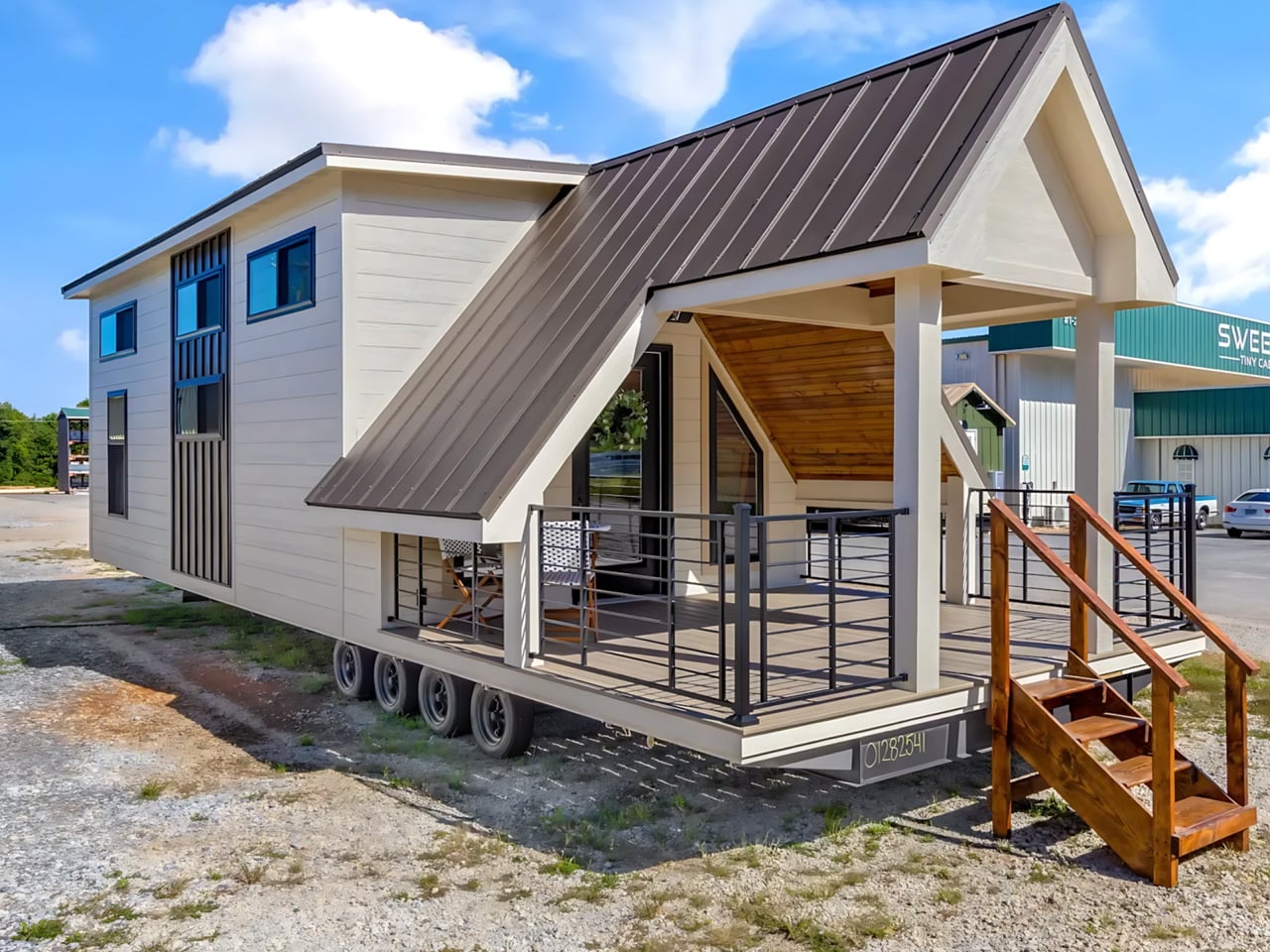
    The Tinde’s most distinctive space sits outside its front door. A steeply pitched roof stretches over a generous covered porch, giving this tiny house the entrance of a woodland cabin. Built by South Carolina’s Sweet-Haus Tiny Cabin Company, the customizable park model measures 48 feet long and 14 feet wide, with a main-floor bedroom, a loft, and a flexible bonus room. That porch gives the home a place to spread out without enclosing every available inch. In the photographed build, pale siding
     

The Tinde Tiny House Gives Its Covered Porch a Dramatic A-Frame Roof

19 octobre 2026 à 19:30

The Tinde’s most distinctive space sits outside its front door. A steeply pitched roof stretches over a generous covered porch, giving this tiny house the entrance of a woodland cabin. Built by South Carolina’s Sweet-Haus Tiny Cabin Company, the customizable park model measures 48 feet long and 14 feet wide, with a main-floor bedroom, a loft, and a flexible bonus room.

That porch gives the home a place to spread out without enclosing every available inch. In the photographed build, pale siding and dark railings frame the deck, while wood lining beneath the roof brings warmth to the entrance. The unusually sharp roofline dominates the front elevation, with a taller, more conventional volume rising behind it to accommodate the interior’s upper level.

Designer: Sweet-Haus Tiny Cabin Company

Inside, the extra width allows a living room furnished with a sofa, coffee table, and separate armchair. A built-in counter with stool seating provides a spot for meals or laptop work without introducing another freestanding table. The arrangement leaves the central floor comparatively open, an important distinction in a home where the living area also handles circulation between the entrance and kitchen.

The kitchen gathers an oven, four-burner propane cooktop, microwave, and refrigerator into a compact working area, supported by overhead and lower cabinetry. Farther back, the bathroom includes a bathtub and shower combination, vanity, and flushing toilet. A separate bedroom keeps the primary sleeping space downstairs, so occupants don’t have to climb to the loft every night. That makes the upstairs accommodation an option rather than a daily obligation.

The bonus room offers the most consequential choice in the floor plan. Sweet-Haus lists potential uses including bunks, laundry, an office, or storage, allowing buyers to prioritize the activity that would otherwise crowd the main living space. The company says the bedroom, loft, and bonus room can accommodate up to six sleepers, depending on configuration. That’s sleeping capacity, rather than six equally private bedrooms.

There are useful distinctions between the available configurations. The bonus room comes as an open space, with single upper-bunk and double-bunk arrangements listed as upgrades. Bathroom options include a tub-shower or a walk-in shower without an upcharge. These decisions matter more than a paint selection: each changes how the limited interior can serve a household, particularly when guests, laundry, and working from home compete for space.

Sweet-Haus currently lists a starting price of $131,000 for the Tinde, while its options page identifies the dramatic A-frame roof as a $15,000 upgrade. Buyers should distinguish the photographed cabin from the base specification. Its appeal is clear: the design devotes substantial space to gathering, indoors and out, while leaving one small room available for whatever the household needs most.

The post The Tinde Tiny House Gives Its Covered Porch a Dramatic A-Frame Roof first appeared on Yanko Design.

❌