Vue normale

Il y a de nouveaux articles disponibles, cliquez pour rafraîchir la page.
À partir d’avant-hierFlux principal

5 Over-Ear Headphones That Look as Good When They’re Around Your Neck as When They’re on Your Head

2 mai 2026 à 11:40

The headphone has become something it was never originally designed to be: a silhouette. Worn around the neck on a subway platform or draped over a chair at a coffee shop, a great pair of over-ears communicates taste in much the same way a watch or a well-chosen bag does. The best ones are now designed with that resting moment in mind, not as an afterthought, but as a deliberate part of the brief.

What separates a good headphone from a great one is increasingly less about frequency response and more about how the object behaves when it’s not in use. The five pairs on this list earn their place on both counts. Worn on the head, they deliver. Worn around the neck, they still look like they were built by people who thought carefully about that exact resting moment, collarbone and all.

1. StillFrame Headphones

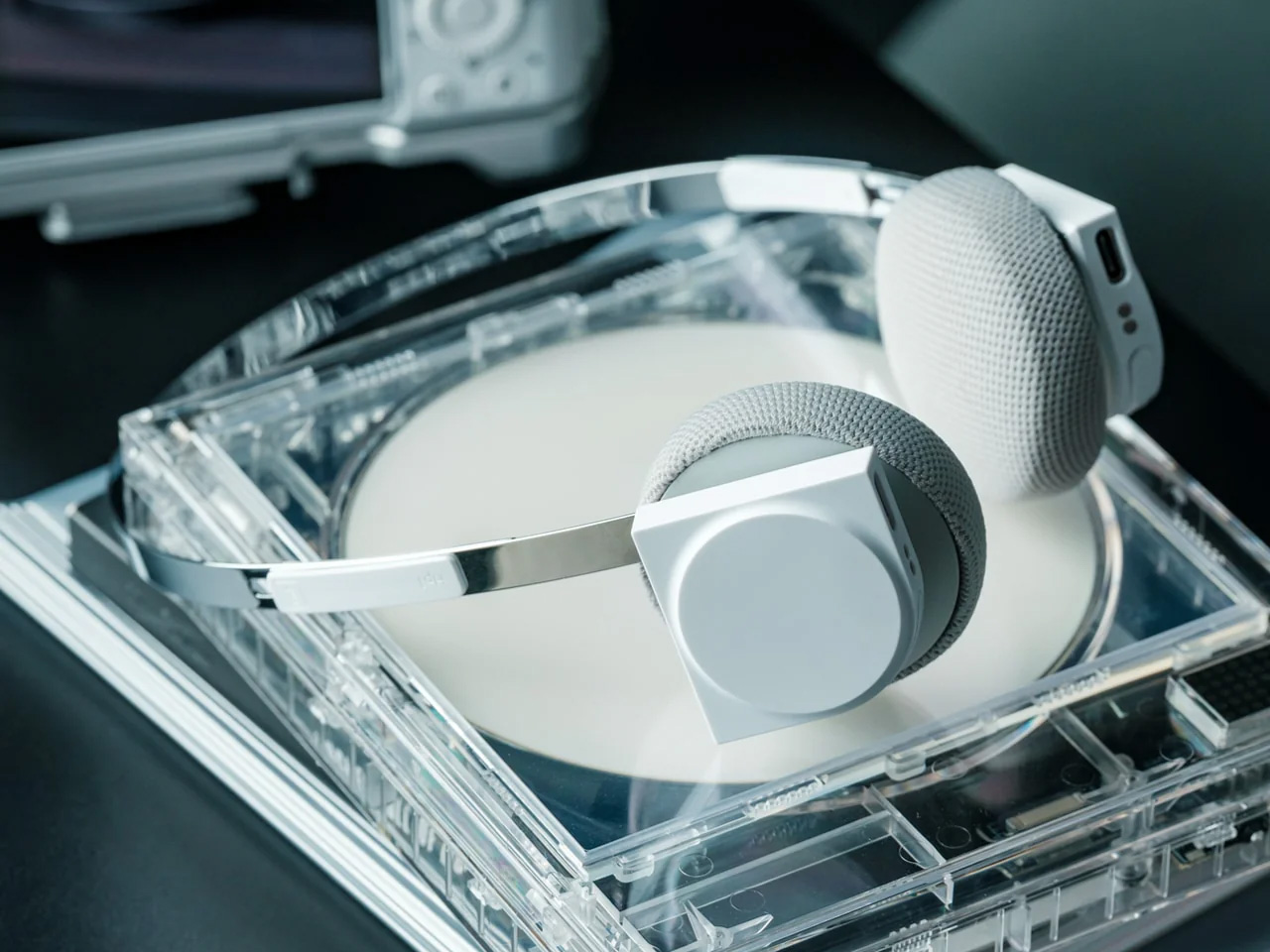
Most headphones achieve lightness by sacrificing material quality somewhere along the way. StillFrame achieves it by rethinking the entire structure from scratch. At 103 grams, it sits on your head with the kind of effortless presence most pairs spend an entire product page trying to claim. The ultra-minimal design, clean lines, no exposed hardware, and no decorative flourish anywhere on the frame is the kind of restraint that reads as confidence rather than budget constraint.

Around the neck, StillFrame does what minimal design always promises and rarely delivers: it disappears into your outfit rather than competing with it. The 24-hour battery means you’ll reach for these in the early morning and still have charge well into the evening without thinking about a cable. For anyone who wants headphones that age well, that look as right in three years as they do today, this is where the search ends.

Click Here to Buy Now: $245.00

What We Like

  • At 103 grams, this is one of the lightest over-ear headphones available without any sacrifice in build integrity, and the weightlessness is felt the moment you put them on
  • A 24-hour battery life means this pair genuinely runs from morning to night on a single charge, removing the low-battery anxiety that comes with most wireless headphones on the market

What We Dislike

  • Minimal colorway options are a direct consequence of the same design restraint that makes the StillFrame look this considered, and that trade-off is real and visible
  • With so little on the frame to grab visual attention, this pair asks you to commit fully to its design language, which rewards patience but does not suit every aesthetic

2. Meze Audio Strada

Romanian audio atelier Meze has spent two decades treating headphones as craft objects, and the Strada makes that philosophy fully explicit. Hand-carved walnut and ebony ear cups, each unique in grain and tone, sit alongside a magnetic ear pad system that snaps on and off cleanly, making them the first pair that genuinely anticipates its own aging. The leather headband drapes naturally against the collarbone. At $799, you’re investing in the idea that daily objects deserve this level of material care.

Worn around the neck, the Strada does something genuinely rare: it makes you look considered rather than plugged in. Those hand-carved wood cups catch light in a way that aluminum never quite manages, and the closed-back design delivers warmth and isolation without the clinical precision of most audiophile gear.

What We Like

  • The hand-carved wood ear cups make every unit genuinely one-of-a-kind, an unusual distinction in a product category that typically prizes consistency and uniformity above everything else
  • The magnetic ear pad system solves a real longevity problem that most headphone manufacturers still choose to ignore, making the Strada feel genuinely built for the long term from the start

What We Dislike

  • The warm, closed-back tuning leans toward intimacy over accuracy, which won’t satisfy listeners who prefer a flat, analytical sound profile for critical or reference listening sessions
  • No active noise cancellation at $799 is a deliberate aesthetic choice, but it will not suit everyone who regularly listens in open, noisy, or busy urban environments

3. Bang & Olufsen Beoplay H95

 Bang & Olufsen has been designing objects that make a room better simply by existing in it since 1925. The Beoplay H95 carries that logic to your ears. Brushed aluminum arcs support lambskin ear cushions with the quiet authority of something that was never trying to impress anyone. Custom 40mm titanium drivers deliver an expansive, unhurried soundstage, and 38 hours of battery life with ANC active means you rarely need to think about charging. At $1,250, it reads as inevitable rather than expensive.

Around the neck, the H95 makes its strongest case. The slim profile rests cleanly against the collarbone, the aluminum catches light without glare, and the lambskin ages into something better than what you started with. Vogue Scandinavia named it the headphone that pairs best with the softest cashmere roll-neck and a cocooning wool coat, which is not exactly a mid-range endorsement. The tactile control dial and hard carrying case complete the picture of a brand that hasn’t needed to shout for a century.

What We Like

  • Lambskin ear cushions and brushed aluminum give the H95 a material quality that makes every other pair on this list look like it is working a little harder to impress you
  • 38-hour ANC battery life is class-leading and genuinely difficult to match at any price point, making this the pair most likely to outlast a long-haul journey without any hesitation

What We Dislike

  • At $1,250, this is a significant investment for a product category where $400 already delivers very strong audio performance from multiple well-regarded and respected manufacturers
  • The control dial is elegant but carries a subtle learning curve that takes several days of regular use to feel completely intuitive and second-nature in the hand

4. Bowers & Wilkins Px8 S2

The Px8 S2 looks like it was designed by someone who spent too much time around luxury automobiles and not enough time worrying about what people thought. Diamond-quilted Nappa leather ear cups sit inside angular aluminum driver housings that don’t apologize for taking up space. Bowers & Wilkins built their reputation on speaker cabinets in British living rooms, and that obsession with material quality is fully present in the Px8 S2. At $799, it’s the most visually assertive pair on this entire list.

Worn on the head, the 40mm Carbon Cone drivers deliver a focused sound that rewards careful listening. Worn around the neck, the quilted leather and aluminum geometry create a silhouette that reads closer to jewelry than consumer electronics.

What We Like

  • The diamond-quilted Nappa leather ear cups are a genuinely distinctive design move that no other headphone brand at this price point is executing with this level of craft and conviction
  • 40mm Carbon Cone drivers bring the kind of focused sound detail that makes streaming audio feel like it might be holding something back, consistently rewarding attentive listeners on every session

What We Dislike

  • The angular form does not fold into a compact carry position, making the included case noticeably bulkier than most direct competitors when packed into a bag for daily commuting use
  • The firm clamping force is necessary for the acoustic seal, but it makes itself felt during extended listening sessions, which matters for anyone who wears headphones for several consecutive hours at a time

5. Sonos Ace

Sonos spent two decades being the most thoughtfully designed speaker company in the world before ever touching headphones. The Ace is what happens when a brand famous for restraint and material quality finally commits to an entirely new product category. Stainless steel arms, memory foam ear cushions, and a clean form in Midnight or White carry the same quiet authority as Sonos’s best home equipment. At $449, it sits below the B&O and B&W while fully matching them on design character and material coherence.

What makes the Ace genuinely stand out is what you don’t notice: no visible seams on the headband, no mismatched materials, no hardware that apologizes for itself. Active noise cancellation and a 30-hour battery complete a pair that wears as well around a neck as it sounds through the drivers, making it the most versatile pick on this list.

What We Like

  • The material cohesion across every surface, every finish, and every seam speaks one consistent and considered design language, which is an unusually disciplined achievement at the $449 price point
  • Active noise cancellation combined with a 30-hour battery puts the Ace ahead of most competitors on the two specifications that matter most for daily and travel listening

What We Dislike

  • The body is predominantly high-quality plastic rather than metal, which is a material trade-off that some buyers will feel at this price point relative to the B&O and B&W alternatives
  • Head-tracking spatial audio is most effective when paired with a Sonos home speaker system, limiting the feature’s full appeal for listeners who don’t already own Sonos hardware at home

The Best Headphones Are the Ones You Never Want to Take Off

What all five of these pairs share is a seriousness of intent that goes well beyond frequency response. They were built by companies that think about how objects live in the world, not just during a listening session, but on a train platform, at a desk, hanging around a neck. That’s a harder problem to solve than noise cancellation, and the brands that crack it tend to stay relevant far longer than those that don’t.

The range here runs from $449 to $1,250, but the price gaps matter less than they appear at first. What you’re really choosing between is design language: Romanian craft warmth, Scandinavian restraint, British precision, speaker-first material thinking, or clean minimalism that genuinely disappears. Any of these pairs earns the right to hang around your neck. The question is which one earns it in a way that feels made for how you actually move through the world/

The post 5 Over-Ear Headphones That Look as Good When They’re Around Your Neck as When They’re on Your Head first appeared on Yanko Design.
Apple Turns 50, and Its Most Ambitious Phone Hasn’t Even Launched Yet — 5 iPhone Fold Concepts

1 avril 2026 à 01:45

On April 1st, 2026, Apple turns 50. For a company that has spent half a century rewriting the rules of consumer technology, the milestone deserves something genuinely transformative. The Macintosh redefined personal computing. The iPod gave an entire generation a new relationship with music. The original iPhone, unveiled in 2007, combined a phone, a music player, and the internet into a single glass rectangle and made every competitor look outdated overnight. The iPhone Fold is real, and it’s coming.

Leaks from early 2026 paint a detailed picture: a book-style foldable powered by the A20 Pro chip on a 2nm process, backed by a 5,500mAh battery, with a 7.8-inch creaseless OLED inner display and a 5.5-inch outer screen. Pricing is expected to start around $2,400, and while a September announcement seems likely, most analysts believe shipments may not begin until December. Designers, modders, and concept artists have spent years filling the void with their own visions of a folding iPhone, each carrying a distinct theory about what Apple should prioritize. These five concepts map the full range of that imagination and capture exactly how much is riding on the real thing.

1. iPhone iFold by Michal Dufka — The Clamshell That Makes Sense

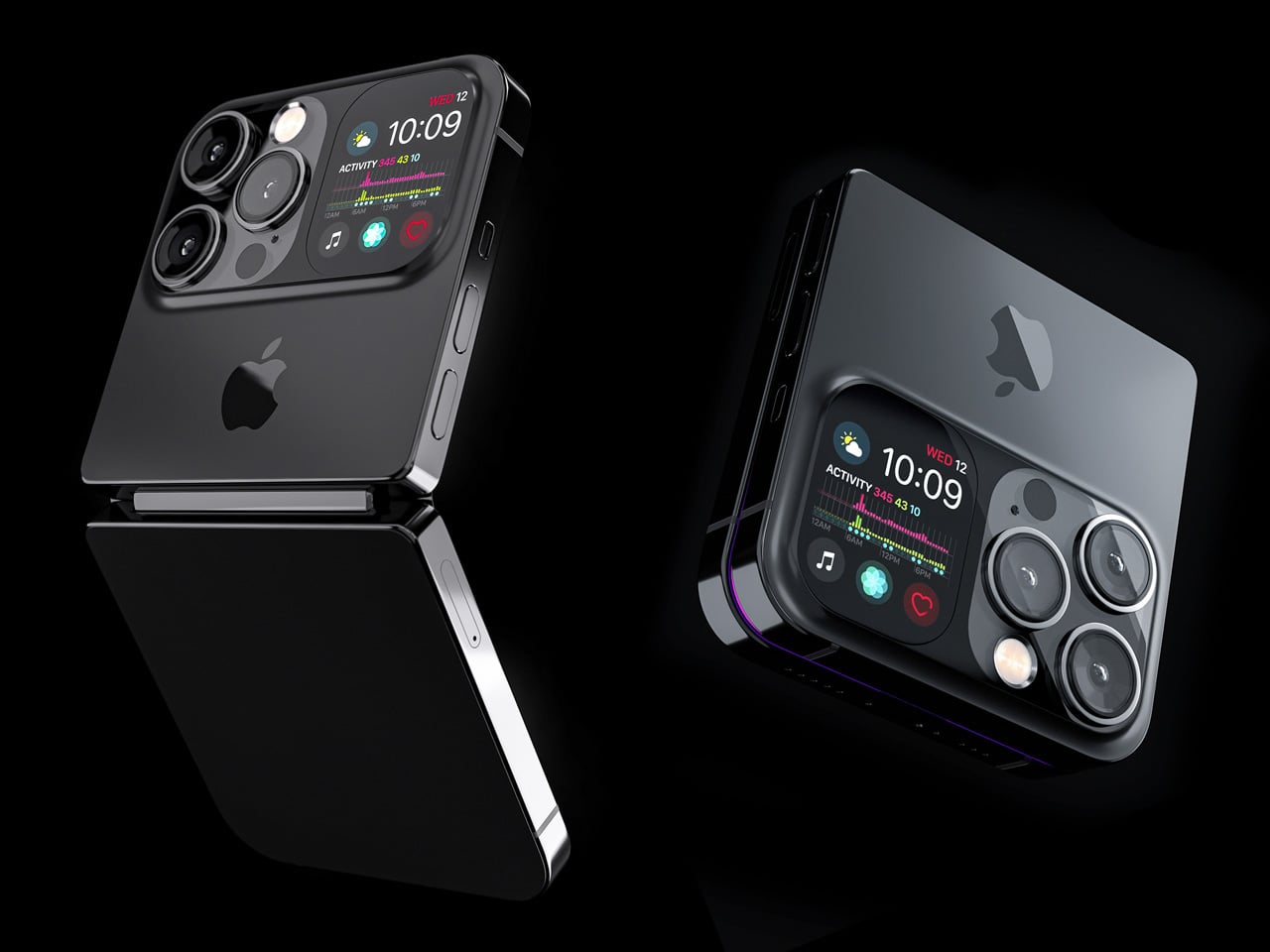
Designer Michal Dufka’s iPhone iFold is built on restraint. Rather than reinventing the iPhone’s entire identity, it applies a clamshell fold to the form factor people already love, drawing direct inspiration from the MotoRAZR and Samsung Galaxy Z Flip. The phone closes into a compact, pocketable square and opens into a full iPhone experience with a generously large display. For anyone who has quietly missed a phone that actually fits in a jeans pocket, this concept speaks to that feeling.

What sets the iFold apart is the secondary display placed beside the camera bump. When the phone is closed, that smaller screen surfaces notifications, time, and essential stats without requiring you to open the device at all. It functions almost like an Apple Watch built into the back of the phone. With Apple’s always-on display technology mature enough for this kind of ambient use, the dual-display setup feels less like speculation and more like a logical next step.

What We Like

  • The secondary display mirrors Apple Watch notification behavior, making glanceable information genuinely useful without ever opening the phone
  • The clamshell format makes the iPhone pocket-friendly for the first time in years without sacrificing screen size when it matters

What We Dislike

  • The clamshell form limits overall screen real estate compared to the expanded tablet surface that a book-style foldable provides
  • Hinge durability over sustained daily use is entirely unexplored here, and it remains the most critical engineering question for any clamshell design

2. iPhone Fold Ultra by 4RMD — When the Specs Match the Ambition

Design studio 4RMD’s iPhone Fold Ultra is grounded in credibility. Built directly from reported leaks rather than pure creative license, the concept presents a book-style foldable with dual 48MP rear cameras, a 24MP ultra-wide front camera, and the A20 Pro chip running on a 2nm process. Three color options appear across the renders: White, Black, and Deep Purple. At an estimated $2,299, this concept sits at the very top of Apple’s lineup with total conviction.

That Deep Purple colorway deserves its own moment. It is a deliberate callback to the iPhone 14 Pro’s most celebrated finish, and it lands differently on a book-style foldable. Something about that color on a device this ambitious reads as genuinely luxurious, the kind of finish that reframes a $2,299 price tag from a shock into a statement. 4RMD clearly understands Apple’s visual grammar, and this concept shows what happens when research and aesthetics share the same design space.

What We Like

  • Specs pulled from verified leaks give this concept real credibility, making it feel like a preview of what is actually coming rather than pure speculation
  • The Deep Purple colorway is a smart, crowd-pleasing callback to one of Apple’s most recognized and beloved finishes

What We Dislike

  • The “Ultra” label sets an expectation that demands exceptional build quality, and no concept can fully address whether the real device will deliver on that promise
  • Crease visibility across the inner display remains unaddressed, which continues to be the most persistent criticism of every book-style foldable on the market

3. iPhone Fold by Svyatoslav Alexandrov — The One That Replaces Two Devices

Svyatoslav Alexandrov’s iPhone Fold concept, created for the YouTube channel ConceptsiPhone, thinks in bigger terms than anything else on this list. Starting as a standard smartphone with a 6.3-inch outer display, it unfolds into a squarish 8-inch tablet that sits clearly in iPad Mini territory. This is not a phone with a bonus screen bolted on. It is a device designed to make carrying both an iPhone and an iPad feel genuinely redundant.

Alexandrov replaces Face ID with a full-display Touch ID fingerprint sensor, keeping the front notch minimal and clean. The rear carries the iPhone 12 Pro’s complete camera array: wide, ultra-wide, telephoto lenses, a LiDAR scanner, and flash. MagSafe compatibility and 5G readiness are already confirmed in the concept, adding meaningful weight to its productivity pitch. Whether the device supports the Apple Pencil is left open, but given an 8-inch inner display, its absence would feel like a missed opportunity.

What We Like

  • The full-display Touch ID is a clean and creative solution that keeps the front uncluttered while solving Face ID’s known complications on foldable form factors
  • The iPad Mini-sized inner screen makes a practical, real-world case for consolidating two devices into one without any meaningful compromise

What We Dislike

  • Removing Face ID eliminates one of the iPhone’s most seamless and trusted authentication features, which most users rely on dozens of times every day
  • Leaving Apple Pencil support unconfirmed weakens what should naturally be this concept’s strongest argument for productivity

4. iPhone Fold by Mechanical Pixel — The Foldable That Doesn’t Actually Fold

Mechanical Pixel’s concept takes the most unconventional approach on this list, and the reasoning is worth understanding. Rather than bending the iPhone itself, the design keeps the main body completely rigid and attaches a separate foldable display to the rear panel instead. The core phone experience remains exactly as people know it, maintaining the familiar dimensions and feel that iPhone users already rely on. That additional screen only enters the picture when a larger surface is specifically needed.

That rear foldable panel sits raised on a platform above the phone’s back, unfolding outward into a larger, squarish tablet surface when required. The layered profile is clearly visible from the side, giving the device a deliberately experimental and modular quality. The camera module remains in its standard position, completely unaffected by the additional display layer. The logic is unconventional, but the core argument of preserving the primary iPhone experience from any foldable compromise is genuinely hard to dismiss.

What We Like

  • Keeping the main body rigid entirely sidesteps the crease and long-term hinge durability problems that define every conventional foldable on the market today
  • The modular approach means the everyday iPhone experience is never degraded or compromised by the mechanics of the foldable element

What We Dislike

  • The raised rear platform creates an unrefined, layered side profile that sits well outside anything Apple’s design language has ever produced or endorsed
  • The prototype-like aesthetic makes it very difficult to imagine this direction surviving Apple’s notoriously demanding and detail-oriented product design process

5. iPhone V — The One Someone Actually Built

Every concept on this list exists as a digital render. The iPhone V is different. A YouTuber modder physically dismantled an iPhone X, extracted its internal components, and rebuilt the entire device inside a Motorola Razr chassis. The result is a working, folding iPhone that runs real iOS, carries a Retina-quality display, and folds in half like a classic flip phone. As a proof of concept, it is extraordinary. As a finished product, every question comes flooding in.

What makes the iPhone V genuinely compelling is not fit, finish, or polish, because it has none in any conventional sense. It is the straightforward fact that someone cared enough to prove the idea could actually work using parts that already exist. The folding mechanism and device thickness still need serious refinement. A working clamshell iPhone running authentic iOS is, in the end, a more persuasive argument for this form factor than any polished render has managed to be.

What We Like

  • The iPhone V is the only entry on this list that is fully functional, running real iOS inside an actual working clamshell device
  • Its physical existence proves the clamshell iPhone concept is viable using genuine Apple hardware, well beyond anything a render can demonstrate

What We Dislike

  • The repurposed Motorola Razr chassis produces a build that falls far short of consumer-grade fit, finish, and structural refinement
  • Hinge mechanism quality and overall device thickness remain significant engineering challenges that the mod cannot resolve, and they are exactly what Apple needs to solve

The Concepts That Made the Wait Worthwhile

Fifty years in, Apple is still the company that makes you wait. The iPhone Fold concepts here are not just exercises in creative imagination — they are a record of what designers and makers have been asking for, year after year. Some nailed the form factor. Others got the specs exactly right. A few did both. Together, they have shaped the entire conversation around a device that already feels utterly inevitable.

When the real iPhone Fold arrives, it will be measured against each of these visions. That is the power of concept design — it sets the bar before the product ships. Apple turning 50 while holding back its most ambitious device is pure theater. The design community has been writing this script for years. The only question is whether the real thing can live up to what the imagination has already built.

The post Apple Turns 50, and Its Most Ambitious Phone Hasn’t Even Launched Yet — 5 iPhone Fold Concepts first appeared on Yanko Design.
The 5 Best Furniture Designs of March 2026

25 mars 2026 à 11:40

March brought the kind of furniture that doesn’t need to announce itself. A student chair that shifts between sitting and lounging through physics alone. A coffee table whose legs look like they’re caught mid-step toward the door. A stool that opens from flat with a single press and no tools required. An office system built to reconfigure whenever the day asks for something different. A footstool that handles posture quietly, without making it your problem to manage.

What connects these five pieces isn’t a shared material or a shared aesthetic. What connects them is the absence of excess. Each one solves something real, and each one does it without layering on complexity to get there. That kind of restraint is harder to land than it looks. Most furniture design in 2026 is reaching for the new, for the bold, for the statement piece. These five reach for the right answer instead, and find it.

1. Tilt Chair

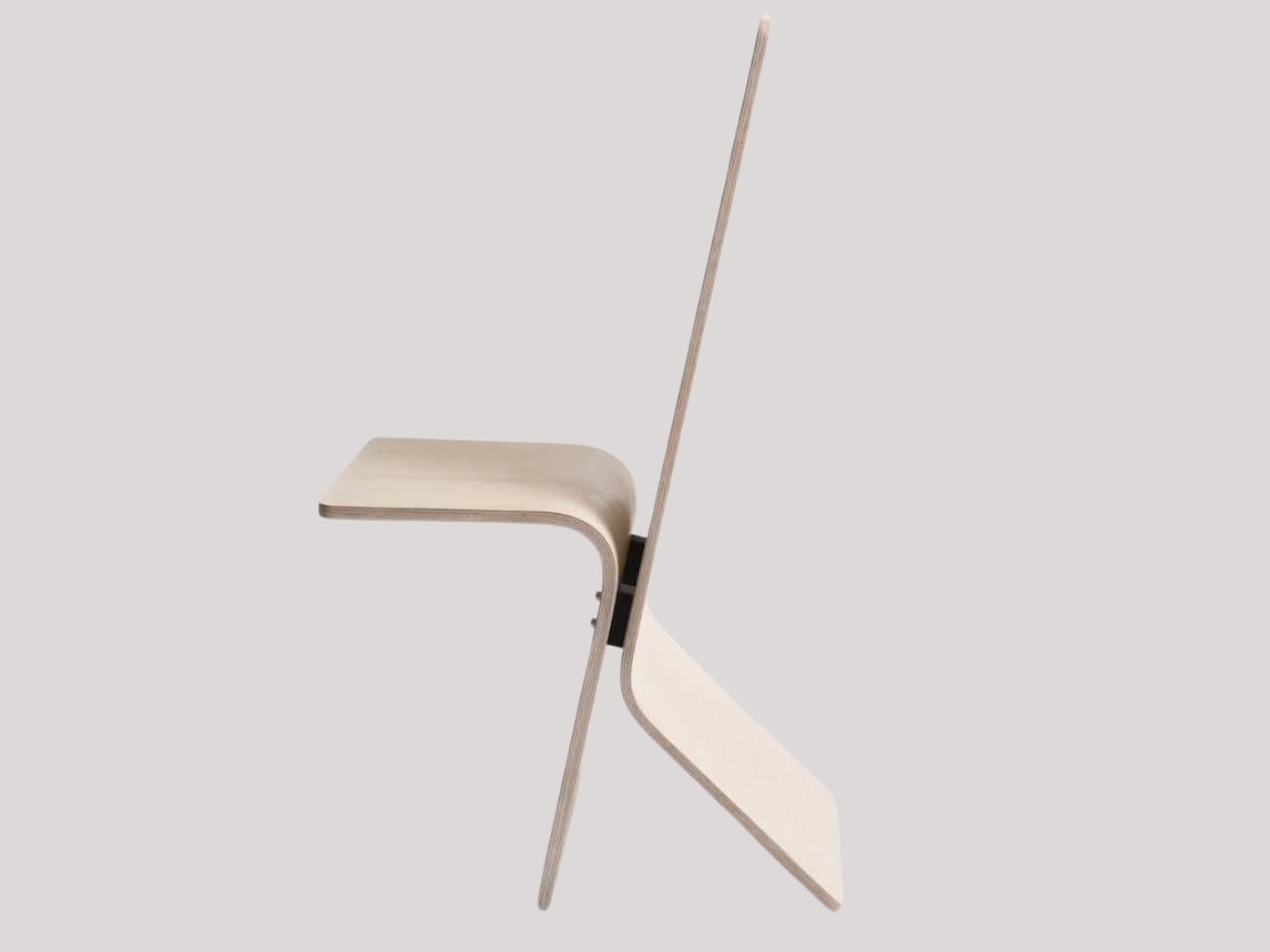
Manuela Hirschfeld is an industrial design student at Germany’s Hochschule Pforzheim, and her Tilt chair does exactly what the name suggests. Built from bent plywood, it shifts between upright and reclined with a single forward tilt. No levers, no hardware, just physics and balance. The restraint here is rare for student work. Most student designs reach for the complex or the speculative. Tilt strips everything back until the idea stands entirely on its own.

What makes it genuinely useful is how naturally it handles the shift between focused work and winding down. Most chairs make you choose one mode and stay there. Tilt lets your body make that call instead. Lean it forward, and the geometry changes. The bent plywood keeps it light and easy to move, so it works as well in a small apartment as it does in a studio or home office.

What We Like

  • No mechanical parts means nothing to replace or service over time
  • Dual function in a single lightweight form, no extra hardware needed

What We Dislike

  • The minimal plywood aesthetic may feel too sparse for warmer, more layered interiors
  • May not offer enough firm back support for users who need a fixed, stable position

2. Barefoot Collection

The Barefoot Collection started with a single image: a coffee table that looks like it’s walking away. The legs are carved from solid wood to simulate the arc and flex of a bare foot mid-step, while the tabletop stays completely flat and rectilinear. Stillness above, motion below. That contrast is the whole point, and it works better than it has any right to. The piece reads as coherent long before it reads as clever.

What you actually get is a coffee table that functions without apology and sparks a real conversation without ever trying to. Set a cup on it and forget the concept entirely. Then a guest walks in, does a double-take, and suddenly the room is talking. Most concept-led furniture exhausts you after a few weeks. Barefoot earns its place by being genuinely useful first and genuinely interesting second. That’s always the right order.

What We Like

  • Solid wood construction gives it real longevity, well beyond its visual appeal
  • Works as a fully functional surface while quietly holding a strong point of view

What We Dislike

  • The sculpted legs make it difficult to pair with more conventional, straight-lined furniture
  • The level of craft involved likely puts it at a higher price point

3. Press Stool

The Press Stool borrows its structural logic from folded paper. A flat sheet has no load-bearing strength, but fold it, and the forces redistribute across the geometry. Crease it further, and the form resists compression. That principle does all the work here. In its flat state, it collapses into a wide oval with a crinkled metallic silver surface that lands somewhere between industrial foil and fabric. One press and it opens. No legs, no bolts, no tools.

For anyone in a small apartment, it solves a storage problem while putting something worth looking at in the room. It ships flat, weighs little, and can slide under a bed or lean against a wall when it isn’t needed. Most fold-flat furniture looks like a compromise. The Press Stool looks intentional. The crinkled surface and gathered folded ends give it a presence that holds up even when it’s closed.

What We Like

  • Ships and stores completely flat, ideal for smaller homes and tight living spaces
  • No assembly required, the folded form does all the structural work

What We Dislike

  • The metallic silver finish is a strong statement that won’t suit every interior palette
  • Load capacity may be more limited compared to stools with conventional structural frames

4. Kylinc Modular Office System

Kylinc treats the workspace like something that should change whenever the day asks it to. Each piece rolls on oversized wheels, which makes reconfiguring your office feel genuinely effortless rather than theoretically possible. Push pieces apart for a collaboration zone, pull them together for focused work. Power management is built directly into the furniture, with smart cable organization that keeps surfaces clean without any additional accessories to track down or manage.

The benefit shows up most for people working from home across a day that never asks the same thing twice. A static configuration works well some of the time and poorly the rest. Kylinc changes that without requiring much effort, which is the real difference between a system that actually gets used and one that stays fixed out of habit. The built-in cables move with the furniture. Your layout becomes something you actually control.

What We Like

  • Oversized wheels make real reconfiguration effortless, not just possible on paper
  • Integrated power and cable management keep the workspace clean without extra accessories

What We Dislike

  • Rolling furniture may feel less stable than fixed pieces for users who prefer an anchored setup
  • A full modular system likely carries a significantly higher upfront cost than standard office furniture

5. OTTO Footstool

OTTO takes its name from the Korean roly-poly toy Ottogi, a round-bottomed figure that always rights itself because of its convex base. Designer Woonghee Ma applied that same logic to a footstool. The convex base means it rocks and shifts as your body moves throughout a long sitting session. No adjustment needed, no settings to configure. You shift weight, the stool moves with you, and that’s the whole mechanism.

For a home office that needs to support you without making a production of it, OTTO is exactly right. Most ergonomic products demand your attention to work. OTTO doesn’t. The passive rocking base handles posture support quietly while you stay focused on everything else. It also looks good, which matters more than it might seem for something you’ll look at every working day. Clean, compact, and entirely unpretentious about what it is.

What We Like

  • Passive rocking base provides ergonomic support through natural weight shifts, no settings required
  • Compact and well-proportioned, it works equally well in home and professional office settings

What We Dislike

  • The rocking motion may feel unfamiliar at first for users accustomed to fixed support
  • May not suit very low seating arrangements where foot elevation isn’t part of the setup

March Didn’t Make a Noise. It Made a Point.

What connects these five pieces isn’t an aesthetic or a material. It’s restraint. A chair that changes mode with one gesture. A table that earns its concept by being useful first. A stool that ships flat and opens in a second. A workspace that adapts without asking for your help. A footstool that supports you without ever drawing your attention to the fact that it’s doing so. That quiet confidence is what good design actually looks like in practice.

Most design coverage this month was busy chasing the big swing. The sculptural statement, the unexpected material, the idea that needs a paragraph of explanation before it lands. What these five pieces share is something quieter. They ask less of you. They make their case by fitting into your life rather than reshaping it around themselves. March didn’t produce the loudest furniture of the year. It produced some of the most considered. That’s always the better result.

The post The 5 Best Furniture Designs of March 2026 first appeared on Yanko Design.
5 Best Desk Accessories That Turn Your Workspace Into a Minimalist Studio

19 février 2026 à 12:40

Your desk says more about you than you think. It isn’t just a surface—it’s a quiet reflection of how you work, how you think, and how seriously you take the space where ideas are born. The minimalist studio aesthetic isn’t about stripping everything bare; it’s about choosing objects that genuinely earn their place. Every piece should serve a purpose and feel entirely deliberate. A considered desk doesn’t just organize—it inspires.

From gravity-defying pens to waterproof notebooks built to outlast everything you throw at them, the design world is quietly rethinking what it means to be at your desk. This list gathers five accessories that don’t just look good—they change how you work. Whether you’re a freelancer building a mobile studio, a creative professional craving calm, or someone who simply believes tools should match the quality of their thinking, these picks deliver.

1. Levitating Pen 2.0: Cosmic Meteorite Edition

The Levitating Pen 2.0 Cosmic Meteorite Edition isn’t the kind of thing you tuck away in a drawer. Balanced at a precise 23.5-degree angle on a spacecraft-inspired pedestal, it hovers in place as it belongs behind glass—and arguably, it does. Crafted from aircraft-grade aluminum, shaped from a single block of material, it’s as tactile as it is visually appealing. A flick sends it spinning for up to 20 seconds, which sounds like a trick until you realize it genuinely helps you think and refocus between tasks.

What sets this edition apart from any other writing instrument is its tip—a genuine fragment of the Muonionalusta meteorite, one of the oldest ever discovered, predating Earth itself. Writing with it carries a strange, grounding quality that’s difficult to explain until you’ve held it. The premium Schmidt ink cartridge inside delivers a smooth, reliable experience, and the magnetic cap snaps shut with quiet, satisfying precision. The entire object settles into a minimalist desk layout with an authority that only truly considered design can project naturally.

Click Here to Buy Now: $399.00

What We Like

  • The meteorite tip connects the act of writing to a material that predates the planet itself.
  • The spin function delivers genuine cognitive value, supporting creative focus between tasks.

What We Dislike

  • At $399, this is collector territory—a significant ask for everyday stationery.
  • The pedestal demands dedicated desk real estate, which works against ultra-minimal setups.

2. Dynamic Folio

If your iPad has become your primary creative tool, the MOFT Dynamic Folio is the stand it’s been waiting for. Built as a single-piece structure that folds into a workstation, lifting the iPad two full inches off the surface, it shifts posture meaningfully without requiring any complicated setup procedure. What separates it from comparable stands is how smoothly it transitions between modes—one flip moves you from active creation to relaxed viewing without the clunky two-handed repositioning that most alternatives demand of you.

For anyone logging serious hours at a creative desk, neck strain is a quiet but compounding tax on productivity that accumulates gradually across sessions. The Dynamic Folio addresses this directly, reducing neck strain by at least 50 percent in both creation and entertainment positions. The angle adjustment is icon-guided: two circles for a flatter, reclined position and two lines for a steeper working angle. When the session ends, it folds flat and disappears into any bag without resistance. For the mobile creative, this is a quietly essential kit.

What We Like

  • The single-piece structure sets up in one motion with no extra components to manage.
  • A 50 percent reduction in neck strain is an ergonomic improvement that compounds meaningfully over time.

What We Dislike

  • The icon-guided angle system has a short but real learning curve for first-time users.
  • Its value is closely tied to iPad-centric workflows and doesn’t adapt well to mixed-device setups.

3. M NOTE

Sticky notes have a quiet design problem nobody talks about: they curl. The moment a note starts peeling at its corner, the information it holds becomes harder to read and easier to lose, which defeats the entire point of having written it down. M NOTE from Bravestorming solves this with a dual-material approach that combines a magnetic backing with a reusable adhesive layer, keeping notes flat and secure against whiteboards, glass panels, and wooden desks alike. No unfolding, no repositioning—just consistently readable information exactly where you left it.

What makes M NOTE genuinely useful in a minimalist workspace is its adaptability across surface types. On metal, the magnetic backing does the adhesion work entirely. On non-metal surfaces, the reusable adhesive steps in—releasing cleanly, leaving no residue, and repositioning without damaging what it’s applied to. Notes can be written on, cleared, and reused, which cuts the paper waste that most desk setups generate almost invisibly. Bravestorming has taken one of the most throwaway items in any modern office and built something designed to stay indefinitely.

What We Like

  • The dual magnetic and adhesive backing works across metal, glass, and wood surfaces without accommodation.
  • Flat, curl-free notes keep information consistently visible throughout the working day.

What We Dislike

  • Reusable adhesive degrades gradually with heavy, repeated repositioning over time.
  • The magnetic backing only activates on metal surfaces, limiting one of its two core functions.

4. Orbitkey Desk Mat

Most desks don’t have a clutter problem—they have a structure problem. The Orbitkey Desk Mat addresses this with quiet intelligence, creating a defined visual zone that makes the act of organizing feel natural rather than forced. Available in Black and Stone across two sizes, it suits both compact setups and expansive studio tables without demanding that you rethink the whole room around it. The toolbar keeps stationery and small accessories within immediate reach, while the overall layout keeps everything purposeful and within the logic of a genuinely considered workspace.

What makes the Desk Mat more than a surface upgrade is the document hideaway built beneath the top layer. Loose papers, reference notes, and half-finished ideas slide underneath and stay flat, accessible, and out of visual range until you actually need them. It’s an elegant solution to a problem every desk accumulates quietly over time—the slow migration of paper that eventually surrounds the work instead of supporting it. With two colors and two sizes to choose from, the Desk Mat earns its place not just as a design object but as the organizing logic your workspace has been missing.

What We Like

  • The document hideaway keeps loose papers accessible without letting them visually take over the desk.
  • Two sizes and two colorways make it adaptable to almost any workspace scale and aesthetic.

What We Dislike

  • The defined toolbar space may feel restrictive for users with a larger collection of daily-use desk tools.
  • Its impact is most pronounced on consistently active desks—minimal users may find less need for the full feature set.

5. Nuka Eternal Stationery

The Nuka Eternal Stationery set begins with a simple question: What if your notebook never had to end? The answer is a waterproof, tear-proof notebook paired with a metal alloy pencil tip that writes with the smooth consistency of a traditional pencil but requires no sharpening and never breaks. Pages clear completely with the Nuka Magic Eraser and accept fresh writing immediately. For a minimalist desk, this is precisely the kind of object that earns permanent residency without asking for maintenance, restocking, or replacement in return.

Beyond the environmental logic, the Eternal Stationery has a tactile appeal that’s hard to convey without handling it. The metal alloy tip writes consistently across the notebook’s waterproof surface, and the notebook itself handles spills, rough commutes, and outdoor sessions without registering them as damage worth acknowledging. It suits a specific type of person: someone who values fewer objects doing more, who finds calm in not constantly replacing what they depend on, and who wants tools that stay as capable on day one hundred as they were on day one.

What We Like

  • The write-erase-repeat system eliminates paper waste and removes the need to restock entirely.
  • Waterproof and tear-proof construction means this notebook works as hard as you do without extra care.

What We Dislike

  • Losing the Nuka Magic Eraser disables the reusable function with no common alternative to substitute.
  • Ink-dependent writers will need time to adjust to the feel of the metal alloy tip in practice.

Every Object Earns Its Place

A minimalist desk isn’t built by accident. It’s built through deliberate choices—objects selected as much for what they do as for how they sit in the space around them. The five accessories on this list share that quality. None of them asks for attention. They earn it through function, through material honesty, and through design that respects the surface it occupies. That’s the distinction between a cluttered desk and a curated one, and it sharpens every time you sit down to work.

Whether you start with the levitating pen’s quiet theatre or the Eternal Stationery’s unassuming permanence, each of these pieces shifts something in how your desk feels to work at. The best studio setups don’t come together when you add more—they come together when every object you keep is one you’d choose again without hesitation. These five make that case without announcing it. They simply belong there, and in a minimalist workspace, belonging without noise is exactly the point.

The post 5 Best Desk Accessories That Turn Your Workspace Into a Minimalist Studio first appeared on Yanko Design.

5 Best Valentine’s Grooming Gadgets He Wants, But Won’t Buy Himself

3 février 2026 à 12:40

Every man has a mental wishlist of grooming tools he’s admired from afar but never pulled the trigger on. These aren’t flashy gadgets or unnecessary luxuries. They’re precision instruments that turn daily maintenance into moments of quiet confidence. The kind of gear that makes him feel more put together without saying a word. This Valentine’s Day, skip the predictable gifts and give him the grooming arsenal he’s been eyeing but convincing himself he doesn’t need.

Japanese craftsmanship meets masculine refinement in Kai Corporation’s Auger collection, where every tool is engineered with surgical precision and designed for men who appreciate the details. These aren’t replacements for drugstore basics. They’re upgrades that transform routine into ritual, offering control, sharpness, and durability that cheap alternatives can’t match. Whether he’s meticulous about his appearance or just starting to care about the finer points of grooming, these five essentials will earn their place in his daily rotation.

1. Auger PrecisionFlex Razor

Shaving should be a ritual, not a rush job. The Auger PrecisionFlex Razor transforms daily maintenance into an act of precision with industry-leading engineering that adapts to every angle and contour. The 5-blade system delivers an ultra-close shave that respects the skin while eliminating stubble, and the 3D pivoting head glides effortlessly from the jawline to the neckline. The world-first 30° adjustable head angle changes everything, allowing seamless transitions between shaving directions with a simple lever pull that maintains flow and eliminates awkward repositioning.

Kai Corporation built this razor for men who refuse to compromise on results or experience. The independent suspension mechanism offers the widest pivot range in the industry, ensuring consistent contact even in hard-to-reach areas where lesser razors lose effectiveness. Whether he’s going clean-shaven or sculpting defined beard lines, this razor delivers the control and confidence that comes from tools engineered without shortcuts. This Valentine’s Day, give him the razor that turns a daily obligation into a moment of masculine refinement he’ll actually look forward to.

Click Here to Buy Now: $45.00

What We Like

  • The industry-leading 3D pivoting head with independent suspension provides unmatched contouring ability, ensuring consistent blade contact across every facial angle and curve.
  • The world-first 30° adjustable head angle revolutionizes versatility by enabling effortless transitions between shaving directions without breaking rhythm or repositioning.
  • The 5-blade system delivers an incredibly close shave while minimizing irritation, respecting skin integrity even with daily use.
  • Over 100 years of Japanese blade-making excellence ensure precision-ground edges that maintain sharpness through multiple shaves, delivering consistent performance that justifies the investment.

What We Dislike

  • The advanced engineering and premium materials result in a higher upfront cost compared to disposable razors or basic cartridge systems.
  • The replacement blade refills, while high-quality, represent an ongoing investment that may exceed budget razor alternatives.

2. Auger PrecisionLever Nail Clipper

Most men settle for flimsy clippers that bend under pressure and leave jagged edges. The Auger PrecisionLever Nail Clipper rewrites the standard with a patented rotating lever mechanism that shifts the pivot point closer to the blade. This engineering breakthrough means more cutting power with less effort, making thick nails feel like butter under precision steel. Every press delivers a clean, satisfying click that confirms what you already suspected: your old clippers were doing you dirty.

Kai Corporation didn’t just improve the nail clipper—they perfected it. With over a century of blade-making expertise behind every cut, this compact tool turns a mundane task into something almost meditative. The stainless steel cutlery blades slice through without tearing or splitting, leaving smooth edges that never snag. It’s the kind of tool that makes him wonder why he waited so long to upgrade, and the kind of Valentine’s gift that proves you notice the details that matter to him.

Click Here to Buy Now: $49.00

What We Like

  • The patented rotating lever system maximizes cutting force while minimizing hand strain, making it effortless to tackle even the thickest nails in one clean motion.
  • Precision-ground stainless steel blades crafted by Japan’s premier blade manufacturer deliver cuts so clean they eliminate the need for filing.
  • The compact, ergonomic design fits comfortably in the hand and travels easily without the bulk of traditional clippers.
  • Every element reflects over 100 years of Japanese blade-making mastery, turning a basic grooming task into an experience of mechanical excellence.

What We Dislike

  • The premium engineering comes with a higher price point than standard drugstore clippers, which may give budget-conscious buyers pause.
  • The compact size, while travel-friendly, may feel slightly smaller than expected for those accustomed to bulkier traditional clippers.

3. Auger PrecisionEdge Nail File

Filing nails feels like an afterthought for most men, but skipping this step leaves rough edges that snag on fabric and undermine an otherwise polished appearance. The Auger PrecisionEdge Nail File turns finishing into a deliberate act of refinement with dual filing surfaces and an ergonomic 3D grip that puts complete control in his hands. The coarse side shapes with authority while the fine surface smooths to perfection, creating seamless transitions that feel as good as they look.

Kai Corporation engineered this file for men who understand that grooming doesn’t end at the cut. The precision-etched stainless steel surface glides without catching, and the sculpted handle makes maneuvering intuitive even for beginners. It’s not about vanity—it’s about presenting himself with the kind of attention to detail that separates deliberate from careless. This Valentine’s Day, give him the tool that completes what the clipper started, proving that the final touch is where real refinement lives.

Click Here to Buy Now: $19.00

What We Like

  • Dual-surface design eliminates the need for multiple tools by offering both aggressive shaping and gentle smoothing in one streamlined instrument.
  • The three-dimensional handle structure provides exceptional grip and control, making precise filing effortless even for grooming novices.
  • Corrosion-resistant stainless steel construction with precision etching ensures consistent performance without the dulling or rusting common in cheaper files.
  • The compact form factor makes it ideal for both home grooming and on-the-go touch-ups without sacrificing functionality.

What We Dislike

  • The stainless steel construction may feel heavier than disposable files, requiring a brief adjustment period for those accustomed to lightweight alternatives.
  • The precision etching, while durable, may require periodic cleaning to maintain optimal performance with extended use.

4. Auger PrecisionCurve Scissors

Trimming stray brow hairs or sculpting a crisp beard line demands accuracy that standard scissors can’t deliver. The Auger PrecisionCurve Scissors feature ultra-thin curved blades that follow facial contours with surgical precision, eliminating guesswork and second attempts. The curve isn’t just aesthetic—it’s a functional design that allows for controlled, targeted cuts right at the root without pulling or snagging. Every snip feels deliberate, turning detail work into an exercise in masculine mastery.

Kai Corporation designed these scissors for men who approach grooming with the same attention they apply to everything else worth doing right. The ultra-thin blade profile enables root-level trimming that thicker shears can’t achieve, while the ergonomic design makes extended sessions feel natural rather than forced. These aren’t the scissors he’ll use to open packages—they’re the precision instruments he’ll reach for when presentation matters. Give him the Valentine’s gift that proves sharp looks require sharp tools.

Click Here to Buy Now: $25.00

What We Like

  • The precision-engineered curved blade design enables pinpoint accuracy for shaping brows, refining mustaches, and detailing beard lines with professional-grade control.
  • Ultra-thin blade construction allows for seamless cutting close to the root without the pulling or discomfort associated with standard scissors.
  • Ergonomic handle design reduces hand fatigue during extended grooming sessions, making detailed work feel effortless.
  • Over a century of Japanese blade-making expertise ensures long-lasting sharpness that maintains performance through countless trims.

What We Dislike

  • The specialized curved design may require a brief learning curve for those accustomed to straight-blade scissors.
  • The premium construction commands a higher price than generic grooming scissors, which may seem steep for a single-purpose tool.

5. Auger PrecisionGrip Tweezers

Nothing undermines a sharp appearance faster than stray hairs that standard tweezers can’t quite grip. The Auger PrecisionGrip Tweezers eliminate frustration with ultra-fine angled tips that grab even the finest hairs on the first attempt, delivering flawless removal without slipping or breaking. The patented stopper mechanism prevents the lateral misalignment that plagues cheap tweezers over time, ensuring consistent tension and unwavering stability through countless plucking sessions. This is surgical precision for everyday grooming, designed for men who know that perfection lives in the details.

Kai Corporation engineered these tweezers with the same exacting standards they apply to surgical instruments and professional blades. The ergonomic finger groove reduces hand fatigue and provides absolute steadiness during detailed work, whether shaping brows or eliminating rogue hairs that appear at the worst possible moments. These aren’t the tweezers that will bend or lose grip after a month—they’re lifetime tools built to maintain performance through years of use. Give him the Valentine’s gift that proves you see the effort he puts into looking sharp, even in the smallest details.

Click Here to Buy Now: $29.00

What We Like

  • The ultra-fine angled tip design provides exceptional gripping power on even the finest hairs, eliminating the frustration of repeated attempts and broken strands.
  • The patented stopper mechanism represents genuine innovation by preventing the misalignment and tension loss that render ordinary tweezers useless over time.
  • Precision finger grooves create natural hand positioning that reduces fatigue and enhances control during extended grooming sessions.
  • Japanese engineering excellence ensures the tips remain perfectly aligned and maintain consistent tension through years of regular use, making this a true lifetime grooming tool.

What We Dislike

  • The premium construction and patented features command a significantly higher price than drugstore tweezers, which may seem excessive for a simple tool.
  • The precision-engineered tight grip, while effective, may feel initially unfamiliar to those accustomed to looser, more flexible tweezers.

The Grooming Gear He Deserves

Men rarely invest in themselves the way they should, convincing themselves that good enough is acceptable when it comes to grooming tools. The Auger collection proves that precision engineering isn’t indulgence—it’s the difference between maintenance and mastery. These five tools represent the upgrades he’s considered but postponed, the quality he recognizes but rationalizes away. Valentine’s Day offers the perfect moment to permit him to care about the details that shape how he presents himself to the world.

Japanese craftsmanship meets masculine practicality in every piece, turning routine tasks into rituals worth his time. These aren’t just grooming gadgets—they’re the physical manifestation of attention to detail, built to last and designed to deliver results that cheap alternatives never will. Give him the collection that proves you see the effort behind his appearance, and watch him discover that the right tools don’t just make grooming easier—they make it satisfying.

The post 5 Best Valentine’s Grooming Gadgets He Wants, But Won’t Buy Himself first appeared on Yanko Design.

5 Best Gaming Concepts To Revolutionize Gaming In 2026

31 janvier 2026 à 12:40

Gaming hardware has reached an inflection point where pure performance no longer separates the exceptional from the ordinary. Today’s players demand experiences that merge technical capability with thoughtful design, creating tools that feel intuitive, personal, and genuinely innovative. The concepts emerging from design studios around the world reflect this shift, prioritizing clever form factors, sustainable interaction models, and aesthetics that challenge gaming’s aggressive visual language.

These five gaming concepts push beyond incremental improvements to reimagine how we hold, power, display, and interact with gaming hardware. From ultra-compact controllers that defy ergonomic conventions to coin-operated mechanics that transform strategy itself, each design addresses real friction points while offering fresh perspectives on what gaming equipment can become when liberated from market expectations.

1. ONO Compact Controller

The gaming controller has ballooned in size over successive console generations, growing ever more complex with paddle buttons, touchpads, and haptic motors layered beneath increasingly aggressive shell designs. Alban Contrepois challenges this evolution with the ONO, a capsule-shaped controller that condenses every essential input into a device barely larger than a smartphone. The design philosophy centers on radical simplification without functional sacrifice, proving that ergonomics need not require bulk when the fundamentals are properly considered.

What makes the ONO particularly compelling is its platform-agnostic approach to button labeling and connectivity. Rather than PlayStation symbols or Xbox letters, the action buttons feature abstract geometric shapes, allowing the controller to work seamlessly across mobile, console, and cloud gaming platforms without visual confusion. The rounded capsule form sits naturally in palms without requiring the exaggerated wing grips found on conventional controllers, while dual analog sticks and shoulder buttons maintain full modern functionality. Contrepois even offers the 3D files freely, inviting makers to fabricate their own working prototypes and experiment with personal modifications.

What We Like

  • Genuinely pocket-portable form factor solves real mobility challenges for travelers and commuters
  • Platform-neutral button design eliminates ecosystem lock-in and branding conflicts
  • Free 3D files democratize access and encourage community iteration
  • Minimalist aesthetic appeals to players seeking less visually aggressive hardware

What We Dislike

  • Compact size may create hand cramping during extended gaming sessions
  • Lack of haptic feedback or adaptive triggers limits next-generation console compatibility

2. Goo-Inspired Sony Controller Concept

Gaming peripherals have long treated controllers as utilitarian plastic shells, functional objects devoid of personality or emotional resonance. This translucent controller concept rejects that paradigm entirely, transforming the gaming peripheral into a living entity that breathes alongside your gameplay. The bulbous form draws inspiration from the Switch Pro controller’s compact proportions while introducing cloudy black plastic construction that appears deceptively ordinary in its dormant state. Power activation unlocks the controller’s true character as mesmerizing internal illumination floods through the translucent shell.

The controller’s arms pulse rhythmically like breathing lungs, creating an organic connection between player and hardware that traditional rumble motors can only hint at. This breathing illumination responds dynamically to gameplay, intensifying during combat sequences and softening during exploration moments. The translucent construction allows internal LED arrays to project mood-responsive visuals that serve as ambient feedback, communicating game states through color shifts and pulsation patterns. The design treats controllers as character-driven accessories rather than sterile tools, acknowledging that gaming hardware can enhance immersion through visual poetry as effectively as through haptic precision.

What We Like

  • Breathing illumination patterns create an organic emotional connection between the player and the hardware
  • Cloudy translucent construction offers visual intrigue without an aggressive gamer aesthetic
  • Mood-responsive lighting provides ambient gameplay feedback beyond traditional rumble
  • Compact bulbous ergonomics maintain comfort during marathon gaming sessions

What We Dislike

  • Continuous lighting effects may prove distracting during competitive gameplay, requiring total focus
  • Translucent materials reveal fingerprints, smudges, and internal dust accumulation over time

3. Braun-Inspired Minimalist Controller

Gaming controllers have descended into a visual arms race where aggressive angles, neon lighting, and textured grips compete for shelf presence in increasingly chaotic ways. Mark Moes’s Braun-inspired controller concept offers a deliberate counterpoint, channeling Dieter Rams’ “less but better” philosophy into a design that prioritizes calm functionality over visual stimulation. The result feels refreshingly restrained in a market drowning in aesthetic noise.

The controller’s soft rectangular form features gentle curves and a balanced symmetry that prioritizes long-session comfort without resorting to exaggerated ergonomic flourishes. A matte finish in off-white, gray, and black creates visual breathing room, while subtle orange accents on key buttons provide functional highlights without devolving into RGB chaos. The design strips away the threatening visual language that dominates contemporary gaming hardware, instead offering an aesthetic that could comfortably sit on a minimalist desk alongside Braun audio equipment or carefully chosen office accessories.

What We Like

  • Minimalist aesthetic creates a calming alternative to gaming’s visual aggression
  • Thoughtful color choices and material finishes demonstrate timeless design principles
  • Design proves gaming hardware can achieve sophistication without sacrificing functionality
  • Subtle orange accents provide necessary visual guidance without overwhelming the composition

What We Dislike

  • Understated design may lack shelf presence in retail environments dominated by flashy competitors
  • Premium materials and finishes could drive manufacturing costs beyond mass-market viability

4. X-Cube Gaming Mini PC

The gaming PC market has polarized into either massive RGB-laden towers or anonymous black boxes that hide their capabilities behind conservative shells. KiwiDesign’s X-Cube Gaming Mini PC embraces a third path with its cyberpunk-inspired aesthetic that treats internal components as design features rather than elements to conceal. Equipped with an Intel 14-core i9 processor and NVIDIA 4060 GPU, the X-Cube delivers flagship AAA gaming performance wrapped in a form factor that celebrates technical complexity rather than minimizing it.

The cubic design showcases internal components through transparent panels that transform technical infrastructure into a visual spectacle, creating an industrial aesthetic that aligns with cyberpunk’s machine-worship sensibility. A 4-inch front-mounted display provides real-time performance monitoring while offering customizable interface options for personalization. Multi-faceted air intake grilles ensure adequate thermal management during demanding gaming sessions while reinforcing the mechanical design language. The X-Cube targets enthusiasts who view their gaming hardware as centerpiece objects deserving architectural prominence rather than discrete appliances hidden beneath desks.

What We Like

  • Transparent design celebrates technical components as aesthetic features worth displaying
  • The integrated performance monitoring screen provides useful real-time system information
  • Compact mini PC form factor delivers flagship performance without requiring massive tower footprints
  • Cyberpunk aesthetic offers clear differentiation in a homogenized mini PC market

What We Dislike

  • Transparent components showcase dust accumulation and cable management challenges
  • Bold aesthetic may alienate players preferring understated hardware that blends into living spaces

5. CoinPlay Handheld Console

Retro gaming handhelds typically rely on nostalgia as their primary selling proposition, recreating classic form factors without reimagining the interaction model itself. The CoinPlay concept disrupts this pattern by incorporating coin-operated mechanics directly into gameplay, transforming limited-use power-ups into physical objects that demand strategic consideration. Rather than endless continues and infinite lives, CoinPlay restricts powerful abilities to physical coins that must be carefully deployed at crucial moments.

The handheld features a top-mounted coin slot that accepts special power-up tokens in different colors, each providing distinct in-game advantages. Blue coins might restore health or grant extra lives, while red tokens could unlock weapons or essential items. Orange coins might boost attack power or strengthen defenses. The physical limitation creates genuine strategic tension absent from conventional handheld gaming, forcing players to weigh when deploying their finite resources will provide maximum advantage. The design evokes Game Boy DMG proportions with standard D-pad, face buttons, and shoulder controls, ensuring compatibility with classic arcade-style titles where strategic power-up deployment feels most natural.

What We Like

  • Coin-operated mechanic creates genuine strategic depth through resource scarcity
  • Physical power-up tokens provide tactile interaction missing from digital-only interfaces
  • Design successfully modernizes arcade coin-op nostalgia without requiring actual payment
  • Limited resources encourage thoughtful gameplay rather than brute-force repetition

What We Dislike

  • Physical coin requirement creates potential loss and replacement headaches
  • The chunky form factor may prove uncomfortable during extended gaming sessions

Looking Forward

These five concepts share a common thread beyond their innovative approaches to gaming hardware. Each design challenges assumptions about what gaming equipment must look like, how it should function, and who it serves. The ONO proves that portability need not sacrifice functionality. The Nintendo Switcher demonstrates that gaming design language can transcend its category. Mark Moes’ minimalist controller shows restraint as a viable alternative to visual aggression. The X-Cube celebrates technical complexity as an aesthetic virtue. And CoinPlay reimagines digital scarcity through physical objects.

What makes these concepts particularly valuable is their willingness to question established patterns rather than simply iterating on existing templates. As gaming continues expanding beyond traditional demographics and use cases, hardware design must evolve to serve increasingly diverse needs and aesthetic preferences. These concepts point toward futures where gaming equipment embraces portability, sustainability, sophistication, transparency, and strategic physicality as core values worth pursuing.

The post 5 Best Gaming Concepts To Revolutionize Gaming In 2026 first appeared on Yanko Design.

5 Travel Essentials Every Last-Minute 2025 Traveler Regrets Forgetting

22 décembre 2025 à 13:15

There’s a particular kind of panic that sets in about thirty minutes before you need to leave for the airport. You’ve thrown clothes into a suitcase, triple-checked your passport, and convinced yourself that you’ve packed everything important. Then you arrive at your destination and realize you’ve brought three chargers for devices you don’t own but somehow forgot the one thing that would’ve made your entire trip better. Last-minute travel has a way of exposing what truly matters versus what we think we need.

The beauty of spontaneous trips lies in their unpolished edges, but that doesn’t mean you should suffer through bad coffee, tangled headphone cords, or eating with your hands because the airline meal came with a flimsy plastic fork that snapped on contact. The difference between a trip you remember fondly and one you spent complaining about comes down to a handful of well-chosen essentials that solve real problems. These five designs represent the kind of thoughtful gear that takes up minimal space but delivers maximum impact when you need it most.

1. Nikon 4x10D CF Pocket Binoculars

Binoculars feel like relics from another era, the kind of thing your grandfather kept in a leather case that smelled faintly of pipe tobacco. Nikon’s 4x10D CF pocket binoculars challenge that entire perception by shrinking the form factor down to something that actually fits in your pocket without creating an awkward bulge. These aren’t meant to compete with your smartphone’s digital zoom or replace professional birding equipment. They exist in a different category entirely, prioritizing the experience of optical viewing over pixel counts and processing power.

The genius lies in recognizing that people don’t carry traditional binoculars because they’re too bulky and conspicuous. Nikon solved that problem by creating something so discreet it almost disappears. The optical quality remains surprisingly sharp for such a compact device, delivering a viewing experience that feels immediate and artifact-free. Whether you’re trying to read a distant street sign in an unfamiliar city or want a closer look at architectural details without looking like a tourist with professional gear, these slip into your travel kit without demanding dedicated space or special protection.

What we like

• The form factor makes them genuinely pocketable, solving the primary reason people don’t carry binoculars.

• Optical viewing delivers a tactile, immediate experience that digital zoom can’t replicate.

• The updated colorways transform them from technical equipment into an accessory you want to carry.

• Multiple uses, from reading transit signs to appreciating distant landscapes without looking conspicuous.

What we dislike

• The 4x magnification is modest compared to traditional binoculars, limiting long-distance viewing.

• The compact size means smaller objective lenses, reducing light-gathering capability in low-light conditions.

2. StillFrame Headphones

Air travel has become an endurance test for your ears. Between engine noise, crying babies, and the passenger next to you who insists on watching action movies without headphones until a flight attendant intervenes, you need something that creates a barrier between you and chaos. StillFrame wireless headphones approach this problem with a design philosophy borrowed from a time when music felt like a deliberate choice rather than background noise. The aesthetic draws from compact disc geometry, creating a visual language that feels refreshingly analog in an aggressively digital world.

Weighing just 103 grams, these headphones occupy a middle ground between intrusive over-ear designs and in-ear buds that always seem to fall out at the worst possible moment. The 40mm drivers create a soundstage that gives music room to breathe, which matters when you’re spending hours in compressed airplane cabins where everything feels claustrophobic. The combination of active noise cancelling and transparency mode means you can shift between complete isolation and situational awareness without removing them. That flexibility proves essential when navigating unfamiliar airports or wanting to hear boarding announcements without sacrificing your peace during the actual flight.

Click Here to Buy Now: $245.00

What we like

• The 24-hour battery life eliminates anxiety about running out of power mid-journey.

• Magnetic fabric ear cushions swap easily, giving you color options that match different moods.

• Dual connectivity through Bluetooth 5.4 and USB-C cable offers wireless freedom or wired stability.

• The exposed circuit board aesthetic celebrates the technology rather than hiding it behind plastic shells.

What we dislike

• The on-ear design may cause discomfort during extremely long flights compared to over-ear alternatives.

• The fashion-forward aesthetic might not appeal to travelers who prefer more conventional headphone designs.

3. 0.25 oz Aero Spork

There’s something deeply frustrating about packing perfectly good food for a trip only to realize you have nothing reasonable to eat it with. Plastic cutlery snaps under minimal pressure, full-sized metal utensils add unnecessary weight, and trying to eat noodles with a standard spoon requires patience most travelers don’t have after a long day. The Aero Spork weighs less than a quarter of an ounce but manages to feel substantial enough to handle actual meals. That combination of minimal weight and genuine utility makes it the kind of item that earns permanent residence in your travel kit.

The ergonomic curve gives you a secure grip even when your hands are cold or wet, while the tapered design specifically addresses the noodle-eating problem that plagues travelers across Asia and increasingly everywhere else. The stackable design means you can carry multiple sporks without them taking up more space than a single standard utensil. This becomes relevant when you’re traveling with others or want a backup. The durability factor matters more than you’d expect; these survive being tossed into bags, stepped on accidentally, and subjected to the kind of casual abuse that destroys lesser travel utensils within weeks.

Click Here to Buy Now: $19.95

What we like

• The 7-gram weight makes it lighter than most travel accessories you’ll forget you’re carrying.

• Stackable design solves the multi-person dining situation without requiring a full cutlery set.

• The tapered shape genuinely improves noodle-eating, addressing a specific and common travel challenge.

• Metal construction means it lasts indefinitely, unlike disposable or plastic alternatives.

What we dislike

• The hybrid spoon-fork design means neither side works quite as well as a dedicated utensil.

• Cleaning can be tricky in the field without proper access to soap and water.

4. MokaMax Portable Coffee Maker

Hotel coffee represents a special category of disappointment. It tastes like regret mixed with lukewarm water, extracted from pods that somehow cost three dollars each. Even when you find a decent café, you’re either waiting in line behind seventeen people who each ordered customized drinks with five modifications, or you’re drinking something that went cold during your walk back to your hotel. MokaMax addresses this problem by building a legitimate pressure-brewing system into a form factor that looks like a standard travel mug. The ridged stainless steel body provides a secure grip while reinforcing the rugged, outdoor-ready aesthetic.

The design spent considerable effort getting those ridges right, balancing functional grip with comfortable handling and visual interest. The flexible rope attachment transforms it from just another mug into something that clips onto backpacks or hangs from hooks, integrating into your mobile gear rather than requiring dedicated carrying. The key advantage over simply buying coffee everywhere you go is consistency and timing. You control the strength, temperature, and exact moment you brew. That autonomy matters when you’re dealing with jet lag and need coffee at 4 AM when nothing is open, or when you’re hiking and want something better than instant crystals dissolved in lukewarm water.

What we like

• The pressure-brewing system delivers espresso-style coffee without electricity or complex equipment.

• Single-vessel design eliminates the need to carry separate brewing and drinking containers.

• Ridged stainless steel construction provides grip and durability for genuine outdoor use.

• The rope attachment integrates it into your travel gear ecosystem rather than requiring dedicated space.

What we dislike

• The brewing process takes longer than simply buying coffee if you’re in an area with good options.

• Cleaning requires more attention than a standard travel mug, especially after brewing dark roasts.

5. Craftmaster EDC Utility Knife

Most travelers don’t think they need a utility knife until they’re standing in a hotel room trying to open packaging with their keys, teeth, or increasingly desperate improvisation. The Craftmaster EDC utility knife occupies just 8mm of thickness and 12cm of length, making it slim enough to slip into pockets, bags, or organizer pouches without creating bulk. The metallic construction gives it heft that feels reassuring rather than burdensome, while the rotating knob deployment mechanism adds a tactile satisfaction that pure functionality doesn’t require but somehow makes the tool more enjoyable to use.

The magnetic back serves double duty by letting you dock the knife on any metal surface and providing a home for the companion metal scale. That scale includes both metric and imperial measurements, a raised edge for easy pickup, and a blade-breaker for maintaining the OLFA blade’s sharpness. The 15-degree curvature protects your fingers during cutting tasks, while the 45-degree inclination helps with opening boxes without damaging contents. These details transform a basic utility knife into something that solves multiple problems, from precise measuring for emergency clothing repairs to clean package opening without destroying whatever’s inside.

Click Here to Buy Now: $79.00

What we like

• The 8mm thickness makes it genuinely pocketable without the bulk of traditional utility knives.

• Magnetic docking turns any metal surface into convenient storage, preventing loss in hotel rooms.

• The included ruler with blade-breaker combines multiple functions without requiring separate tools.

• OLFA blades are replaceable and widely available, extending the knife’s useful life indefinitely.

What we dislike

• The minimalist metal design lacks texture that could improve grip in wet conditions.

• Airport security restrictions mean it needs to go in checked luggage, limiting accessibility during travel days.

Why These Five Items Matter for Last-Minute Travel

The connecting thread between these designs is that they solve specific problems while occupying minimal space and requiring almost no learning curve. You don’t need an instruction manual, a YouTube tutorial, or previous experience. They work immediately and continue working reliably. That reliability becomes essential when you’re already dealing with the stress of spontaneous travel, unfamiliar locations, and the general chaos that comes from not having time to plan properly.

The other advantage is that none of these items are single-use solutions. Pocket binoculars serve navigation, sightseeing, and practical reading purposes. Headphones deliver both entertainment and environmental control. A quality spork handles any meal situation. The portable coffee maker works everywhere from mountain peaks to hotel rooms. The utility knife solves dozens of cutting, measuring, and opening challenges. That versatility means carrying five items gives you solutions to dozens of potential problems, which is exactly the kind of efficiency last-minute travelers need most.

The post 5 Travel Essentials Every Last-Minute 2025 Traveler Regrets Forgetting first appeared on Yanko Design.

❌
❌