Vue normale

Il y a de nouveaux articles disponibles, cliquez pour rafraîchir la page.
Hier — 14 décembre 2025Flux principal

Nocs Braque Stacks Two Cubes into a 25kg Sculptural Stereo System

Par : JC Torres
13 décembre 2025 à 14:20

Most hi-fi speakers still look like anonymous black rectangles, even when they sound great. A few brands treat speakers as furniture or sculpture, but often at the expense of engineering. Braque by Nocs tries to sit in the middle, a pair of cubes that are as considered visually as they are technically, treating stereo as both sound and composition rather than one serving the other as an afterthought.

Nocs calls Braque “two cubes, one sculptural stereo system,” and each speaker is a stacked pair, a CNC-machined plywood enclosure on top of a 25 kg solid-steel base. Built in numbered editions, assembled in Estonia with the steel cube handcrafted in Sweden, and tuned back at Nocs Lab, Braque signals that this is not a mass-market soundbar or a safe play for casual listeners who just want something wireless.

Designer: Nocs Design

The upper cube is rigid plywood finished in deep matte-black oil, chosen for tonal warmth and acoustic integrity, and the lower cube is a hand-welded, brushed steel block that anchors the system physically and visually. Sorbothane isolation pads sit between them, decoupling the enclosure from the base so the driver can move without shaking the furniture or smearing the soundstage. Together, the two volumes form a study in symmetry, a minimal yet expressive composition.

The acoustic core is an 8-inch Celestion FTX0820 coaxial driver with a 1-inch compression tweeter at its center, powered by dual Hypex FA122 modules delivering 125 W per side with integrated DSP. The coaxial layout gives a point-source image, and the active 2-way design lets Nocs control crossover and EQ precisely, resulting in a 42 Hz–20 kHz response that is tuned rather than guessed at from a passive circuit.

Nocs describes their studio-sound approach as tuning like sculpture, not adding but uncovering, working with artists and engineers to balance emotion, texture, and detail. The dual-cube design is part of that, lifting the driver to ear height when seated and using mass and isolation to keep the presentation clean and stable at real-world volumes. The idea is that a speaker should reveal music rather than shape it into a brand’s house curve.

Braque offers both analog and digital inputs, RCA and XLR for analog, plus S/PDIF, AES/EBU, and coaxial for digital, and it is meant to connect directly to turntables with a phono stage, streamers, or studio interfaces. There is no built-in streaming or app layer, which feels intentional; you bring your own source and let the speakers handle amplification and conversion from there without trying to be a whole ecosystem.

Braque behaves in a living room or studio as two strict cubes that read like small pieces of Cubist architecture until you press play. For people who want their speakers to be part of the composition of a space, not just equipment pushed into corners, the combination of Celestion drivers, Hypex power, and that heavy steel base makes Braque feel like a very deliberate answer to how a stereo should look and sound in 2025, where form and performance finally coexist without one apologizing for the other.

The post Nocs Braque Stacks Two Cubes into a 25kg Sculptural Stereo System first appeared on Yanko Design.

À partir d’avant-hierFlux principal

This Square Player Refuses to Stream Music, and That’s the Point

Par : JC Torres
1 décembre 2025 à 15:20

Streaming services turned album covers into tiny squares you scroll past on your way to something else. Phones made music convenient, but also turned it into background noise competing with notifications, emails, and every app demanding attention at once. You used to hold a record sleeve and feel like you owned something specific. Now your entire library is just files in a folder somewhere, and nothing about that experience feels remotely special or worth paying attention to.

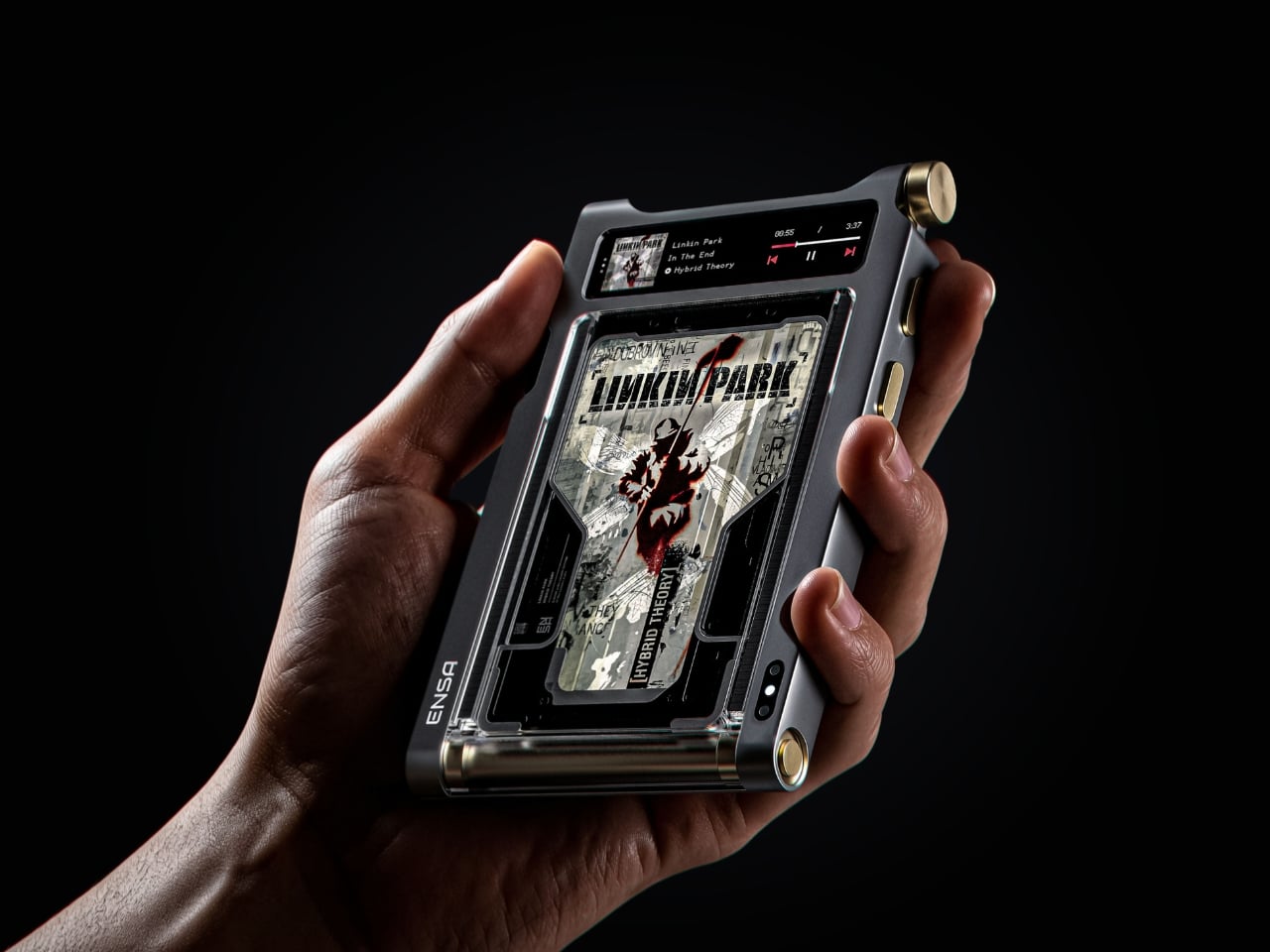
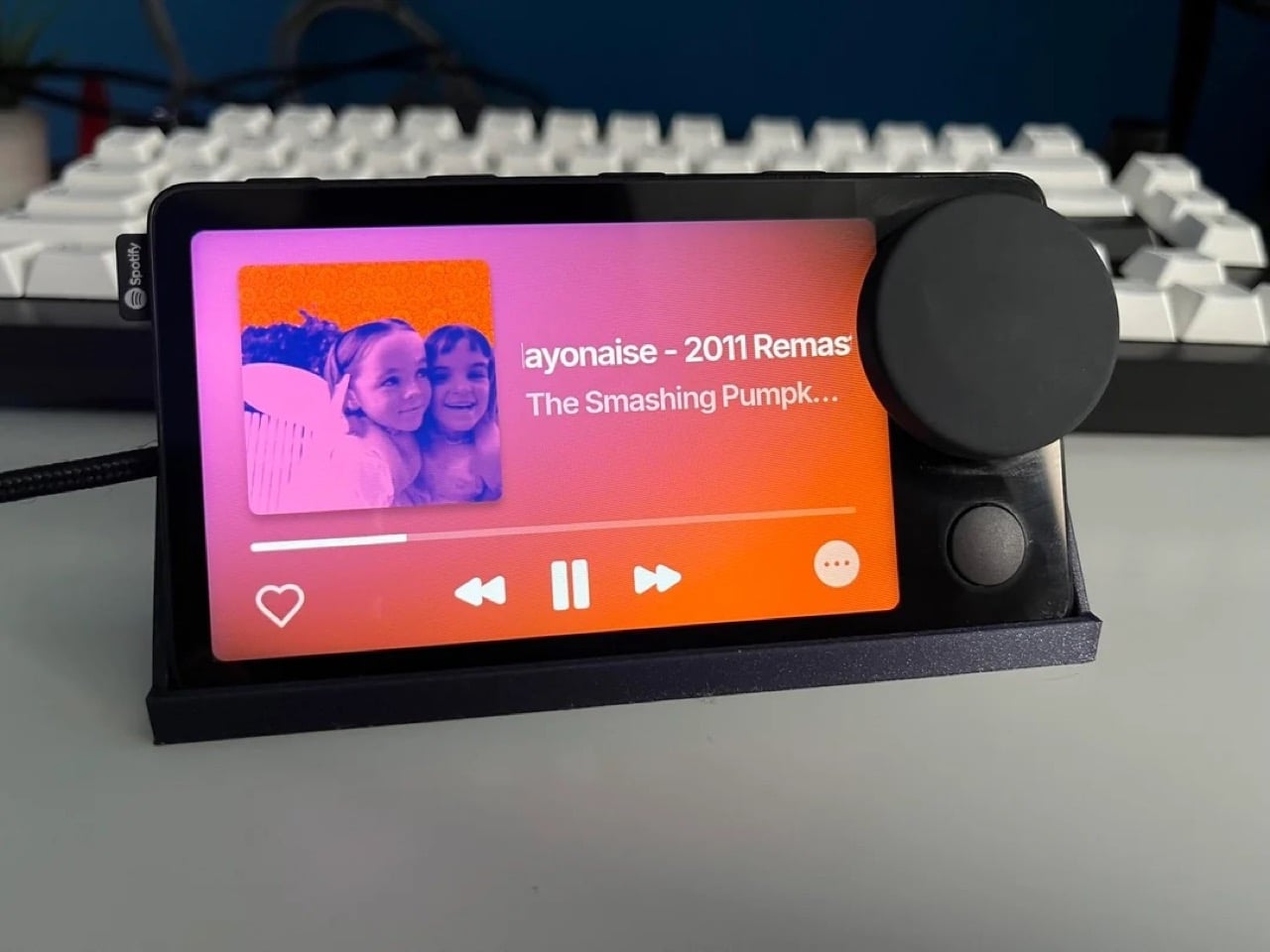
Sleevenote is musician Tom Vek’s attempt to give digital albums their own object again. It’s a square music player with a 4-inch screen that matches the shape of album artwork, designed to show covers, back sleeves, and booklet pages without any other interface getting in the way. The device only plays music you actually buy and download from places like Bandcamp, deliberately skipping Spotify and Apple Music to keep ownership separate from the endless scroll.

Designers: Tom Vek, Chris Hipgrave (Sleevenote)

The hardware is a black square that’s mostly screen from the front, with a thick body and rounded edges that make it feel more like a handheld picture frame than a phone. Physical playback buttons sit along one side so you can skip tracks without touching the screen. When you hold it, the weight and thickness are noticeable. This isn’t trying to slip into a pocket; it’s trying to sit on your desk or rest in your hand like a miniature album sleeve.

The screen shows high-resolution artwork, back covers, lyrics, and credits supplied through the Sleevenote platform. You swipe through booklet pages while listening, and the interface stays out of the way so the album art fills the entire square without overlays or buttons. The whole point is that the device becomes the album cover while music plays, which works better in practice than it sounds on paper when you describe it.

Sleevenote won’t let you stream anything. It encourages you to “audition” music on your phone and only put albums you truly love on the player, treating it more like a curated shelf than a jukebox with everything. This sounds good in theory, but means carrying a second device that can’t do anything except play the files you’ve already bought, which feels like a lot of friction for album art, no matter how nice the screen looks.

Sleevenote works as a small act of resistance against music as disposable content. For people who miss having a physical relationship with albums, a square player that only does one thing might feel like a shrine worth keeping. Whether that’s worth the price for a device with a screen barely bigger than your phone is a different question, but the idea that digital music deserves its own object makes more sense than cramming everything into the same distracted rectangle.

The post This Square Player Refuses to Stream Music, and That’s the Point first appeared on Yanko Design.

Rooter une caméra de sécurité avec un MP3

Par : Korben
28 octobre 2025 à 12:27

L’histoire du jour est signée Luke M, un hacker qui a découvert comment rooter une caméra avec… du son !

L’appareil en question est une caméra chinoise de la marque Yi qui utilise une fonctionnalité appelée “Sonic Pairing” pour faciliter la configuration WiFi. Comme ça, au lieu de galérer à taper votre mot de passe WiFi sur une interface minuscule avec vos gros doigts boudinés, vous jouez simplement un petit son depuis votre téléphone et c’est ce son qui contient votre clé WiFi encodés en modulation de fréquence. La caméra écoute, décode, et se connecte.

Magique, non ?

Sauf que cette fonctionnalité marquée en “beta” dans l’app Yi IoT contient deux bugs magnifiques : une stack overflow local et un global overflow. En gros, en fabriquant un fichier audio malveillant avec les bons patterns, Luke a pu injecter du code arbitraire dans la caméra, ce qui lui permet d’obtenir un shell root qui se lance via la commande telnetd avec les identifiants par défaut. Tout ça, sans accès physique… juste la lecture d’un wav ou d’un MP3.

Pour arriver à ses fins, Luke a utilisé Frida , un framework de hooking que j’adore, capable d’intercepter les fonctions natives de l’app. Cela lui a permis de remplacer les données légitimes attendues par l’app par son propre payload.

Le premier bug (stack overflow) n’étant pas suffisant seul, Luke a dû utiliser un autre bug ( un out-of-bounds read via DOOM ) pour leaker un pointeur et contourner l’ ASLR . Mais le second bug (global overflow) est bien plus intéressant puisqu’il lui permet directement de faire une injection de commande via system() lors du pairing, sans avoir besoin d’autre chose.

Voici la waveform utilisée par le second exploit

Et comme la chaîne que vous pouvez envoyer via le son peut faire jusqu’à 128 bytes c’est largement suffisant pour un telnetd ou n’importe quelle commande shell. Notez que pour que l’exploit marche, le bind_key doit commencer par ‘CN’, ce qui force un path exploitable et, en bonus fait causer la caméra en chinois ^^.

Après faut savoir que ce hack amusant ne fonctionne que si la caméra n’est pas encore connectée au cloud. Donc c’est pas très utile pour attaquer des caméras déjà déployées mais ça illustre bien le problème de tout cet IoT pas cher avec des tas de features “pratiques” comme ce “Sonic Pairing” qui finissent par être catastrophique dans la pratique.

Voilà… si vous voulez les détails techniques complets avec les waveforms et le code d’exploit, foncez lire ça sur Paged Out! #7 .

NODE ATOM loudspeakers blend art and audio for the modern home

Par : Ida Torres
6 octobre 2025 à 14:20

NODE Audio, based in Cambridge, UK, has introduced a striking new range that challenges the conventional idea of what a loudspeaker can be. The NODE ATOM series is not just about delivering exceptional sound; it’s about bringing sculptural beauty into the heart of the living space. Designed in collaboration with Studio17 Design, these loudspeakers are carefully crafted as objects of desire and performance.

The ATOM range debuts with two models: the ATOM 525 standmount, which comes with its own custom stand, and the larger ATOM 650 floorstander. Both models are built upon NODE’s patented Helical Transmission Line (HTL) technology. HTL is a unique internal architecture that directs the woofer’s energy through a central chamber and a precisely shaped helical path. This innovation enables these relatively compact speakers to deliver rich, extended bass that feels full and controlled, defying expectations set by their size.

Designer Name: Node Audio Research, Studio17 Design

What makes the ATOM series stand out is the introduction of MonoCell damping. This new lattice structure is created using advanced additive manufacturing, replacing traditional fibrous damping materials. MonoCell isn’t just for sound; it also serves as structural bracing, forming a monocoque shell of impressive strength. With this approach, the cabinet itself becomes almost resonance-free, allowing the music to emerge with remarkable clarity and purity.

The tactile experience is enhanced by the custom textile wrap that covers each loudspeaker. This is no ordinary fabric. Instead, it’s a multi-layered composition of felt, foam, and woven material that not only feels unique to the touch but also serves to control vibrations. The result is a speaker that looks and feels as refined as the sound it produces.

NODE ATOM speakers are visually distinctive. Their flowing, sculpted forms are free from sharp corners or flat surfaces, making them feel as much a piece of contemporary art as a piece of audio equipment. Each cabinet features structural elements machined from solid billet aluminum, then hand-polished to a flawless finish. The attention to detail is evident in every aspect, from the shimmering surfaces to the seamless curves.

NODE Audio’s vision for the ATOM series is clear: to create a loudspeaker that is as emotionally compelling as it is technically advanced. Designed and made in the UK, the ATOM range will be available in January 2026, offered in a curated selection of finishes to complement any modern interior. Unveiled at the UK HiFi Show Live at Ascot, the ATOM series received strong praise from both the public and industry experts, signaling a new era where loudspeakers can be both functional and beautiful.

The post NODE ATOM loudspeakers blend art and audio for the modern home first appeared on Yanko Design.

Top 5 Turntables For Superior Listening Experience: Audiophile’s Guide For September 2025

20 septembre 2025 à 11:40

The hunt for perfect sound has pushed audio lovers way beyond basic functionality into something that feels more like sonic art. Modern turntable design isn’t just about spinning vinyl anymore – it’s embracing wild new technologies and materials that completely change how we experience music. We’re talking optical systems that don’t even touch your records and transparent builds that kill vibration before it starts.

Today’s listening experiences need gear that respects both the hands-on ritual of analog playback and the crisp precision of digital formats. These five incredible turntables show exactly how smart design can make music more engaging, whether you’re spinning classic vinyl or giving CDs the analog treatment they deserve. Each one takes a totally different approach to killer sound, mixing jaw-dropping looks with the kind of technical chops that make serious audiophiles weak at the knees.

1. Vivia CD Turntable

The Vivia CD Turntable does something really cool – it makes playing CDs feel like the analog ritual vinyl lovers can’t get enough of. That tone arm actually figures out how long your CD is and travels from the outside edge to the center while your album plays, just like a real record player would. The volume knob feels incredible in your hands, giving you those smooth adjustments that make you want to keep tweaking. Every single control on this thing connects you physically to your music.

You can grab that tone arm and move it around to jump between tracks, just like positioning a needle on vinyl. Those Track Selector buttons work like DJ controls, letting you skip tracks while the arm moves to exactly the right spot on your CD. It’s this attention to the visual show that makes the Vivia special. This thing actually makes CD listening feel like an event instead of just hitting play on a boring digital player.

What we like

  • Revolutionary approach brings analog ritual to digital CD playback.
  • Tactile controls create a genuine connection between you and your music.

What we dislike

  • Only works with CDs, so vinyl collectors are out of luck.
  • The complex tone arm system might need more maintenance than simple CD players.

2. Miniot Wheel 3

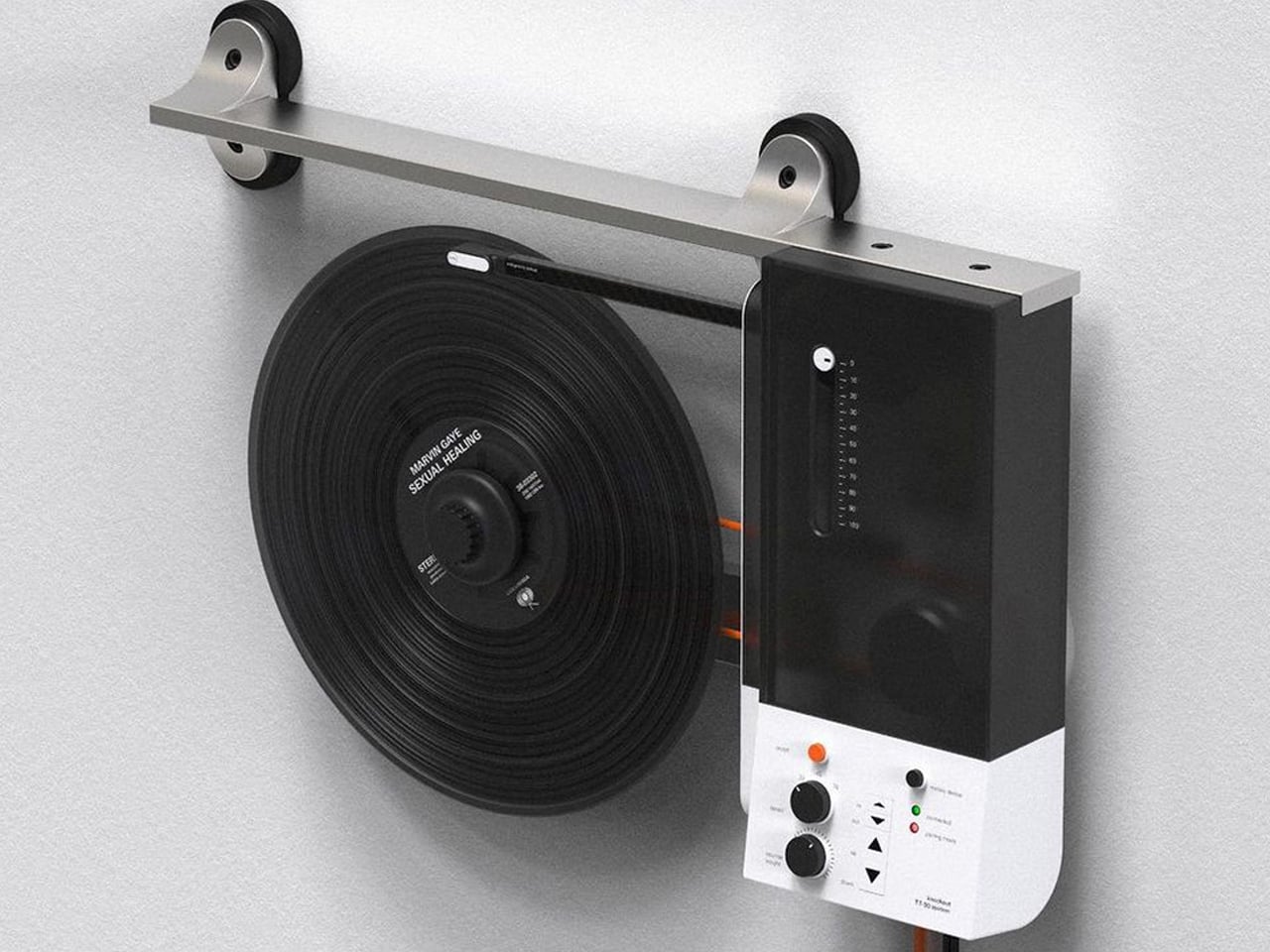
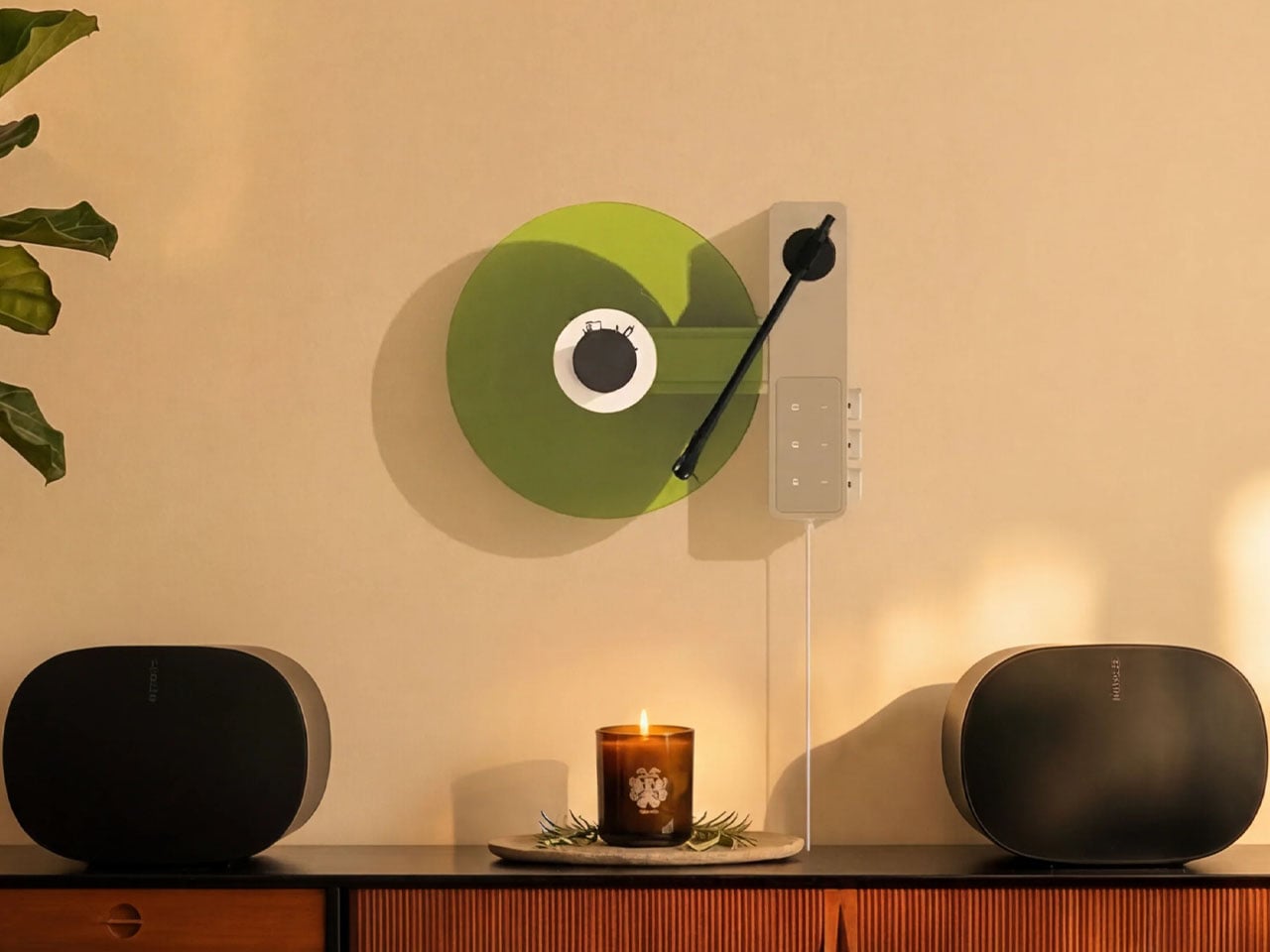
The Miniot Wheel 3 flips everything you know about turntables literally on its side with vertical orientation and mind-blowing optical tech that reads your grooves with light instead of magnets. Your records look like they’re floating in space against that polished aluminum front, and when colored vinyl catches the light, it’s absolutely mesmerizing. These Dutch engineers basically turned record playing into a light show that transforms your whole listening space. The optical system doesn’t even touch your vinyl, which means your records could last forever.

What’s hiding under that gorgeous exterior is technology that might just change vinyl playback forever. The optical reader picks up every tiny groove variation with crazy precision, turning those microscopic bumps into pure audio without any of the mechanical headaches normal turntables give you. No tracking force to worry about, no anti-skating adjustments, no stylus wearing out on your favorite albums. The Wheel 3 is basically a glimpse into the future of vinyl, where amazing sound meets incredible visual drama.

What we like

  • Optical technology means your records never wear out from stylus contact.
  • Vertical design creates an absolutely stunning visual centerpiece for any room.

What we dislike

  • Brand new optical tech hasn’t proven itself over years of heavy use yet.
  • Vertical setup makes handling records and accessing your collection trickier.

3. RA84

Stu Cole’s RA84 takes Ron Arad’s legendary concrete stereo and gives it an eco-friendly makeover using recycled plastic that looks incredibly convincing as stone. The design keeps all that brutal, industrial vibe Arad was famous for, but cleans up the execution with smoother surfaces and those perfectly placed chipped corners that show off the material’s texture. You can get it in concrete grey or this sophisticated black that looks like expensive terrazzo. The built-in speakers mean you get a complete system that actually does something good for the planet.

That hefty construction isn’t just for show – it kills vibration, which is exactly what you want for clean vinyl playback. The recycled plastic performs surprisingly well acoustically, giving you results that rival traditional concrete or stone builds. Cole’s take on the classic design creates furniture that people will want to talk about, and it just happens to play records beautifully. This proves you can be environmentally responsible without giving up luxury or performance.

What we like

  • Recycled materials make this an environmentally responsible choice without sacrificing quality.
  • Integrated speakers give you everything you need in one space-saving package.

What we dislike

  • Seriously heavy build limits where you can actually put this thing.
  • The industrial look won’t work in every home’s aesthetic.

4. AT-LPA2

The AT-LPA2 shows off Audio-Technica’s engineering chops through that incredible 30mm transparent acrylic build that works as hard as it looks good. That thick acrylic platter pairs perfectly with the body material to create this floating effect while damping vibrations better than most traditional materials. Watching this thing work is like seeing the mechanical poetry of vinyl playback in crystal clear detail. The clean, minimal look fits right into modern spaces while delivering the kind of technical performance that makes serious listeners happy.

This isn’t just about looking cool, though – the AT-LPA2 sounds incredible thanks to careful material choices and engineering refinements. That acrylic density cuts unwanted resonance and keeps everything clear across the whole frequency range, while the see-through construction doesn’t dominate your room visually. Audio-Technica’s 60 years of experience show in every decision they made, creating a turntable that honors analog tradition while looking completely contemporary. The production improvements over their anniversary limited edition mean this thing will work reliably for years.

What we like

  • Transparent acrylic construction delivers excellent vibration control with stunning looks.
  • Minimalist design disappears visually while taking up the same functional space.

What we dislike

  • Clear materials show every speck of dust and every fingerprint.
  • Premium acrylic construction pushes the price higher than standard materials would.

5. McIntosh MTI100 Sun Records Limited Edition

The McIntosh MTI100 Sun Records Limited Edition pays tribute to the Memphis label that gave us Elvis, Jerry Lee Lewis, and Johnny Cash by putting authentic Sun Records branding right on the glass plinth and felt mat. This collaboration between McIntosh’s legendary engineering and Sun Records’ incredible musical history creates something that celebrates American music culture. The all-in-one design packs a turntable, preamp, and amplifier together with Bluetooth and auxiliary inputs, so you just need to add speakers for a complete high-end system. The custom branding turns a premium turntable into a piece of music history.

McIntosh’s famous build quality and that warm, musical sound signature really shine through the MTI100’s impressive feature lineup. The integrated approach means you don’t have to stress about matching components, while that premium glass plinth keeps everything stable and vibration-free for maximum detail from your vinyl. The Sun Records partnership adds serious cultural weight to the technical excellence, creating audio gear that honors both engineering achievement and musical legacy. This limited edition sits right at the sweet spot where audiophile performance meets cultural celebration.

What we like

  • All-in-one design eliminates the headache of matching separate preamp and amplifier components.
  • Sun Records collaboration adds serious collector value and cultural significance.

What we dislike

  • You’ll still need to buy speakers separately to complete your system.
  • Limited edition status might make future service and support harder to find.

The Sound of Superior Listening

These five exceptional turntables show how modern audio design breaks down the old walls between digital and analog, function and art, sustainability and luxury. Each approach brings something unique to discerning listeners, whether you want the hands-on CD experience of the Vivia, the cutting-edge tech of the Miniot Wheel 3, the environmental consciousness of the RA84, the elegant simplicity of the AT-LPA2, or the cultural heritage of the McIntosh Sun Records edition.

Superior listening isn’t just about technical specs – it’s about that emotional connection between you, your gear, and your music. These turntables succeed because they make that connection stronger through thoughtful design, innovative engineering, and genuine respect for the listening ritual that transforms music from background noise into something truly meaningful.

The post Top 5 Turntables For Superior Listening Experience: Audiophile’s Guide For September 2025 first appeared on Yanko Design.

Stylish over-ear headphones that turn into true wireless earbuds with quick transition

Par : Gaurav Sood
16 septembre 2025 à 00:30

Whenever the hybrid element is highlighted in a gadget, it piques my interest. More so when it is an audio accessory, such as headphones or earphones. I fancied the Streamline hybrid earphones concept from earlier this year for the ingenious method of having wired and wireless earphones in one. Yet another concept design sparks my interest in audio gear, especially headphones and earbuds.

The O-Scene Ear concept is a pair of wireless headphones that can be used as wireless earbuds depending on the requirement and mood. This is a best-case scenario for music lovers who want to have both headphones and earbuds handy, whether they are traveling, at the workplace, or working on their home workstation. This hybrid design has many advantages, including adaptability to varied scenarios like sports regimes, daily commute to work, or simply entertainment at home. More than anything else, these hybrid headphones look way cooler than your regular pair of cans.

Designer: Inspire Curve

The concept has been thought of very mindfully with focus on functional features, storage design, and seamless switching between the two modes. The storage case of the headphones is designed in a way that it can be integrated into the behind-the-ear form. When noticed closely, the section that comes around the ear is made out of a bendable hose material that ensures a comfortable wearing experience for people with any ear shape or size. What excites me the most is the earbuds mode, in which the charging case transforms into a carrying case for the cans. This happens as the magnetic tips at the ear end, which are the loop hose of the charging case, fold back magnetically. Each of the charging cases magnetically attaches to the other to turn into a small hanging bag for ultra portability and to show off your style.

Although these over-the-ear headphones are not your typical headphones with a headband connecting the two individual cans, they adopt a modern evolutionary design that eliminates the need for the headband. They typically are behind-the-ear headphones with a larger driver unit that sits flush on the ear when in headphone mode. The inside of the charging case has auxiliary speakers and noise-filtering cotton, which help enrich the sound layering and boost the stereoscopic range of the pair. This results in immersive audio, which e-sports gamers and music lovers will appreciate. The cotton also doubles as a passive noise isolator to block out distracting external noises.

When you want to have the least intrusive form of earbuds, simply take them out of the main housing and you are ready to go. The designer hasn’t made it clear if the earbuds have ANC capabilities or not, but I presume that would be the feature they won’t want to miss out on. Sound quality in the earbuds mode is also not detailed in one, still, I think it will be on par with the headphones. Yet again, this concept has left me stumbling over the same question: why aren’t audio gear makers thinking on the same lines?

The post Stylish over-ear headphones that turn into true wireless earbuds with quick transition first appeared on Yanko Design.

AirPods Pro 3 Hands-On: The Ultimate Everyday Wearable That Redefines Personal Technology

11 septembre 2025 à 22:50

Wireless earbuds reached a ceiling two years ago. Every major brand promises the same three things: decent sound, acceptable battery life, and noise cancellation that works sometimes. The result feels like choosing between different flavors of mediocre, where each model excels at one thing while failing at everything else.

Designer: Apple

Many years of testing dozens of wireless earbuds reveals the same pattern every time. Premium models cost $300+ but still can’t handle phone calls in windy conditions. Budget options sound terrible during workouts. Mid-range choices offer compromise everywhere without excellence anywhere.

After experiencing the AirPods Pro 3 this week, those industry limitations feel like ancient history. The difference becomes apparent the moment you slide them into your ears and feel that perfect seal lock into place. This isn’t another incremental upgrade promising slightly better battery life or marginally improved sound. These breakthrough capabilities work together seamlessly to redefine what wireless audio can accomplish in your daily life.

The Fit Changes Everything

Putting on the AirPods Pro 3 feels different from any previous generation. The internal architecture was completely re-engineered while the external geometry of the ear tip was aligned to the center of the body for increased stability. The pre-installed ear tips fit perfectly right out of the box, creating that satisfying acoustic seal without any pressure points. Having five different tip sizes available, including a new XXS size, means virtually everyone can find their ideal fit.

This improved design delivers the most secure and best-fitting AirPods ever, utilizing over 10,000 ear scans with more than 100,000 hours of user research and an unparalleled dataset of more than 300 million points. The IP57 sweat and water resistance marks the first time any AirPods model offers this level of protection, built to handle tough workouts and unpredictable weather.

Audio That Delivers on Over-Ear Promises

The new multiport acoustic architecture precisely controls the airflow that carries sound into the ear, helping deliver an exceptional spatial listening experience. With next-generation Adaptive EQ, this architecture transforms the bass response, widens the soundstage so you hear every instrument, and brings vivid vocal clarity to higher frequencies across music, shows, and calls.

Active noise cancellation delivers a massive leap forward, delivering up to 2x more effectiveness than AirPods Pro 2, with 4x more noise removed compared to the original AirPods Pro. Apple demonstrated this across multiple challenging environments during the demo: the constant drone of airplane cabins, the clatter and conversation of busy restaurants, and the persistent hum of office HVAC systems.

Across every environment during the controlled demos, the AirPods Pro 3 eliminated distracting background noise while preserving every nuance of your music, movies, and calls. The restaurant demo proved particularly impressive – cutting through the complex mix of conversation, kitchen noise, and background music that typically makes wireless earbuds struggle. The result is the world’s best ANC of any in-ear wireless headphones, made possible with ultra-low noise microphones and advanced computational audio combined with new foam-infused ear tips for greater passive noise isolation.

A more personalized Transparency mode means your own voice and the people speaking to you sounds more natural than ever, helping you stay connected to your surroundings without missing a beat. While listening to music with ANC enabled, AirPods Pro 3 now provide up to eight hours of music playback – a 33 percent increase over the previous generation.

Live Translation That Actually Works

Live Translation enables in-person communication across select languages and is available in beta. This transformational, hands-free capability is powered by computational audio and Apple Intelligence to help people easily connect whether they’re traveling to a new place, collaborating at work or school, or simply catching up with the people who matter most.

The system works through three key components, as demonstrated during Apple’s presentation. First, the AirPods microphones capture speech from both conversation participants. Second, computational models on your iPhone process the audio and generate translations using on-device Apple Intelligence. Third, the translated audio plays directly in your ears while simultaneously lowering the volume of the original speaker, creating space for you to process and think about what you’re hearing.

Unlike many translation devices that get confused when multiple people speak simultaneously, the AirPods Pro 3 handle complex audio environments with remarkable precision. The advanced microphone array and computational audio processing can isolate individual voices even in group conversations, ensuring accurate translations without the frustrating errors that plague other devices.

The deliberate pacing is intelligent. The system includes natural pauses that give your brain time to absorb the translated information before continuing. During the demo, these thoughtful breaks became essential for processing complex conversations rather than getting overwhelmed by a constant stream of translated audio.

When both people have AirPods with Live Translation enabled, the experience becomes seamless. Each person hears the other’s words translated into their preferred language, with the original speech automatically dimmed in the background. For conversations where only one person has the capability, your iPhone transforms into a horizontal display, showing live transcription of your words in the other person’s language.

The on-device processing means everything works without Wi-Fi or cellular connectivity once the language models are downloaded to your iPhone.

For international travelers, the AirPods Pro 3 become your essential translation partners that hear what you hear. Having traveled extensively to Japan and China where English isn’t widely spoken, this feature is a genuine game-changer for navigating foreign countries. The AirPods don’t just translate conversations – they should theoretically work for train announcements, airport boarding calls, and street-level interactions that make international travel challenging.

Think of it this way: your AirPods Pro 3 are constantly listening to your environment, ready to translate whatever audio reaches your ears. Whether it’s a subway announcement in Tokyo, a restaurant server explaining the menu in Shanghai, or directional help from locals, your translation partners are always active and processing the world around you.

Live Translation launches with support for English, French, German, Portuguese, and Spanish, with the crucial additions of Japanese, Korean, and Chinese (simplified) arriving before year-end – perfectly timed for travelers heading to Asia.

Heart Rate Sensing That Means Business

AirPods Pro 3 introduce Apple’s smallest ever heart rate sensor – a custom photoplethysmography (PPG) sensor that shines invisible infrared light pulsed at 256 times per second to measure light absorption in blood flow. Combined with sensor fusion from the AirPods Pro accelerometers, gyroscope, GPS, and a new on-device AI model on iPhone, users can start up to 50 different workout types, track their heart rate and calories burned, close their Move ring, and earn awards in the Fitness app.

With just AirPods Pro 3 and iPhone, you’ll also have access to Workout Buddy, a fitness experience powered by Apple Intelligence that incorporates your workout data and fitness history to generate personalized, motivational insights during your session. For added motivation, Apple Fitness+ users with AirPods Pro 3 can now view real-time performance metrics directly onscreen, such as heart rate, calories burned, progress on their Move ring, and the Burn Bar.

AirPods Pro 3 also increase battery life in Transparency mode by 67 percent over the previous generation with up to 10 hours with a single charge.

Hearing Assistance That Actually Matters

Beyond fitness tracking, the AirPods Pro 3 is a breakthrough for anyone with mild hearing loss. The automatic conversation boost feature dynamically elevates voices while reducing background noise, making conversations clearer and more intelligible in challenging acoustic environments.

Having mild hearing loss myself, this feature addresses one of the most frustrating daily experiences: trying to follow conversations in restaurants, offices, or crowded spaces where background noise overwhelms speech. The AirPods Pro 3 act as sophisticated hearing aids, amplifying the specific frequencies needed for speech clarity while suppressing distracting environmental sounds.

The 10-hour battery life in Transparency mode with hearing aid features enabled means all-day support without worrying about power. More importantly, both your own voice and others speaking to you sound more natural than ever, eliminating the artificial or echo-like quality that can make traditional hearing aids feel intrusive.

The Verdict After Initial Testing

After extensive testing with everything from $2,000 custom-fitted Breggz earbuds to premium over-ear headphones like the AirPods Max I reviewed for Yanko Design, the AirPods Pro 3 delivers something genuinely surprising. While the Breggz offered exceptional three-dimensional spatial audio and perfect custom molding, they came with significant downsides: unreliable touch controls during workouts, unknown long-term support from a new brand, and connectivity uncertainties that made them impractical for daily use despite their audio excellence.

The AirPods Pro 3 eliminates these compromises entirely. The audio quality matches what you’d expect from earbuds costing eight times more, while the integrated health tracking eliminates the need for separate fitness devices.

Most impressively, every feature enhancthe others rather than creating feature bloat. The perfect fit enables accurate heart rate sensing. The translation capability works seamlessly because of the superior microphone array. The extended battery life supports all-day hearing aid functionality.

For anyone still using previous-generation wireless earbuds, the upgrade path is clear. The combination of perfect fit, exceptional audio, hands-free translation, and precise health monitoring creates possibilities that extend far beyond traditional earbuds into genuine life enhancement territory.”

The post AirPods Pro 3 Hands-On: The Ultimate Everyday Wearable That Redefines Personal Technology first appeared on Yanko Design.

Top 5 Modern CD Players That Prove CDs Are Making A Comeback In 2025

20 août 2025 à 11:40

Physical media is having a moment in 2025, and it’s not just vinyl records getting all the attention. CDs are selling $541 million worth of units, up 1% from 2023, proving there’s still plenty of love for the humble compact disc. While vinyl grabs headlines with its 18th consecutive year of growth, CDs are quietly finding their way back into music lovers’ hearts and homes.

The CD players hitting the market now aren’t the chunky, plastic boxes your parents had in the ’90s. These five designs show how far we’ve come, merging sleek looks with smart features that make sense for how we live and listen to music today. The CD comeback isn’t about looking backward. It’s about finding a middle ground between the instant gratification of streaming and the full commitment of vinyl. Sometimes you want to hold your music, read the liner notes, and experience an album the way it was meant to be heard, and these players make that feel fresh again.

1. ClearFrame CD Player

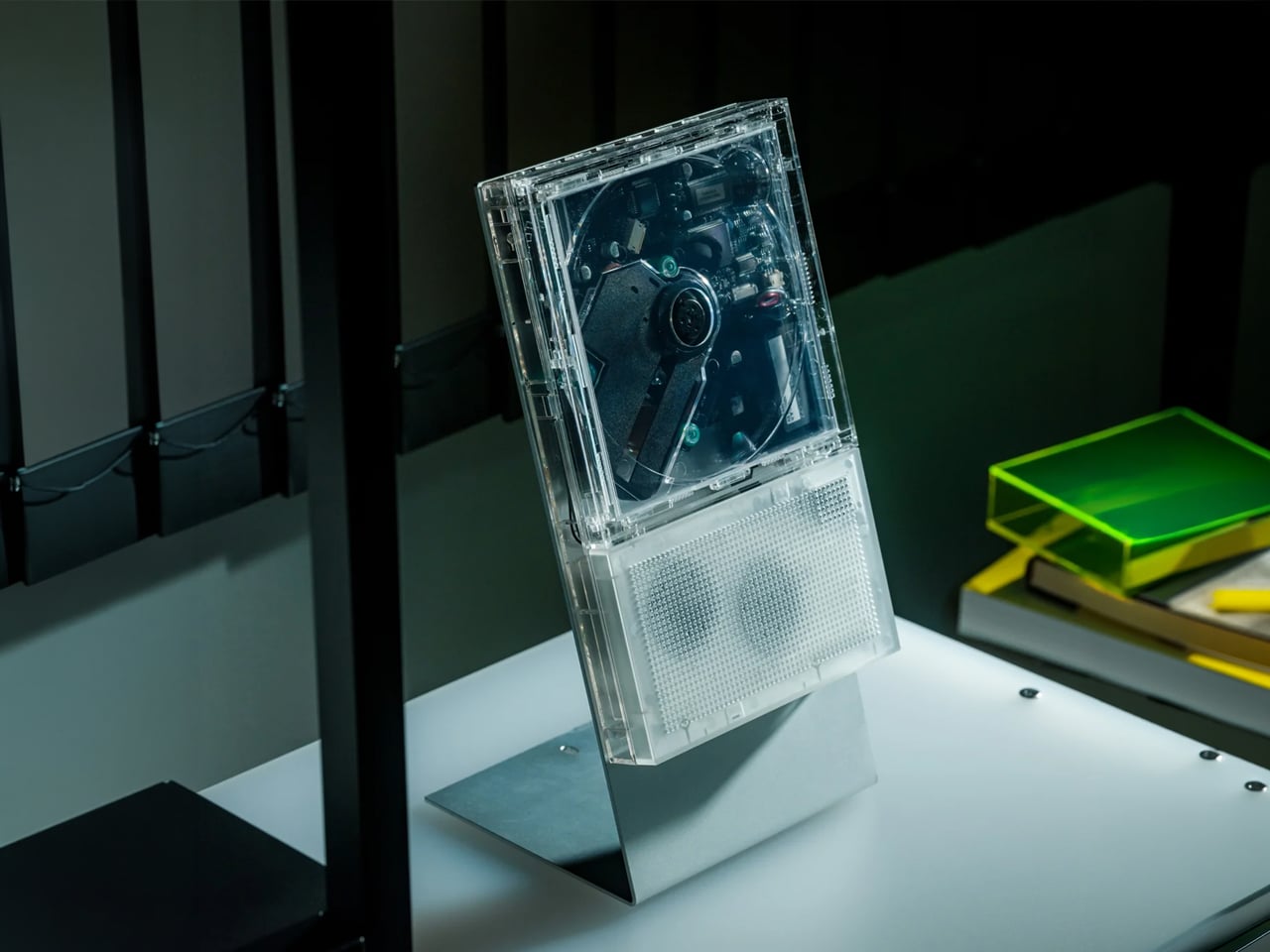
Now here is something you don’t see every day: a CD player that’s completely see-through. The ClearFrame takes transparency literally, housing everything in crystal-clear plastic so you can watch the magic happen. That black circuit board isn’t hidden away; it’s part of the show, turning your tech into something worth staring at.

It treats your album covers like mini art exhibitions. Slip in your favorite disc, slide the cover into the frame, and suddenly you’ve got a piece that works on your shelf, desk, or even hanging on the wall. It’s perfect for those moments when you want to really focus on an album, not just have music playing in the background. The whole ritual of choosing a CD and watching it spin becomes part of the experience.

Click Here to Buy Now: $199.00

What we like

  • The transparent design turns every play session into a visual experience.
  • You can mount it on the wall like an actual artwork.

What we dislike

  • All that clear plastic is going to show every fingerprint and dust speck.
  • The exposed electronics might need regular cleaning to keep looking sharp.

2. Portable CD Cover Player

This little player gets something that streaming services still struggle with: album artwork matters. The built-in pocket for your CD’s cover art means you’re not just hearing the music, you’re seeing it too. It’s a simple idea that makes a huge difference when you’re trying to connect with an album the way the artist intended.

The portable design with its own speaker means you can take your music anywhere without dragging along extra equipment. Kitchen counter while cooking? Perfect. Bedroom nightstand? Works great. Want to hang it up somewhere? Go for it. This player understands that sometimes you want your music to be the main event, not just background noise.

Click Here to Buy Now: $199.00

What we like

  • The album art display brings back the full music experience.
  • Built-in speaker means no fussing with separate audio gear.

What we dislike

  • A single speaker can’t deliver true stereo sound.
  • The compact size might mean compromising on audio quality.

3. Orion

The Orion takes minimalism to its logical conclusion: a flat metal box that does one thing exceptionally well. That powder-coated finish gives it an industrial vibe that’s both tough and elegant. The front-loading slot eliminates the flip-top mechanism, creating cleaner lines and fewer things that can break.

This is for people who want their music equipment to disappear into the background. Just a large eject button and an IR sensor interrupt the otherwise perfect surface. There’s something almost meditative about using gear this simple; it forces you to focus on the music instead of fiddling with settings.

What we like

  • The industrial design is both beautiful and built to last.
  • Front-loading slot means fewer moving parts to worry about.

What we dislike

  • Minimal controls might leave you guessing about basic functions.
  • Still in concept phase, so you can’t buy one yet.

4. SYITREN R300

The R300 doesn’t try to hide what it is; it’s a CD player that’s proud of its heritage while embracing modern tech. Those finish options (wood, white, and that fascinating fruit green) show that audio gear doesn’t have to be boring black boxes. The MUSE Design Gold Award isn’t just marketing fluff; this product really does nail the balance between looks and performance.

It handles different types of music amazingly. CDs, burned discs, MP3s, WAV files – it plays them all without breaking a sweat. The Bluetooth 5.3 is cutting-edge wireless tech, while the headphone jack and optical output keep traditional connections happy. That 2000mAh battery gives you over six hours means you’re not constantly hunting for outlets.

What we like

  • Multiple color options let you match your style.
  • Handles practically any audio format you can throw at it.

What we dislike

  • The retro styling might feel too nostalgic for some tastes.
  • All those features could make simple tasks more complicated than they need to be.

5. Frame CD Player

The best designs usually know when to quit, and the Frame CD Player nails this philosophy. Clean lines, minimal fuss, and just enough features to do the job right. It’s a clever design that fits into modern spaces without screaming for attention, which is exactly what you want from good design.

The Bluetooth 5.0 connection is where old meets new in the best way. You get the ritual and sound quality of CDs with the freedom to use your favorite wireless headphones or speakers. The rechargeable battery keeps things portable without turning the whole thing into a compromise.

Click Here to Buy Now: $169.00

What we like

  • The clean design works in any room without looking out of place.
  • Bluetooth lets you go wireless while keeping the CD experience.

What we dislike

  • The minimal controls might mean reaching for your phone more than you’d like.
  • The simple design could mean missing out on advanced playback features.

CDs Are Having Their Moment Again

Something interesting is happening with how people consume music. After years of endless streaming playlists, there’s a growing appetite for the complete album experience. These CD players tap into that desire for intentional listening. When you put on a disc, you’re committing to the artist’s full vision, not just hunting for the next dopamine hit. CD sales climbed by just under 6.5% at independent record stores, which tells you this isn’t just a fad.

People are actively choosing physical media again. The broader picture shows physical purchases comprised 11% of the $17.7 billion in music revenue recorded in 2024, up 5% from 2023, proving there’s real money behind this trend. These five players solve the biggest problems CDs always had: ugly design and limited functionality. They keep what made CDs great, excellent sound quality, durability, and the satisfaction of actually owning your music, while adding the connectivity and style that make sense for how we live now.

The post Top 5 Modern CD Players That Prove CDs Are Making A Comeback In 2025 first appeared on Yanko Design.

Toutui - Écoutez vos livres audio et podcasts depuis votre terminal

Par : Korben
16 avril 2025 à 07:56

Si vous passez vos journées, le nez dans un terminal, ce serait-y pas trop cool de pouvoir également y écouter vos livres audio et vos podcasts ?

On évite ainsi les interfaces flashy, les notifs et autres animations inutiles et on se concentre sur l’essentiel, à savoir la simplicité monacale du terminal. Bref, si vous êtes de ceux qui pensent qu’une journée sans taper une commande est une journée perdue, il faut que je vous présente Toutui !

❌
❌