Windows 11 Feels Slower Than Windows 10 — Here’s the Real Reason
![]()
![]()
![]()
![]()
![]()
![]()
Leaks suggest Google’s Pixel 10a could hit shelves in February, with a familiar Pixel 9a-style design, new colors, and modest spec updates ahead.
The post Pixel 10a Leak Hints at February Release, New ‘Berry’ Color appeared first on TechRepublic.
![]()
The best stocking stuffers aren’t the ones that fill space—they’re the ones that get plucked out first, pocketed before breakfast, and quietly claimed before anyone else notices. These are the gifts that punch above their price tag, blending clever design with genuine utility in a package small enough to tuck into a sock but compelling enough to become someone’s new everyday carry. They’re the kinds of objects that spark conversations, solve real problems, and feel impossibly thoughtful for something that costs less than dinner.
This year’s lineup leans into tactile pleasure, unexpected innovation, and quiet luxury that doesn’t scream its price point. From gravity-defying desk sculptures to grooming tools engineered like precision instruments, these ten designs prove that small gifts can carry a serious impact. Each one clocks in under a hundred dollars, fits in the palm of your hand, and delivers the kind of daily delight that makes people wonder why they didn’t have one sooner.
![]()
![]()
Remember making mixtapes? This pocket-sized throwback reimagines that ritual for the Bluetooth era, disguising modern wireless tech inside an eerily accurate cassette shell. The transparent casing reveals inner mechanics that mirror the real thing, complete with side A labeling and that distinctive tape aesthetic that defined an entire generation’s music culture. Pop it into its crystal-clear protective case, and it transforms into a desk-worthy display piece that actually delivers sound.
The engineering surprises lie beneath the nostalgia. Bluetooth 5.3 ensures stable connections across devices, while microSD support allows for offline playback when streaming isn’t an option. The audio profile skews warm rather than tinny, deliberately echoing the softness of analog tape rather than chasing clinical clarity. At 80 grams with its case, it disappears into jacket pockets and backpacks, making it the kind of speaker people actually carry instead of leaving on a shelf collecting dust.
![]()
![]()
Scent diffusion gets stripped to its essence here—no mist clouds, no reed forests, just a simple card insertion that marks the beginning of a fragrance ritual. The mechanism borrows from Japanese train ticketing, where sliding a washi paper card into an anodized aluminum body initiates a slow, controlled release of alcohol-based fragrance oils. It’s diffusion as deliberate practice rather than background ambiance.
The design language stays minimal to the point of zen. Hand-poured oil bases pair with handcrafted Japanese washi paper that absorbs and disperses scent through capillary action alone. Layered glass creates visual lift while the aluminum housing grounds everything with industrial elegance. Fire-free and power-free operation means placement flexibility—nightstands, desks, shelves—anywhere stillness exists. When the oil runs low, refilling takes seconds without disassembly or mess.
![]()
Lost keys cause daily chaos. This magnetic key holder solves that problem by making the act of placing keys genuinely satisfying—so satisfying you’ll actively want to do it. The system combines a wooden base with a metal keyring, held together by a powerful neodymium magnet that releases with a crisp, surprisingly soothing tap when pulled apart. That sonic feedback creates instant habit reinforcement every single time.
Material choices elevate this beyond typical key storage. Choose between maple or walnut bases, each paired with a stainless steel, brass, and iron keyring that carries proper weight. The magnetic hold stays strong enough to prevent accidental drops yet releases smoothly with intentional pulling. Placed near an entryway, it becomes a calming transition point between outside chaos and home sanctuary—a small ritual that anchors your arrival routine with sensory pleasure instead of mindless muscle memory.
![]()
![]()
Most flashlights get buried in junk drawers until emergencies strike. This one stays visible because it actually deserves counter space, blending minimalist form with dual-mode versatility that works as both a handheld beam and a freestanding lantern. The 1000-lumen output reaches 200 meters in spotlight mode, while the adjustable zoom head twists to flood light across entire rooms when needed.
Stand it upright and watch it transform into ambient lighting for reading, dining, or a power outage calm. Five modes span three brightness levels plus two SOS settings, all controlled through an intuitive two-button operation that stays simple even when fumbling in darkness. The 2,600mAh battery delivers up to 24 hours on low settings, recharging via USB-C hidden beneath the zoom head to maintain clean visual lines. A bright yellow hanging loop adds practical mounting options while serving as the design’s only color accent.
![]()
![]()
Grooming tools rarely warrant much attention until you encounter one engineered like actual equipment. Kai Corporation—Japan’s blade authority since 1908—designed this clipper around a patented rotating lever mechanism that shifts the pivot point closer to the cutting edge. The result delivers cleaner cuts through thicker nails using less hand pressure while maintaining surgical control throughout each clip.
At 67 grams, the clipper carries satisfying heft that signals quality without bulk. The 86mm compact form slips into dopp kits and desk drawers with equal ease. Stainless cutlery steel blades slice cleanly without tearing or splitting, producing smooth edges that rarely snag fabric afterward. Zinc die-cast lever components wear a sleek plated finish while the thermoplastic stopper and integrated filing surface round out the material story. The press-and-release action stays whisper-quiet and consistently smooth—precision you can feel with every trim.
![]()
![]()
Culinary tools become art objects when Japanese heritage meets functional design. Tsuboe created this sakura blossom-shaped grater to commemorate the Ōkōzu Diversion—a historic flood control project that transformed the Shinano River region—while delivering razor-sharp grating performance for ginger, wasabi, garlic, and citrus zest. The petal silhouette fits comfortably in your palm while adding genuine beauty to any kitchen environment.
Two material options define the aesthetic. The pink edition features lightweight aluminum alloy with a vibrant anodized finish inspired by cherry blossoms lining river levees. The silver edition showcases pure copper with tin plating that creates a luminous interplay between metals while adding substantial heft. Precision-raised blades crafted via custom NC machines maintain sharpness through countless uses. Commemorative packaging includes sakura motifs and story cards celebrating the cultural heritage behind each grater’s creation—transforming kitchen prep into a connection with Japanese craftsmanship traditions.
![]()
Cracking a cold can usually mean sipping through a narrow opening that traps aroma and limits taste. Award-winning designer Shu Kanno reimagined that moment, creating a precision opener that removes the entire top to deliver glass-like drinking experiences straight from the aluminum. The smooth-edged cut transforms canned beer, sparkling water, and premixed cocktails into proper vessels where you catch every aromatic note.
Beyond elevated sipping, practical advantages multiply quickly. Drop ice cubes directly into opened cans for instant chilling on hot days. Mix cocktails inside the can itself—no shaker, no cleanup, no glassware. Universal sizing works across domestic and international CAN standards, so you’re never caught without compatibility. The lightweight, portable build makes it easy to pack for camping, tailgates, or beach days. Used cans become mini planters or desk organizers thanks to the clean, safe edge. Japanese design discipline shows through every detail—smooth opening motion, comfortable grip, zero visual excess.
![]()
![]()
Spirits deserve glassware that enhances rather than distracts from their complexity. This titanium vessel weighs just 22 grams yet delivers sensory amplification through hammered texture that lifts aromatic compounds, while the ultra-thin rim ensures clean flavor contact. At 2.05 inches in diameter by 2.17 inches in height, it fits sake, tequila, and whiskey servings with equal grace.
Titanium construction brings unexpected benefits beyond durability. The metal maintains temperature without rapid heat transfer from your hand, keeping chilled spirits cold longer. Vibrant anodized finishes create unique color variations across each cup—no two look identical, adding bespoke character to any collection. The hammered surface provides subtle grip texture while refracting light beautifully. Compact dimensions suit modern interiors and outdoor settings alike, transitioning seamlessly from home bars to campfire toasts. Minimalist elegance meets practical performance in a cup engineered for connoisseurs who value both flavor clarity and design integrity.
![]()
Most desk accessories serve function or form—rarely both with equal commitment. This gravity-defying pen floats vertically above its magnetic pedestal without batteries or electronics, transforming writing tools into kinetic sculpture. The invisible magnetic field holds the pen suspended and spinning with the gentlest touch, creating mesmerizing motion that offers mental breaks during intense work sessions.
Engineering precision makes the magic possible. High-precision CNC machining maintains tolerances under 0.1mm—the same manufacturing standards used for Apple products—enabling perfect hover balance and fluid rotation. Swiss-made ballpoint cartridges deliver smooth, reliable writing performance while Cross-brand refills ensure long-term usability. The magnetic cap provides instant access without fumbling. Whether spinning hypnotically during calls or standing elegantly between uses, the pen becomes a source of inspiration and relaxation. Sleek aesthetics meet practical function in a design that professionals, artists, and engineers appreciate equally for performance and presence.
![]()
Box cutters typically hide in drawers because they look utilitarian at best. This one deserves prominent desk placement, carved from solid aluminum into a form inspired by Paleolithic hand axes—ancient tools reimagined through modern precision machining. Wave-like cutting patterns create visual intrigue while providing secure grip texture. The circular shape and tapered profile feel substantial in hand, while the raw metal aesthetic radiates both mystery and intentional design.
Aluminum once commanded prices higher than gold, and this knife showcases the material’s inherent luster and satisfying weight. Milling from a solid block rather than casting ensures structural integrity and refined surface quality. The blade slices through packing tape and cardboard with surgical ease, while the distinctive form starts conversations whenever someone spots it. Placing this on your desk signals appreciation for objects that blend utility with artistry—tools that inspire rather than just serve. Unboxing packages becomes a moment of tactile pleasure rather than a mindless routine.
Stocking stuffers reveal their true value in the days after unwrapping, when practical magic beats flashy excess every time. These ten designs prove that thoughtful gifts don’t require three-digit budgets or oversized boxes—just genuine utility wrapped in forms people actually want to touch, use, and keep within arm’s reach. They’re the presents that migrate from stockings to pockets to daily rotation faster than anyone expects.
Smart gifting means choosing objects that respect both giver and recipient through lasting quality and daily relevance. Each of these pieces delivers experiences beyond their physical size, turning mundane moments into small rituals worth savoring. Whether someone’s grating ginger, opening mail, or taking mental breaks with a spinning pen, these are the gifts that prove you paid attention to how people actually live rather than what they might politely accept.
The post 10 Best Tiny Gifts Under $100 Everyone Steals From Stockings First first appeared on Yanko Design.

Vous avez un PC qui tourne encore parfaitement sous Windows 10 mais Microsoft vous dit qu’il est comme vous, c’est à dire “trop vieux” pour Windows 11 ?
Et bien, bienvenue dans le club des 240 millions de machines destinées à la casse. Woohoo ! D’ailleurs selon cette étude , si on empilait tous ces PC les uns sur les autres, la pile ferait 600 kilomètres de plus que le diamètre de la Lune. Sympa pour la planète.
Bref, face à ce gâchis monumental programmé pour le 14 octobre de cette année, date de fin du support de Windows 10 , un développeur connu sous le pseudo Belim (builtbybel sur GitHub) a créé FlyOOBE (prononcez “fly-oh-bee”, comme une petite abeille qui buzz). C’est un outil qui fait exactement ce que Microsoft ne veut pas à savoir installer Windows 11 sur n’importe quel PC, même sans TPM 2.0, sans Secure Boot, et avec un processeur de 2010. Et en bonus, il vire tous les bloatwares au passage.
FlyOOBE, c’est l’évolution de Bloatynosy devenu Flyby11, dont je vous ai déjà parlé en long, en large et en travers. C’était un simple patcher qui avait déjà permis à des milliers d’utilisateurs de contourner les restrictions matérielles de Windows 11. Mais la version 2.2 qui vient de sortir va beaucoup plus loin car au lieu de simplement bypasser les vérifications de compatibilité, FlyOOBE vous permet de personnaliser complètement l’expérience d’install et de post-install de Windows 11.
Comme ça, fini les écrans de configuration à rallonge, les applications préinstallées dont tout le monde se fout, et les paramètres de confidentialité douteux activés par défaut.
Mais avant de rentrer dans le détail, pour comprendre pourquoi FlyOOBE existe, il faut revenir sur les exigences matérielles de Windows 11. Microsoft demande actuellement pour Windows 11, un processeur de 8e génération Intel ou 2e génération AMD Ryzen minimum, 4 Go de RAM (8 Go pour une expérience correcte), le TPM 2.0, l’UEFI avec Secure Boot activé, et j’en passe.
Vous l’avez déjà compris, ce sont des exigences qui excluent automatiquement des millions de PC parfaitement fonctionnels.
Bien sûr, tout comme Retailleau ou Darmanin, Microsoft n’a qu’un seul mot à la bouche pour justifier ce massacre informatique : La sécurité. Hé oui car le TPM 2.0 est censé protéger vos données sensibles, et le Secure Boot quant à lui empêche le démarrage de malwares au niveau du bootloader.
Noble intention, j’en conviens, sauf que dans les faits, ça ressemble surtout à de l’obsolescence programmée ++ imaginée pour booster les ventes de nouveaux PC. Plusieurs personnes parlent même d’une stratégie pour augmenter les ventes de Copilot+ PC , ces nouvelles machines avec NPU intégré capable de faire tourner de l’IA en local.
Alors oui, Microsoft propose bien des Extended Security Updates (ESU) pour 30 dollars par an après octobre 2025, mais c’est juste repousser le problème. Et pour les entreprises, ces tarifs grimpent à 61 $ la première année, 122 $ la deuxième, et 244 $ la troisième. Ils abusent pas un peu là quand même ? Donc autant dire que pour beaucoup de boites, ces vieux PC ce sera direction la déchetterie.
Du coup, le principe de FlyOOBE est très malin, je trouve car au lieu de modifier Windows 11 directement, il utilise une astuce découverte par la communauté il y a quelques temps. Il lance en fait l’installation en mode “Windows Server”, qui n’a pas les mêmes restrictions que la version client. Une fois l’installation terminée, vous vous retrouvez alors avec un Windows 11 parfaitement fonctionnel, mais rassurez vous, pas une version serveur.
Selon le développeur de FlyOOBE, la méthode utilise exactement le même contournement que celui documenté par Microsoft pour les environnements virtuels sauf qu’au lieu de l’appliquer à une VM, FlyOOBE l’applique à votre vraie machine. Et il a fait un boulot de dingue car tout le processus est automatisé… L’outil télécharge l’ISO de Windows 11 via le script Fido (développé par Pete Batard de Rufus ), applique les patchs nécessaires, et lance l’installation.
Pour ceux qui dormaient depuis 25 ans, OOBE signifie “Out-Of-Box Experience”. C’est cette série d’écrans à la con que vous voyez quand vous démarrez Windows pour la première fois : Création du compte, paramètres de confidentialité, connexion au Wi-Fi, tout ça. Microsoft en profite pour vous faire créer un compte Microsoft (obligatoire sur Windows 11 Home), activer la télémétrie, installer Office 365 en trial, et autres joyeusetés.
FlyOOBE vous permet donc de court-circuiter tout ça. Plus besoin de compte Microsoft, vous pouvez créer un compte local directement. Les paramètres de confidentialité sont configurés pour protéger vos données par défaut. Et surtout, l’outil peut automatiquement désinstaller toute une liste de bloatwares (traduction : logiciels à la con) comme Candy Crush, TikTok, les jeux Xbox que vous n’avez jamais demandés, Cortana, et même Teams si vous voulez.
Cette version 2.2 marque une vraie évolution puisque le développeur (qui avoue être “en guerre contre les choix de performance de Microsoft”) a bossé comme un fou pour transformer FlyOOBE en boite à outils pour Windows. Grâce à lui, on a maintenant une interface modernisée avec un mode compact élégant, des boutons qui passent en mode icônes seules quand ils sont actifs (comme les apps natives Windows 11, sauf que là ça marche bien). Le démarrage est plus rapide, la consommation mémoire réduite… Bref, c’est pas comme le menu Démarrer de Windows 11 ou l’Explorateur qui sont des monstres XAML/WinUI bourrés de bloat.
Le développeur a d’ailleurs un petit coup de gueule savoureux dans ses notes de version : “Peut-être qu’un jour Microsoft corrigera les vrais problèmes de performance au lieu d’ajouter un énième bouton Copilot lumineux. Honnêtement, ça fait mal de voir un OS qu’on a aimé être lentement ruiné par les mauvaises priorités.” On sent le mec qui en a ras-le-bol, et je le comprends…
FlyOOBE est donc passé d’un simple assistant OOBE à un véritable hub de contrôle Windows. Le moteur d’extensions a été complètement retravaillé, avec un système de catégories et de filtres. Certaines pages OOBE sont devenues de véritables mini-apps autonomes, comme Dumputer ou CoTweaker (des anciens outils standalone du même dev qui vivent maintenant leur meilleure vie à l’intérieur de FlyOOBE). Il y a aussi un nouveau tableau de bord Home qui catégorise et recommande intelligemment les options, un système de navigation avec historique complet (comme dans un navigateur), et un moniteur d’activité natif qui log les actions système en temps réel.
L’App Installer intégré propose aussi d’installer automatiquement des logiciels vraiment utiles tels que Firefox, VLC, 7-Zip, Notepad++, et autres essentiels. Pratique donc pour avoir une machine propre et fonctionnelle dès le départ, sans passer des heures à tout configurer manuellement.
Maintenant faut que je sois clair avec vous, utiliser FlyOOBE, c’est contourner les mesures de sécurité mises en place par Microsoft. Le développeur lui-même précise que les mises à jour futures ne sont pas garanties sur les machines “non supportées”. Donc si Microsoft décide de bloquer complètement les PC sans TPM 2.0 dans une future mise à jour, vous pourriez vous retrouver coincé.
Il y a aussi le cas du POPCNT, une instruction CPU que FlyOOBE ne peut pas contourner donc si votre processeur ne la supporte pas (généralement les CPU d’avant 2010), Windows 11 ne fonctionnera tout simplement pas, même avec FlyOOBE. L’outil intègre d’ailleurs un “compatibility checker” pour vérifier ce point avant l’installation.
Notez qu’ en février dernier, Microsoft Defender a commencé à flaguer Flyby11 comme “Win32/Patcher” , le classant comme application potentiellement indésirable. Le développeur a alors contacté Microsoft et la version actuelle n’est plus détectée, mais ça montre que Microsoft n’apprécie pas vraiment ce genre d’outils.
Maintenant pour utiliser FlyOOBE, pas besoin d’un tuto à rallonge car c’est ultra simple. Vous téléchargez l’exécutable depuis les releases GitHub , vous le lancez, et vous avez quatre options :
Si vous choisissez l’upgrade, FlyOOBE téléchargera automatiquement l’ISO de Windows 11, appliquera les patchs, et lancera le processus. Comptez alors environ 30 minutes à 1 heure selon votre machine et votre connexion internet. Rassurez-vous, l’outil gardera vos fichiers et tous vos programmes car c’est une vraie mise à niveau, et pas une réinstallation. L’Autopilot intégré a d’ailleurs été amélioré pour vous guider de manière encore plus autonome pendant l’installation.
Petite note pour ceux qui cherchaient le script ConsumerESU (pour les mises à jour de sécurité étendues) : il a temporairement disparu de GitHub, probablement un faux positif qui a fait suspendre le repo, comme c’est déjà arrivé au profil de Belim lui-même. Les joies de la modération automatique…
Maintenant, pour ceux qui veulent aller plus loin, il y a même des builds “Nightly” mis à jour régulièrement avec les dernières fonctionnalités expérimentales. L’ancien Flyby11 3.0 “Classic” existe toujours mais est désormais marqué comme deprecated, donc le dev recommande de passer à FlyOOBE. Notez aussi que FlyOOBE n’est pas le seul outil pour contourner les restrictions de Windows 11. Rufus permet aussi de créer une clé USB d’installation sans les checks TPM/Secure Boot . Il y a aussi les méthodes manuelles avec des modifications du registre pendant l’installation. Ou carrément passer à Linux, comme le suggèrent certains barbus qui veulent entrainer encore plus de monde dans leur galère… Roooh, ça va, je rigole !
Mais FlyOOBE c’est mon préféré parce qu’il a plusieurs avantages. D’abord, c’est tout-en-un : bypass les restrictions, personnalisation OOBE, et debloating. Ensuite, c’est portable (moins de 400 Ko !), donc pas besoin d’installation et surtout, c’est maintenu activement avec des mises à jour régulières pour s’adapter aux changements de Microsoft. Le dev mentionne d’ailleurs son autre projet CrapFixer , une sorte de CCleaner 2.0 de l’époque dorée de Windows XP, si vous êtes nostalgiques.
Alors Microsoft va-t-il bloquer définitivement FlyOOBE et les outils similaires ? C’est possible car ils ont déjà resserré la vis plusieurs fois, mais les devs trouvent toujours de nouvelles méthodes de contournement. Et c’est encore pire pour activer Windows…
Bref, si vous avez un PC sous Windows 10 qui ne passe pas les vérifications de compatibilité Windows 11, donnez une chance à FlyOOBE. Au pire, vous perdez une heure et au mieux, vous donnez une seconde vie à votre machine et vous évitez de participer à la montagne de déchets électroniques que ça va provoquer.
Et ça, c’est déjà une petite victoire.
Article publié initialement le 4 septembre 2025. Mis à jour le 1 décembre 2025. Merci à Lorenper.
![]()
En novembre 2024, je vous parlais d’un crack Windows vieux de 17 ans qui fonctionnait encore. Et là, on est un an plus tard, et j’apprends que Microsoft l’a tué.
Mais c’est quoi ce bordel ??
En effet, selon plusieurs médias, Microsoft a bloqué
KMS38
, la méthode d’activation offline fournie par Massgrave. Le Patch Tuesday de novembre (KB5068861 pour Windows 11 24H2/25H2) a donc intégré ces changements apparus dans le build 26100.7019 qui ont déprécié gatherosstate.exe, l’outil que les entreprises utilisaient pour migrer leurs activations KMS lors des mises à jour. Mais cela permettait aux pirates de tricher avec la période d’activation KMS et de la prolonger jusqu’au 19 janvier 2038. Ah les brigands ! lol
Cette date, du 19/01/2038 à 03h 14m 07 UTC précisément, c’est la limite du timestamp Unix 32-bit, le fameux bug Y2K38 ! En gros, KMS38 ne crackait pas vraiment Windows mais repoussait le moment fatidique où une activation serait nécessaire… Bon et alors ? Est ce que c’est une nouvelle victoire de Microsoft contre le piratage ?
Nop, que dalle.
Car HWID et TSforge fonctionnent toujours pour activer Windows dans le dos de Microsoft. Massgrave a même sorti le 11 novembre dernier sa version 3.8 de MAS (Microsoft Activation Scripts) baptisée “R.I.P. KMS38”.
Alors c’est tout pareil ? Non, pas vraiment car KMS38 fonctionnait offline, ce qui permettait d’activer Windows sans jamais contacter Microsoft. Et malheureusement HWID et TSforge fonctionnent uniquement online. Ils nécessitent donc une connexion internet pour stocker votre licence sur les serveurs Microsoft.
Cela veut dire qu’avant, avec KMS38, vous pouviez activer Windows en mode avion, vous déconnectiez la machine du réseau, vous lanciez le script, et hop, c’était activé jusqu’en 2038 et Microsoft ne savait même pas que vous existiez ! Et aucun Hardware ID ni de télémétrie n’étaient envoyés !
Alors que maintenant, même pour pirater Windows, vous devez demander aux serveurs de Microsoft de vous accepter. Car HWID crée une licence numérique permanente liée à votre matériel et cette licence est stockée chez Microsoft. Vous devez donc vous connecter initialement à leurs serveurs pour l’activer et à chaque réinstallation, vous devez obligatoirement vous reconnecter.
Bref, votre Hardware ID et votre config matérielle sont donc enregistrés dans la base de données de Microsoft. Et pour TSforge, c’est pareil. Connexion obligatoire sur un serveur Microsoft !
Voilà, donc en gros, pour pirater Windows, il faut maintenant se déclarer à Microsoft. Les criminels que vous êtes esquivent ainsi les 145 euros de la licence, mais donnent leur Hardware ID en échange d’un Windows activé et d’une dépendance permanente aux serveurs de Redmond.
Voilà donc comment Microsoft a choisi délibérément de casser un outil utilisé par ses propres clients pour continuer à collecter de la data, même quand l’utilisateur est un “pirate”…
![]()
WhatsApp arrives on Apple Watch: read, reply, send voice notes, and react with emojis. Calls not yet supported. Works on watchOS 10+ (Series 4+).
The post WhatsApp Lands on Apple Watch with Messaging, Voice Notes, and Reactions appeared first on TechRepublic.

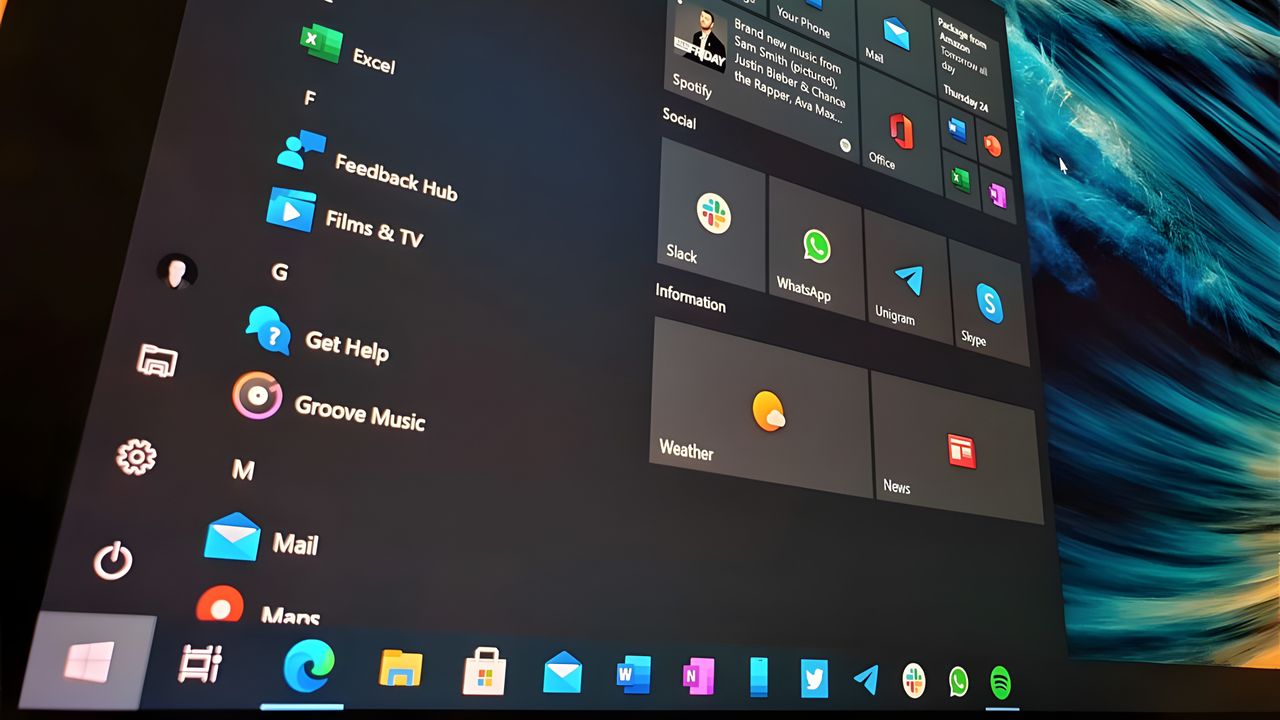
The Windows 10 Start Menu
![]()
![]()
Smartwatches aren’t just wrist accessories anymore; they’re powerful, purpose-driven extensions of your lifestyle. Whether you’re an athlete, a gamer, a style enthusiast, or simply someone who wants to stay connected, the right wearable can elevate your daily routines. As October 2025 brings fresh innovation and daring new designs, the world of smartwatches is more diverse and exciting than ever.
From minimalist e-paper displays to rugged adventure companions and even a gaming PC for your wrist, this year’s lineup is packed with options that speak to every need and personality. Our list explores the best smartwatches available now, highlighting their unique strengths, standout features, and potential drawbacks. Dive in to find the perfect wearable for your wrist and your world.
![]()
![]()
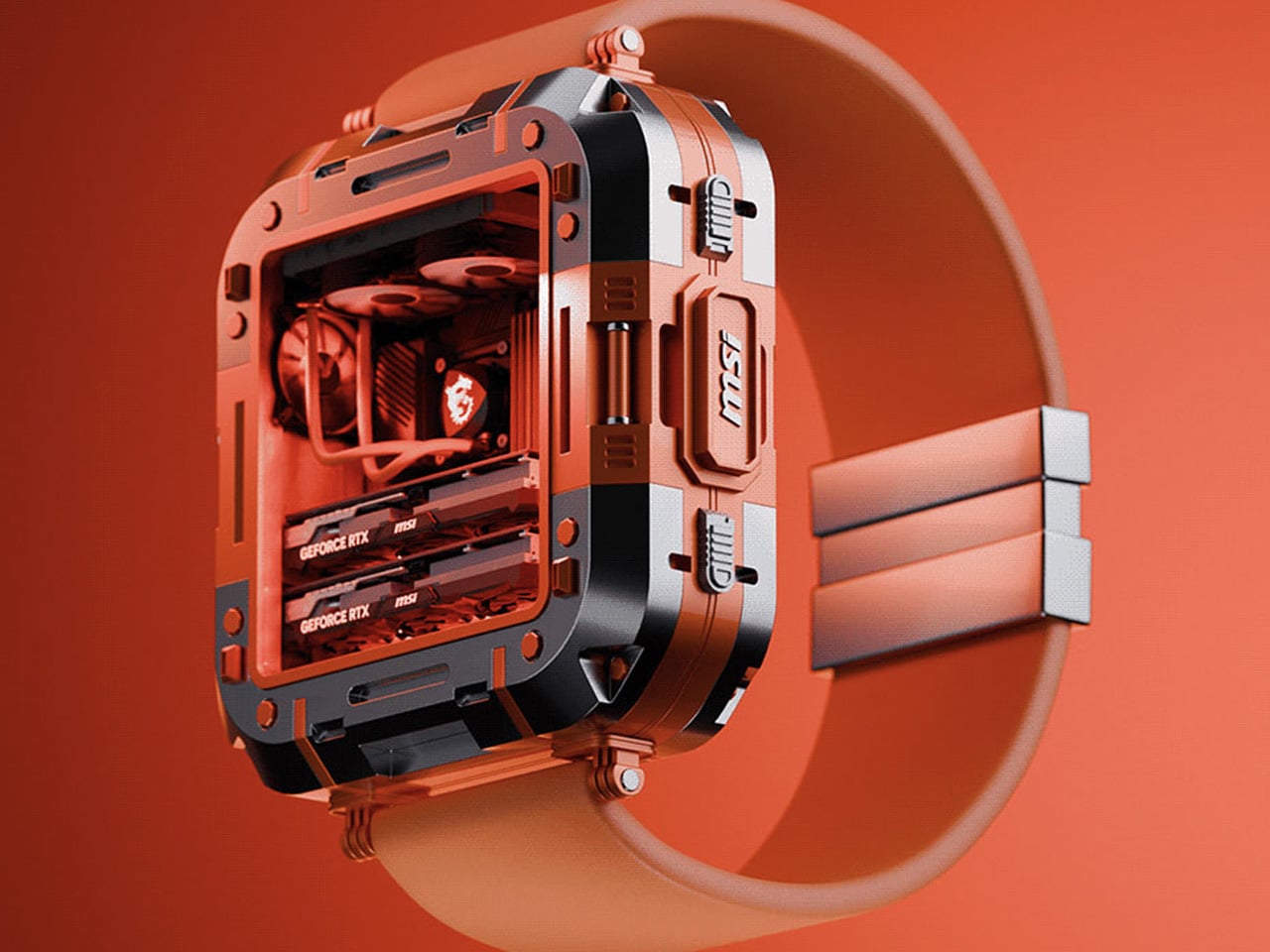
The MSI Gaming PC Watch is a spectacle for anyone who lives and breathes gaming. With its MSI dragon-red theme, transparent façade, and visible hardware, it’s an unmistakable tribute to high-performance rigs. This wearable doesn’t just tell time—it showcases your passion, sparking conversations and envy alike. While it might look like a traditional watch at first glance, its true identity is a full-fledged mini PC strapped to your wrist.
Analog watch hands are visible but understated, hinting at its timekeeping function. Four side pushers let you toggle features, and the construction feels robust with a metal alloy case. Not everyone will need or want a wearable computer on their wrist, but for those who do, nothing else comes close to this level of commitment and flair.
![]()
![]()
Apple’s Ultra 3 brings a new dimension to smartwatch displays, boasting the largest and most advanced screen ever fitted to an Apple Watch. With wide-angle OLEDs and LTPO3 technology, it’s readable at any angle—even in direct sunlight or underwater. Apple’s design team has maximized the display space by shrinking the borders, so you get a bigger, better canvas without a larger watch.
Always-on features are smarter and more efficient, staying visible without draining the battery. Real-time seconds and instant stats make it a must for athletes and adventure seekers. If clarity, screen quality, and high-tech durability are priorities, the Ultra 3 is at the head of the pack.
![]()
![]()
Pebble’s comeback is all about maturity and minimalism. The Time 2 features a stainless steel case and integrated lugs that create a seamless, intentional flow from the case to the strap. The nearly edge-to-edge 1.7-inch color e-paper display sits flush with the glass, inviting you to run your finger along its perfectly smooth edges. This is a smartwatch for those who crave simplicity and customization without sacrificing style.
Available in Silver, Black, and Champagne Gold, the Time 2 lets you swap out standard 22mm bands, making it adaptable for any look. It’s a refined, user-first foundation that feels both nostalgic and modern. The e-paper display also means longer battery life and easy outdoor readability.
![]()
WearPods is a clever hybrid, hiding a pair of true-wireless earbuds within the body of a smartwatch. It’s designed for the forgetful and the futuristic, merging two essential devices into one. The 1.93-inch display and smart features are impressive, but the real magic happens when you pop out the earbuds with a satisfying click, ready for calls or your favorite playlist.
This all-in-one approach does come with some trade-offs. Packing both a smartwatch and earbuds into such a compact form means battery life isn’t stellar, and the ergonomics for both components might not suit everyone. Still, for tech lovers who want to reduce pocket clutter, it’s a novel solution.
![]()
![]()
The Ollee Watch turns the classic Casio F-91W into a customizable smartwatch through a mainboard swap. You keep the retro resin case, LCD, and water resistance, while gaining step tracking, notifications, and Bluetooth. It’s a clever, open-source upgrade that bridges nostalgia and modern convenience.
DIY fans will appreciate the upgrade process, which doesn’t require advanced skills. The result is a connected, functional timepiece that feels both familiar and fresh—ideal for those who want to retain the original’s charm while adding new tech.
![]()
![]()
Garmin’s Instinct 3 offers versatility with AMOLED and solar-powered variants, each available in two sizes. The AMOLED model delivers vivid visuals for gym goers, while the solar model boasts unlimited battery life in sunlight—ideal for outdoor enthusiasts. Up to 24 days on a single charge sets a new standard for smartwatch endurance.
The Instinct 3 is built tough, with extensive fitness tracking and navigation features. While its rugged look won’t win fashion awards, its performance and battery options make it a reliable companion for any adventure.
![]()
![]()
TAG Heuer’s collaboration with Oracle Red Bull Racing produces a standout luxury smartwatch. The 45mm DLC titanium case, bold racing-themed strap, and dial make it a collector’s item. It’s packed with features for health, fitness, and lifestyle, all wrapped in the prestige of Swiss watchmaking.
This is a watch for motorsport fans and those who appreciate both tradition and cutting-edge tech. While its price and look may not be for everyone, it’s a striking fusion of speed and sophistication.
![]()
![]()
Apple’s Series 11 sets a new bar for health-focused smartwatches. With advanced sensors, silent killer detection, and always-on ECG, it’s the most feature-packed Apple Watch yet. Hardware upgrades ensure it’s more durable and connected than ever, while seamless integration into the Apple ecosystem makes it a natural choice for iPhone users.
It’s designed for those who want a blend of style, utility, and medical-grade monitoring on their wrist. The only major downside is its battery life, which still requires daily charging.
![]()
![]()
The Huawei Watch GT 6 Pro is built for athletes who need their gear to last. Its sapphire crystal display and titanium case shrug off scratches and impacts, while the 21-day battery life is a game-changer for training camps and expeditions. Peak brightness makes it easy to read outdoors, and pro-grade GPS and tracking features cater to serious runners and cyclists.
While its focus is on endurance and performance, it may not have the app ecosystem or lifestyle features of more mainstream smartwatches.
![]()
![]()
Ksana’s hybrid smartwatch puts a small E Ink display at the center, overlaying an analog dial with glowing hands. This battery-saving approach means you get only the essential info, without distractions or frequent charging. The analog movement adds classic charm, while the display excels in any lighting.
It’s ideal for anyone who values simplicity and mindfulness over a barrage of notifications. The pared-back approach means you’ll miss out on richer app experiences, but for many, that’s a feature, not a bug.
Choosing the right smartwatch in October 2025 is all about matching your personal style, needs, and habits. This year’s lineup is more diverse than ever, from the boldest gaming wrist rigs to the most subtle hybrid analogs. Whether you crave battery life, health tracking, luxury, or sheer uniqueness, there’s a wearable that aligns with your priorities.
The best smartwatch is the one that disappears into your day and amplifies what you value most, whether that’s adventure, connectivity, or simplicity. As innovation continues to redefine what’s possible on your wrist, you have more freedom than ever to choose a device that feels tailored just for you.
The post 10 Best Smartwatches To Consider In October 2025: Find The Perfect Wearable For You first appeared on Yanko Design.

Windows 10 logo on a clock close to striking midnight.
![]()

Windows 10 running on a laptop with desktop elements displayed on its screen
![]()

![]()
![]()

Windows 10 Start logo
![]()

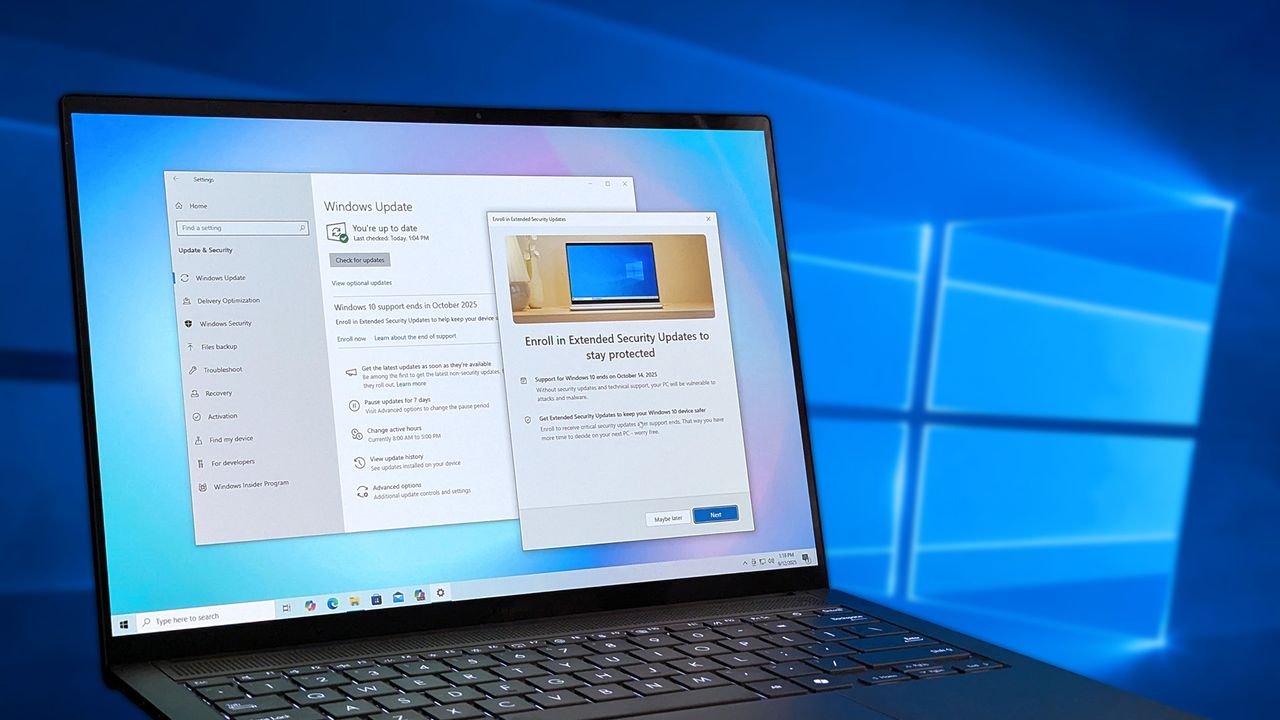
Windows 10 ESU program displayed on an ASUS Zenbook laptop screen
![]()
![]()
September 2025 has delivered an impressive lineup of sustainable designs that prove environmental consciousness doesn’t require sacrificing style or functionality. From water bottles engineered with medical-grade precision to furniture crafted from waste materials, this month’s standout products demonstrate how thoughtful design can address both our daily needs and planetary concerns.
These designs represent more than just green alternatives to conventional products. They’re examples of how sustainable thinking can drive innovation, creating objects that often perform better than their traditional counterparts. Each product on this list solves real problems while reducing environmental impact, showing that eco-friendly design has fully matured from niche concern to mainstream excellence.
![]()
![]()
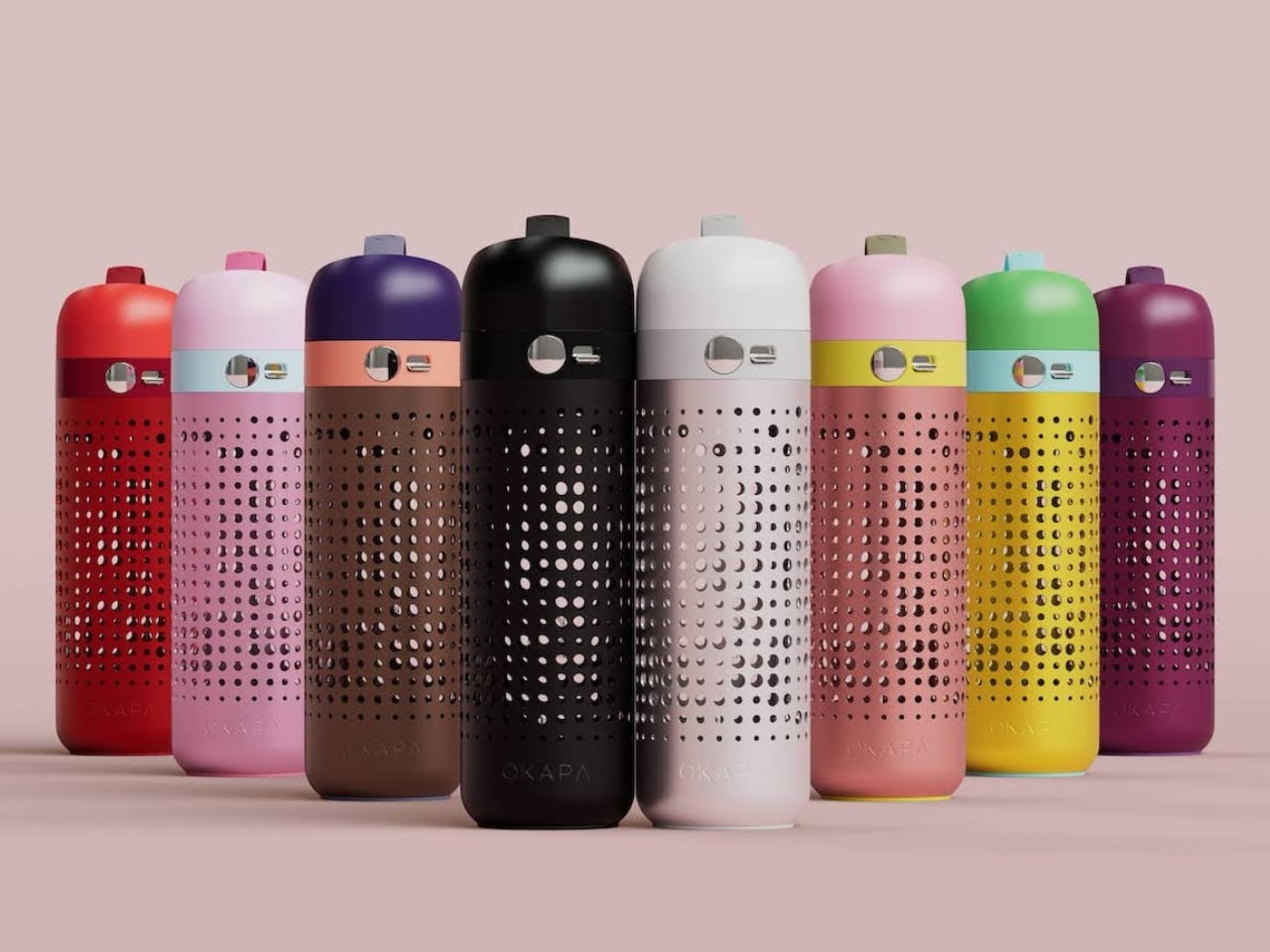
The OKAPA water bottle elevates hydration into an engineering achievement, combining over 70 global patents with materials trusted in medical settings. Every component serves both performance and safety, from the Swiss-made Grilamid TR-90 spout to the German borosilicate glass body. This isn’t just another reusable bottle; it’s a technical marvel that sets new standards for what portable hydration can be.
Hygiene drives every design decision in the OKAPA system. The medical-grade spout material resists odors and bacteria while meeting both EU and FDA safety standards. The borosilicate glass body prevents chemical leaching and handles temperature changes without compromising water purity. Each sip delivers clean, fresh water that tastes exactly as intended, proving that sustainable choices can exceed conventional alternatives in every measurable way.
![]()
![]()
This biodegradable tumbler transforms daily hydration into an environmental statement through revolutionary material science. Crafted from corn and paper-based resin, it offers the familiar comfort of ceramic and wood while completely biodegrading into water and CO2 through natural microbial processes. Each piece carries unique variations from natural materials, making every tumbler subtly different while maintaining consistent performance and heat resistance up to 248°F.
The matte black urethane coating adds water resistance and sophisticated texture while preserving the eco-friendly core material. This thoughtful finish ensures durability for daily use without compromising the biodegradable properties that make this tumbler special. Contemporary design meets environmental responsibility, creating a vessel that looks as good as it feels while supporting sustainable living practices with every use.
![]()
![]()
Lollo reimagines portable dining through brilliant compact engineering that nests three essential utensils into one streamlined unit. The stainless steel spoon, fork, and knife feature subtly concave handles that stack together perfectly, eliminating the bulk and inconvenience of traditional travel cutlery sets. This clever design means you’ll never again struggle with mismatched or clunky utensils that refuse to stay organized in your bag.
The recycled silicone cap performs double duty as both protection and containment, keeping your cutlery hygienic before meals and mess-free afterward. This practical feature transforms into an environmental statement by utilizing recycled materials and reducing single-use plastic dependency. Lollo supports sustainable living one meal at a time, proving that eco-friendly choices can improve daily experiences while reducing planetary impact.
![]()
IGGY captures the nostalgic charm of traditional storm lamps while eliminating every inconvenience through modern solar technology. The classic silhouette immediately evokes warmth and comfort, but replaces dangerous fuel tanks with sleek solar panels that harness free energy from the sun. This thoughtful design maintains the rugged dependability and emotional appeal of vintage lanterns without the weight, mess, or environmental concerns of kerosene-powered alternatives.
Lightweight construction preserves the portability that made storm lamps essential travel companions while adding contemporary convenience. The solar panel provides reliable illumination without ongoing fuel costs or toxic emissions, making IGGY perfect for camping, emergency lighting, or creating an ambient atmosphere anywhere. This perfect fusion of heritage aesthetics and sustainable technology proves that modern solutions can honor the past while building a cleaner future.
![]()
![]()
The Da Vinci Pencil transcends traditional writing tools by lasting 7-10 years under normal use while doubling as a bookmark when not actively writing. Advanced 3D printing technology creates this minimalist multi-purpose tool from PLA-CF (Polylactic Acid with Carbon Fiber), combining strength with lightweight performance. The high-performance metal alloy nib eliminates sharpening and refilling while delivering smooth writing that matches traditional graphite without the waste.
Ergonomic shaping ensures natural grip comfort during extended writing sessions, while the thin profile allows bookmark use without damaging pages or disrupting book closure. This thoughtful design reduces waste by replacing dozens of traditional pencils over its lifespan, proving that sustainability can improve functionality rather than compromise it. The Da Vinci Pencil demonstrates how rethinking familiar objects can create superior experiences while supporting environmental goals.
![]()
![]()
The Cork Box transforms organization through natural toasted cork agglomerate that requires no chemical adhesives or artificial binding agents. Designed by Ana Relvao and Gerhardt Kellermann, these stackable containers use heat-activated natural cork resin to create sturdy, lightweight storage that brings warmth and organic texture to any space. The manufacturing process relies entirely on cork’s inherent properties, making these boxes genuinely eco-friendly without performance compromises.
Natural cork agglomerate offers unique tactile qualities that synthetic materials cannot replicate, creating storage solutions that feel as good as they look. The stackable design maximizes vertical space efficiency while maintaining easy access to contents, perfect for modern homes and offices where organization meets aesthetic appeal. These boxes prove that sustainable materials can enhance rather than limit design possibilities while delivering superior functionality.
![]()
![]()
The SMÅ printer revolutionizes home and office printing through a vertical design that maximizes functionality while minimizing desk space requirements. Smart engineering places the paper feed at the top with integrated storage for up to 120 sheets, eliminating separate trays while maintaining clean aesthetics. The transparent extension prevents multi-page documents from sliding off while preserving the compact footprint that makes SMÅ perfect for modern workspaces.
Eco-conscious design principles drive every aspect of SMÅ’s development, from energy-efficient operation to reduced material usage in manufacturing. This sustainable approach creates a printer that performs better while consuming fewer resources, proving that environmental responsibility can improve rather than limit technological capabilities. SMÅ demonstrates how rethinking familiar devices can create superior user experiences while supporting planetary health through thoughtful engineering choices.
![]()
![]()
The Paper Tube Chair challenges furniture industry norms by transforming discarded cardboard tubes into functional seating inspired by Pierre Jeanneret’s iconic library chairs. Dhammada Collective intercepts waste from local print shops where thick tubes face landfill disposal due to glue layers that prevent recycling. Fifteen salvaged tubes are cut and assembled using bright vermilion rope through figure-eight lashing patterns that tighten under load while maintaining component replaceability.
This radical material choice embodies “joyful frugality” by making quality design accessible to communities beyond metropolitan centers through abundant waste streams. The open-source approach democratizes furniture creation while proving that discarded materials can create beautiful, functional objects when approached with creativity and skill. Construction techniques borrowed from traditional crafts create structural integrity that rivals conventional furniture while celebrating sustainable resourcefulness.
![]()
![]()
IKEA’s new Bluetooth speakers embrace Scandinavian simplicity while incorporating eco-friendly materials and energy-efficient technology. The NATTBAD features soft, rounded edges and matte finishes in neutral colors that complement any interior, while BLOMPRAKT adds whimsical patterns in a compact cube design. Both models utilize Bluetooth 5.3 for seamless connectivity and feature touch-sensitive controls that respond to gentle taps for volume and track management.
The innovative Spotify Tap button launches the streaming service instantly, reflecting IKEA’s pivot toward accessible, music-first experiences. Sustainable materials and energy-efficient operation demonstrate environmental responsibility without sacrificing functionality or aesthetic appeal. These speakers prove that eco-friendly electronics can deliver superior user experiences while supporting sustainable living practices through thoughtful design and manufacturing choices that prioritize both performance and planetary health.
![]()
The Sonnenglas Light Carafe elevates solar lighting through a sophisticated design that transforms recycled glass bottles into stunning illumination pieces. Handcrafted construction ensures each piece is unique while maintaining consistent performance for both indoor and outdoor use. The elegant carafe silhouette offers a refined alternative to traditional mason jar solar lights, with sleek proportions that complement any décor style from rustic to contemporary.
Environmental responsibility drives every aspect of production, from 100% recycled glass construction to solar power that eliminates ongoing energy costs. This commitment creates lighting solutions that support sustainable living while delivering aesthetic appeal and reliable functionality. The Sonnenglas demonstrates how recycled materials can create premium products that exceed conventional alternatives in beauty, performance, and environmental impact through thoughtful design and manufacturing.
September 2025’s eco-friendly designs demonstrate that sustainability has evolved beyond simple material substitution. These products represent sophisticated engineering solutions that often exceed conventional alternatives in performance, durability, and user experience. From medical-grade water bottles to waste-stream furniture, each design proves environmental consciousness drives innovation rather than constraining it.
These diverse products unite through their commitment to solving real problems sustainably. Whether reducing plastic waste, extending lifecycles, or utilizing renewable energy, each design makes environmental responsibility feel natural and beneficial. This maturity suggests consumers can now choose sustainable options without compromising quality, functionality, or aesthetic expectations.
The post 10 Best Eco-Friendly Designs Of September 2025 first appeared on Yanko Design.

![]()
![]()
![]()
![]()

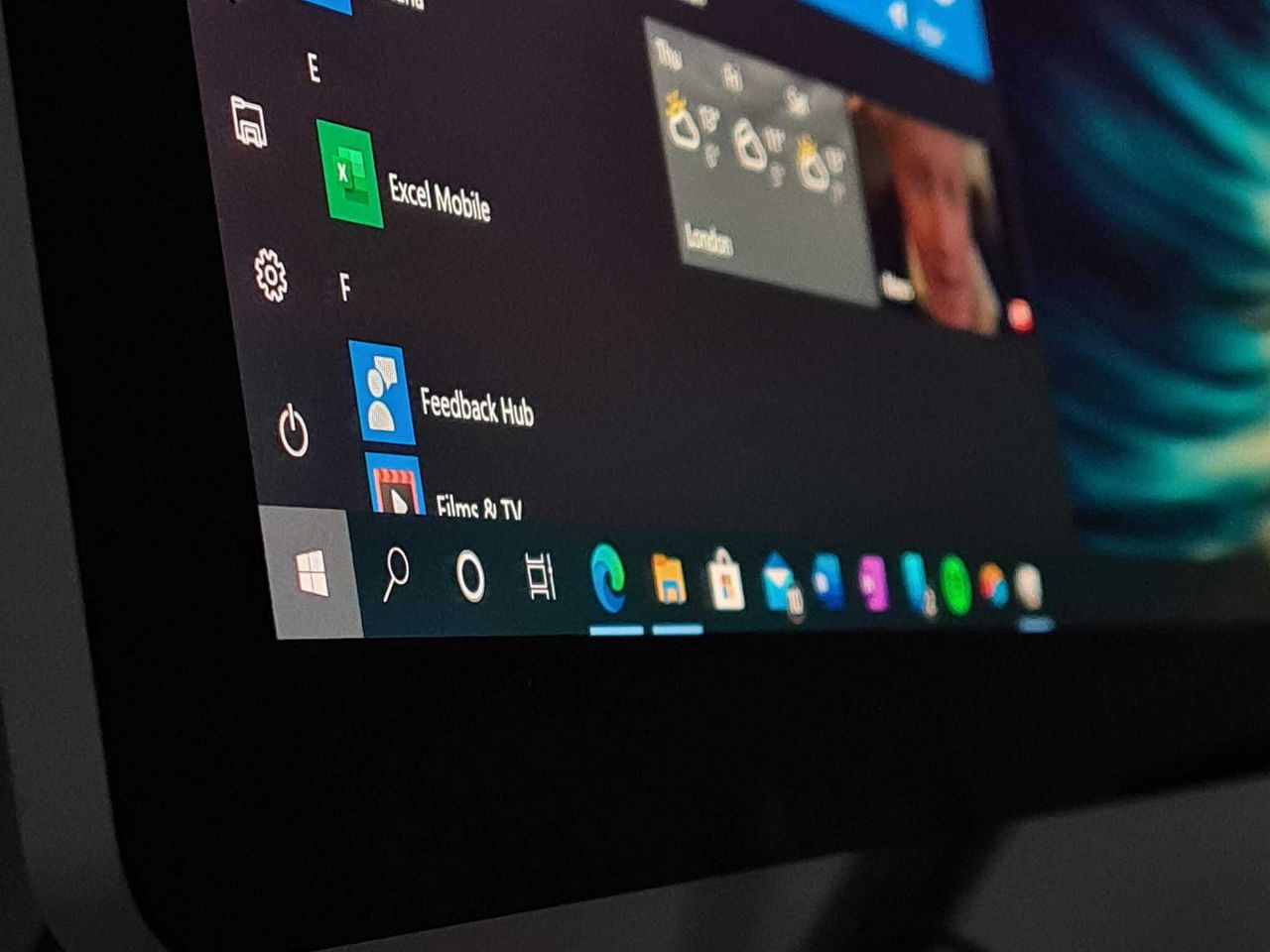
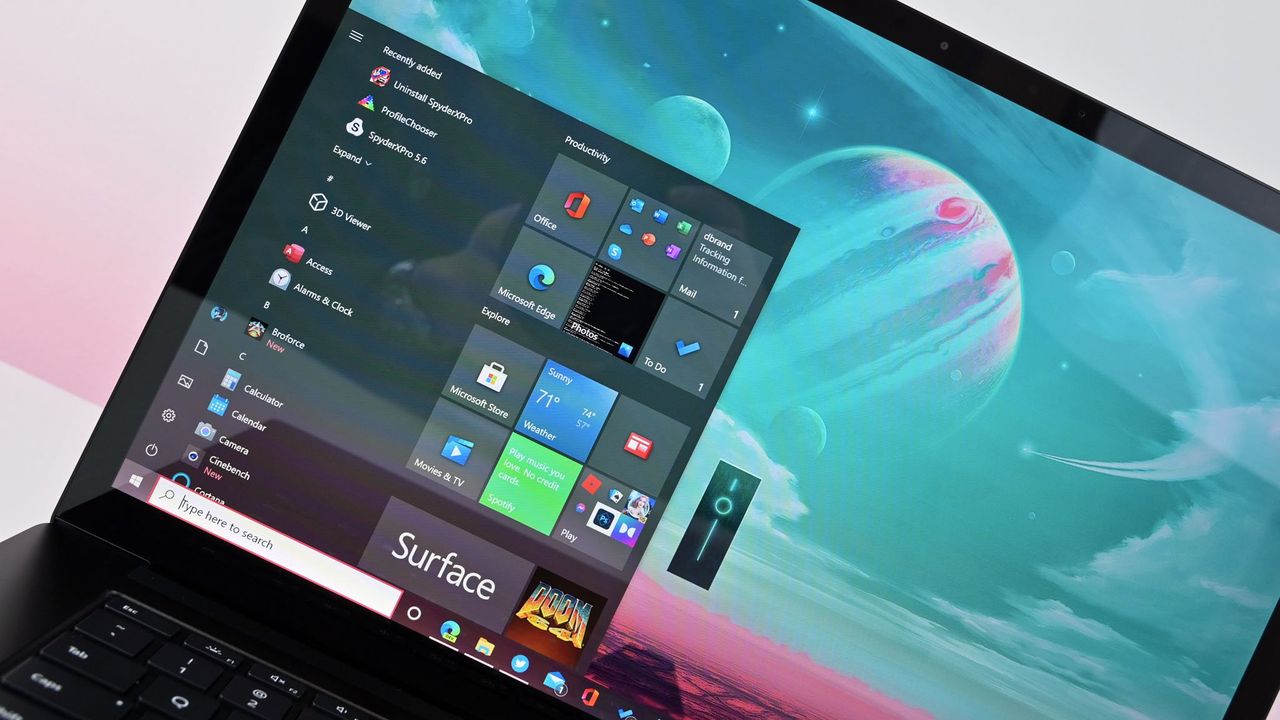
Windows 10 Start menu on Microsoft's Surface Laptop 4.
![]()

Microsoft Edge Update page
![]()