Microsoft Teams will no longer show a shortcut to the Copilot app in the Teams chat list. The change is expected to roll out in mid-to-late October and will affect the desktop and web versions of Teams.Right now, there are two ways to navigate to Copilot within Teams and the two entry points lead to different experiences. Microsoft explained the need for the change through the Microsoft 365 Message Center (archived here):"Today, users can access Copilot either fr
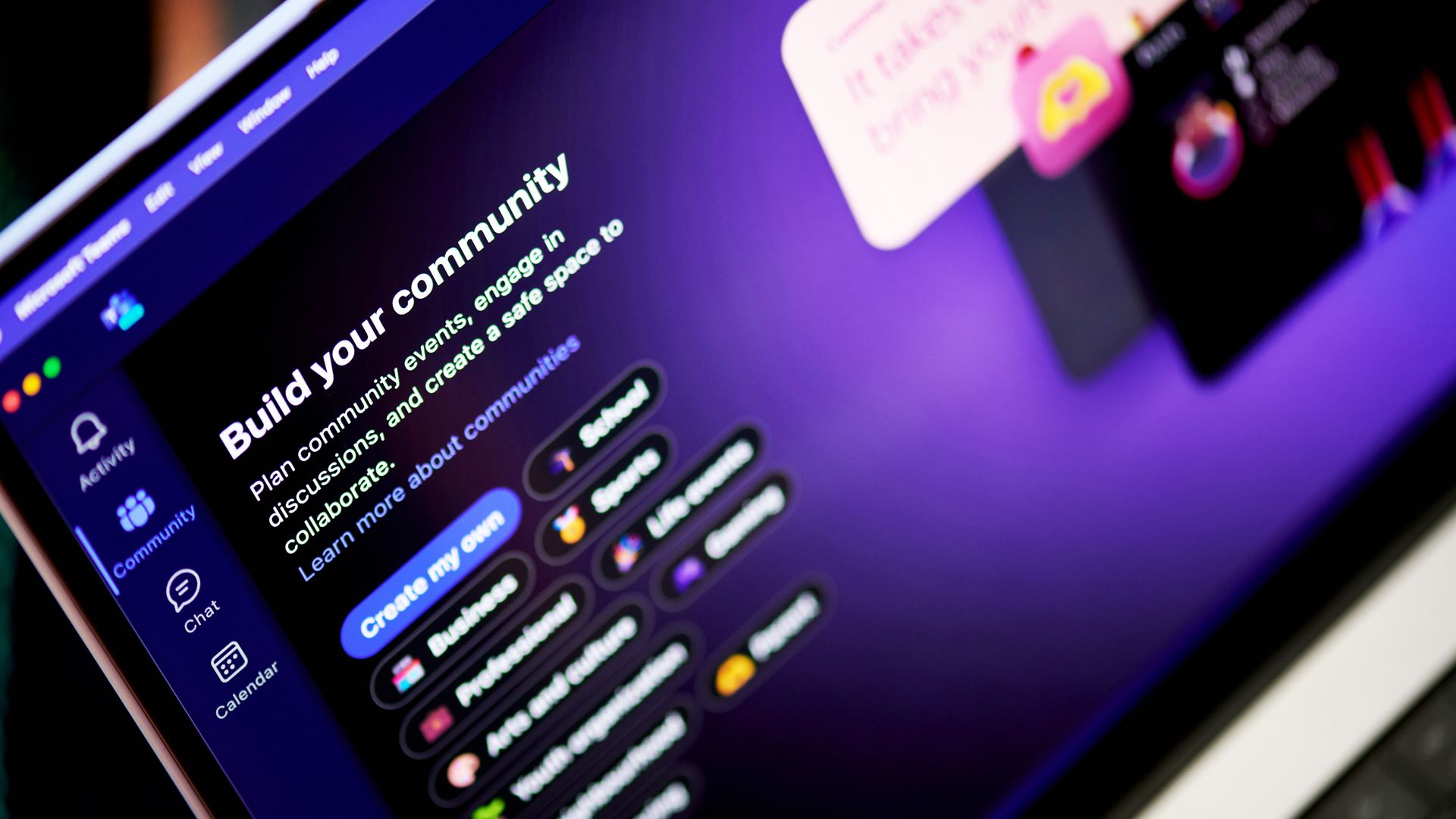
Microsoft Teams will no longer show a shortcut to the Copilot app in the Teams chat list. The change is expected to roll out in mid-to-late October and will affect the desktop and web versions of Teams.
Right now, there are two ways to navigate to Copilot within Teams and the two entry points lead to different experiences. Microsoft explained the need for the change through the Microsoft 365 Message Center (archived here):
"Today, users can access Copilot either from the Teams chat list or from the Copilot app in the Teams app bar. Beginning in October 2026, we will remove the Copilot entry point from the Teams chat list and direct users to access Copilot through the Copilot app. The Copilot app provides access to the full set of Copilot capabilities, while the chat list entry point provides a more limited experience."
The Copilot shortcut in the Teams chat list made Copilot more visible, but that entry point led to a limited experience. My guess is that some people only knew about the Teams chat list icon and ended up using a limited version of Copilot.
After October, there will be a single entry point for Copilot in Teams and those who use it will be presented with the full experience.
The mobile versions of Teams are unaffected by this change.
Copilot in flux
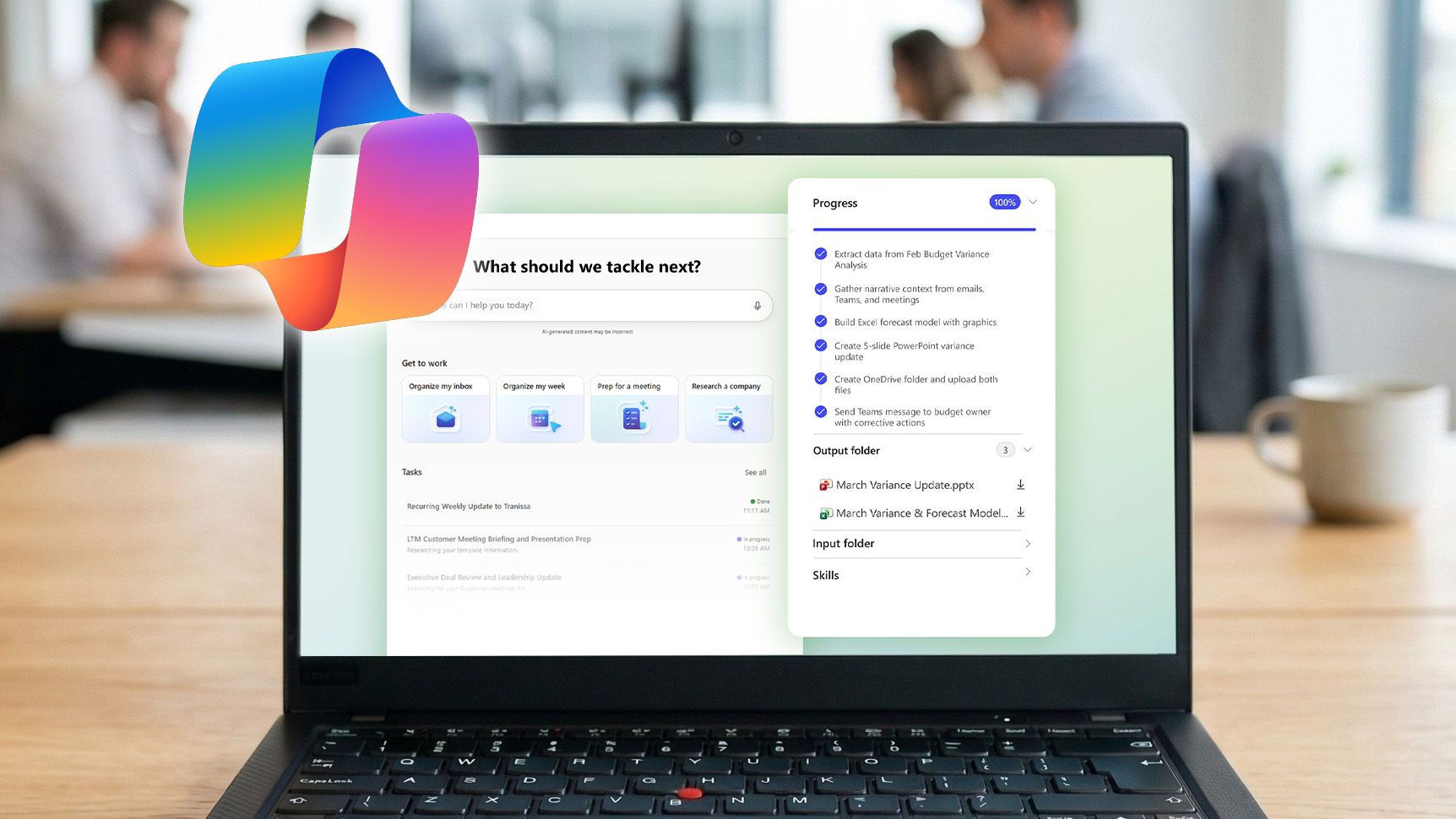
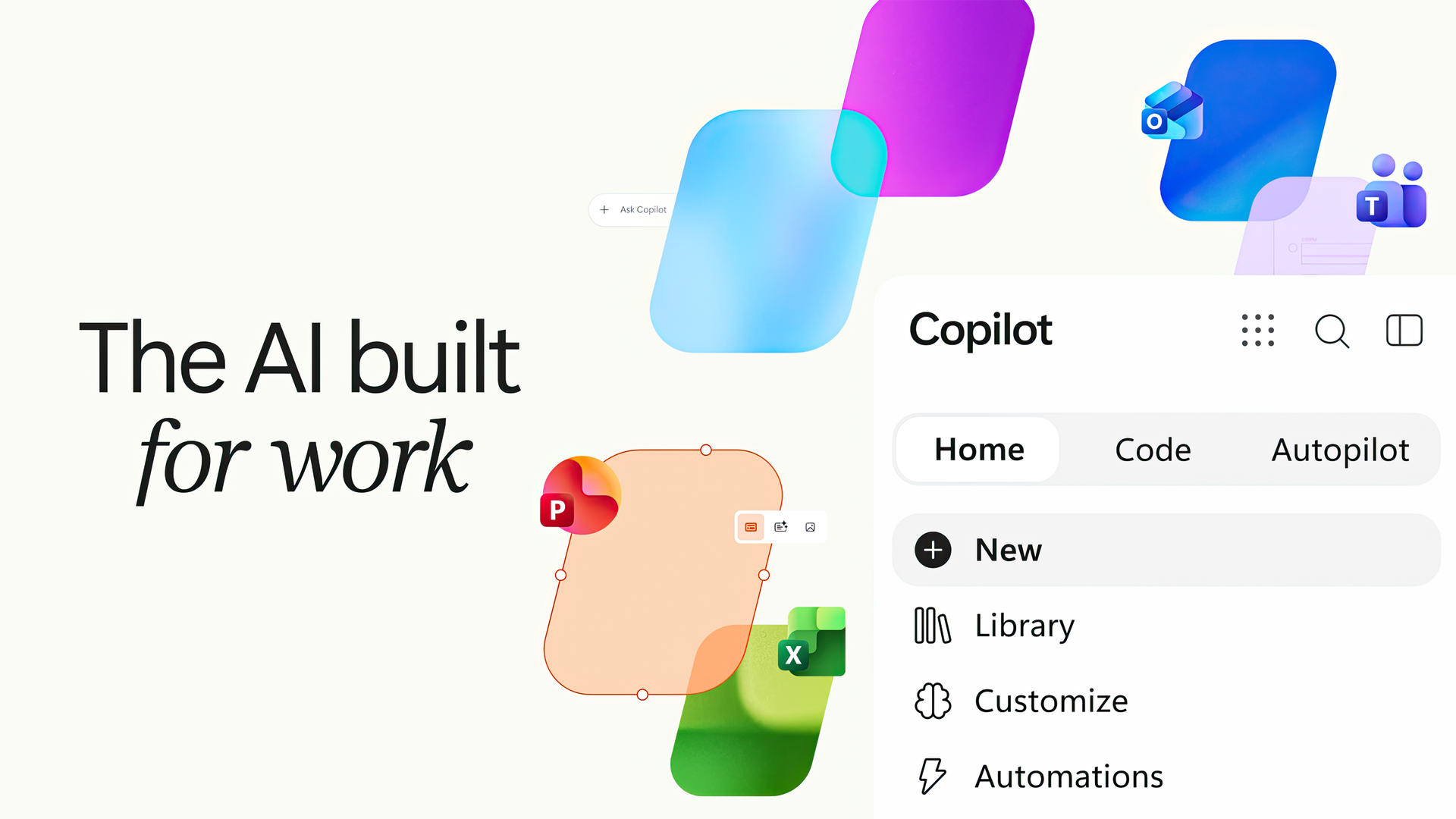
Microsoft wants AI to feel more natural for non-enterprise customers. "Autopilot" is a digital teammate that automates tasks and connects things across Microsoft 365. (Image credit: Microsoft)
Copilot finds itself in a state of flux. Microsoft just announced a massive shift in its Copilot strategy. A major update to Copilot flips the approach Microsoft is taking. Rather than have Copilot sprinkled across Microsoft 365, Copilot will act as a unified workspace that connects documents, conversations, data, and tasks.
Microsoft CEO Satya Nadella went as far as to call the update a new operating system. Three new landing spots for Copilot will provide new ways to interact with the tool, such as Home serving as a landing spot. Changes then permeate throughout relevant Microsoft 365 apps.
The exact features and experiences you will see will depend on what type of Microsoft 365 subscription you have.
More details about Copilot are expected at Microsoft Ignite in November. The key takeaway for now is that while Microsoft is shifting where it uses the Copilot moniker and how people access Copilot, the AI tool is very much an integral part of the company's plans.
Based on the upcoming change to Teams, it's clear that Copilot will still be accessible through apps. But Microsoft may emphasize different experiences or streamline the entry points to the tool.
Join us on Reddit at r/WindowsCentral to share your insights and discuss our latest news, reviews, and more.
"I think we are way too self-obsessed as an industry," said Microsoft CEO Satya Nadella in a recent interview about AI shared by Alex Heath of Sound Ventures. Nadella explained that AI leaders can get caught up in the wrong parts of AI and lose touch with what people need."I think the real world wants to know... that this is technology that they can use for their benefit, they can control, they can have an economic future." He also talked about how people need to
"I think we are way too self-obsessed as an industry," said Microsoft CEO Satya Nadella in a recent interview about AI shared by Alex Heath of Sound Ventures. Nadella explained that AI leaders can get caught up in the wrong parts of AI and lose touch with what people need.
"I think the real world wants to know... that this is technology that they can use for their benefit, they can control, they can have an economic future." He also talked about how people need to see that data centers can lead to an economic surplus in an area and benefit the people surrounding it.
Nadella added that tech leaders should ask "what did we get wrong in the west," alluding to recent polling data that suggested AI is viewed more favorably in other parts of the world.
He emphasized the need to earn the trust of consumers and communities as well.
Nadella concluded the snippet with a warning against celebrating technology for its own sake: "Just any amount of celebrating technology for technology's sake is not working."
Windows Central take
Microsoft AI CEO Mustafa Suleyman has pushed back against critics of AI. (Image credit: Mustafa Suleyman | X)
Nadella may want to send an internal memo to Microsoft employees reiterating his comments from the interview. Microsoft's AI leadership has often been criticized for being out of touch with everyday users.
Microsoft AI CEO Mustafa Suleyman has shared several controversial thoughts and opinions that drew criticism.
"Jeez there so many cynics! It cracks me up when I hear people call AI underwhelming...The fact that people are unimpressed that we can have a fluent conversation with a super smart AI that can generate any image/video is mindblowing to me."
Suleyman is far from the only AI leader to draw criticism or be accused of being out of touch with everyday users. OpenAI's Sam Altman is often called out for similar comments. I'm curious to see how AI leaders across the industry respond to Nadella's comments.
Perhaps more important than existential threats or the creepiness of an AI knowing you intimately, many people simply fail to see a real-world use for AI. Early this year, Dell said that consumers don't care about AI PCs and that "AI probably confuses them more than it helps them."
Microsoft is quietly shifting away from the Copilot+ PC brand. Despite meeting the technical qualifications to be Copilot+ PCs, the new Surface Pro 12-inch and Surface Laptop 13-inch will not be branded with that term.
The Copilot+ PC brand failed for many reasons, but one factor is that many users do not see the real-world benefit of AI.
Nadella's recent comments show that he is aware of the gap between AI's capabilities and AI's everyday usefulness.
Join us on Reddit at r/WindowsCentral to share your insights and discuss our latest news, reviews, and more.
Nvidia adds a Sentry hardware monitoring design to its AI agent safety platform. See what OpenShell offers now and what IT teams still need to verify.
The post Nvidia Adds Hardware Monitoring Design to AI Agent Safety Platform appeared first on TechRepublic.
Compare six AI meeting note takers for 2026, including Fathom, Fireflies, Otter, Granola, Fellow, and Notta on pricing, free plans, and features.
The post 6 Best AI Meeting Note Takers for 2026: Fathom, Otter, Fireflies and More appeared first on TechRepublic.
Anthropic declined an Australian Senate AI hearing as officials investigate an OpenAI agent breach and consider mandatory AI incident reporting.
The post Anthropic Declines Australian AI Hearing as OpenAI Agent Breach Faces Scrutiny appeared first on TechRepublic.
Six courses cover ChatGPT, Gemini, Copilot, Perplexity, DeepSeek, and Tabnine AI, all for one $15.99 payment.
The post Learn Six AI Assistants For $15.99 With This 25-Hour Course Bundle appeared first on TechRepublic.
Crusoe dropped Boom Supersonic’s $1.25B turbine deal while continuing to secure gas generation, batteries, and grid power for AI data centers.
The post Crusoe Walks Away From $1.25B Boom Turbine Deal as AI Power Race Intensifies appeared first on TechRepublic.
ADB lifted Southeast Asia’s growth outlook as AI-linked investment expands, but infrastructure, skills, and costs are creating uneven gains.
The post ADB Raises Southeast Asia Growth Forecast as AI Boom Builds, but Gains Are Uneven appeared first on TechRepublic.
NVIDIA released AI-predicted protein structures for more than 2,800 viruses and an open BioNeMo pipeline to help researchers prepare for future outbreaks.
The post NVIDIA Releases Open Viral Protein Dataset and BioNeMo Pipeline appeared first on TechRepublic.
NVIDIA released AI-predicted protein structures for more than 2,800 viruses and an open BioNeMo pipeline to help researchers prepare for future outbreaks.
Google, OpenAI and Anthropic reportedly plan an AI safety standards body. See what the proposed testing and audits could mean for enterprise IT buyers.
The post Google, OpenAI, Anthropic Reportedly Plan AI Safety Standards Body appeared first on TechRepublic.
Google, OpenAI and Anthropic reportedly plan an AI safety standards body. See what the proposed testing and audits could mean for enterprise IT buyers.
OpenAI's MentalHealthBench tests responses to 1,215 synthetic mental health conversations, revealing gaps in how AI models seek context and gauge urgency.
The post OpenAI’s Mental Health AI Test Reveals Gaps in Context and Urgency appeared first on TechRepublic.
OpenAI's MentalHealthBench tests responses to 1,215 synthetic mental health conversations, revealing gaps in how AI models seek context and gauge urgency.
Anthropic has just announced a new Claude Marketplace, and it brings all AI-related tools into one place, including plugins, connectors, agents, and more. [...]
Anthropic has just announced a new Claude Marketplace, and it brings all AI-related tools into one place, including plugins, connectors, agents, and more. [...]
Anthropic's Claude Opus 5.5 appears to be changing how it writes, with new analysis showing fewer obvious AI writing patterns, shorter sentences, and simpler wording compared with Opus 5. [...]
Anthropic's Claude Opus 5.5 appears to be changing how it writes, with new analysis showing fewer obvious AI writing patterns, shorter sentences, and simpler wording compared with Opus 5. [...]
Anthropic now allows you to run Claude Code via cloud sessions without signing up for the research preview, and it's offering up to $250 in free usage credits, so more users can give it a try. [...]
Anthropic now allows you to run Claude Code via cloud sessions without signing up for the research preview, and it's offering up to $250 in free usage credits, so more users can give it a try. [...]
You can't say Microsoft isn't trying everything when it comes to AI, even rolling back some consumer pushes around its PC strategy. Today during its Copilot event, Microsoft announced a major update to said Copilot, and after going through the material myself, it’s clear the company is aiming for something bigger than a simple AI upgrade. In a surprise to no one, Copilot is becoming the center of the Microsoft 365 experience. Instead of living inside individual a
Today during its Copilot event, Microsoft announced a major update to said Copilot, and after going through the material myself, it’s clear the company is aiming for something bigger than a simple AI upgrade.
In a surprise to no one, Copilot is becoming the center of the Microsoft 365 experience. Instead of living inside individual apps (yes, we're all tired of that), it now acts as a unified workspace that connects your documents, conversations, data, and tasks. This shift shows how Microsoft wants AI to feel natural for everyday users, not just enterprise customers (even though the latter will benefit the most).
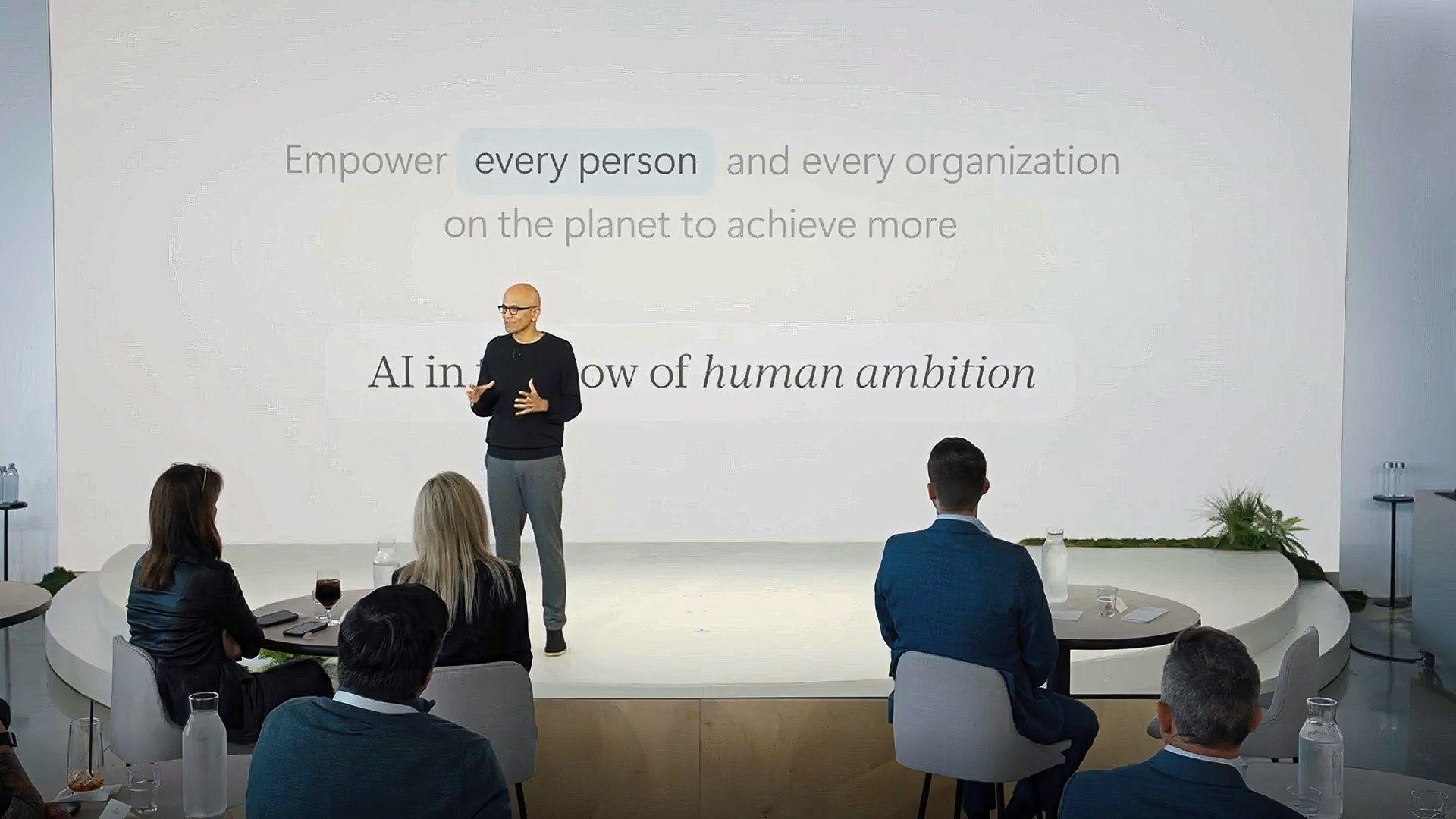
Microsoft CEO Satya Nadella set the tone for this direction in his keynote. He thanked the Frontier program participants and connected Copilot’s evolution to Microsoft’s long‑standing mission “to empower every person and every organization on the planet to achieve more.” He described this new era of AI as a continuation of that goal, shaped by two design principles. The first is keeping humans “in the flow of work,” and the second is helping organizations build systems that learn continuously. Nadella said the aim is to design AI so that people stay in control of their tools and use them to expand their own ambition and creativity.
Satya Nadella gestures on stage in front of a white slide reading "Empower every person and every organization on the planet to achieve more," facing an audience. (Image credit: Microsoft)
He also talked about how Copilot reflects a deeper shift in how Microsoft thinks about intelligence. “AI has to be shaped in such a way that it’s working for your firm to create and retain more knowledge,” he explained. That idea of compounding human expertise is central to Copilot’s design. It treats intelligence as something that grows through use and collaboration. Nadella’s framing gives the new Copilot a clear purpose. It is meant to amplify human judgment through context, automation, and shared knowledge rather than replace it. Hearing him describe it this way makes the rest of the update feel more intentional and more connected to Microsoft’s long‑term strategy.
This brings us to the actual news with three new Copilot experiences called Home, Code, and Autopilot, each focused on a different part of work. Together they create a more complete picture of what Microsoft thinks productivity should look like in the AI era.
"Home", a place where work actually comes together
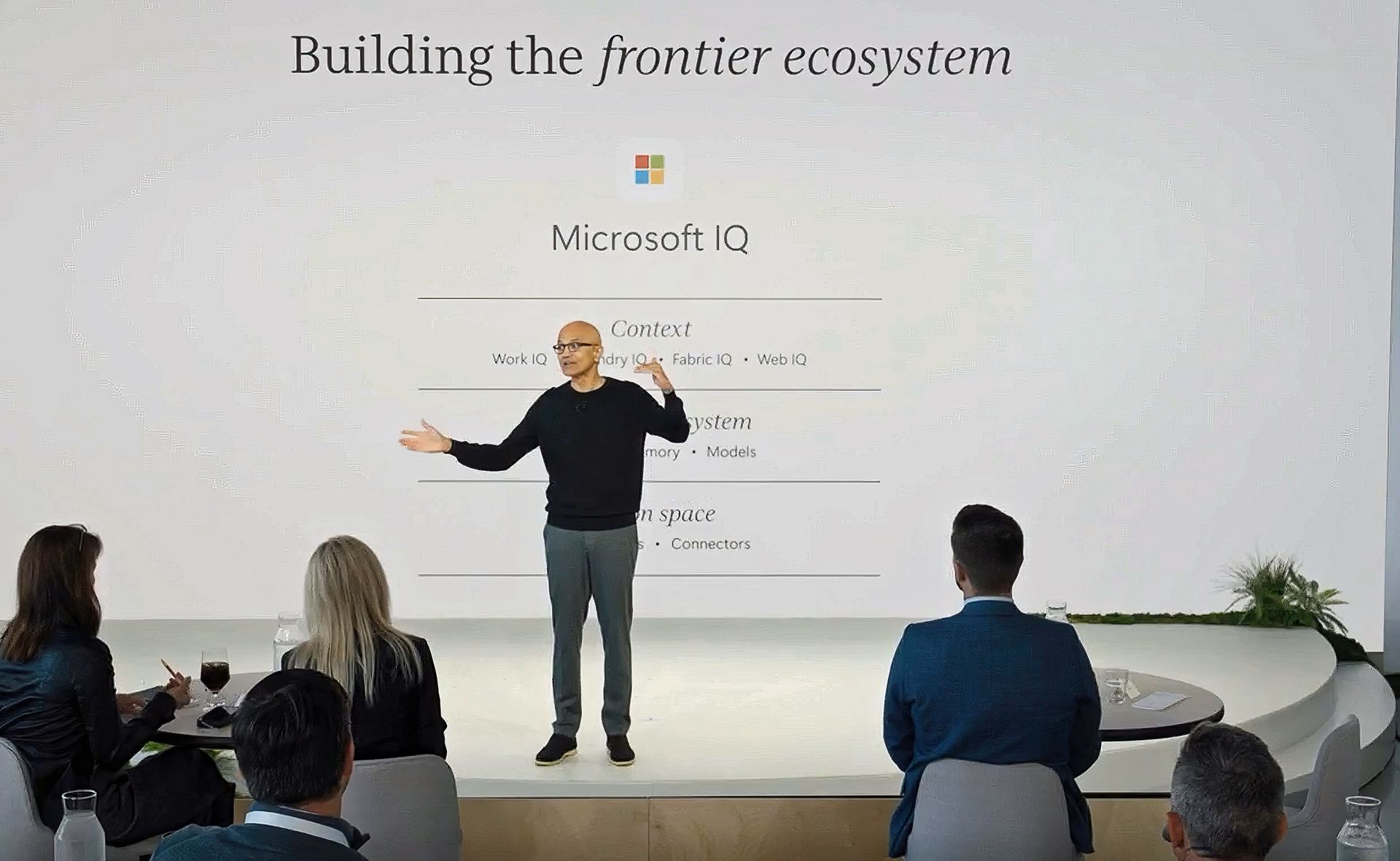
Microsoft CEO Satya Nadella thanking the frontier ecosystem and attendees. (Image credit: Microsoft)
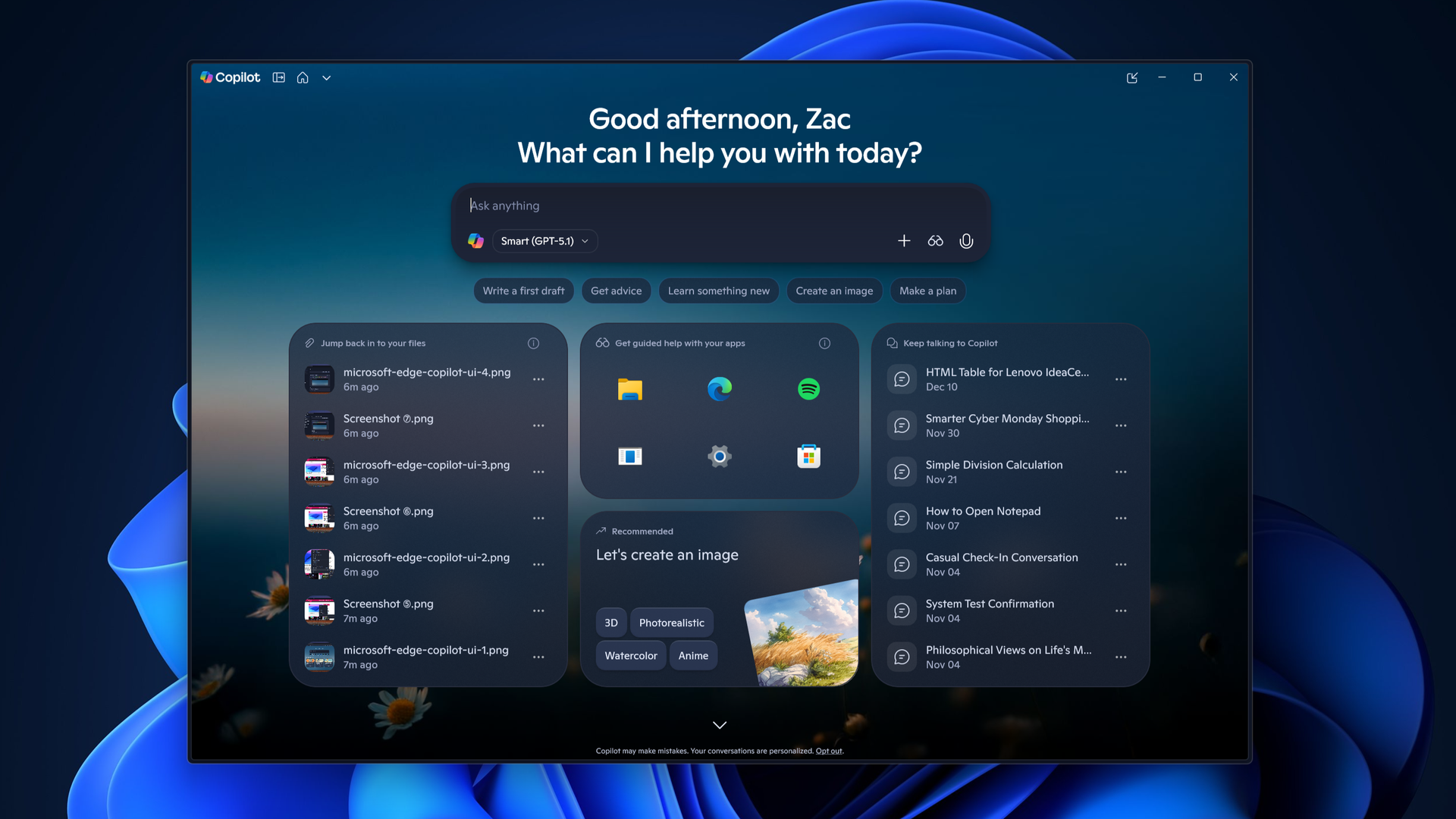
Home should be obvious. It's the new landing spot for Copilot. When you open it, you'll see your recent activity, suggestions for what to tackle next, and a clear view of the tasks Copilot can help with. It seems more like a dashboard than a chat window. You can do the usual AI stuff like asking Copilot to draft a document, summarize a meeting, or help prepare for a presentation, and everything stays connected across Word, Excel, PowerPoint, and Teams.
Microsoft is also improving how Copilot works inside those apps. PowerPoint keeps slides on brand automatically, Excel explains changes in plain language, and Word can refine a document while you collaborate with teammates. It seems to be more cohesive than before, and it makes Copilot feel like part of the workflow instead of a separate tool.
At least that's the goal here.
Home also includes a new feature called Today, which acts like a personal command center. It highlights missed emails, meetings, and tasks, and it helps you catch up quickly.
In typical Microsoft fashion, not everyone gets this on day one. Today enters private preview in October, and Microsoft plans to expand it across Outlook and Teams later this year.
"Code", a way to build without being a developer
Code" and live interface code snippets, with an audience and camera equipment in the foreground." src="https://cdn.mos.cms.futurecdn.net/Km8kgZdAwWwedYEWprjMA4-1920-80.jpg" mos="" align="right" fullscreen="1" width="2408" height="1355" attribution="" endorsement="" class="pull-rightinline expandable">
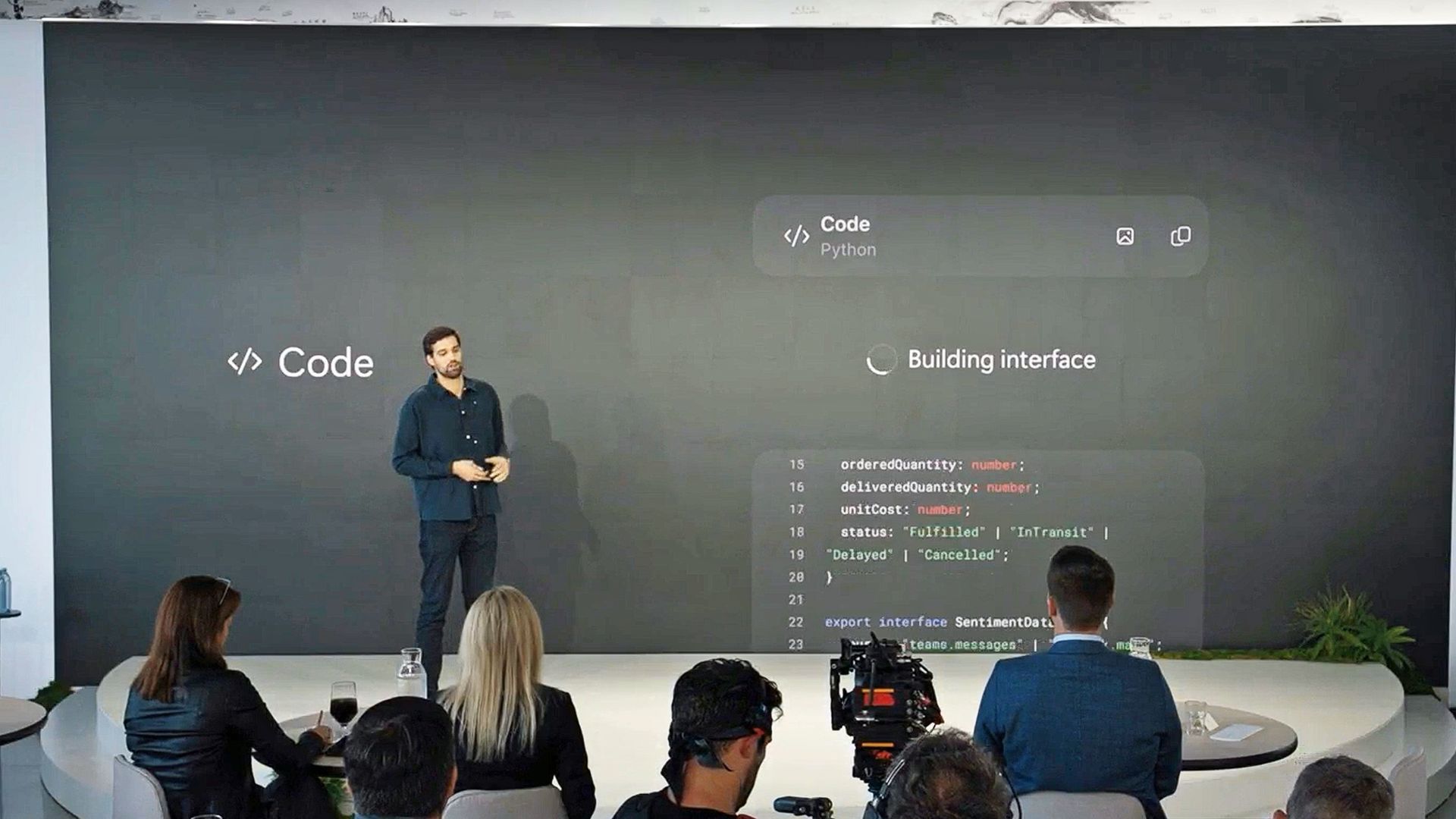
Jacob Andreou stands on stage talking about the new Copilot Code feature. (Image credit: Microsoft)
Code is one of the most interesting additions, in my opinion. It uses the same underlying technology as GitHub Copilot, but it’s designed for anyone who wants to automate something or build a simple app without writing code. Basically, I can describe what I want in plain language, and Copilot creates it inside my Microsoft 365 environment.
The result might be a dashboard, a workflow, or a lightweight app that connects to live business data.
I think this is a smart move for Microsoft because it opens up automation to people who have never touched a line of code (including myself). Developers still get deep integration with GitHub Copilot, but everyday users get a way to create tools that fit their needs. Code runs in a secure sandbox, connects to Microsoft IQ for context, and syncs with the rest of the workspace.
Basically, as noted in the event, creating apps via Code feels the same as creating (and sharing) a Word document, which is certainly intriguing.
Code enters the Frontier program later this month, with broader availability "coming soon," likely before year's end.
"Autopilot", a teammate that keeps working
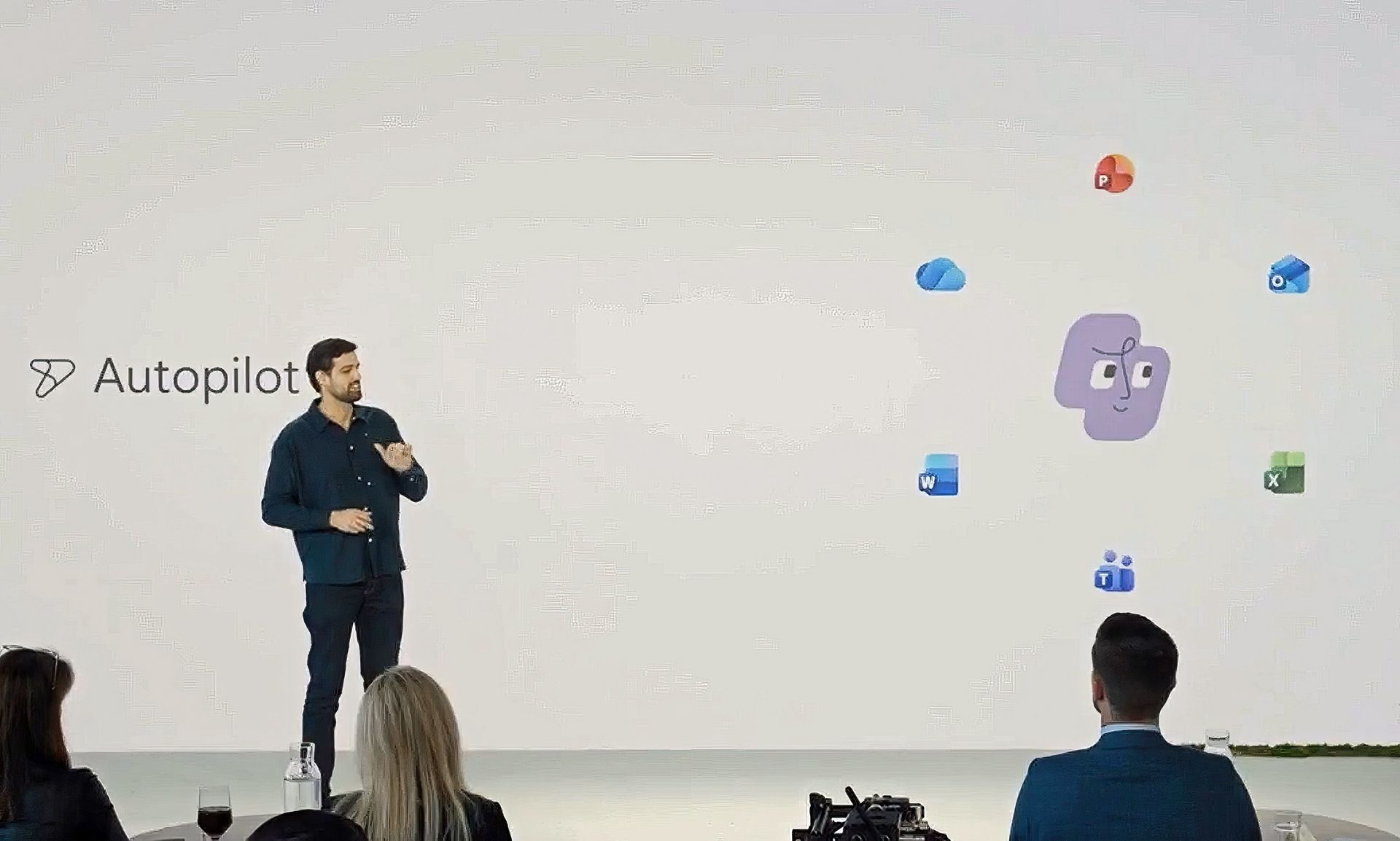
A visual representation of Autopilot is shown on stage by Microsoft's Jacob Andreou. (Image credit: Microsoft)
Autopilot, previously known as Scout, I believe, is the most ambitious part of the new Copilot. It acts like a digital teammate that manages ongoing work. I can give it a name, a role, and a goal, and it handles tasks like scheduling meetings, managing reviews, and keeping projects moving. It sounds very Meta Muse-ish, but it's better equipped for Microsoft customers, as it works across Teams, Outlook, and other apps, and it keeps going even when you are offline.
Autopilot has its own identity inside a Microsoft 365 tenant, which means it can participate in conversations, track decisions, and follow up on action items. It understands how an organization operates, and it uses that context to make smart choices.
This kind of automation could change how teams handle routine work, freeing people to focus on strategy and creativity instead of logistics.
A smarter foundation for everything
Diving into all the nitty-gritty enterprise jargon (forgive me), we can say that all of this is powered by Microsoft IQ, a unified intelligence layer that connects data, workflows, and context across the Microsoft ecosystem.
Basically, Copilot now understands not just your documents, but your business environment. With Fabric IQ and Work IQ, it can pull insights from Dynamics 365, Power Platform, and other systems, which helps break down silos and reduce the need to switch between apps.
Microsoft is also introducing a plugin registry that lets IT teams and developers extend Copilot with custom or partner-built integrations. It’s similar to an app ecosystem, but built for AI. This gives organizations more control and flexibility, and it helps Copilot adapt to different industries and workflows.
Since AI costs are becoming a real concern, Microsoft is adding FinOps for AI, a framework for managing and optimizing AI spending. Businesses can choose between fixed-cost subscriptions or usage-based billing. Copilot’s Auto mode selects the best option for each task based on accuracy, speed, and cost. It’s a practical way to keep AI powerful and predictable.
Why This Matters
Microsoft's new (new new) Copilot with slogan. (Image credit: Microsoft)
After reading through everything, it’s clear that Microsoft is treating Copilot as the future of its productivity ecosystem. I think we've always known that was the goal here, but it's taken Microsoft a few iterations and market maturity for AI/LLMs to get to this next level, based on customer feedback.
The company is blending creativity, automation, and collaboration into one experience that feels more personal and more capable than before. For small businesses, this means the same AI that powers enterprise workflows will soon feel approachable and useful in everyday tasks. For Microsoft, it’s a strategic shift that positions Copilot as the centerpiece of its long-term vision, which, let's be honest, is the right move.
What about regular non-business consumers? Well, you'll get access to some or all of this based on your M365 Premium or Pro subscription. Whether you make use of it all depends on your goals.
We’ll see more of this at Microsoft Ignite in November, but even now, the direction is obvious. Copilot is becoming the place where work happens, and Microsoft is building the tools to make that feel natural for everyone.
Join us on Reddit at r/WindowsCentral to share your insights and discuss our latest news, reviews, and more.
The Microsoft Copilot app will soon include a built-in browser for more users. Microsoft started testing the feature back in March, but the broader rollout of the built-in browser will begin in late November. The idea is that when you click a link within the Copilot app, you'll stay within Copilot rather than jump into your default browser. Microsoft described the feature through its message center (archived here):"Microsoft Copilot app now supports in-app browsi
The Microsoft Copilot app will soon include a built-in browser for more users. Microsoft started testing the feature back in March, but the broader rollout of the built-in browser will begin in late November.
The idea is that when you click a link within the Copilot app, you'll stay within Copilot rather than jump into your default browser.
Microsoft described the feature through its message center (archived here):
"Microsoft Copilot app now supports in-app browsing on Windows and Mac, allowing users to open websites side-by-side with chat. Available via admin opt-in now, with broader rollout in late November 2026. Users can manage tabs, toggle full-screen, or open links externally. Data is stored locally, similar to Edge."
You can resize the Copilot conversation and built-in web browser within the Copilot app. (Image credit: Microsoft)
Copilot's behavior is similar to what you see in Microsoft Teams. It's normal to see apps open in their own browser. X, Reddit, and other popular sites do the same thing.
The question is whether Copilot having a built-in browser will change workflows. Will people start a session by asking Copilot a question and stay in the app, or will they stick with their preferred browser and use Copilot inside it?
It may seem like a distinction without a difference, but getting someone to change their default habit is a massive challenge. Google has had some luck in this area on mobile devices. I often find myself using Gemini and then browsing the web, which effectively gets me to use a different browser. I'm sure Microsoft would love to get people to do the same thing with Copilot on their PCs.
Microsoft may have better luck retaining users who already use Copilot than trying to convert Edge users by forcing Copilot into the Sidebar. The actual experiences are quite similar, but the entry points are different.
Join us on Reddit at r/WindowsCentral to share your insights and discuss our latest news, reviews, and more.
Meta plans to deploy its MTIA 450 Arke AI chip in 2027 as it looks to cut inference costs, energy use and reliance on general-purpose GPUs.
The post Meta’s New AI Chip Is Coming in 2027: Arke Targets Lower AI Costs appeared first on TechRepublic.

 Connexion