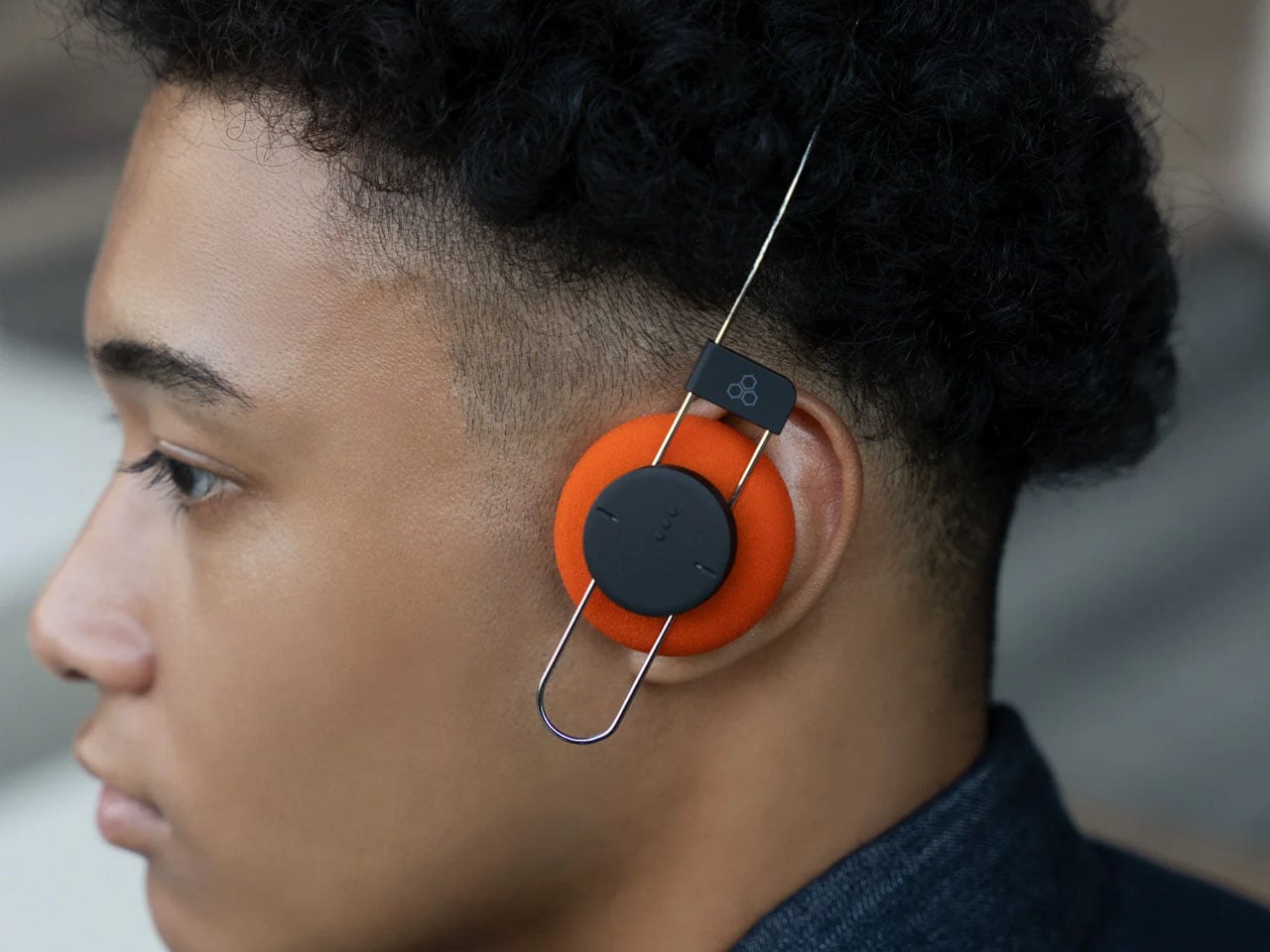
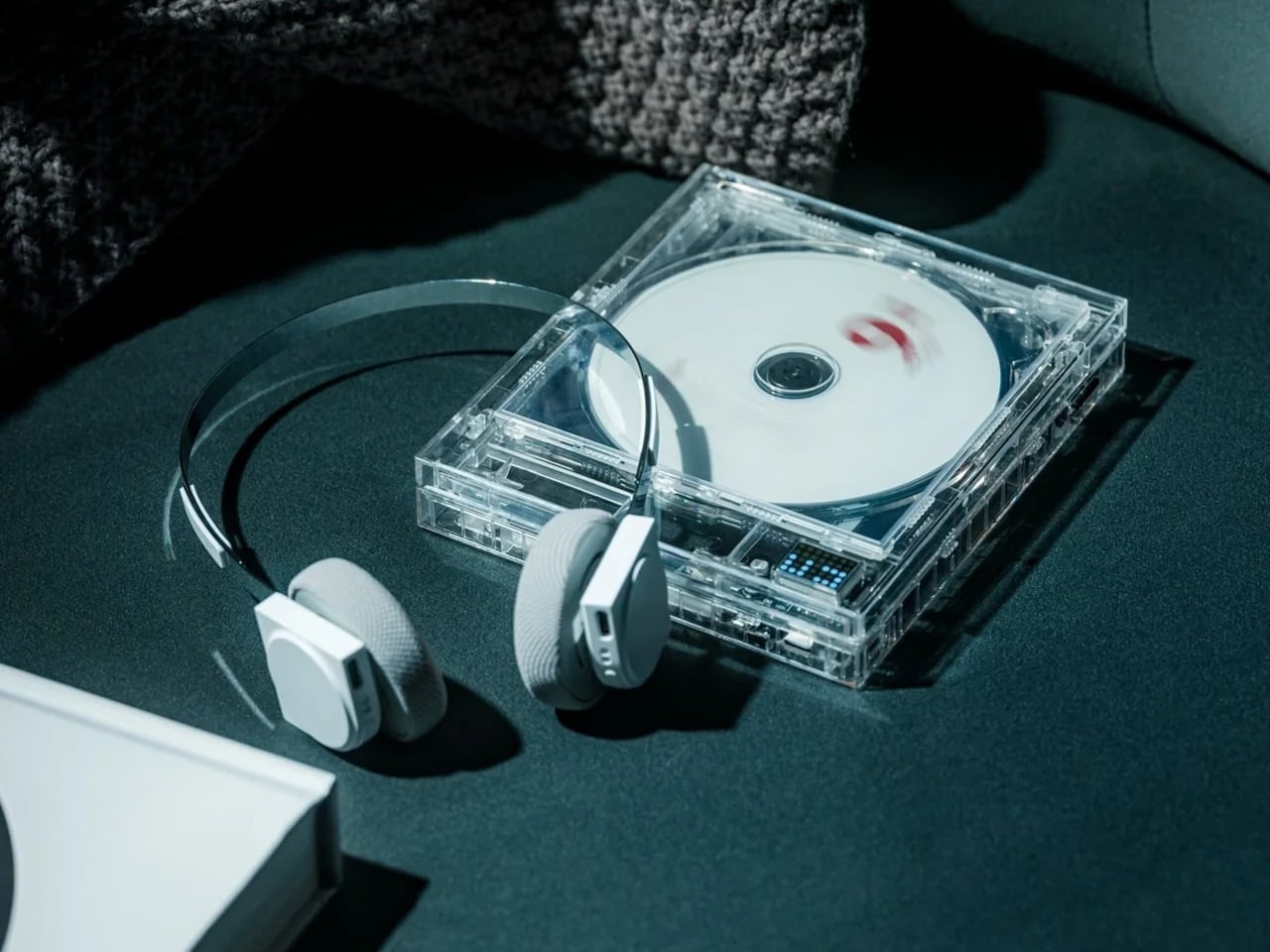
Japanese audio brand Final has introduced Porta, a pair of wireless on-ear headphones that rethink one of the most familiar elements of headphone design – the headband. Unlike most headphones with a conventional padded arch, the Porta uses a minimal, single-wire structure called AirWire, reducing the headphones’ weight to approximately 40 grams while aiming to make extended listening more comfortable.
The AirWire design minimises the area of contact between the headphones and the wearer’s head.
Japanese audio brand Final has introduced Porta, a pair of wireless on-ear headphones that rethink one of the most familiar elements of headphone design – the headband. Unlike most headphones with a conventional padded arch, the Porta uses a minimal, single-wire structure called AirWire, reducing the headphones’ weight to approximately 40 grams while aiming to make extended listening more comfortable.
The AirWire design minimises the area of contact between the headphones and the wearer’s head. According to Final, this approach reduces pressure on the top of the head, a common source of discomfort with traditional headphones. The lightweight construction also gives the Porta an unusually stripped-back appearance, with a thin metal-like frame connecting two compact earcups. The pair of cans is a minimalist accessory that goes well with your other no-nonsense gadgets.
Porta’s aesthetic draws on the visual language of older portable audio equipment. Its orange ear pads recall the bright accents associated with classic Sony Walkman headphones, while a black version offers a more understated alternative. Both variants share the same main body, with the ear-pad colour providing the visual distinction. Final also plans to sell replacement ear pads separately in 2027, giving owners the option to refresh the look without replacing the entire product.
Despite its lightweight construction and retro appearance, the pair of cans incorporates modern wireless connectivity. Bluetooth 5.4 enables connection to compatible devices, while support for the SBC and AAC audio codecs provides compatibility with a broad range of smartphones and other Bluetooth audio sources. The headphones have a stated frequency response of 20Hz to 20kHz.
Final says the Porta has been tuned to deliver a lively presentation, with a sense of depth and substance in the midrange and lower frequencies. The company highlights vocal weight as a particular consideration in its sound design, addressing the challenge of maintaining a full listening experience in a lightweight headphone enclosure. These are manufacturer claims rather than independently verified performance results.
A 57mAh lithium-ion battery provides up to eight hours of music playback on a charge. Recharging takes approximately 90 minutes through USB-C, keeping the charging process straightforward. The headphones also carry an IPX4 rating, indicating resistance to water splashes, which offers some protection during everyday use and light exercise.
The design does involve trade-offs. The Porta does not offer active noise cancellation, a feature found in many contemporary wireless headphones. Its modest battery capacity and eight-hour rated playback time also place the emphasis on everyday convenience and low weight rather than extended listening between charges.
Final has priced the Porta at ¥12,800 (approximately $80), with availability in Japan scheduled for October 23, 2026. International availability has not been confirmed, although the brand sells products through its Amazon storefront.
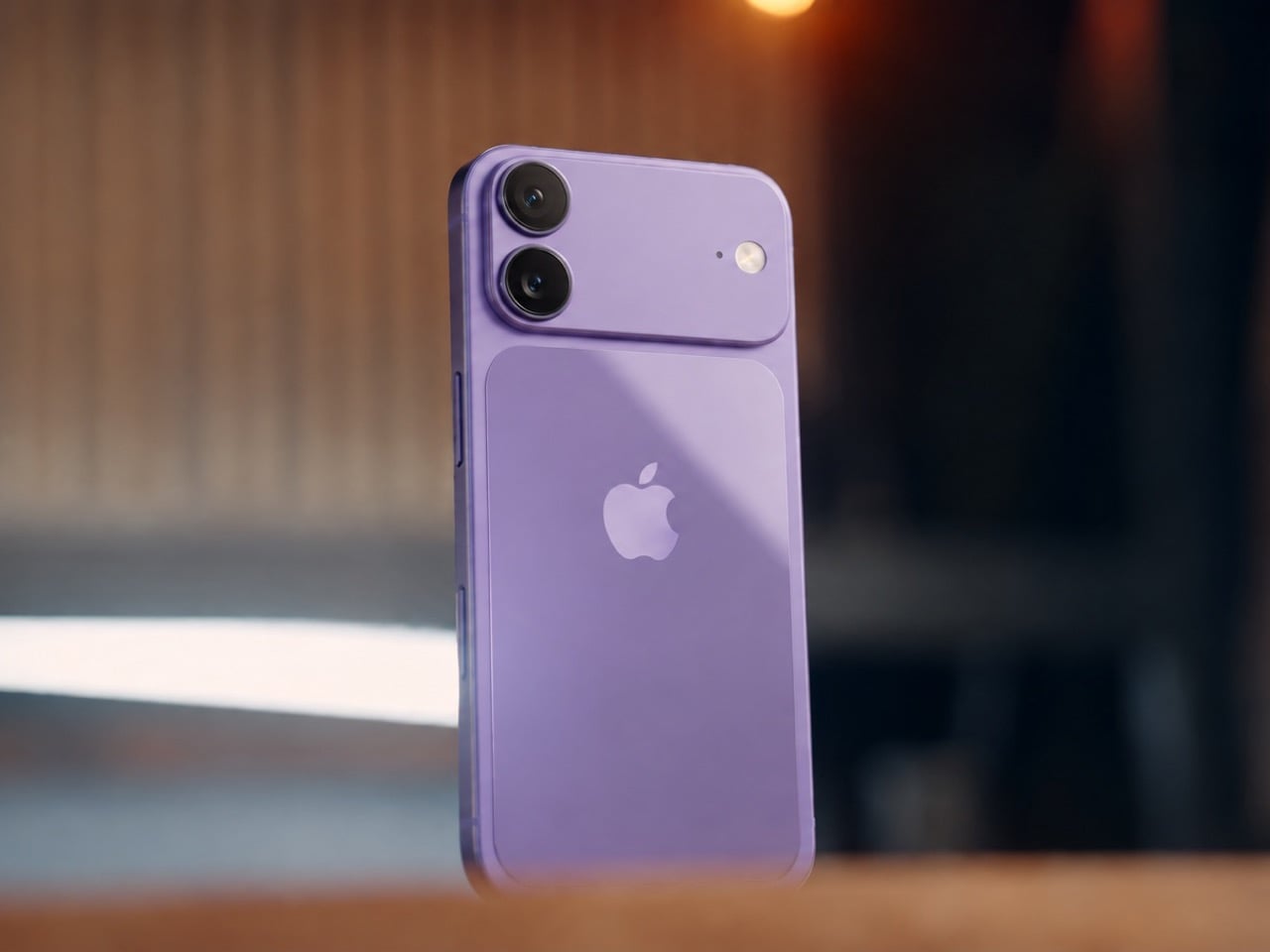
The iPhone Duo has a 4,883mAh battery. See how it compares with Samsung, Google, Motorola, and other premium phones.
The post iPhone Duo Battery Revealed: How It Compares to Samsung, Google, and More appeared first on TechRepublic.
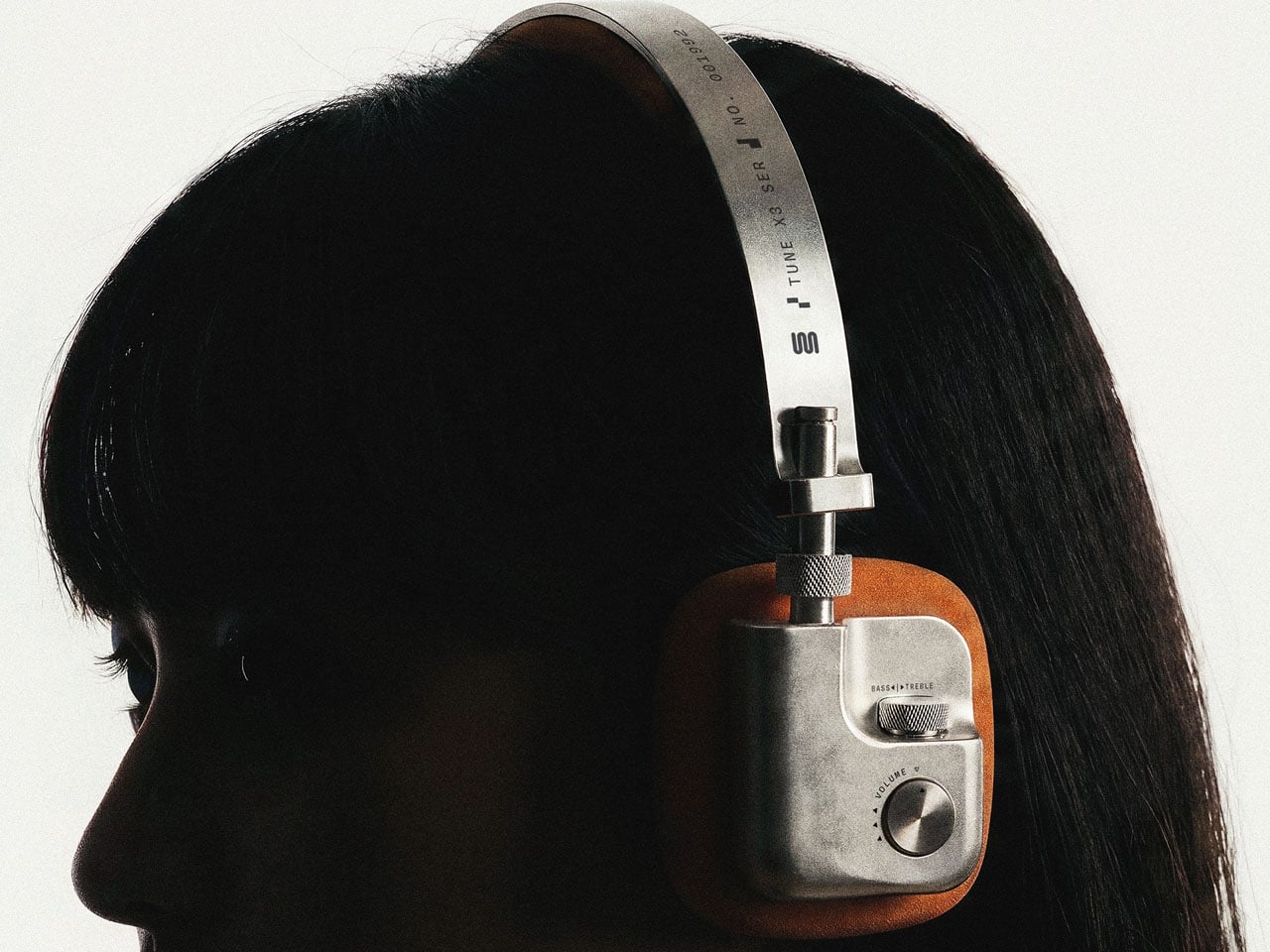
Adjusting your headphones shouldn’t mean searching for a tiny button or guessing where to tap a touch-sensitive surface. TUNE X3 explores a more hands-on approach, using knurled dials and physical switches that let users feel their way through everyday audio adjustments. Designed by Pressec Design as part of a fictional product family, these concept headphones make tactile interaction a defining feature of their industrial design.
The headphones pair a brushed aluminium chassis with high-contra
Adjusting your headphones shouldn’t mean searching for a tiny button or guessing where to tap a touch-sensitive surface. TUNE X3 explores a more hands-on approach, using knurled dials and physical switches that let users feel their way through everyday audio adjustments. Designed by Pressec Design as part of a fictional product family, these concept headphones make tactile interaction a defining feature of their industrial design.
The headphones pair a brushed aluminium chassis with high-contrast orange textile padding across the ear cushions and headband. The raw metallic finish recalls mid-century studio equipment, while the saturated fabric creates a bold visual contrast. Exposed fasteners and a wide-profile headband reinforce the utilitarian character, giving TUNE X3 the appearance of precision equipment. This is a detour from the currently trending minimalist consumer gadgets. It’s like bringing in a muscle car in the era of Tesla EVs.
The physical controls are the core of the niche concept. Dedicated dials and tactile switches handle volume, treble, and active noise cancellation (ANC), giving users distinct controls for common listening toggles. Their knurled surfaces provide texture under the fingers, making the interface feel more deliberate than a smooth touch panel. The design suggests a listening experience in which users can reach for a control, recognize it by touch, and make adjustments without navigating an onscreen menu. While the concept does not establish how the controls perform in practice, it places physical interaction at the heart of the headphone experience.
TUNE X3 is part of the same fictional product family as the CINE X3. The designer developed both concepts around a consistent visual language, carrying shared characteristics across the collection without simply repeating the same shapes. Materials, proportions, finishes, and hardware details establish continuity while allowing each product to retain its own identity.
The project also explores how Vizcom can support product-family development by using previous designs as references. This approach helps designers preserve a recognizable character across multiple concepts while continuing to explore distinct forms and functions.
TUNE X3 remains a conceptual design, with no confirmed release date, price, or technical specifications. Its core idea is straightforward – physical controls can make headphone interaction feel more immediate and intentional, while giving the product a distinctive identity shaped by the way users handle it.
Nothing OS 5.0 brings Android 17 to 10 phones. See the full rollout schedule, eligible Nothing and CMF devices, new features, and when to expect the update.
The post Nothing OS 5.0 Android 17 Rollout Begins: Which Phones Get It Next? appeared first on TechRepublic.
Nothing OS 5.0 brings Android 17 to 10 phones. See the full rollout schedule, eligible Nothing and CMF devices, new features, and when to expect the update.
Elgato, the tech company that prides itself on high-quality accessories for streaming, content creation, and gaming, has launched its first wireless microphone called the Elgato Wave Go.This extension of Elgato's 'Wave ecosystem' is a combined clip-on and handheld microphone system that allows its users to record audio any time, anywhere, on their terms, with studio-level quality, processing, and routing. Here's everything you need to know about how the Elgato W
Elgato, the tech company that prides itself on high-quality accessories for streaming, content creation, and gaming, has launched its first wireless microphone called the Elgato Wave Go.
This extension of Elgato's 'Wave ecosystem' is a combined clip-on and handheld microphone system that allows its users to record audio any time, anywhere, on their terms, with studio-level quality, processing, and routing.
Here's everything you need to know about how the Elgato Wave Go works, which you can buy right now on Elgato's official store for $99.99.
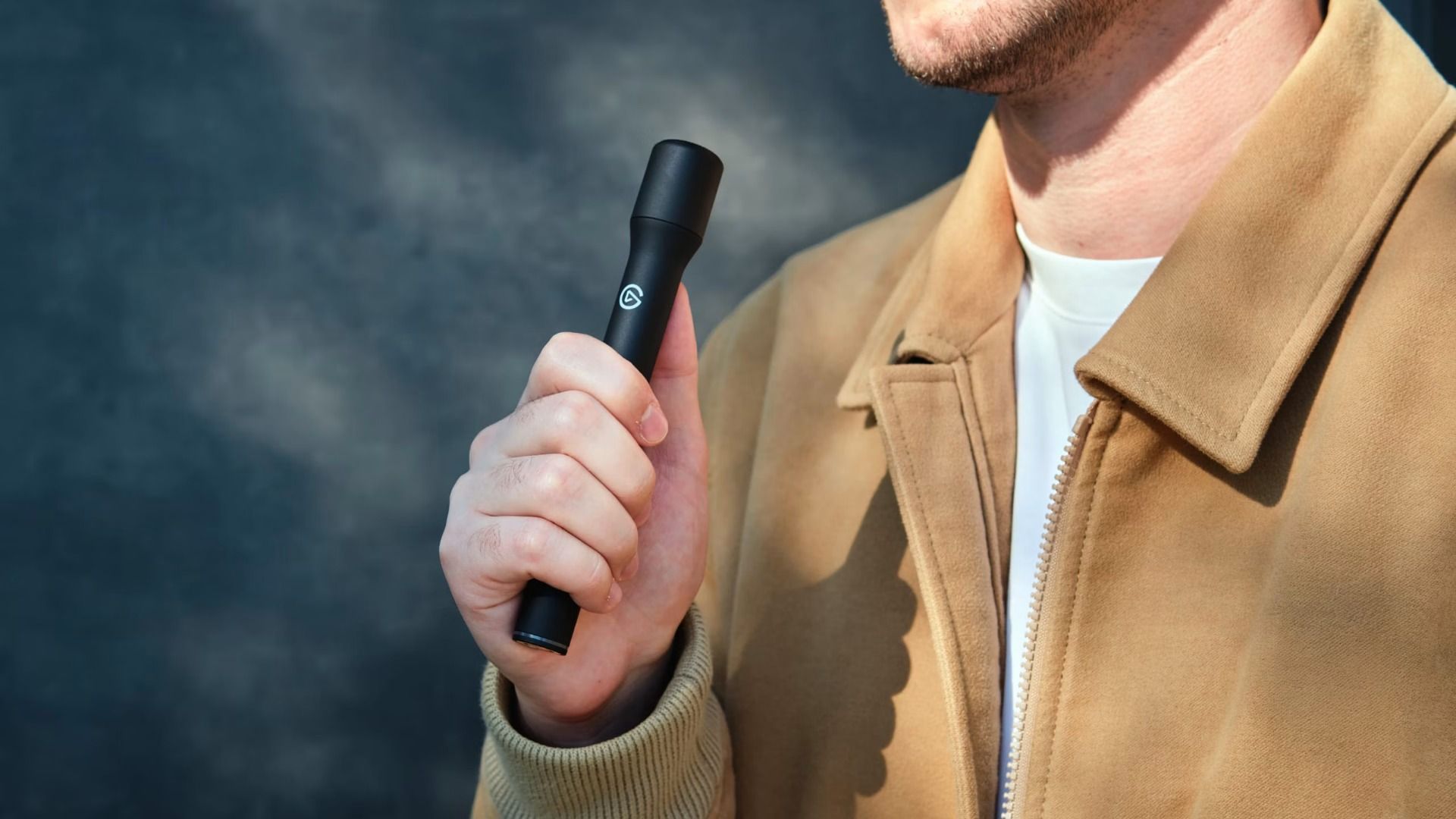
The Elgato Wave Go has a convertible design that allows users to record audio in two ways while being connected to a phone via a USB-C receiver.
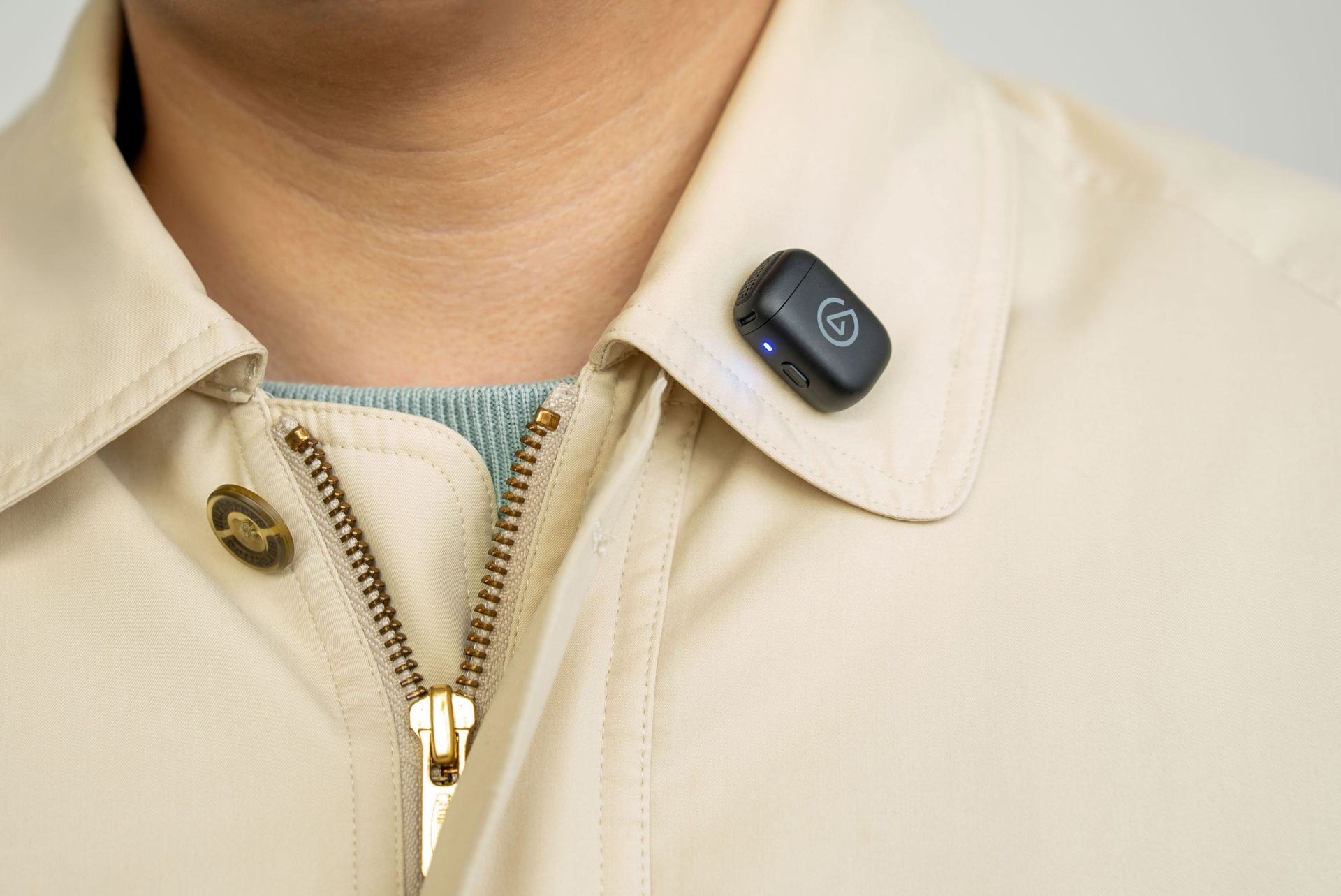
While in Clip-on Mode (which is a 7g transmitter the size of a coin), it can mount magnetically onto clothing with custom tuning that restores clarity and audio presence quality at chest distance.
In Handheld mode, Elgato Wave Go's transmitter fits inside a Smart Handle to become a full-sized interview mic with integrated controls, charging, and a sound profile that's been tuned for warmth and presence audio levels when used close up.
This microphone also features toggleable noise cancellation to block out annoying background noise, automatic EQ Shift and Auto Gain systems to apply different sound profiles and audio gain levels depending on its position and mode (without needing to mess around with its settings), and compatibility with the free Wave Go app on iOS and Android for users to customize these aforementioned features to their preference.
The Elgato Wave Go in Handheld mode. (Image credit: Elgato)
On top of that, the Elgato Wave Go will last you for a good long session, as its transmitter can run for up to 8 hours on a single charge or a full day while recording audio.
Its Smart Handle can be recharged alongside the transmitters when it's docked inside (even while recording), and it can store up to 5 full recharges so it can operate for at most 48 hours. The Elgato Wave Go can have all its components recharged while inside its carrying case, which can connect to USB-C chargers.
Its USB-C receiver also has pass-through charging, so you can recharge the Elgato Wave Go while connected to your phone.
The Elgato Wave Go in Clip-On mode. (Image credit: Elgato)
Lastly, the Elgato Wave Go can integrate with Elgato's free mixing software called Wave Link. When this mic is used in tandem with the app, users can route audio, apply effects, control its settings via Stream Deck, and unlock Voice Focus, which cleans up reverb and background noise while recording audio indoors.
If this lightweight, convertible microphone with expert sound quality, portability, and customization sounds appealing for your content creation needs, you can buy the Elgato Wave Go on Elgato.com for the MSRP of $99.99 (other retailers will sell it shortly after). The Elgato Wave Go will be available in 40 countries and regions.
Elgato is also offering a Sky Blue variant of the Elgato Wave Go for a limited time on its website. Plus, the microphone will have a second transmitter sold separately for an MSRP of $29.99 (or $14.99 when bought together with the Elgato Wave Go).
Let your voice be heard in your content with the Wave Go wireless microphone. It can be used in hand or clipped onto your shirt collar, convey and record your voice with pro-level quality, and last you over 48 hours before needing to recharge.View Deal
Join us on Reddit at r/WindowsCentral to share your insights and discuss our latest news, reviews, and more.
iQOO reveals Neo12 specs, including a 185Hz display, 9,000 mAh battery and cooling fan. Here’s what buyers should weigh before its expected China launch.
The post iQOO Neo12 Pairs 185Hz Display With 9,000 mAh Battery appeared first on TechRepublic.
iQOO reveals Neo12 specs, including a 185Hz display, 9,000 mAh battery and cooling fan. Here’s what buyers should weigh before its expected China launch.
WhatsApp is testing scheduled messages for Android beta users, allowing texts and media to be delivered later even when the sender's phone is offline.
The post WhatsApp Tests Scheduled Messages That Send Even When You’re Offline appeared first on TechRepublic.
Honor's WIN 2 phones bring dual cooling fans, with a fan-equipped gaming tablet set for an October 21 launch in China. See the features and buyer trade-offs.
The post Honor Unveils Dual-Fan Gaming Phones: What Buyers Should Know appeared first on TechRepublic.
Honor's WIN 2 phones bring dual cooling fans, with a fan-equipped gaming tablet set for an October 21 launch in China. See the features and buyer trade-offs.
Samsung Galaxy S26 Ultra prices have increased. Explore the latest pricing, specs, cameras, AI features, and whether the flagship is worth buying.
The post Samsung Galaxy S26 Ultra Cheat Sheet: New Price, Specs, Features, and More appeared first on TechRepublic.
Pokémon turns 30 this year, which means those of you who remember playing Pokémon Red and Blue on a Game Boy are now old enough to have disposable income. Razer apparently understands the assignment.Razer has announced three new Pokémon-themed gaming headsets featuring Charizard, Lucario, and Sylveon, expanding a collection that already proves Pokémon merchandise does not have to be confined to plushies, trading cards, and whatever extraordinarily expensive piece
Pokémon turns 30 this year, which means those of you who remember playing Pokémon Red and Blue on a Game Boy are now old enough to have disposable income. Razer apparently understands the assignment.
Razer has announced three new Pokémon-themed gaming headsets featuring Charizard, Lucario, and Sylveon, expanding a collection that already proves Pokémon merchandise does not have to be confined to plushies, trading cards, and whatever extraordinarily expensive piece of cardboard you just lost an eBay auction for.
Technically, none of these headsets is new. Razer is giving existing models Pokémon makeovers rather than launching new hardware. Charizard and Lucario get versions of the Razer BlackShark V3 X HyperSpeed, while Sylveon adorns the wired Razer Kraken V4 X. They're being released as part of Pokémon's ongoing 30th anniversary celebrations.
That's fine by me. Sometimes I don't need a revolutionary new driver architecture. Sometimes I just want Charizard on my head.
Charizard wins the headset battle, obviously
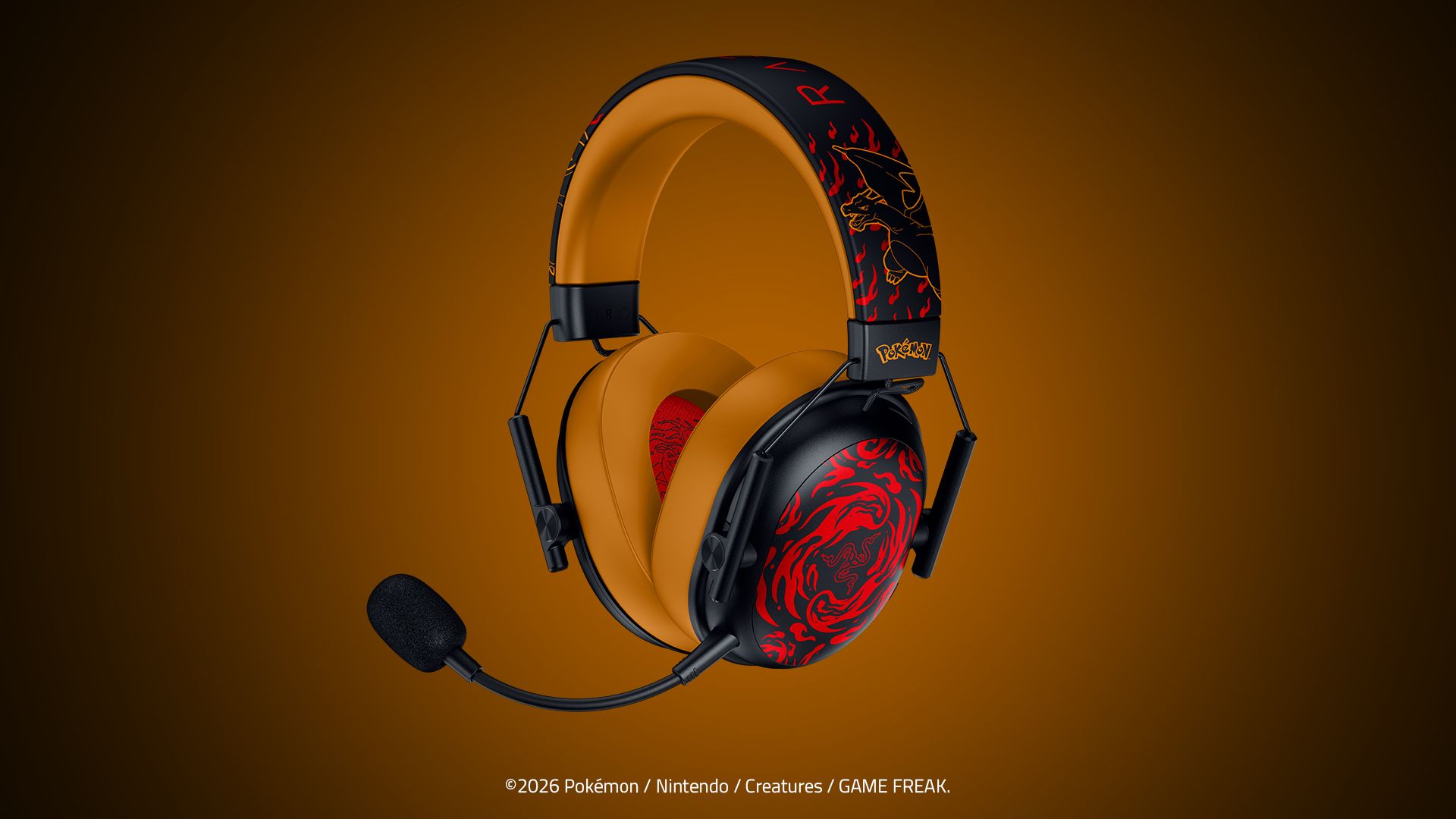
Razer BlackShark V3 X HyperSpeed Charizard Edition headset in black and orange, featuring flame graphics. (Image credit: Razer)
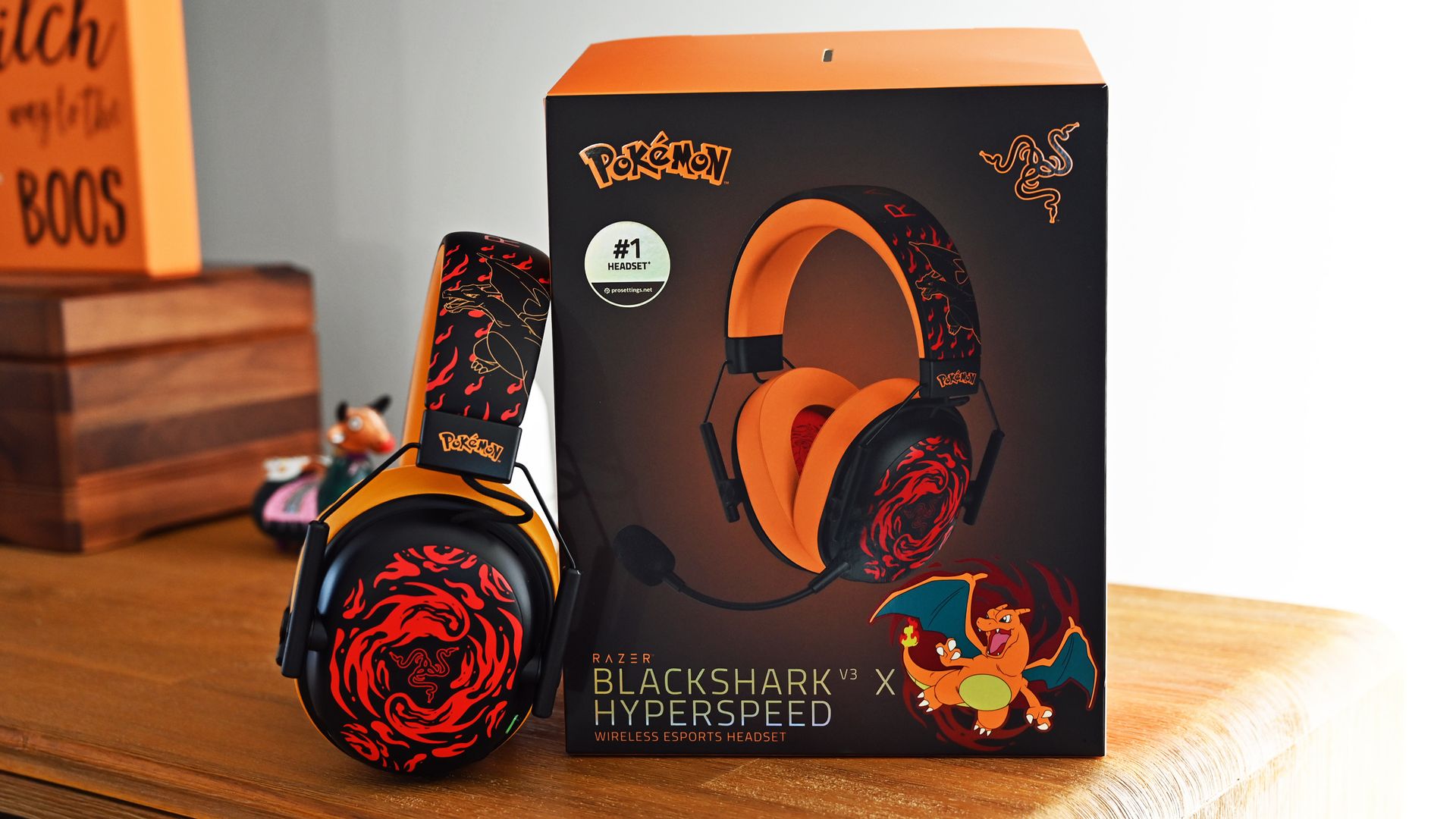
I've got the BlackShark V3 X HyperSpeed Charizard Edition here for photography, and Razer wisely resisted the temptation to simply make the entire thing bright orange.
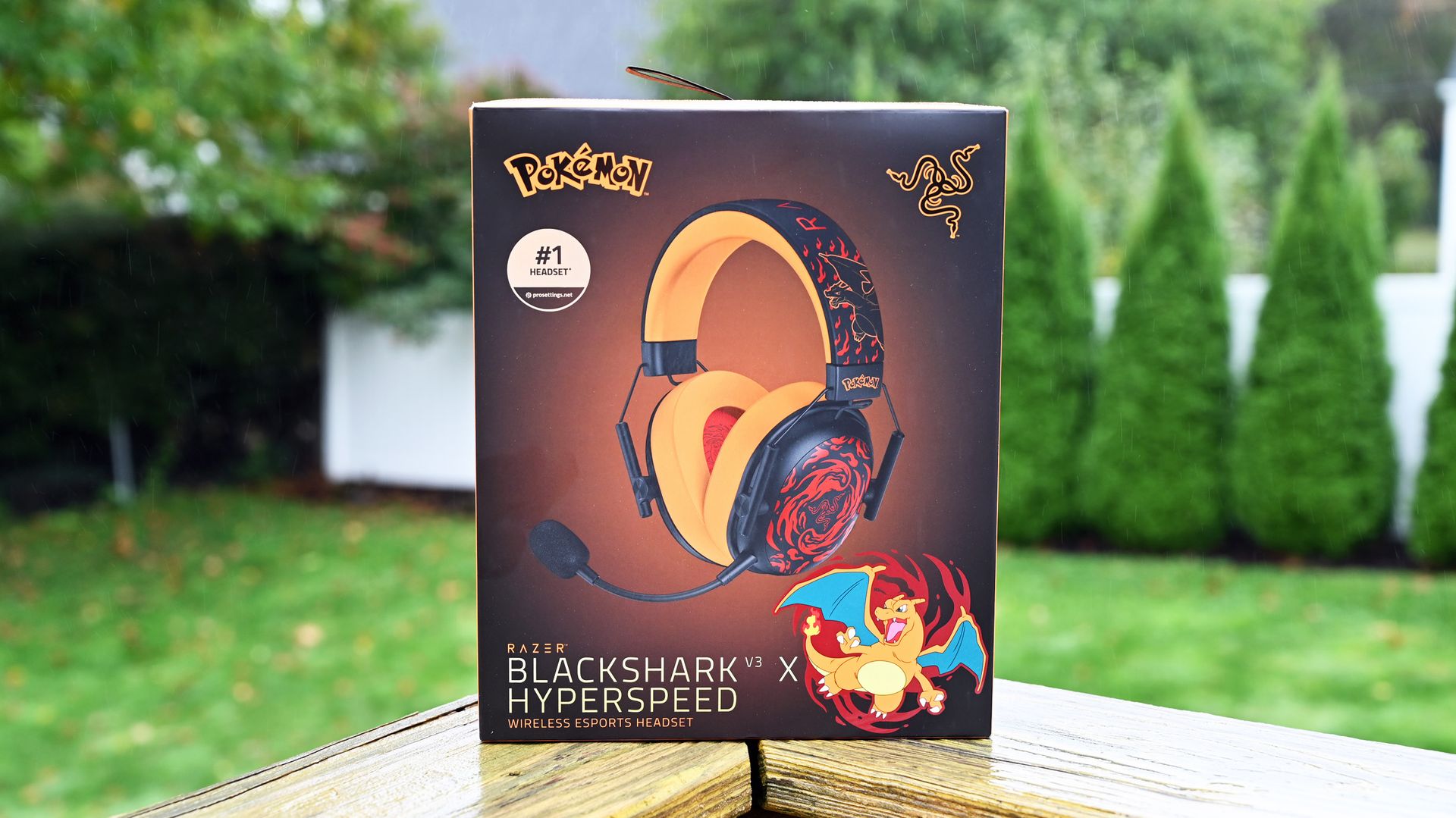
Instead, there's a black exterior with fiery red Charizard artwork across the earcups and headband, contrasting against orange ear cushions and headband padding. The result looks unmistakably Pokémon without resembling something stolen from a ten-year-old's bedroom.
It also helps that Charizard remains one of the most immediately recognizable Pokémon ever created. The original Generation I Pokémon is officially Fire/Flying type, despite decades of childhood logic insisting that the giant fire-breathing dragon surely had to be Dragon type.
Razer BlackShark V3 X HyperSpeed Charizard Edition retail box. (Image credit: Daniel Rubino)
Underneath that paint job is the regular Razer BlackShark V3 X HyperSpeed, which starts at $99.99 without the Pokémon treatment. It uses Razer's second-generation TriForce 50mm drivers and 2.4GHz HyperSpeed wireless, with Bluetooth and USB connectivity also available. Razer lists the standard model at just 270g.
The Charizard tax, therefore, works out to $20, with this edition carrying a $119.99 MSRP in the United States. (And for some reason, it's at Target for $139.99, but you can pick it up today, at least!)
If you're still reading this, I'm sure you've paid more for considerably less sensible Pokémon-related things.
Daniel RubinoDaniel RubinoDaniel RubinoDaniel Rubino
It's worth emphasizing that the V3 X isn't the flagship BlackShark. That distinction belongs to the BlackShark V3 Pro, which Windows Central's Zachary Boddy reviewed last year. He called the V3 Pro "the closest to perfection I've ever seen a gaming headset reach," praising Razer for addressing seemingly every complaint about the previous generation.
Basically, the "X" versions of Razer products are more budget-friendly, as the V3 Pro is $249.99.
If Pokémon isn't enough to dictate your purchasing decision, we've also extensively tested the competition in our best Xbox headsets guide.
Pokémon
Razer
BlackShark V3 X Hyper Speed (Charizard edition)
The Razer BlackShark V3 X Hyper Speed – Charizard Edition unleashes Charizard’s fiery determination into an officially licensed Pokémon wireless gaming headset, perfect for staying locked in and ready to roast the competition on PC, console, and mobile.
Team Lucario has entered the chat
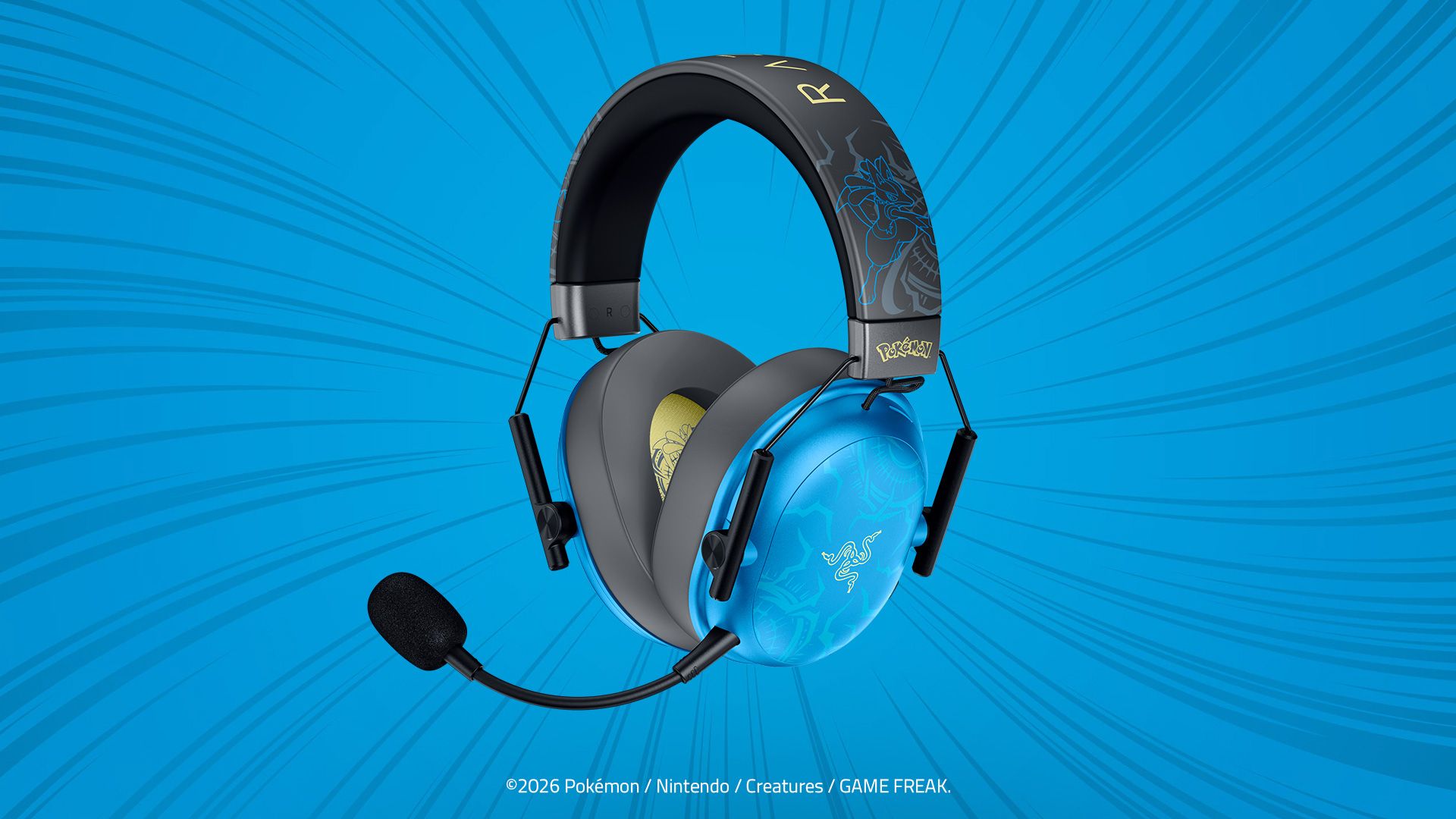
Razer BlackShark V3 X HyperSpeed Lucario Edition headset in blue and black, featuring aura designs on cyan earcups. (Image credit: Razer)
If Charizard is a little too "look at me, I'm on fire" for your tastes, Lucario gets exactly the same BlackShark V3 X HyperSpeed treatment for $119.99.
Razer describes the design as inspired by Lucario's "calm intensity," and the blue finish certainly makes it the more restrained of the pair. The actual Pokémon is Fighting/Steel type, which makes attaching it to a competitive gaming headset feel appropriately on-brand.
Same headset, same 50mm Gen-2 drivers, same HyperSpeed wireless. Your decision essentially comes down to which monster you'd rather have watching over your K/D ratio.
Lucario gets a slight head start in the US, too. It's available exclusively from Target from October 7, while Charizard launches October 13 through Razer.com and Target. Both are also headed to broader retail in Latin America, Europe, Australia, and New Zealand.
And then there's Sylveon
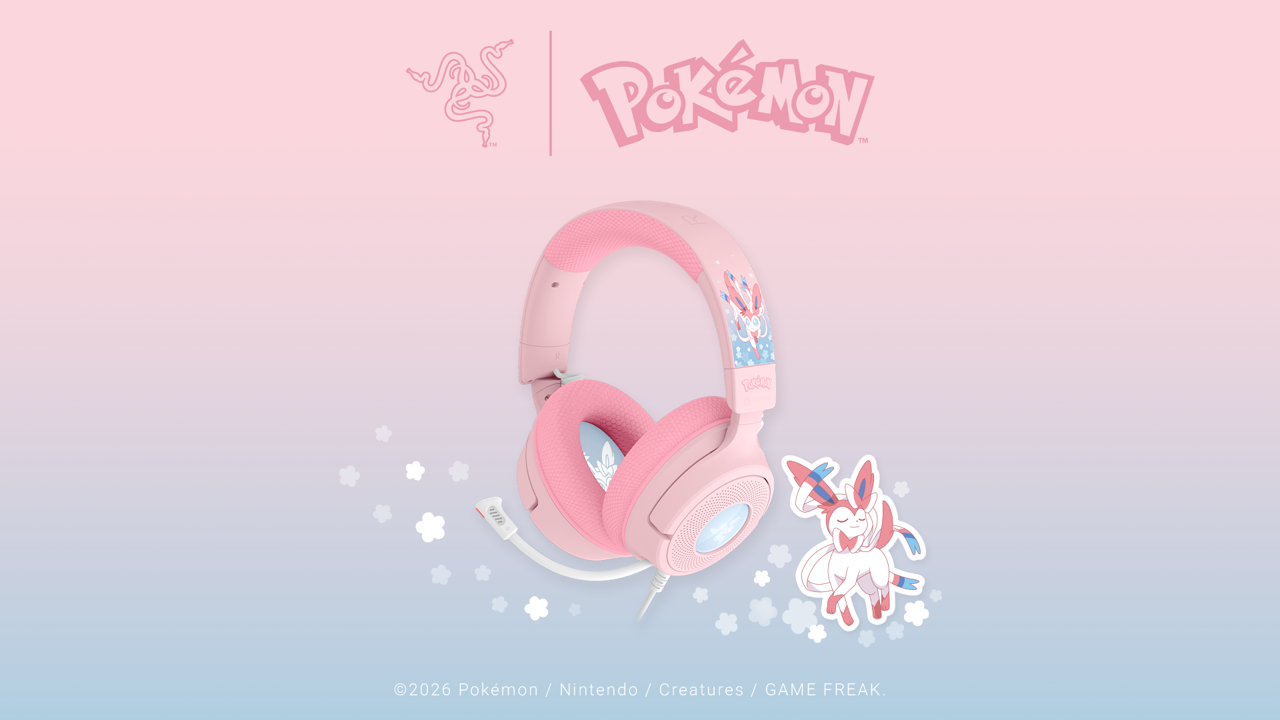
The new Pastel pink Razer Kraken V4 X Sylveon Edition wired headset. (Image credit: Razer)
Sylveon goes in an entirely different direction, and not just aesthetically.
The Razer Kraken V4 X Sylveon Edition is a wired headset with 40mm TriForce drivers, a retractable HyperClear cardioid microphone, and Chroma RGB lighting (sweet). It comes decked out in Sylveon's characteristic pink-and-blue color scheme.
It's wonderfully unapologetic.
Sylveon is a Fairy-type Pokémon and one of Eevee's evolutions, officially categorized as the "Intertwining Pokémon." Its ribbon-like feelers can apparently send out a soothing aura that erases hostility, which frankly sounds like technology every Call of Duty voice-chat lobby desperately needs.
The Sylveon Kraken V4 X costs $109.99 and launches October 13 exclusively through Target in the United States, with wider retail availability across Latin America, Europe, Australia, and New Zealand.
I choose you, Charizard
There's obviously no technical reason to replace a perfectly good headset purely because Razer printed a Pokémon on it. This is merchandising. Razer knows it, Pokémon knows it, I know it, and your wallet is about to find out.
But that's also rather missing the point.
The BlackShark V3 X HyperSpeed is already a lightweight wireless headset offering 2.4GHz, Bluetooth, and USB connectivity. For an extra $20, Pokémon fans can get essentially the same hardware dressed as Charizard or Lucario. Sylveon fans have a slightly cheaper, wired alternative with RGB.
And having actually seen the Charizard edition outside Razer's immaculate press renders, I'll say this: it's pretty damn cool.
Apple has a long habit of handing last year’s brain to this year’s regular iPhone. The iPhone 15 shipped with the A16 chip while the 15 Pro got the shiny new A17 Pro, and nobody stormed Cupertino with pitchforks. It works because people shop for cameras and battery life, and nobody has ever asked a store clerk about die size. The iPhone 18 is about to run the same play with a twist. This time the regular model gets a brand new A20 chip, except it arrives months after everyone else’s.
The chip i
Apple has a long habit of handing last year’s brain to this year’s regular iPhone. The iPhone 15 shipped with the A16 chip while the 15 Pro got the shiny new A17 Pro, and nobody stormed Cupertino with pitchforks. It works because people shop for cameras and battery life, and nobody has ever asked a store clerk about die size. The iPhone 18 is about to run the same play with a twist. This time the regular model gets a brand new A20 chip, except it arrives months after everyone else’s.
The chip is the A20, and a leaked solder ball map analyzed on Weibo by user 白饭炒白米饭 (reported by Notebookcheck on October 1) suggests it is a slimmed down sibling of the A20 Pro. That Pro chip already powers the iPhone 18 Pro, starting at $1,199, and the iPhone Duo, starting at $1,999. Both reportedly use TSMC’s 2nm process, but the standard version supposedly keeps the AI hardware and trims the GPU, cache, and clock speeds. The base iPhone 18 is expected in spring 2027, and Apple has announced no price or date. So what does Apple cut when it wants a cheaper 2nm chip, and what does it refuse to touch?
Designer: Demon’s Tech
A Smaller Die Than Last Year’s Chip, on a Pricier 2nm Node
The standard A20’s bare die is estimated at 70 to 80 mm², which would make it smaller than the A19 at 82.8 mm² and well under the A20 Pro’s 98.8 mm². A die is the actual slab of silicon, and every square millimeter you shave off means more chips per wafer and a lower bill. On 2nm the savings count for more, since Notebookcheck’s report notes those wafers cost significantly more than earlier nodes. Our own look at the base iPhone 18 pegged its body as basically an iPhone 17 in disguise, so there is no fresh industrial design to pay for either. Apple looks to be spending the budget on silicon instead.
Apple reportedly gets there by halving the cache. The standard A20 is expected to carry 8 MB of L2 cache for its two super cores and 4 MB for its four efficiency cores, which is 50% less than the A20 Pro. Cache is the small, ultra fast memory sitting right next to the processor cores, so a smaller helping can mean slightly more trips out to slower memory under heavy load. It is also one of the most direct ways to shrink a die, because SRAM, the circuitry cache is built from, has scaled poorly on recent chip nodes. Honestly, it is the smartest corner to trim, since you will never see a cache spec on a phone box.
Why the A20 Pro Gets Fancy Packaging and the A20 Skips It
The A20 Pro reportedly uses WMCM, short for wafer-level multi-chip module, which places the processor and its memory side by side instead of stacking one on the other. That layout lets the chip connect straight to the vapor chamber, the cooling plate Apple introduced with the iPhone 17 Pro. Apple says the new Pro design delivers up to 40% better sustained performance than the 17 Pro. The standard A20 is expected to stay with traditional package-on-package, where the memory sits on top of the chip like a hat. A hat is cheap and compact, but it also traps heat right where you do not want it.
Packaging is how Apple reportedly gets the A20 Pro to 4.93 GHz, a figure from the leak analysis that Apple has never confirmed. The standard A20 is expected to clock considerably lower, so it likely does not need the same cooling tricks. Pair that with an expected 5-core GPU against the Pro’s 7 cores, and the gap could show up in a long gaming session. Past base chips trailed their Pro siblings by one GPU core, so a two-core deficit would be wider than usual. The vapor chamber stole the show in the iPhone 17 Pro teardown we covered, and the leak says nothing about the base model getting similar cooling.
The AI Hardware Apple Keeps, and What Spring 2027 Looks Like
The AI side of the chip reportedly survives the cuts largely intact. The leak says the A20 keeps the same dual 16-core Neural Engine as the Pro, the dedicated block that handles on-device AI tasks, along with its own 4 MB cache. The system-level cache, a shared pool of memory every part of the chip can tap, may grow from the A19’s 12 MB to 16 MB. The memory bus is also expected to widen to 96 bits, matching the Pro, which means more data can flow to the chip per second. In real life that means live translation and photo cleanup running on the phone instead of waiting on a server.
The iPhone Duo (the one with the open and close animation we gushed over) runs the same A20 Pro, so Apple’s fall lineup now shares one chip. The base model is expected to follow in spring 2027 with a lighter version of that platform. Apple has confirmed no date, price, or chip for it, so every number here is a leak. The iPhone 17 started at $799 and the Pros just rose $100, so the base model’s price is the number to watch. Back in the A16 days the hand-me-down chip was a consolation prize, but this time the regular iPhone gets a fresh 2nm brain with a little muscle trimmed, a deal I would happily take.
"Babe?... Babe!? Is everything alright?" If you're in my house on a relaxing weekend afternoon, you'll often hear me trying to get a hold of my wife. I have to ask a few times, not because she's ignoring me, but because she has a pair of noise cancelling headphones on.Shop all Amazon Prime Big Deal Days discountsFor the last couple of years, my wife has donned a pair of Bose QuietComfort Wireless Noise Cancelling Headphones. They're sleek, comfortable, and do a g
"Babe?... Babe!? Is everything alright?" If you're in my house on a relaxing weekend afternoon, you'll often hear me trying to get a hold of my wife. I have to ask a few times, not because she's ignoring me, but because she has a pair of noise cancelling headphones on.
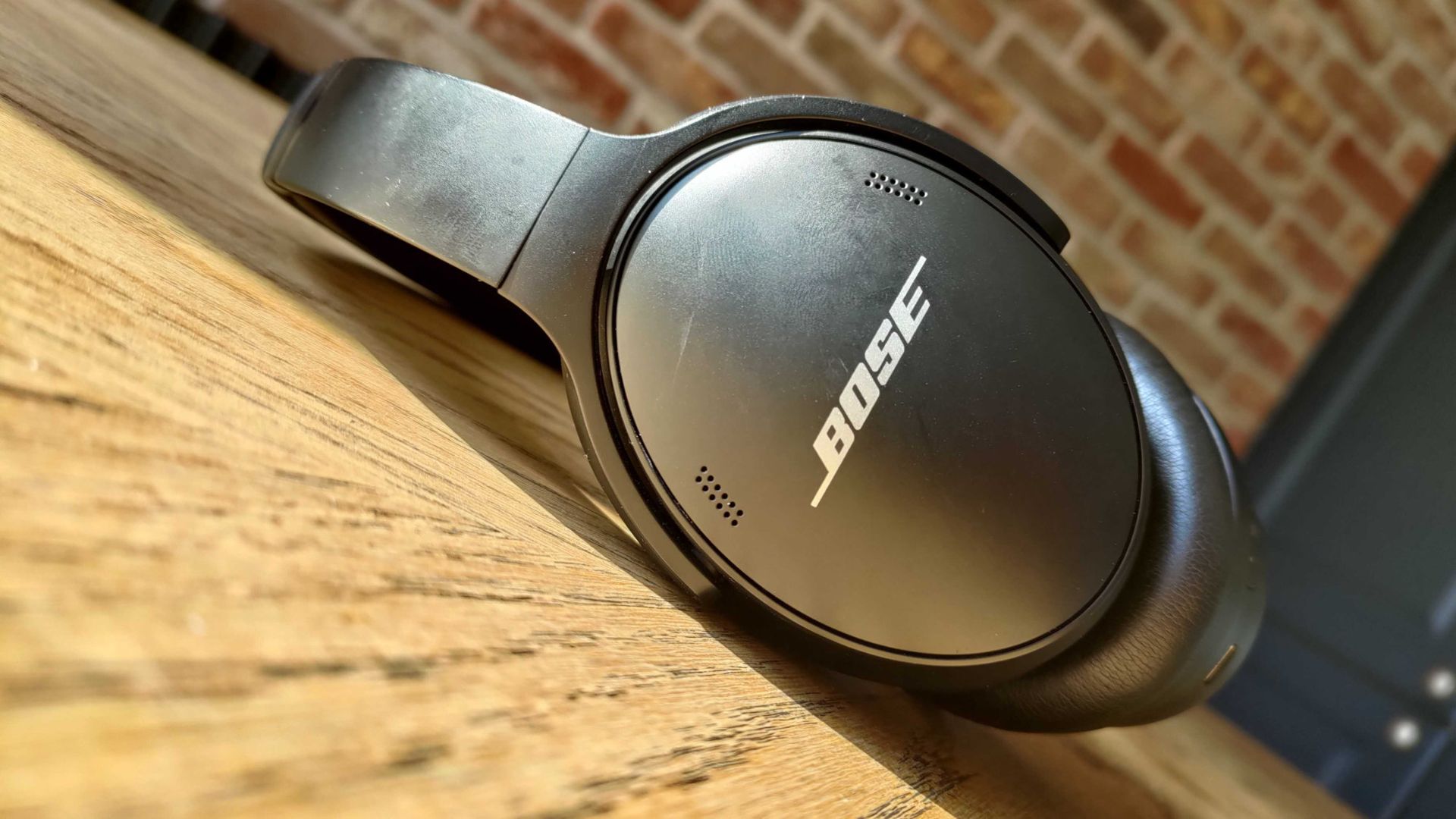
For the last couple of years, my wife has donned a pair of Bose QuietComfort Wireless Noise Cancelling Headphones. They're sleek, comfortable, and do a great job blocking out noise. And right now, they're on sale for $190 off.
These noise cancelling headphones are comfortable, sound great, and last all day. They charge through USB-C, so even if they do run out of battery they're easy to top up.View Deal
You may be surprised to hear that I rarely spend a lot of money on gadgets. I love covering tech, but I try to keep my spending down when it comes to laptops, phones, and accessories. That's why it was a major shift when I bought my wife a pair of Bose QuietComfort Wireless Noise Cancelling Headphones. Back then, the headphones were newer and closer to full price.
But I wanted to splurge on a gift for my wife. She loves music, audiobooks, and podcasts, so I knew she needed a pair of headphones that she could wear all day. The headset from Bose delivered. They're comfortable, block out noise with active and passive noise cancellation, and last a long time.
They're mostly my wife's headphones, but I use them at least once a month and am frequently reminded of how much I like them. After years of heavy use they show some wear and tear (I just ordered new ear pads), but they still sound great.
The Bose QuietComfort Wireless Noise Cancelling Headphones are now a bit older, but they still deliver high-quality audio and are comfortable. They lack some of the bells and whistles you'll see in newer headsets, but they've aged well.
New members can enjoy exclusive Prime Day discounts for free and cancel anytime. After the trial, membership is $14.99/month plus tax. Includes access to games via Prime Gaming alongside Prime Video and Prime Music.
How long does Amazon Prime Big Deal Days last?
Amazon has launched this year's Prime Big Deal Days event with 48 hours of more exclusive deals, which started on Tuesday, October 6, and runs until Wednesday, October 7, 2026
Join us on Reddit at r/WindowsCentral to share your insights and discuss our latest news, reviews, and more.
Google’s October 2026 update patches critical Pixel flaws, fixes VoIP and keyboard bugs, and may mark the end of regular support for Pixel 6.
The post Google October Update Fixes Pixel Bugs as Pixel 6 Nears End of Support appeared first on TechRepublic.
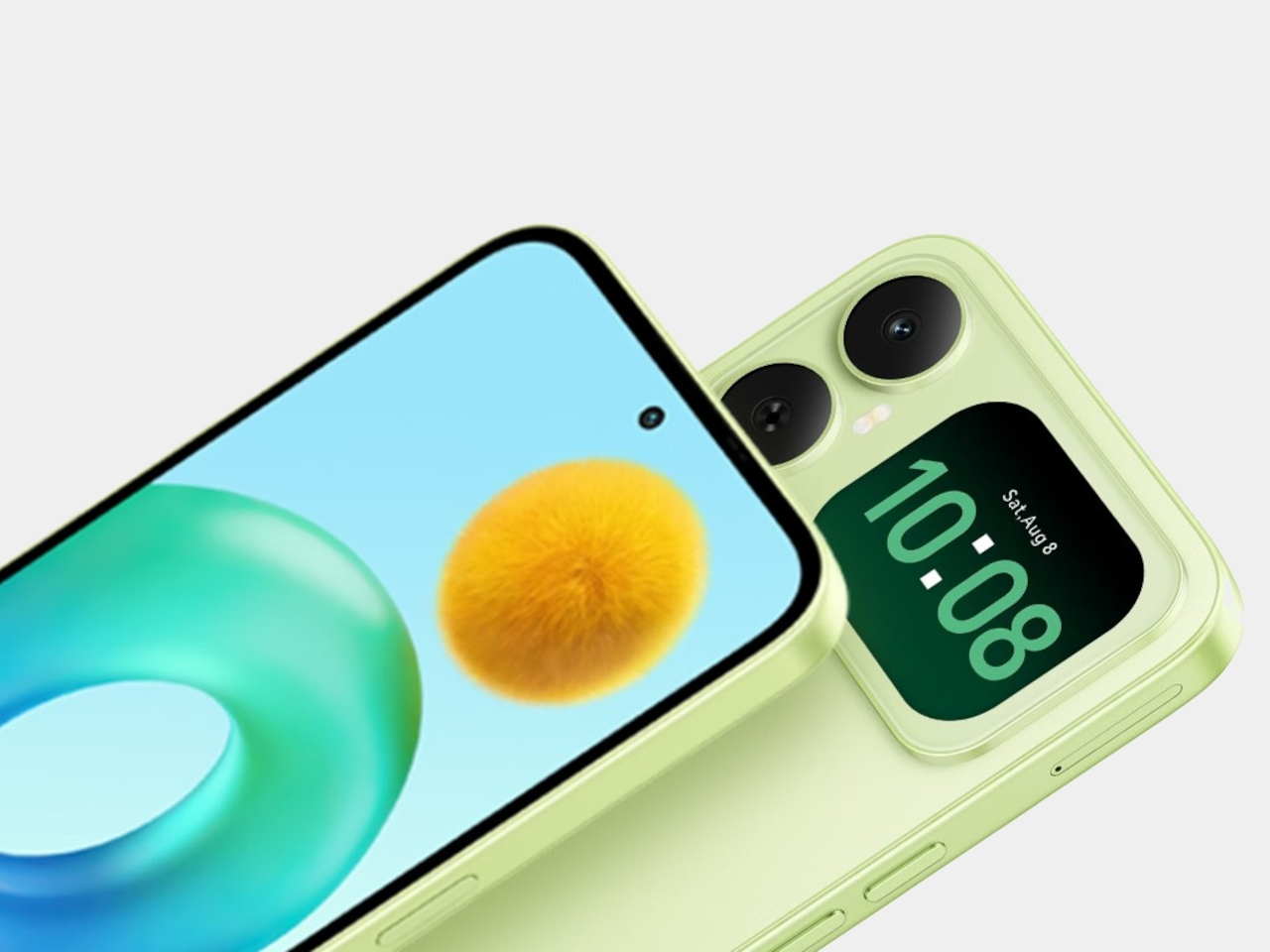
Most budget phones have one screen you stare at and a back you think about. The Honor X5d s makes that back worth a second look by placing a 2.01-inch touchscreen next to its rear camera. It shows the time and alerts, handles music, and helps you take selfies with the better camera. That’s a useful design trick for an inexpensive phone.
The camera island looks like it was built around that display, rather than having a screen tacked on afterward. Two dark circles sit beside it, although Honor l
Most budget phones have one screen you stare at and a back you think about. The Honor X5d s makes that back worth a second look by placing a 2.01-inch touchscreen next to its rear camera. It shows the time and alerts, handles music, and helps you take selfies with the better camera. That’s a useful design trick for an inexpensive phone.
The camera island looks like it was built around that display, rather than having a screen tacked on afterward. Two dark circles sit beside it, although Honor lists only one rear camera. Forest Green makes the island pop against a pale back, while Midnight Black keeps things subdued. Either way, the phone’s most interesting feature is visible before you even wake it.
Designer: Honor
That rear screen makes sense when you’re trying to get everyone into a photo. Instead of extending your arm, guessing at the framing, and discovering that someone’s head is missing, you can see the shot while using the 50-megapixel rear camera. A tap on the back takes the picture. There’s also a 5-megapixel front camera, but this arrangement gives selfies another option.
Of course, a phone can’t spend all day posing for pictures. Leave the X5d s face down on a desk, and its little window can still show the time or a call alert. Music controls live there too, so skipping a song doesn’t require turning the whole device over. It’s a small convenience, but those are often the ones you keep using.
On the other side, there’s a 6.78-inch LCD for more than a glance. Its size makes room for videos, messages, and the photos you took, although the 1,576×720 resolution isn’t particularly sharp for such a large panel. The rear display doesn’t fix that limitation. It simply gives quick tasks their own place instead of asking the bigger screen to do everything.
There’s a 6,000mAh battery to keep both screens running, though the phone’s 15W wired charging might test your patience when it finally needs a refill. Honor also provides 64GB of storage and a three-card slot, letting you add a microSD card without sacrificing either SIM. That’s handy if you keep your photos and music on the phone rather than in the cloud.
Inside, the Unisoc T610 processor and 4GB of RAM tell a more familiar budget-phone story. The side-mounted fingerprint reader is convenient, but there’s nothing particularly exotic about the rest of the hardware. In South Africa, the 4GB/64GB version costs R2,499 (about $150), which puts the extra screen in reach of people who aren’t shopping for a flagship just to get a conversation-starting feature.
That display won’t replace your phone’s main screen, nor will it make the X5d s a better choice for demanding games. But it changes the small interactions that fill a day: a glance at a call, a tap to skip a song, a preview before taking a selfie. At this price, giving the back something useful to do feels refreshing.
A lot of people spend the entire eight hours of a working day just sitting in front of their screens. You probably have your speakers on or put on your headphones to listen to some background music or for online meetings. But for those of us who don’t want to spend one-third of the day like this, we go through different “phases,” which means that the audio that accompanies us throughout the day also changes. From commuting to work to sitting down at your workstation to going on a dinner date an
A lot of people spend the entire eight hours of a working day just sitting in front of their screens. You probably have your speakers on or put on your headphones to listen to some background music or for online meetings. But for those of us who don’t want to spend one-third of the day like this, we go through different “phases,” which means that the audio that accompanies us throughout the day also changes. From commuting to work to sitting down at your workstation to going on a dinner date and finally relaxing at home, you don’t want the same setting all day.
That’s the more interesting way to look at the StillFrame Headphones. Rather than asking them to create one uninterrupted listening session, imagine taking them through a day full of stops and starts. They offer Noise Cancelling and Transparency modes, Bluetooth 5.4 connectivity, a USB-C wired option, and dual microphones with noise control. Each feature has a place in that routine, even if no two days follow quite the same route.
The first part of the day for most of those who go to a regular office is the morning commute. You might be on a noisy train with a lot of people talking or walking along a busy street with a lot of city noise. StillFrame’s Noise Cancelling mode will help you focus on what you’re listening to and drown out some of the chaotic noise around you. It is always there as an option for times when you want to immerse yourself in your playlist or the next chapter of the book you’re listening to.
When you do need to let the world back in, you don’t have to turn off your podcast episode at a crucial moment. The headphones have a Transparency Mode option that’s there with a tap for moments when you need to order a coffee or you’re walking somewhere that requires your full attention. Just tap between the two modes for what you need at the moment without having to pause or stop what you’re listening to. It’s also a good reminder that the world isn’t always a distraction.
When you finally reach your office, you might have a scheduled meeting sometime during the day. StillFrame is useful even for work things, as it has dual microphones with noise control so you can shift from consuming audio to communicating with others using the headphones. That doesn’t mean every conversation will sound perfect in every environment. It does mean you can move from a podcast or playlist to a meeting without reaching for a separate pair of headphones just because your role in the audio has changed.
When you finally get home to your cozy bed, you sometimes still want to continue listening to that audiobook, start a new podcast episode, or let some soothing music lull you to sleep. You can choose to continue using your StillFrame headphones over Bluetooth 5.4 or use the USB-C wired option if you’d rather plug in. Either way, the wired option is an alternative to wireless listening and not a reason to assume the headphones will work after their battery runs out.
A few other details help round out the picture. StillFrame weighs 103 grams and has a stainless-steel headband, a minimalist frame, and 40mm drivers. Its ear cushions attach magnetically, making them easy to swap; the white model comes with extra pairs in light gray and turquoise. Battery life is rated at up to 24 hours per charge, though actual use may vary. Those details aren’t the main story here, but they help explain what you’re carrying from one part of the day to the next.
No pair of headphones can make a commute quiet, a meeting short, or a busy day slow down. What StillFrame Headphones offer is a set of ways to respond as those moments change. You can focus, let the world in, take a call, or settle into an evening listen. The best setting isn’t one you choose in the morning and keep all day. It’s the one that fits where you are now.
Logitech just announced a pair of headphones that I'm sure will make my wife jealous. The new Zone Vibe Pro headphones promise all-day battery life, clear audio powered by AI voice isolation, and Adaptive Noise Cancellation. But what makes me wish I had a pair is the repairable nature of the headphones.The Zone Vibe Pro headphones are far from the first headphones to have replaceable parts. But they caught my eye because the earpads of my wife's primary headphone
Logitech just announced a pair of headphones that I'm sure will make my wife jealous. The new Zone Vibe Pro headphones promise all-day battery life, clear audio powered by AI voice isolation, and Adaptive Noise Cancellation. But what makes me wish I had a pair is the repairable nature of the headphones.
The Zone Vibe Pro headphones are far from the first headphones to have replaceable parts. But they caught my eye because the earpads of my wife's primary headphones just fell off the other day, and battery life is not what it used to be. Official earpads are available, but those are the only parts that can be replaced.
In contrast, Logitech will sell replacement earpads, head straps, and batteries for the Zone Vibe Pro through its Spare Parts Store.
While writing this article, I briefly mentioned to my wife how Logitech sells spare parts and she emphatically asked why we couldn't get parts the same way for our other accessories.
These headphones feature AI-powered voice isolation, adaptive noise canceling, and built-in microphones that don't require a drop-down boom. You'll be able to purchase replacement earpads, head straps, and batteries through Logitech's store.View Deal
The most expensive parts of electronic devices are rarely the first parts to wear out. Wires, woofers, and most of the vital components are encased in plastic, metal, or some fancy material depending on what gadget you're dealing with. Considering the current economy and the way prices are trending, I'd rather spend a few dollars on replacement parts than buy a new device altogether.
The Zone Vibe Pro costs $259.99. That price is in line with similar headphones, but it's still quite a bit of money to invest. Being able to replace a worn-out part for a fraction of the total price of the headphones will help future-proof them.
The Zone Vibe Pro headphones have a boomless design that differentiates them from the less premium Zone Vibe (non-pro). Logitech says the headphones get up to 30 hours of listening or 18 hours of call time when ANC is enabled.
When the battery does run out, you can charge the headphones for five minutes to get an additional hour of call time.
If you are a business user, you can get the Zone Vibe Pro for Business which are certified for meeting apps like Microsoft Teams and support IT fleet management through Logitech Sync.
Join us on Reddit at r/WindowsCentral to share your insights and discuss our latest news, reviews, and more.
There are plenty of USB microphones aimed at gamers these days, but few come from a company with the audio credentials of Shure. For more than 100 years, Shure has built microphones for musicians, broadcasters, performers, and recording professionals, with products like the SM58 and SM7 becoming industry standards along the way. During a recent briefing with me, Shure described the new MV6 lineup as part of its effort to bring that expertise to creators who want
There are plenty of USB microphones aimed at gamers these days, but few come from a company with the audio credentials of Shure. For more than 100 years, Shure has built microphones for musicians, broadcasters, performers, and recording professionals, with products like the SM58 and SM7 becoming industry standards along the way. During a recent briefing with me, Shure described the new MV6 lineup as part of its effort to bring that expertise to creators who want professional-quality audio without the cost and complexity that often comes with traditional XLR gear.
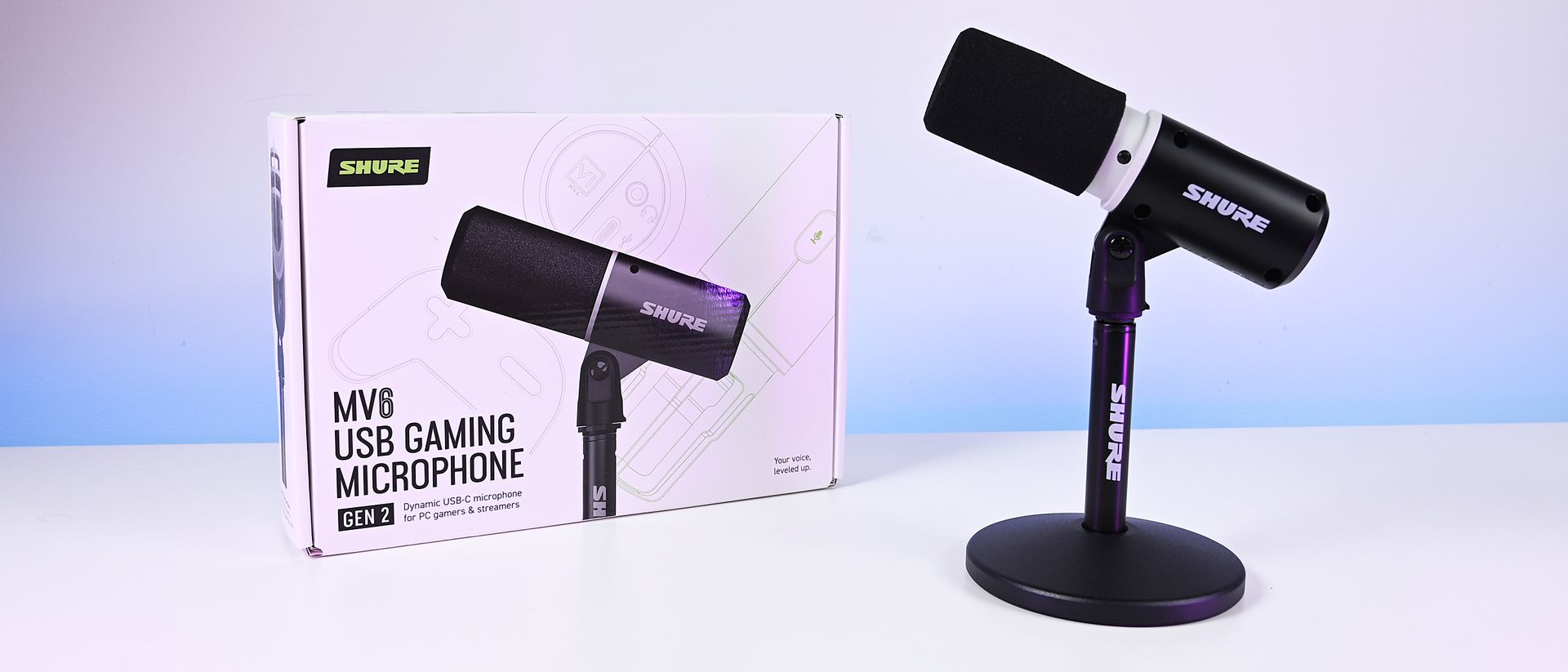
That's what immediately appealed to me about the new MV6 Gen 2 ($169). I've spent the last 15 years using microphones for the Windows Central Podcast, livestreams, media appearances, and interviews. I've used plenty of microphones from Razer, HyperX, Blue, and others, but somehow this was my first extended experience with a Shure. After several weeks of testing, including an appearance on TWiT Episode 1101 where I received compliments on the audio quality afterward, I can see why the company has such a strong reputation among podcasters and broadcasters.
The MV6 Gen 2 may be marketed as a gaming microphone, but after using it, that label feels a little too narrow. This is a microphone for anyone who wants better voice quality without needing an audio interface, mixer, XLR cables, or a degree in audio engineering.
Shurehad no input, nor did it see the contents of this review, prior to publication.
What's new with the Shure MV6 USB Gaming Microphone Gen 2?
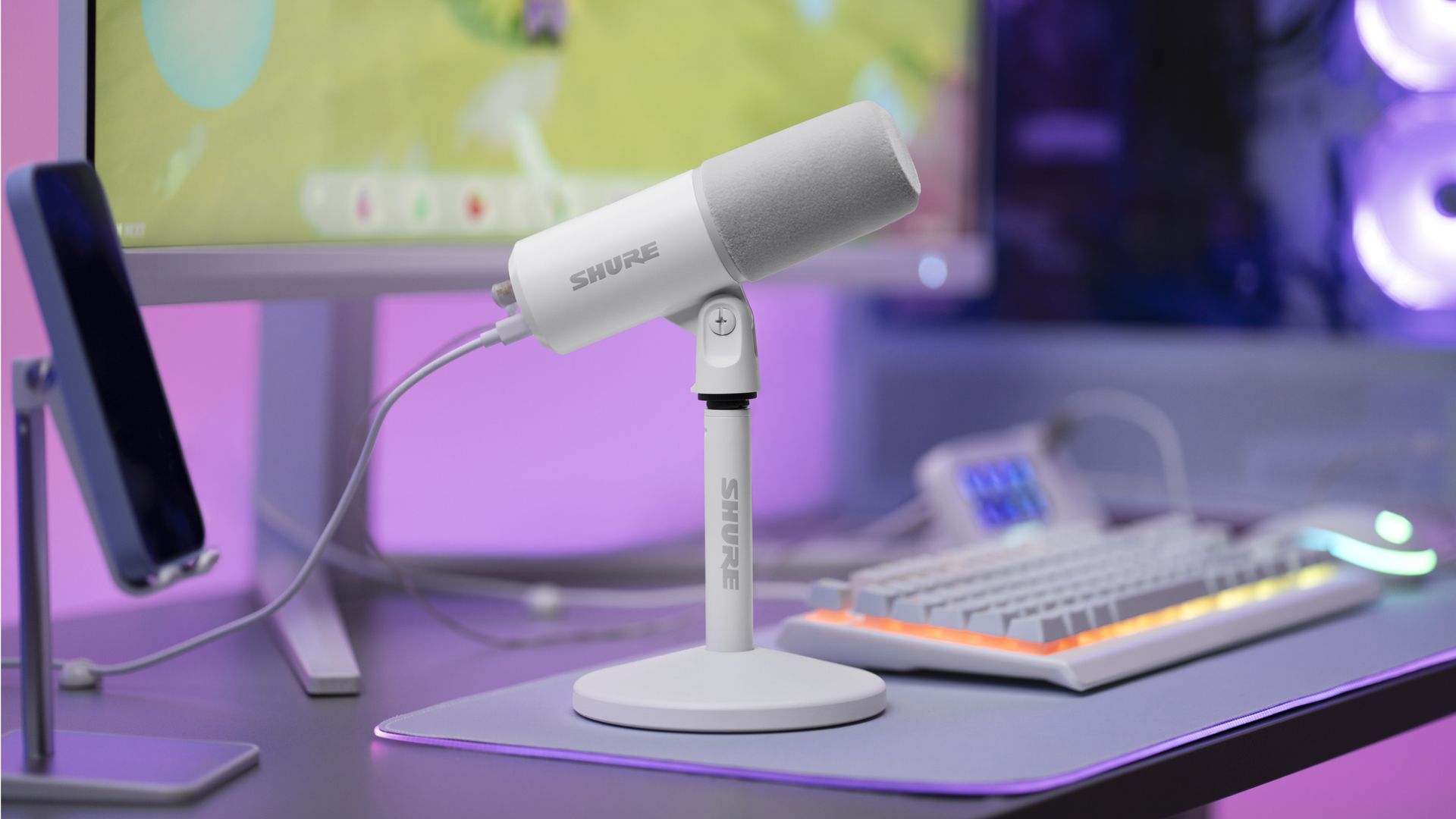
The new Shure MV6 USB Gaming Microphone Gen 2 now comes in a white option, as well. (Image credit: Shure)
I didn't review the original MV6, but most reviews of the first-generation model praised its strong audio quality, easy setup, and excellent value while noting that customization was relatively limited compared to some competitors.
Shure appears to have taken that feedback seriously.
The second-generation MV6 focuses primarily on expanding user control through software and onboard DSP processing rather than reinventing the hardware itself. The microphone still ships with Shure's "sounds great out of the box" philosophy, but users now have significantly more flexibility if they want to fine-tune their audio.
New features include:
Adjustable Auto Level controls with configurable target levels
New Adaptation Rate settings that determine how quickly gain recovers after volume spikes
Adjustable Real-Time Denoiser intensity
New Speech, Singing, and Instrument presets
A full 5-band EQ for advanced tuning
White and black color options
A longer included USB-C cable
The ability to disable the microphone's touch-sensitive mute button
Enhanced DSP processing and customization through the MOTIV Mix software suite
Perhaps most importantly, Shure accomplished this without turning the MV6 into a microphone that demands constant tweaking.
During my briefing, product manager T Banks repeatedly emphasized that users shouldn't need to understand gain staging, EQ curves, or audio engineering to get excellent results. The advanced controls are there if you want them, but the microphone is designed to sound great from the moment it's plugged in.
Shure MV6 USB Gaming Microphone Gen 2: Price and specifications
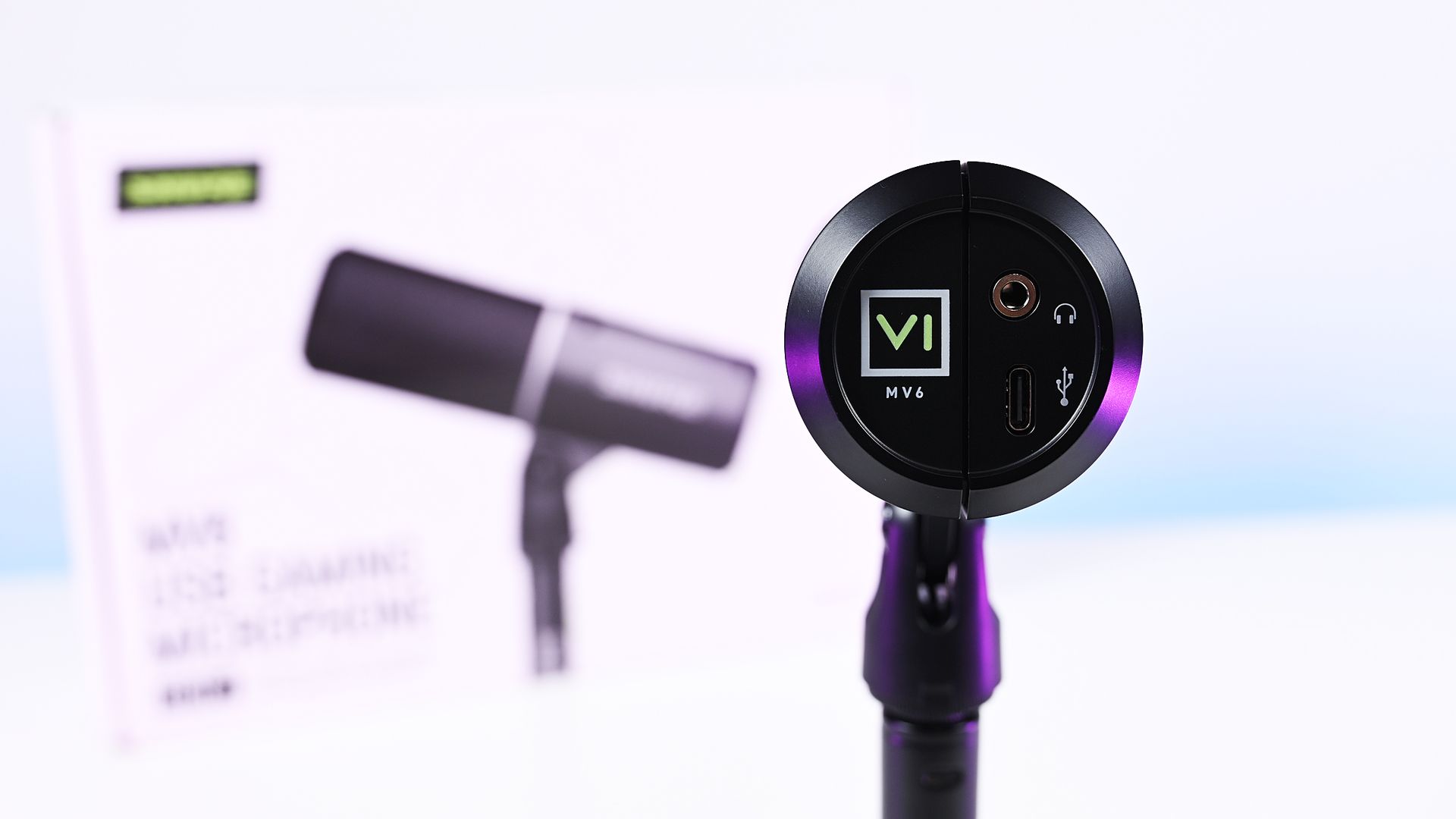
Direct bottom-up view of the Shure MV6 Gen 2 microphone displaying its 3.5mm headphone jack and USB-C port. (Image credit: Daniel Rubino)
At $169, the MV6 Gen 2 lands squarely in one of the most competitive segments of the USB microphone market.
That's a price bracket occupied by products like the Razer Seiren V3 Chroma 32-bit and HyperX QuadCast 2 S, both of which offer feature-rich experiences and recognizable gaming branding. The Shure takes a different approach. Instead of trying to out-RGB the competition, it leans heavily on audio quality, DSP processing, and the company's professional heritage.
On paper, the specifications are solid:
Dynamic cardioid microphone
USB-C connectivity
24-bit / 48 kHz audio
Adjustable Auto Level processing
Real-Time Denoiser
Digital Popper Stopper
High-pass filter
5-band EQ
3.5mm monitoring jack
Windows, macOS, iOS, and Android support
Basically, these are all the things I want and need in a mic, and none of the extra stuff that I don't.
Shure MV6 USB Gaming Microphone Gen 2: Design and setup
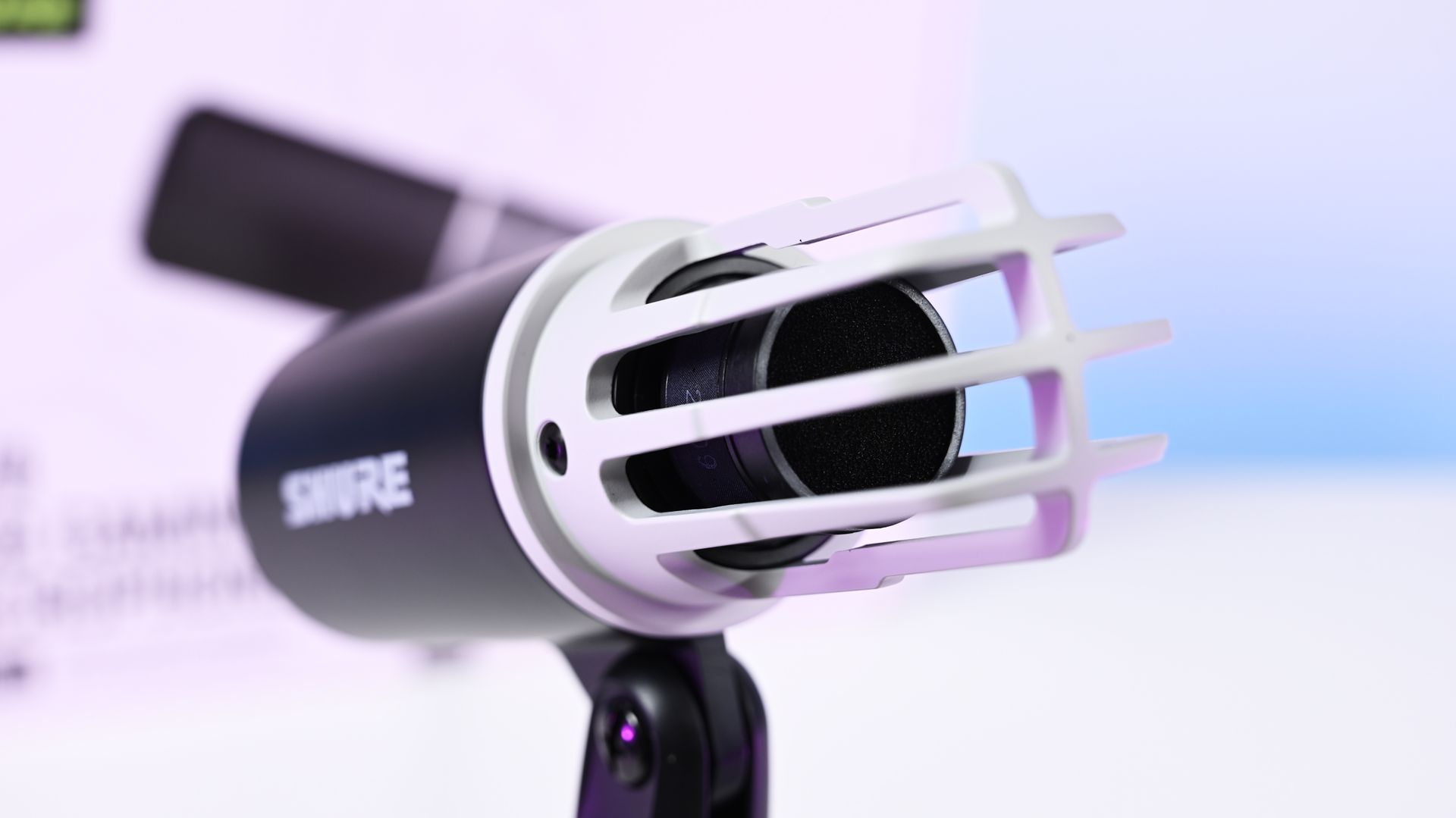
Close-up shot of the Shure MV6 Gen 2 microphone capsule with the foam windscreen off, showing the inner ribbed cage. (Image credit: Daniel Rubino)
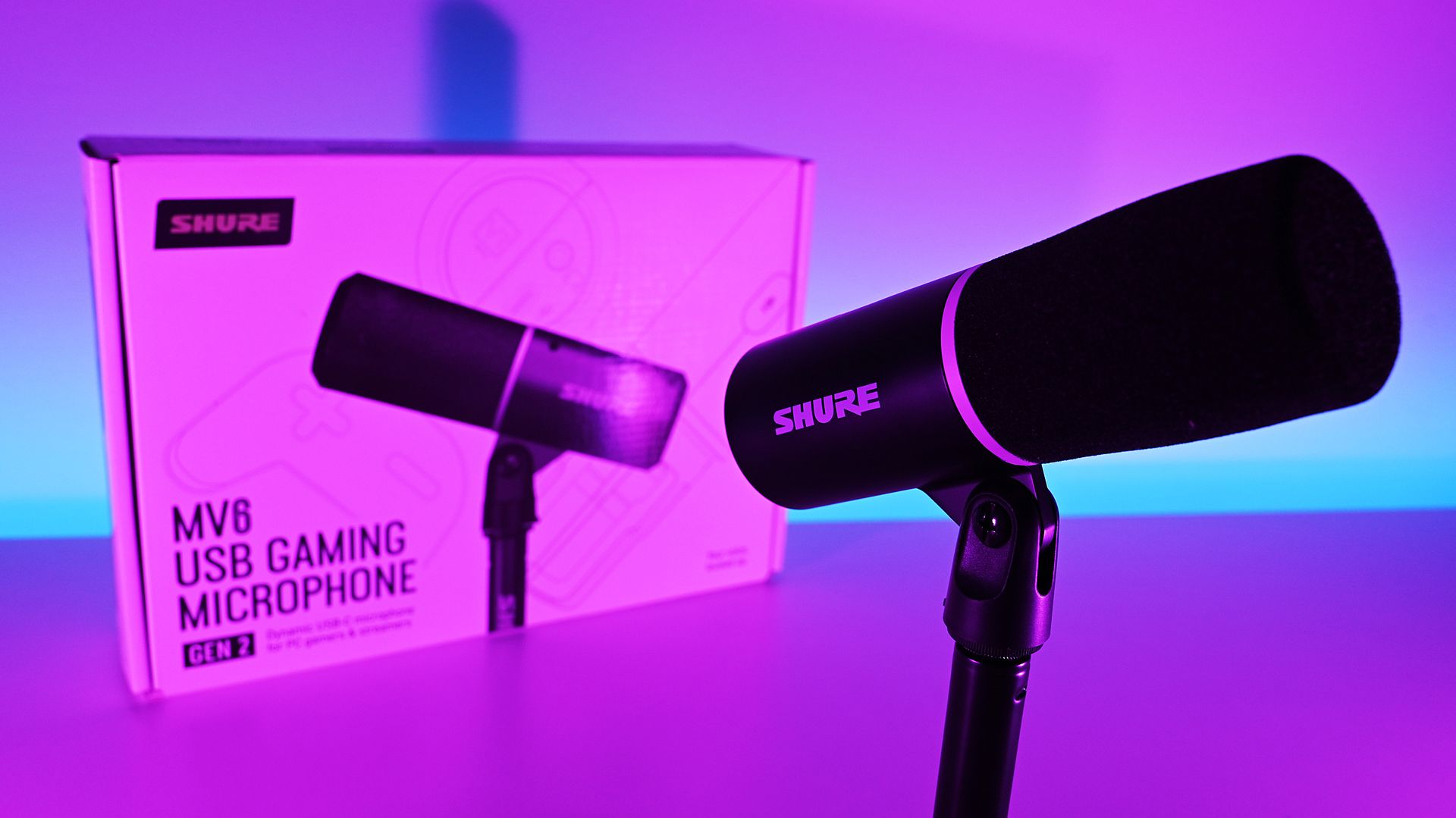
The MV6 Gen 2 won't be mistaken for a gaming centerpiece.
Compared to the RGB-heavy HyperX QuadCast 2 S or the eye-catching Razer Seiren V3 Chroma, the Shure looks almost understated. The cylindrical design, compact desktop stand, and minimal branding prioritize functionality over personality.
Personally, I like that approach, but I also like glowy things.
The MV6 disappears into the background during video calls and recordings rather than demanding attention. It feels more like a professional tool than a gaming accessory.
Setup is about as painless as USB microphones get. Connect the included USB-C cable, select the device in Windows, and start talking.
One of the more interesting insights from my conversation with Shure involved the company's decision to omit XLR entirely. Shure believes many creators are paying extra for XLR connectivity (like the $249 Razer Seiren V3 Pro) they never actually use. By focusing exclusively on USB and investing heavily in onboard DSP, the company was able to keep costs lower while delivering audio quality that approaches much more complex setups.
Having owned mixers and used XLR microphones myself, I completely understand that reasoning. For most people, this approach makes more sense.
Shure MV6 USB Gaming Microphone Gen 2: MOTIV Mix software
(Image credit: Daniel Rubino)
The MOTIV Mix software is where many of the Gen 2 improvements come to life.
My first impression was admittedly amusing. The installer feels surprisingly old-school, almost like a utility from an earlier Windows era. Once installed, however, the application is refreshingly straightforward.
That's a good thing.
Companies often fall into the trap of treating audio software like a cockpit. MOTIV Mix feels more like a well-organized control panel.
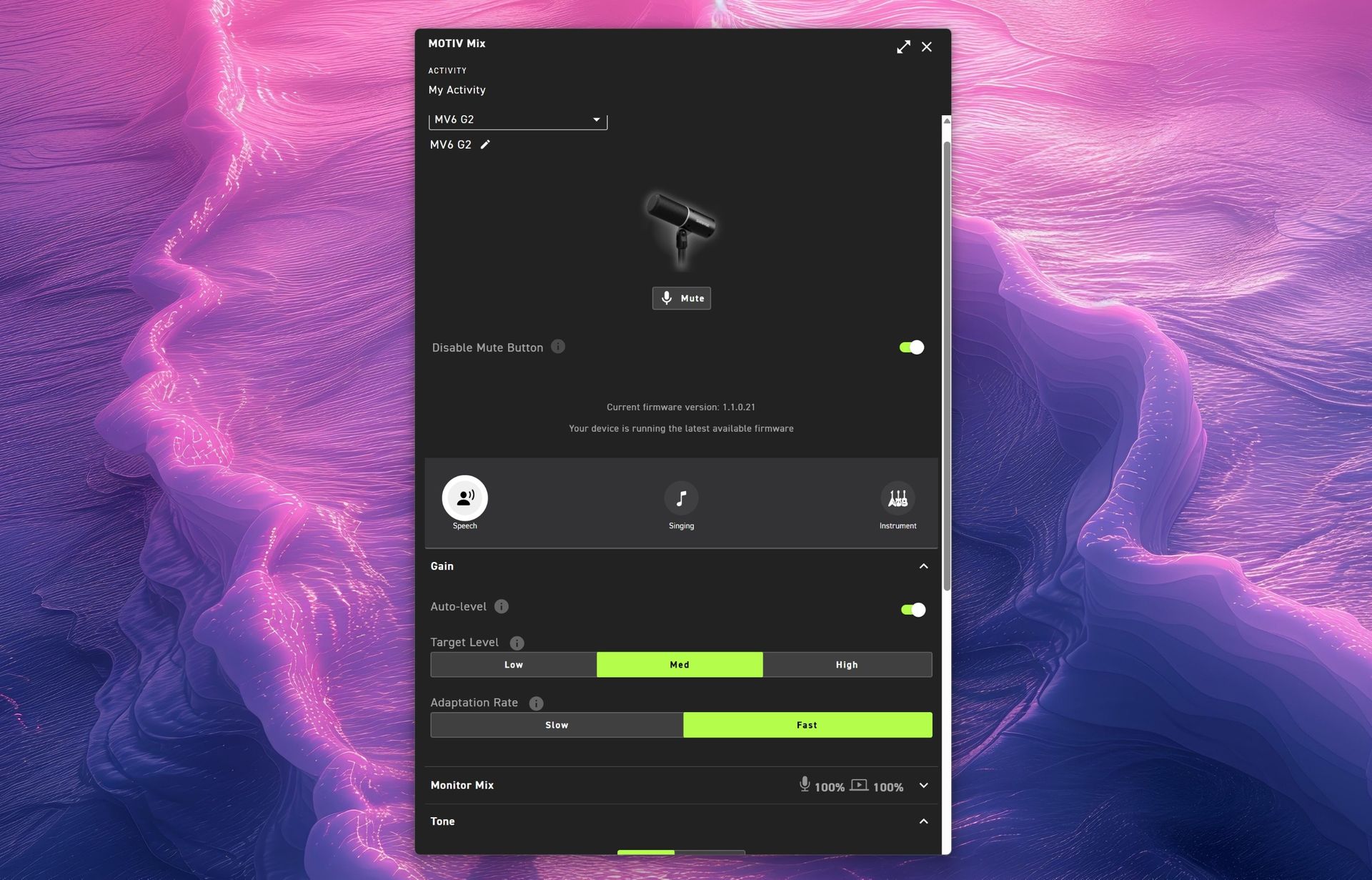
One of my favorite additions is the ability to disable the microphone's touch-sensitive mute button on the side. The mute function works extremely well, maybe a little too well. I accidentally triggered it more than once while adjusting the microphone, so being able to disable it entirely turned out to be an unexpectedly useful feature.
Auto Level and Adaptation Rate
Auto Level is enabled by default and serves as Shure's answer to automatic gain control.
The new system allows users to set different output targets while also adjusting how quickly the microphone responds after loud volume spikes. According to Shure, this feature was added after feedback from gamers who found the first-generation microphone could take too long to recover after sudden loud reactions.
For streamers, podcasters, and excitable gamers, it's a genuinely useful improvement.
Monitor Mix
Monitor Mix lets users balance their own voice against system audio heard through connected headphones.
Anyone who records podcasts, livestreams, or interviews will appreciate having direct control over that monitoring experience without needing external hardware.
(Image credit: Daniel Rubino)
Tone and Advanced EQ
The Tone section illustrates Shure's overall philosophy particularly well.
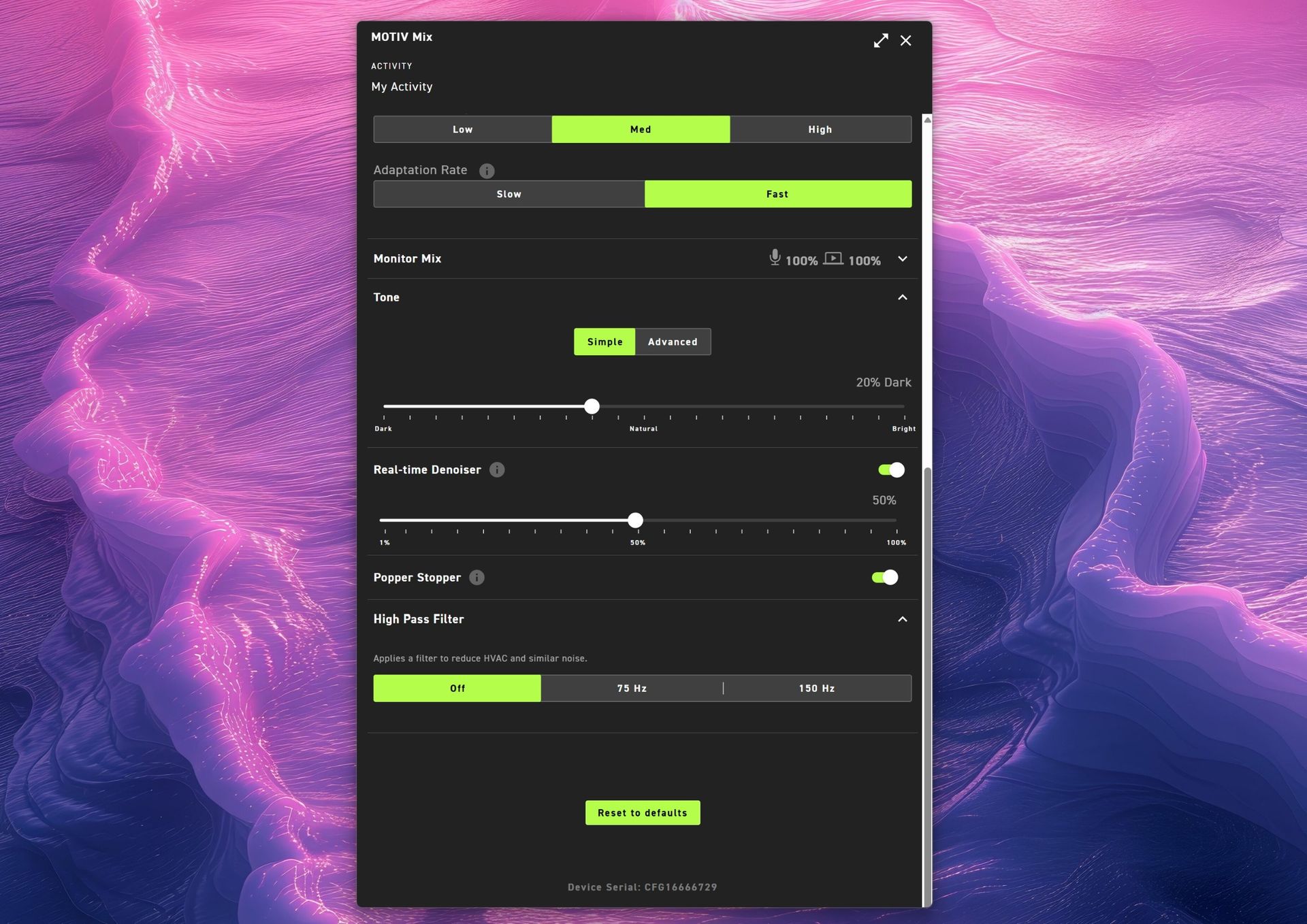
Users who don't want to learn EQ can simply slide between Dark, Natural, and Bright tonal profiles. Those who want deeper control can switch to a five-band EQ and manually adjust key frequencies.
It's an elegant balance between simplicity and flexibility.
Real-Time Denoiser
One of the standout Gen 2 upgrades.
The original MV6 offered denoising, but Gen 2 allows users to adjust its intensity. Whether you're recording in a quiet office or trying to overcome computer fans, HVAC systems, or general background noise, the Denoiser provides meaningful control over how aggressively the microphone cleans up your environment.
Popper Stopper and High Pass Filter
The Digital Popper Stopper is designed to reduce plosive sounds caused by hard "P" and "B" consonants. During testing, it worked well enough that I never felt compelled to add an external pop filter.
The High Pass Filter can be set to 75Hz or 150Hz, helping reduce low-frequency rumble from HVAC systems, vibrations, and other environmental noise. Combined with the denoiser, it's surprisingly effective.
Shure MV6 USB Gaming Microphone Gen 2: Audio quality
This is where the MV6 Gen 2 earns its asking price.
Throughout my testing, voices consistently sounded warm, natural, and broadcast-ready with remarkably little effort. The microphone's dynamic capsule does an excellent job focusing on the speaker while minimizing distractions from the surrounding room.
(You can listen to how it sounds above during my 3+ hour guest appearance on This Week in Tech a few weeks ago.)
More importantly, it sounds good before you open the software.
That might sound obvious, but it's becoming surprisingly rare. Many gaming microphones feel like they require software processing to reach their full potential. The MV6 Gen 2 starts from an already excellent baseline and simply gives you tools to refine it further.
That philosophy came up repeatedly during my conversation with Shure. I compared its audio approach to brands like Bose, where tuning and DSP should complement the product rather than compensate for its shortcomings. The expectation is that users plug it in and immediately sound better.
In my experience, that's exactly what happens.
Against the Razer Seiren V3 Chroma 32-bit, I generally preferred Shure's warmer, more natural vocal presentation for podcasting and spoken-word content. The Razer offers more visual flair and creator-focused effects (and the auto-tuning setup in Synapse is great), but the MV6 sounded more like a broadcast microphone.
Compared to the HyperX QuadCast 2 S, the Shure again prioritizes voice quality over spectacle. The HyperX remains one of the best-looking microphones on the market, while the MV6 feels more focused on delivering clean, professional audio.
Neither comparison is a knock against Razer or HyperX. Instead, it highlights how different Shure's priorities are. This feels like an audio company that happens to be making a gaming microphone rather than a gaming company trying to make an audio product.
Shure MV6 USB Gaming Microphone Gen 2: Competition
Razer Seiren V3 Chroma microphone offers similar capabilities to the Shure MV6 Gen 2, but with a lot more typical gaming RGB flair. (Image credit: Daniel Rubino)
If RGB lighting, aesthetics, and streamer-focused visual features are top priorities, either competitor may be the better fit.
If audio quality is the top priority, the MV6 Gen 2 presents an extremely compelling argument.
Shure's competitive advantage isn't lighting, software effects, or gaming branding. It's more than 100 years of microphone experience combined with DSP technology that originated from the company's broader professional audio business.
That heritage is difficult to replicate.
Should you buy it?
✅You should buy this if ...
You want excellent audio without needing XLR hardware
You podcast, stream, create videos, or appear in meetings regularly
You value audio quality more than RGB lighting
You want useful DSP features that work automatically
❌You should not buy this if ...
RGB lighting and visual customization are important to you
You want a microphone with multiple polar patterns
You prefer software ecosystems as polished as Synapse or NGENUITY
Final thoughts
(Image credit: Daniel Rubino)
The Shure MV6 USB Gaming Microphone Gen 2 feels less like a gaming microphone and more like a professional USB microphone that happens to be affordable enough for gamers (or anyone who just needs a good mic that's not XLR-level).
For a first-time Shure user, that's probably the biggest compliment I can give it. After years of seeing Shure microphones dominate podcasts and broadcasts, I finally understand why so many creators trust the brand. The sound quality is excellent, the setup is effortless, the DSP features are genuinely useful, and the software gives you just enough control without becoming overwhelming.
My only real criticism is that MOTIV Mix lacks some of the visual polish and ecosystem refinement found in competing software suites. Beyond that, there isn't much to complain about.
At $169, the MV6 Gen 2 delivers exactly what Shure set out to achieve: professional-grade audio that simply works.
Professional Grade
Shure
MV6 USB Gaming Microphone Gen 2
Engineered specifically for PC gaming, streaming, and content creation, the MV6 Gen 2 brings Shure's professional broadcast technology to more creators, including those purchasing their first dedicated microphone and looking to elevate their sound beyond a headset.
Join us on Reddit at r/WindowsCentral to share your insights and discuss our latest news, reviews, and more.
Samsung has raised US prices for the Galaxy S26, S26 Plus, and S26 Ultra by up to $200. See the new pricing and what buyers should compare before upgrading.
The post Samsung Raises US Galaxy S26 Prices by Up to $200 appeared first on TechRepublic.
Samsung has raised US prices for the Galaxy S26, S26 Plus, and S26 Ultra by up to $200. See the new pricing and what buyers should compare before upgrading.
Apple’s iPhone Duo starts at $1,999 with a 7.6-inch folding display. See its release date, specs, cameras, battery life, features, and more.
The post iPhone Duo Cheat Sheet: Price, Specs, Features and More appeared first on TechRepublic.
Imagine sitting at a table with friends and whipping your phone out. Your friends see it’s a foldable… then as you unfold it, the animation looks suspiciously like the iPhone Duo. Your friends are impressed, they designate you as the group photo taker… and you tell them regrettably that your iPhone Duo has no cameras. Then you add… not only does it not sport any cameras, it also costs fourteen grand.
To be honest, that scenario is entirely imaginary. Mainly for a bunch of key reasons. Caviar bu
Imagine sitting at a table with friends and whipping your phone out. Your friends see it’s a foldable… then as you unfold it, the animation looks suspiciously like the iPhone Duo. Your friends are impressed, they designate you as the group photo taker… and you tell them regrettably that your iPhone Duo has no cameras. Then you add… not only does it not sport any cameras, it also costs fourteen grand.
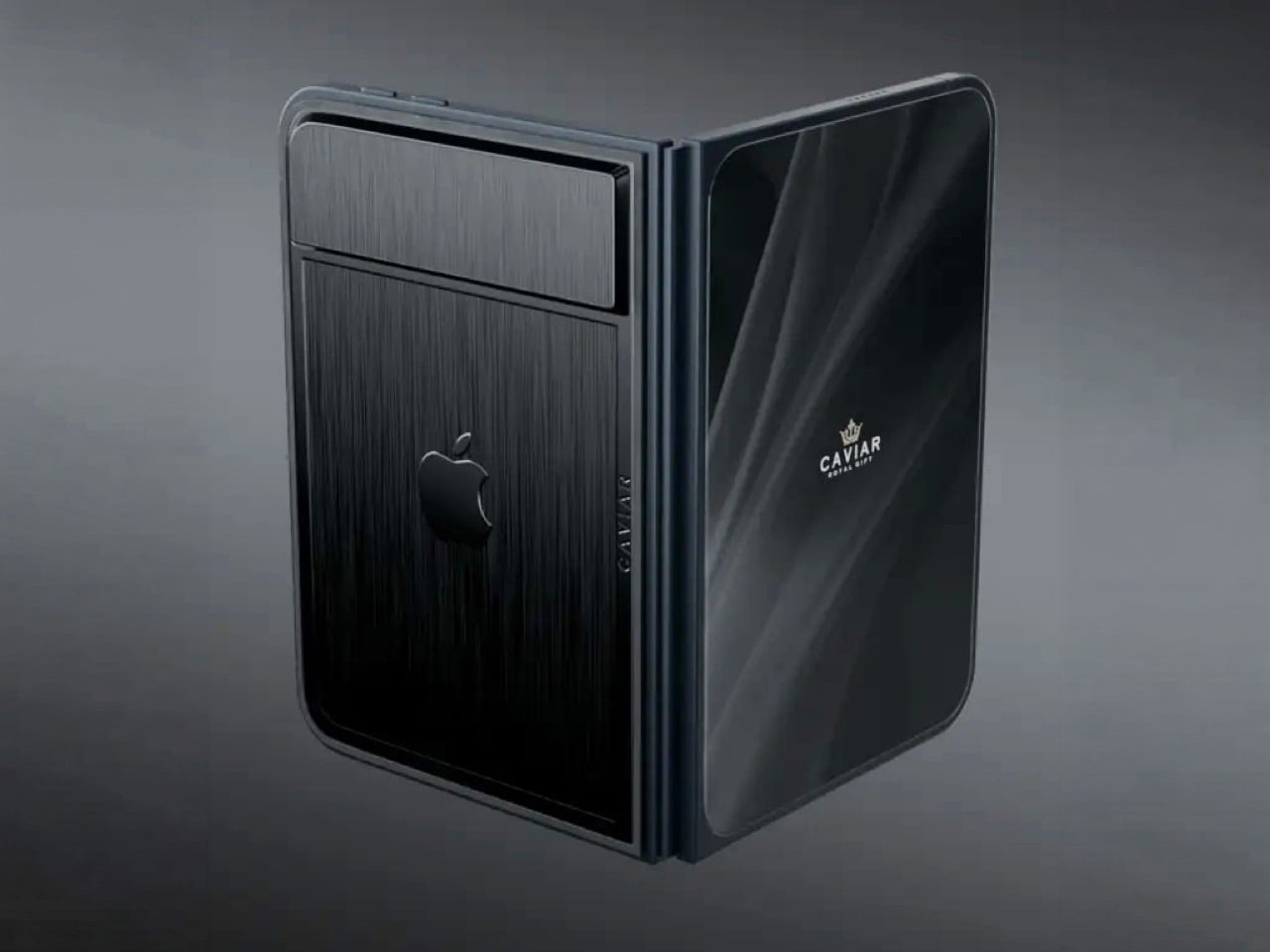
To be honest, that scenario is entirely imaginary. Mainly for a bunch of key reasons. Caviar built this version of the iPhone Duo for privacy, championing what they call “Privacy, Minimalism, and a Refined Masculine Style.” Someone who sees truth in that ethos isn’t designated photographer material. And if they were, shelling 14k on a phone means you probably have a few extra grand to hire a photographer wherever you go. The only reason someone buys this hare-brained version of the iPhone Duo is because they can. Plain and simple.
Removing the camera stack from the back of the iPhone Duo does something unexpected: the phone becomes genuinely beautiful. That rear panel, normally dominated by the triple-lens module, turns into a single flat sheet of satin-finished black titanium. No bumps, no rings, no glass circles competing for visual real estate, just one uninterrupted surface that shifts character depending on the light hitting it. Caviar calls the inspiration “supersonic aviation aesthetics,” which sounds like marketing speak until you actually look at the product photos. A blacked-out Apple logo sits flush in the titanium, the Caviar crown marks the opposite panel in a swept fabric-like texture, and the whole thing looks less like a phone and more like a prop from a very expensive spy film.
Apple’s decision to use Touch ID for the iPhone Duo, abandoning Face ID, turns out to be what makes Caviar’s camera-free execution actually hold up. A Face ID phone needs its front camera array to function as a biometric sensor, so pulling that out would mean a very pretty device that cannot unlock. Touch ID lives in the frame rather than behind the screen, so Caviar could strip the entire camera stack, front hole-punch and rear module both, without breaking anything fundamental. Based on product images, the inner display on the Ultimate appears completely clean, no hole-punch interrupting the screen, which makes the inside as seamless as the outside. Two separate design decisions from two separate companies ended up fitting together better than either could have planned.
Caviar made 19 of these total. Each unit ships in a custom lockable black luxury box, presented the way a jeweler presents a watch rather than the way Apple ships a phone. A smaller gold-colored wooden case inside holds what appears to be a gold-plated commemorative coin, the kind of object that exists purely to make the unboxing feel like a ceremony. The side of the phone is engraved with a serial number too, for exclusivity. Caviar knows exactly who they are selling to, and made sure the packaging matches the energy.
Caviar has been doing this for years, taking flagship Apple hardware somewhere Apple would never go, for clients who appreciate the gesture. The formula is consistent: start with the most premium Apple product on the market, make it rarer, make it more dramatic, and let the price be the final statement. We have covered their gold-plated and titanium iPhone builds here before, and none of them committed this hard to stripping features as a form of self-expression. At $13,990 for 19 units (mind you, that’s just the 512GB variant), the Ultimate is the purest version of the Caviar argument: a phone that costs seven times its base price because it does less, and somehow makes that sound like the point.

 Connexion