❌

Vue normale

  • ✇Yanko Design
  • Arrowspace S1 Screwdriver Kit Scans Screws and Lights Up the Recommended Bit
    Tiny screws have a knack for making simple repairs feel surprisingly complicated. You sit down to open a laptop, only to discover that choosing the right bit requires almost as much attention as the job itself. The Arrowspace S1 is a precision electric screwdriver that tackles that familiar pause with a camera, AI-assisted identification, and a case that points out the recommended bit. There’s certainly no shortage of options inside the case, which holds 52 S2 steel bits. Of course, having plen
     

Arrowspace S1 Screwdriver Kit Scans Screws and Lights Up the Recommended Bit

Par : JC Torres
10 novembre 2026 à 21:45

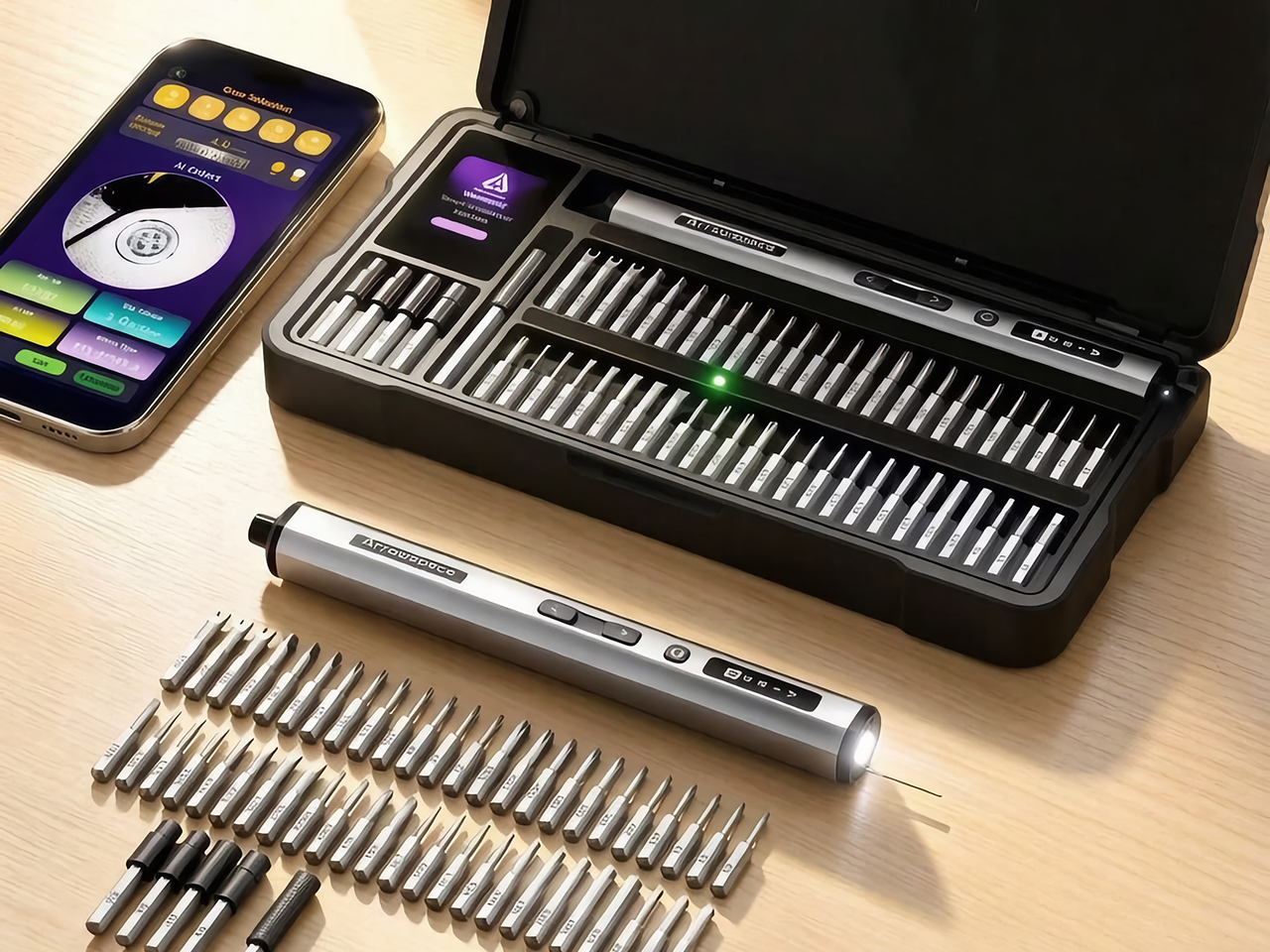
Tiny screws have a knack for making simple repairs feel surprisingly complicated. You sit down to open a laptop, only to discover that choosing the right bit requires almost as much attention as the job itself. The Arrowspace S1 is a precision electric screwdriver that tackles that familiar pause with a camera, AI-assisted identification, and a case that points out the recommended bit.

There’s certainly no shortage of options inside the case, which holds 52 S2 steel bits. Of course, having plenty of choices doesn’t automatically tell you which tiny tip belongs in an equally tiny screw. That’s where the S1’s design gets interesting. Instead of leaving the identification step entirely to your eyesight, it gives the tool a dedicated way to examine the fastener before you start.

Designers: Lau Yin, Xu Yu

Click Here to Buy Now: $129 $215 (40% off). Hurry, only 85/1100 left! Raised over $250,000.

The camera sits at the rear, opposite the driving end, alongside a contact probe. Resting that probe against the screw establishes a consistent distance between the lens and its subject. It’s a pleasantly physical answer to a digital problem, giving the recognition software a more controlled starting point. You scan first, then turn the screwdriver around when you’re ready to work.

The actual recognition happens in the companion phone app, which processes screw images locally without sending them to cloud servers. It supports 12 common screw-head profiles and identifies the corresponding size, giving those mysterious little recesses a name. Recognition doesn’t require an internet connection, although the phone still needs a local connection to the tool.

The next step is refreshingly direct. An LED illuminates the recommended bit slot, while a 2-inch TFT display on the case shows identification information. You still pick up the bit and fit it yourself, but there’s less detective work between the result and the tool. That small connection between software and storage makes the case an active part of the repair process.

Getting the bit right is only part of handling delicate hardware. The Arrowspace S1 offers adjustable torque settings, while Auto mode applies a preset matched to the identified screw. Think of it as help choosing a starting point, with the device manufacturer’s instructions still guiding the repair. A laptop’s small fasteners deserve more consideration than simply pressing a button and hoping.

That attention to control carries through to the screwdriver itself. Its slender aluminum-alloy body has physical forward and reverse buttons, while an OLED display keeps the torque level, rotation direction, and battery status visible. Work lights surround the magnetic bit holder at the tip. The layout keeps everyday controls on the object you’re holding, rather than sending you back to a screen for every adjustment.

The case, built around a CNC-machined aluminum-alloy frame, brings a similar sense of order to the bench. Its fitted arrangement gives the driver and bits designated places, an important detail when the guidance system points to particular slots. Keeping everything organized becomes part of how the kit works. It’s an appealing approach for a desk that occasionally doubles as a repair station, without asking you to maintain a permanent workshop.

A game controller one weekend and an RC model the next could present quite different collections of screws. That’s where identification assistance makes particular sense, especially when you haven’t spent years memorizing drive profiles. USB-C charging handles the routine business of replenishing the battery. Meanwhile, the combination of organized storage and guided selection offers a familiar starting point as the projects on your desk change.

There’s still a person at the center of all this, aligning the bit, holding the driver, and deciding how to approach the repair. The Arrowspace S1 puts its extra intelligence around those actions, helping with the small decisions that can interrupt them. With the recommended bit in hand, attention can return to the device on the desk, where there’s usually something more interesting waiting beneath the cover.

Click Here to Buy Now: $129 $215 (40% off). Hurry, only 85/1100 left! Raised over $250,000.

The post Arrowspace S1 Screwdriver Kit Scans Screws and Lights Up the Recommended Bit first appeared on Yanko Design.
  • ✇Yanko Design
  • DIY Steam Deck Rebuild Pairs a Game Boy-Style Body With a Physical Keyboard
    Handheld gaming PCs tend to put their controls on either side of a wide screen, leaving the Game Boy layout to retro machines. This DIY Steam Deck rebuild brings that upright silhouette into PC gaming, with a 5.5-inch display, two thumbsticks, and a physical keyboard squeezed into a 3D-printed body. It’s a different answer to what a portable gaming PC should look like. The trick starts with a Steam Deck motherboard, which is paired with a smaller LCD and parts sourced from a broken Deck. Rather
     

DIY Steam Deck Rebuild Pairs a Game Boy-Style Body With a Physical Keyboard

Par : JC Torres
10 novembre 2026 à 13:20

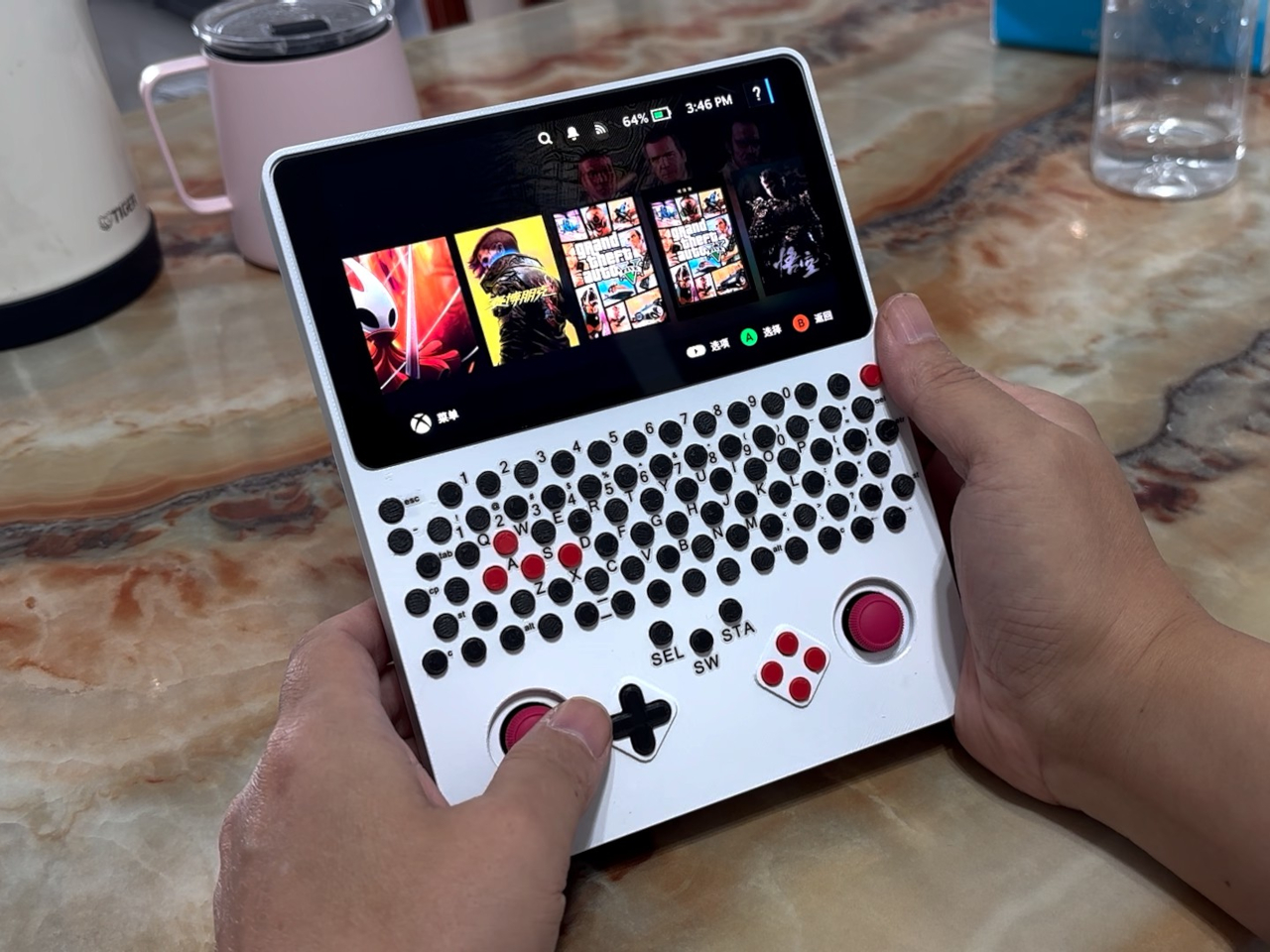
Handheld gaming PCs tend to put their controls on either side of a wide screen, leaving the Game Boy layout to retro machines. This DIY Steam Deck rebuild brings that upright silhouette into PC gaming, with a 5.5-inch display, two thumbsticks, and a physical keyboard squeezed into a 3D-printed body. It’s a different answer to what a portable gaming PC should look like.

The trick starts with a Steam Deck motherboard, which is paired with a smaller LCD and parts sourced from a broken Deck. Rather than copying Valve’s enclosure, the new shell stacks the screen, keyboard, and gaming controls vertically. The screen itself remains horizontal, of course. It’s the arrangement around it that changes, putting the display above your hands instead of between them.

Designer: LCLDIY

That keyboard is where the project wanders away from a simple nostalgia exercise. Rows of tiny circular keys occupy the space between the display and controller buttons, complete with a number row and letter keys. Red WASD keys stand out among the black ones, making the PC connection hard to miss. This Game Boy relative has considerably more to say for itself.

Having physical keys could make entering a search term, naming a save, or typing a message less dependent on an on-screen keyboard. You wouldn’t have to surrender part of the display just to bring up the letters. Those small, tightly packed buttons don’t promise laptop-like typing, however. They’re better understood as a compact input option than an invitation to write your novel.

Below the keyboard, two red thumbsticks flank a black directional pad and four red face buttons. The white enclosure keeps those clusters visually distinct, despite the unusually busy front. Your thumbs work beneath the screen rather than alongside it, while typing means reaching farther up the body. The layout separates playing and text entry spatially, even though both happen on the same surface.

Building that arrangement takes more than finding an empty shell. The project includes a custom circuit board populated with small switches, along with firmware and a case modeled around the replacement display, using water-soluble printing material for finer detail. Soldering and programming are part of the work, so this isn’t a housing you snap around an otherwise untouched handheld.

The project carries a Windows-oriented title, but the handheld retains SteamOS. That’s an important distinction, since Valve’s Proton compatibility layer lets supported Windows games run on Linux without installing Windows. The build therefore shouldn’t be mistaken for a confirmed Windows conversion. Its familiar Steam interface also says little about frame rates or how individual games handle the revised hardware.

Weight, battery life, and cooling performance aren’t documented, so the upright shape shouldn’t be mistaken for a proven comfort upgrade. There’s more to reach around than on an original Game Boy, especially with that keyboard separating screen and sticks. The nostalgic outline survives, but its simple controls have given way to something your childhood handheld never needed: a place for the Ctrl key.

The post DIY Steam Deck Rebuild Pairs a Game Boy-Style Body With a Physical Keyboard first appeared on Yanko Design.

  • ✇Yanko Design
  • COVANI Fan Concept Looks Like a Shoulder Bag Until You Unfold It
    A handheld fan can be a welcome companion on a hot afternoon, even if it wasn’t invited into your outfit. COVANI tackles that awkward relationship with a portable fan concept dressed as a miniature shoulder bag. Its circular, leather-wrapped body conceals the grille behind a magnetic cover, letting you carry something that looks intentional rather than another gadget you had to make room for. That disguise depends on more than simply putting leather around a conventional fan. The closed body ha
     

COVANI Fan Concept Looks Like a Shoulder Bag Until You Unfold It

Par : JC Torres
10 novembre 2026 à 12:20

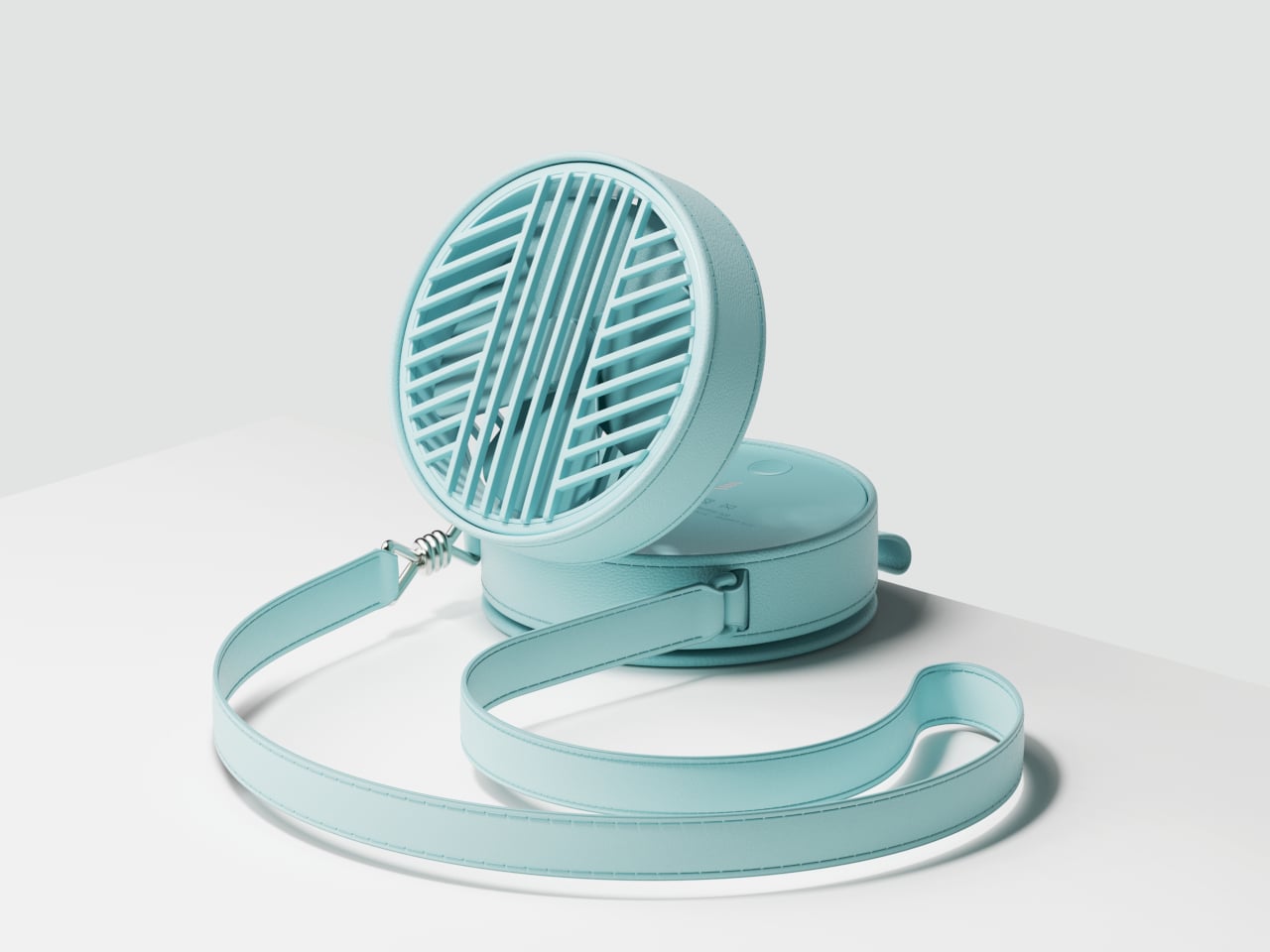
A handheld fan can be a welcome companion on a hot afternoon, even if it wasn’t invited into your outfit. COVANI tackles that awkward relationship with a portable fan concept dressed as a miniature shoulder bag. Its circular, leather-wrapped body conceals the grille behind a magnetic cover, letting you carry something that looks intentional rather than another gadget you had to make room for.

That disguise depends on more than simply putting leather around a conventional fan. The closed body has a broad, uninterrupted front, with stitching tracing its rounded edges and a matching strap completing the bag-like silhouette. The mechanical details stay underneath, so there’s no exposed grille competing with your clothes when you’re walking between shops or heading into an air-conditioned restaurant for lunch.

Designer: Taemin Lee

The strap hardware gets a little attention of its own. A polished metal connector takes the shape of a knotted cord, bringing a jewelry-like detail to the otherwise restrained body. Worn across the torso, the fan could leave both hands free between cooling breaks. The bag resemblance describes its appearance, though, rather than promising somewhere to stash your phone, keys, and wallet.

When the heat catches up, getting a breeze takes a short unfolding routine. Open the magnetic front cover and secure it against the back, then tilt the fan unit away from the body on its hinge. That separation creates room for air to pass through. The leather isn’t supposed to breathe on the blades’ behalf, which is an important distinction beneath the disguise.

Once open, the fan is intended to work in your hand or on a table. You could lift it toward your face while waiting outside, then rest the lower body on a café table and angle the fan upward. That arrangement would free your hands for a drink or a book, without requiring a separate stand to come along for the afternoon.

Opening the body reveals a circular button and a small stack of illuminated bars, keeping the interface out of sight during wear. A small port sits along the lower edge. Those details bring the concept back into gadget territory, although the presentation doesn’t establish runtime, charging speed, or airflow. The fashion treatment explains how you’d carry it, not how powerfully it would blow.

The same round form leaves plenty of room for different personalities. Alongside mint-colored leather, the concept explores a pale version, a dark patterned finish, and a reflective metallic treatment. These variations change the impression without changing the circular silhouette. The shiny option leans toward statement jewelry, while the quieter finishes could sit more comfortably beside everyday clothing and a separate shoulder bag.

Putting it away would mean folding the fan down and returning the cover to the front, rather than searching for a pocket. There are extra steps compared with grabbing a bare handheld fan, of course. But once the breeze isn’t needed, you could let it hang beside your other accessories instead of finding somewhere to hide an awkward piece of summer equipment.

The post COVANI Fan Concept Looks Like a Shoulder Bag Until You Unfold It first appeared on Yanko Design.

  • ✇Yanko Design
  • This Floor Clock Concept Peels a Square Dial From Its Tubular Body
    A metal pipe doesn’t offer much room for a clock face, unless you’re willing to open it up. That’s the idea behind PEEL CLOCK, a standing-clock concept that turns part of its tubular body into a flat, square dial. Rather than hanging on a wall or claiming a spot on your desk, it brings a slim streak of color down to the floor. The construction starts with cuts near the top of a metal tube, where a section is pulled outward and flattened to create the face. The remaining curve stays behind it, m
     

This Floor Clock Concept Peels a Square Dial From Its Tubular Body

Par : JC Torres
10 novembre 2026 à 10:20

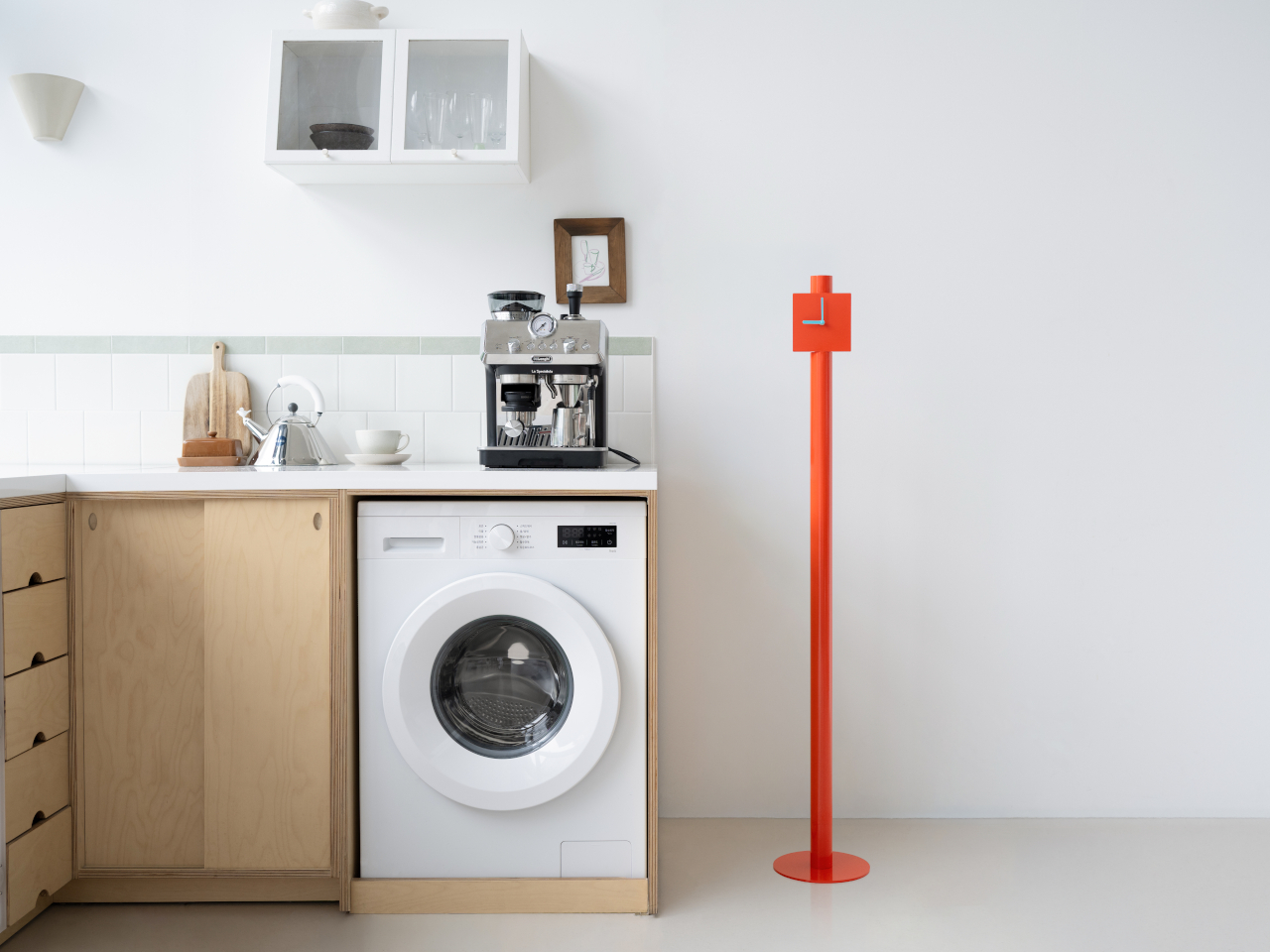
A metal pipe doesn’t offer much room for a clock face, unless you’re willing to open it up. That’s the idea behind PEEL CLOCK, a standing-clock concept that turns part of its tubular body into a flat, square dial. Rather than hanging on a wall or claiming a spot on your desk, it brings a slim streak of color down to the floor.

The construction starts with cuts near the top of a metal tube, where a section is pulled outward and flattened to create the face. The remaining curve stays behind it, making the connection between the two shapes easy to follow. There’s no separate clock head perched on a pole, although the circular foot and timekeeping mechanism are still additional parts of the assembly.

Designer: Jaewon Yeo

That transformation gives the clock its character without needing much decoration. The long, narrow stem meets a square face, with a short, open tube projecting above it. Two contrasting hands take care of telling the time, while numbers and hour markers are left out altogether. It’s a sparse arrangement, though anyone who prefers precise minute markings might find it a little too spare.

Color keeps all that restraint from becoming anonymous. The orange version pairs its bright body with pale blue hands, adding a small contrast where your eyes need to land. Blue and burgundy alternatives explore the same silhouette, rather than changing its construction. Against a quiet interior, that tall orange line could provide the accent you’d otherwise get from a floor lamp or sculpture.

The freestanding format also changes where the clock might belong. Beside a sofa, it could leave the coffee table free for books and mugs. Near a kitchen counter, it wouldn’t compete with appliances for surface space or require drilling into a backsplash. Of course, the space it saves above has to come from somewhere, since its circular base still occupies the floor.

Around the back, the simple geometry gives way to a small clock movement mounted directly behind the face. It’s left exposed rather than buried inside an oversized enclosure, preserving the thin profile of the dial. That also gives the object a distinct front and back, something worth considering before placing it out in the room instead of closer to a nearby wall.

A wall clock can be moved, too, of course, but relocating PEEL CLOCK wouldn’t mean finding another hook or nail. Its place could change as the furniture does, provided there’s a suitable patch of floor and a clear view of the hands. In a room already crowded with things, however, a dedicated spot for telling the time is still a deliberate choice.

The post This Floor Clock Concept Peels a Square Dial From Its Tubular Body first appeared on Yanko Design.

  • ✇Yanko Design
  • New PlayStation Portal Adds Storage but Still Can’t Download PS5 Games
    The PlayStation Portal still looks like someone stretched a DualSense controller around a tablet, and Sony’s latest revision doesn’t change that rather peculiar silhouette. Announced on November 9, 2026, for Japan and South Korea, the upcoming PlayStation Portal Player adds internal storage while keeping its familiar screen. What that extra space will actually do, however, is something Sony isn’t ready to explain. The Midnight Black finish brings the curved grips and display bezel together visu
     

New PlayStation Portal Adds Storage but Still Can’t Download PS5 Games

Par : JC Torres
10 novembre 2026 à 04:15

The PlayStation Portal still looks like someone stretched a DualSense controller around a tablet, and Sony’s latest revision doesn’t change that rather peculiar silhouette. Announced on November 9, 2026, for Japan and South Korea, the upcoming PlayStation Portal Player adds internal storage while keeping its familiar screen. What that extra space will actually do, however, is something Sony isn’t ready to explain.

The Midnight Black finish brings the curved grips and display bezel together visually, leaving the screen as the obvious centerpiece. It isn’t a new color, having appeared on the Portal in February 2025. The important physical choice remains those substantial controller grips, with familiar button layouts and thumbsticks that give your fingers somewhere to settle rather than crowding everything onto a flat slab.

Designer: Sony

That screen is still an 8-inch LCD supporting 1080p imagery at up to 60 frames per second, so anyone hoping for OLED won’t find an upgrade here. Adaptive triggers and haptic feedback remain available in compatible games, adding game-specific vibrations and changes in trigger resistance. That keeps things familiar for playing from the sofa while someone else claims the living room television.

Remote Play still connects the handheld to your PS5, while cloud streaming lets eligible PS5 games run on Sony’s servers instead. The latter requires PlayStation Plus Premium, but doesn’t require owning a console. That’s why Sony has dropped “Remote” from this model’s name, acknowledging that the device can serve as someone’s window into PlayStation games rather than an accessory to their television.

That independence isn’t new, though. Cloud streaming entered beta in November 2024 and officially launched in supported markets in November 2025, so this revision isn’t introducing console-free play. The actual hardware change is expanded internal storage, with neither its capacity nor its future purpose disclosed. More space inside the housing doesn’t automatically mean there’s a full library of downloadable PS5 games waiting to move into it.

Sony explicitly says PS5 games can’t be downloaded to the Portal. That leaves the familiar dependency on Wi-Fi, regardless of how much storage this version contains. Moving from the bedroom to a café can work with a suitable connection, but losing that connection means you can’t keep playing. Your hands carry the controls and screen, while the actual game runs somewhere else.

There’s another restriction that has nothing to do with signal strength. Sony specifies the Japanese model for domestic use, with Japanese as its only system language and support limited to Japan-region PlayStation accounts. South Korea gets its own equivalent, restricted to Korean and Korean-region accounts. Importing either version isn’t a straightforward upgrade for an American player, even if the hardware looks reassuringly familiar.

Both versions arrive December 10, 2026, with preorders opening November 13 at 10 a.m. locally. Japan’s price is ¥39,980 (about $252), including tax, with one month of Premium included. Afterward, cloud access needs an ongoing subscription. The storage offers no confirmed benefit yet, making account eligibility and reliable Wi-Fi more useful purchase considerations than whatever Sony might eventually put there.

The post New PlayStation Portal Adds Storage but Still Can’t Download PS5 Games first appeared on Yanko Design.

❌