Vue normale

Mac Studio, Mac mini Buyers Are Losing Options Amid AI Demand

7 mai 2026 à 14:18

Apple reportedly removed several high-memory Mac Studio and Mac mini options as AI demand and memory shortages strain desktop Mac supply.

The post Mac Studio, Mac mini Buyers Are Losing Options Amid AI Demand appeared first on TechRepublic.

  • ✇Korben
  • Apple ajoute le chiffrement bout-en-bout entre iPhone et Android pour les RCS dans iOS 26.5
    Avec iOS 26.5, Apple corrige enfin un manque que tout le monde signalait depuis l'arrivée du RCS sur iPhone : les messages échangés entre un iPhone et un Android n'étaient pas chiffrés. Côté iPhone-vers-iPhone, les iMessage sont protégés de bout en bout depuis des années. Mais sitôt que la conversation passait par Android, la communication redevenait en clair, comme un bon vieux SMS. Plus pour longtemps. Apple a travaillé avec la GSMA pour finaliser la version 3.0 de l'Universal Profile RCS, qui
     

Apple ajoute le chiffrement bout-en-bout entre iPhone et Android pour les RCS dans iOS 26.5

6 mai 2026 à 09:00

Avec iOS 26.5, Apple corrige enfin un manque que tout le monde signalait depuis l'arrivée du RCS sur iPhone : les messages échangés entre un iPhone et un Android n'étaient pas chiffrés.

Côté iPhone-vers-iPhone, les iMessage sont protégés de bout en bout depuis des années. Mais sitôt que la conversation passait par Android, la communication redevenait en clair, comme un bon vieux SMS. Plus pour longtemps.

Apple a travaillé avec la GSMA pour finaliser la version 3.0 de l'Universal Profile RCS, qui intègre le chiffrement de bout en bout en s'appuyant sur le protocole MLS (Messaging Layer Security). MLS, c'est ce qu'Apple, Google, Facebook et d'autres ont construit ensemble pour standardiser le chiffrement des messageries de groupe à l'échelle d'Internet.

Les RCS de l'iPhone vers Google Messages (et inversement) profitent maintenant directement de cette nouveauté, avec un petit cadenas dans la conversation pour vous le signaler.

Quelques contraintes quand même. Pour que le chiffrement marche, l'iPhone devra tourner sous iOS 26.5 ou plus récent, et l'Android doit être sur la dernière version de Google Messages. Surtout, l'opérateur télécom des deux côtés doit supporter cette mouture du RCS, ce qui n'est pas garanti partout dans le monde, et certains MVNO (les opérateurs sans réseau, type Sosh ou RED en France) traînent toujours sur les anciennes versions.

Le déploiement va donc se faire petit à petit. Sur le reste, plusieurs limitations de iMessage entre plateformes persistent : pas de message rappel, pas de réponse à un fil précis, pas de réactions emoji.

iOS 26.5 est en bêta depuis fin mars, en release candidate depuis cette semaine, et la sortie publique est attendue dans les jours qui viennent sans qu'Apple ait encore donné de date officielle. Le chiffrement RCS sera activé par défaut, avec un toggle dans les réglages de Messages pour le couper si vraiment vous voulez (ce qui n'a pas un grand sens, mais bon, vous faites ce que vous voulez de votre vie privée).

Bref, Apple boucle enfin la dernière brèche du RCS multiplateforme, presque deux ans après son intégration initiale.

Source : Ghacks

  • ✇Korben
  • Un passionné a recréé l'Apple Lisa de 1983 dans un FPGA
    Voilà un projet qui sort un peu de l'ordinaire. Un développeur a passé huit mois à réimplémenter intégralement l'Apple Lisa, l'ordinateur lancé par Apple en 1983, à l'intérieur d'un FPGA. Le résultat tourne. Il charge le système d'exploitation Lisa OS et fait fonctionner les logiciels de l'époque comme à la sortie de la machine, sans la moindre puce d'origine. Juste une description matérielle Verilog/VHDL synthétisée sur une carte FPGA moderne. Pour ceux qui ne suivent pas le rétro-Apple, l'Appl
     

Un passionné a recréé l'Apple Lisa de 1983 dans un FPGA

6 mai 2026 à 05:12

Voilà un projet qui sort un peu de l'ordinaire. Un développeur a passé huit mois à réimplémenter intégralement l'Apple Lisa, l'ordinateur lancé par Apple en 1983, à l'intérieur d'un FPGA. Le résultat tourne.

Il charge le système d'exploitation Lisa OS et fait fonctionner les logiciels de l'époque comme à la sortie de la machine, sans la moindre puce d'origine. Juste une description matérielle Verilog/VHDL synthétisée sur une carte FPGA moderne.

Pour ceux qui ne suivent pas le rétro-Apple, l'Apple Lisa, c'est l'ancêtre direct du Macintosh. Premier ordinateur grand public d'Apple à intégrer une interface graphique avec souris, prévu pour les pros, mais vendu à un prix faramineux à l'époque (autour de 10 000 dollars de 1983), ce qui l'a tué commercialement avant que le Mac plus accessible vienne reprendre le flambeau l'année suivante.

Aujourd'hui, les Lisa qui marchent encore sont des objets de collection rares, surtout que les disques Twiggy d'origine étaient une catastrophe en termes de fiabilité.

Recréer la machine en FPGA permet de la faire vivoter sans dépendre de pièces qui n'existent plus, et c'est aussi un bel exercice de reverse engineering. Il faut bien bien comprendre le bus, le contrôleur graphique, les puces custom, les timings exacts, et tout retranscrire dans un langage de description matérielle.

Le développeur a documenté chaque sous-système au fil de la construction... On parle là d'un travail de fond qui ferait passer une thèse pour un travail dominical.

Le projet est documenté en vidéo. Le créateur explique chaque étape du portage, les bugs rencontrés (le Lisa avait un système de gestion mémoire inhabituel pour l'époque), et démontre l'ordinateur en train de tourner sur sa carte FPGA finale. Les fichiers du projet (sources Verilog, schémas, images de ROM) sont a priori disponibles pour les amateurs qui veulent reproduire la chose à la maison.

C'est chouette comme projet ! Le rétro-computing à coup de FPGA, c'est probablement la seule façon de garder vivantes des machines comme la Lisa pour les décennies qui viennent.

Source : YouTube

  • ✇Yanko Design
  • This iPhone Air 2 Concept Adds Two Cameras and Suddenly the Phone Makes More Sense
    Every first-generation Apple product is essentially a beta test with a premium price tag, and the iPhone Air was no exception. The engineering was genuinely remarkable: 5.6mm thin, a large ProMotion display, A19 Pro performance, and battery life that surprised nearly everyone who reviewed it. What wasn’t remarkable were the two omissions that showed up in every single hands-on: one camera and one speaker, on a phone that cost $999. Those two complaints alone handed buyers a perfectly logical re
     

This iPhone Air 2 Concept Adds Two Cameras and Suddenly the Phone Makes More Sense

17 avril 2026 à 16:30

Every first-generation Apple product is essentially a beta test with a premium price tag, and the iPhone Air was no exception. The engineering was genuinely remarkable: 5.6mm thin, a large ProMotion display, A19 Pro performance, and battery life that surprised nearly everyone who reviewed it. What wasn’t remarkable were the two omissions that showed up in every single hands-on: one camera and one speaker, on a phone that cost $999. Those two complaints alone handed buyers a perfectly logical reason to spend the same money on a Pro instead. The Air needed a second generation the moment the first one shipped.

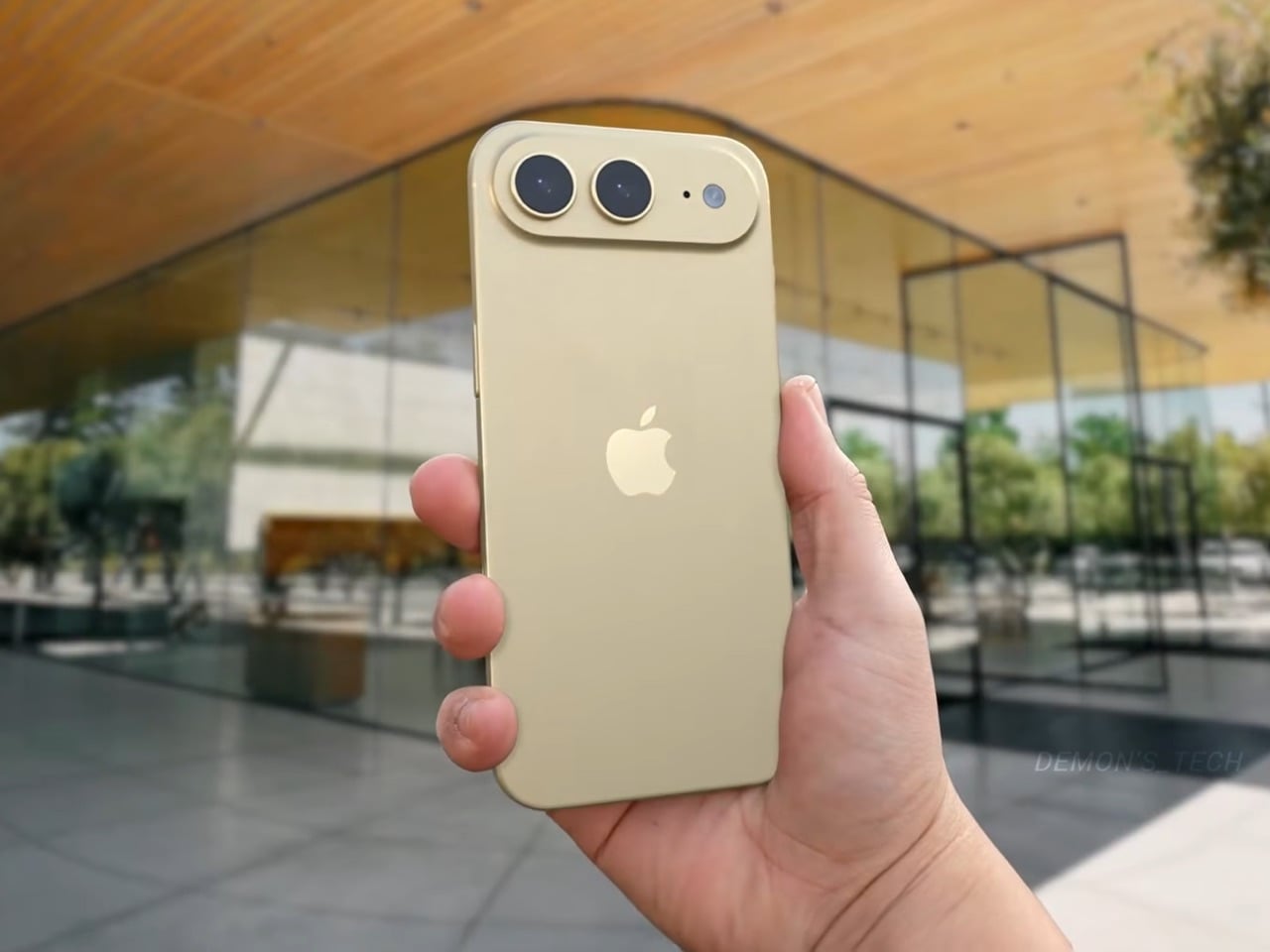
Demon’s Tech has imagined exactly what that second generation could look like, and the concept renders suggest Apple already has a clear path to making the Air the phone it should have been from the start. The dual-camera bar is wide and confident across the top of the phone, housing two lenses with room to spare. The rest of the body is pure restraint, a flat back, centered Apple logo, and a color range vivid enough to give the phone a personality that its specs can now actually back up. If the rumored stereo speaker and efficiency-focused N2 chip join that camera upgrade, the Air 2 goes from interesting to genuinely compelling.

Designer: Demon’s Tech

Two 48-megapixel sensors reportedly sit inside the pill-shaped housing, one primary and one ultrawide, which aligns with leaks from Chinese tipster Digital Chat Station suggesting Apple is going for a main-plus-ultrawide configuration rather than a telephoto. That choice makes sense for the Air’s positioning. Telephoto glass demands physical depth that a sub-6mm chassis simply cannot accommodate, and ultrawide coverage is what most non-Pro users actually miss day-to-day. The original Air’s single-lens bar always looked slightly incomplete, like a sentence that trailed off mid-thought, and Demon’s Tech addresses that by stretching the new pill-shaped housing almost the full width of the phone’s upper third, sitting flush and purposeful rather than apologetic. It is a small change on paper that transforms the entire visual logic of the back panel.

Apple shipped the original Air in four relatively restrained options: cloud white, sky blue, light gold, and matte space black. Demon’s Tech blows that palette wide open, running through violet, cobalt, mint green, and vivid red alongside the sandy gold seen in the hero shots, which is closer to what the iPhone 5C attempted in 2013, a phone that led with color as a statement rather than a courtesy. The Air’s lifestyle positioning actually supports this approach in a way the 5C’s budget framing never quite did. A phone you buy partly because it is extraordinarily thin is a phone you buy to be noticed, and being noticed in muted gold is considerably less fun than being noticed in electric blue. The renders make a quiet argument that Apple’s colorway restraint on the original Air was a missed opportunity, not a deliberate choice.

Twelve gigabytes of RAM paired with the A20 Pro keeps the performance story simple: this is a phone that matches the Pro lineup on silicon even if it concedes on optics. The sleeper upgrade is Apple’s rumored N2 efficiency chip, because getting better battery life out of a body that physically has less room for cells requires exactly this kind of architectural work, the same discipline that let the original Air post competitive endurance numbers despite its dimensions. Add stereo sound from a bottom speaker alongside the existing top one, and the two most common complaints about the first Air evaporate inside a single product cycle. That is a more focused corrective than Apple managed with either the Mini or the Plus, both of which spent multiple generations struggling to justify their existence. If Apple lands all of this at the same $999 price point, the value math finally starts working in the Air’s favor.

Apple has confirmed the Air line continues, with the second generation reportedly targeting a spring 2027 release window, landing after the iPhone 18 Pro, Pro Max, and foldable models ship in fall 2026. That later window gives Apple’s engineering teams more time to solve the thermal and battery challenges that come with building capable hardware into an impossibly thin frame, and it gives the Air its own launch moment rather than forcing it to compete for attention against a foldable iPhone. Demon’s Tech’s concept is the best visual argument yet for what that launch moment could look like: a phone that carries its thinness as a given rather than an excuse, and finally has the camera system and audio to back up everything the form factor promises.

The post This iPhone Air 2 Concept Adds Two Cameras and Suddenly the Phone Makes More Sense first appeared on Yanko Design.

  • ✇Yanko Design
  • Pictures of iPhone Fold appear online, just before Apple’s supposed foldable hits engineering challenges
      Apple’s first foldable phone, the Apple’s first foldable phone, iPhone Fold (if that’s how it will be called) is one of the most anticipated smartphones in recent memory. While Apple remains tight-lipped about anything concerning the awaited device, rumors, leaks, and concepts have flooded our memories over the years with what the iPhone Fold is and what it will be like. 2026 is suggestively the magical year when Apple is expected to launch the foldable iPhone. It has been an unperturbed time
     

Pictures of iPhone Fold appear online, just before Apple’s supposed foldable hits engineering challenges

8 avril 2026 à 15:15


Apple’s first foldable phone, the Apple’s first foldable phone, iPhone Fold (if that’s how it will be called) is one of the most anticipated smartphones in recent memory. While Apple remains tight-lipped about anything concerning the awaited device, rumors, leaks, and concepts have flooded our memories over the years with what the iPhone Fold is and what it will be like.

2026 is suggestively the magical year when Apple is expected to launch the foldable iPhone. It has been an unperturbed timeline in almost all the reports we have seen. In the same loop – but without a timeline – a recognized Apple leaker, Majin Bu has shown “actual design of the iPhone Fold” in the latest leaked pictures.

Designer: Apple

It’s “more beautiful than the previous one,” Bu notes in his update on X, stating that he believes this is “the final design of the future iPhone Fold.” How much context there is in the claim, only time will tell, but Bu has had some correct Apple-related predictions in the past, which suggests he could have some substance to back his claim.

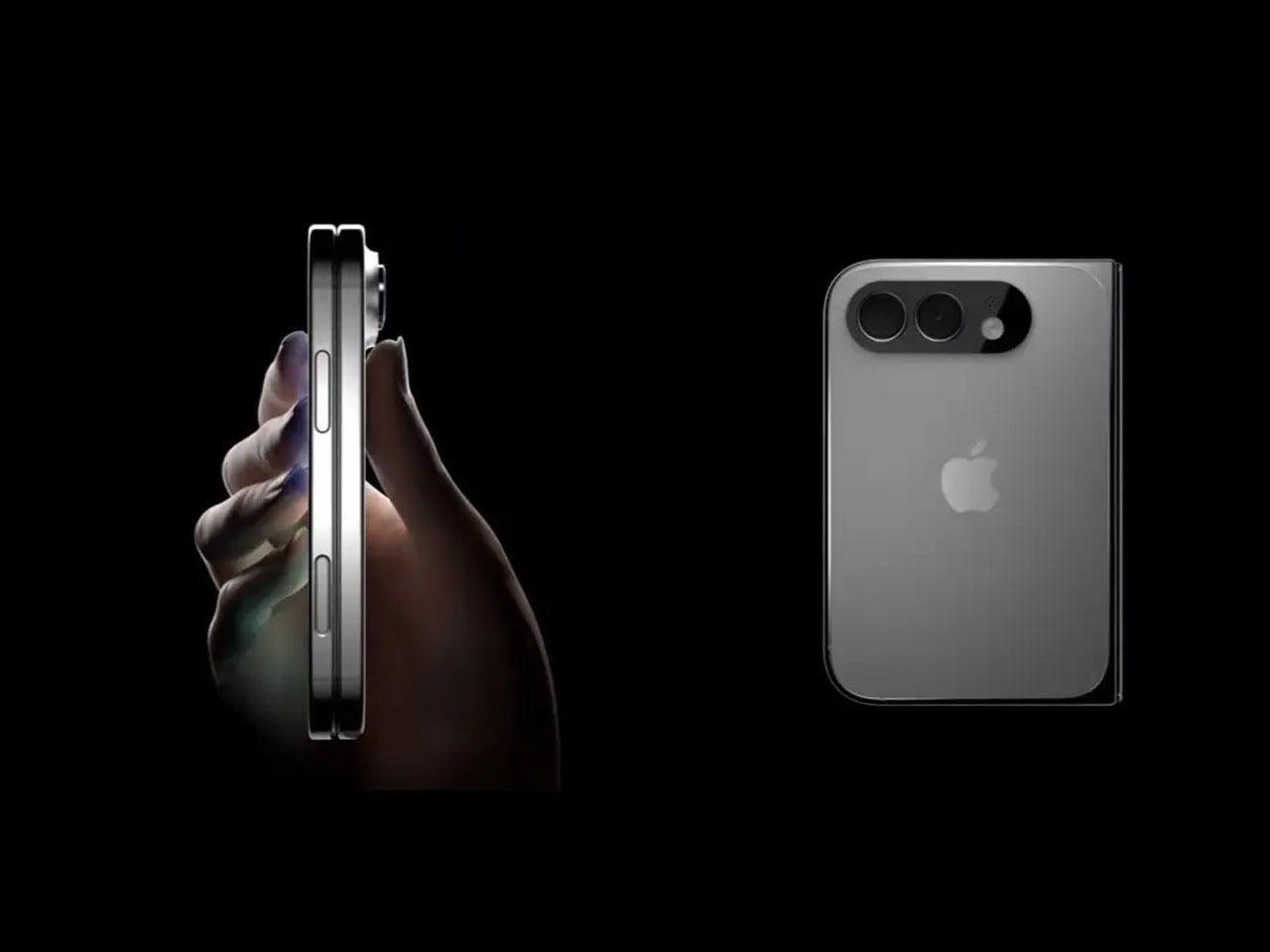
From the leaked pictures, one can visually notice that the camera bump on the back of the foldable device is significantly smaller than that seen in previously rumored designs. The images appear more than renders and supposedly of a prototype, showing the iPhone in a book-style foldable form factor. Appearing to open horizontally to reveal a tablet-like display on the inside.

If the 2026 timeline is to go by – it’s Apple’s golden jubilee year as well – the iPhone Fold should ship alongside the iPhone 18 Pro slated for release in fall this year. But according to a new report from Nikkei Asia, the launch could be delayed. Nikkei reports that Apple has encountered a major setback in the engineering test phase of the foldable iPhone. There have been previously report concerning the foldable display’s crease, but this time, the report notes that the Cupertino giant is facing “more complex engineering challenges than anticipated.” If the issues persist, they could, “in a worst-case scenario,” delay the iPhone Fold launch schedule by some months. It could even mean a postponement until 2027.

Earlier this year, it was rumored that Apple had entered into the manufacturing phase of its first foldable device at Foxconn. New revelations, however, suggest Apple is “notifying” its component suppliers about the possibility of a delay in the “component production schedule for the new foldable iPhone.”

Despite the reports and unauthorized leaks, one thing is definite now. Foldable iPhone – by whatever moniker it comes – is clearly on the horizon. Apple will soon have a competitor for the Samsung Fold and other foldable smartphones on the market. If it is anything like the iPhones that rocked the smartphone world in the late 2000s, the iPhone Fold could repeat that in the late 2020s.

The post Pictures of iPhone Fold appear online, just before Apple’s supposed foldable hits engineering challenges first appeared on Yanko Design.

  • ✇Yanko Design
  • iPhone 18 Pro Leaks Reveal a 2nm A20 Pro Chip, 35% Smaller Dynamic Island, and a Deep Red Color
    Apple has spent four years refusing to touch the Dynamic Island, treating it like some untouchable monument to software-hardware integration. Samsung cycled through three foldable generations in that time. Google rebooted the Pixel lineup twice. Nothing went from startup curiosity to legitimate competitor. And the iPhone 14 Pro’s pill-shaped cutout just sat there, exactly the same width, height, and visual footprint on the 15 Pro, 16 Pro, and 17 Pro. Leaked screen protectors sourced from Weibo
     

iPhone 18 Pro Leaks Reveal a 2nm A20 Pro Chip, 35% Smaller Dynamic Island, and a Deep Red Color

6 avril 2026 à 17:30

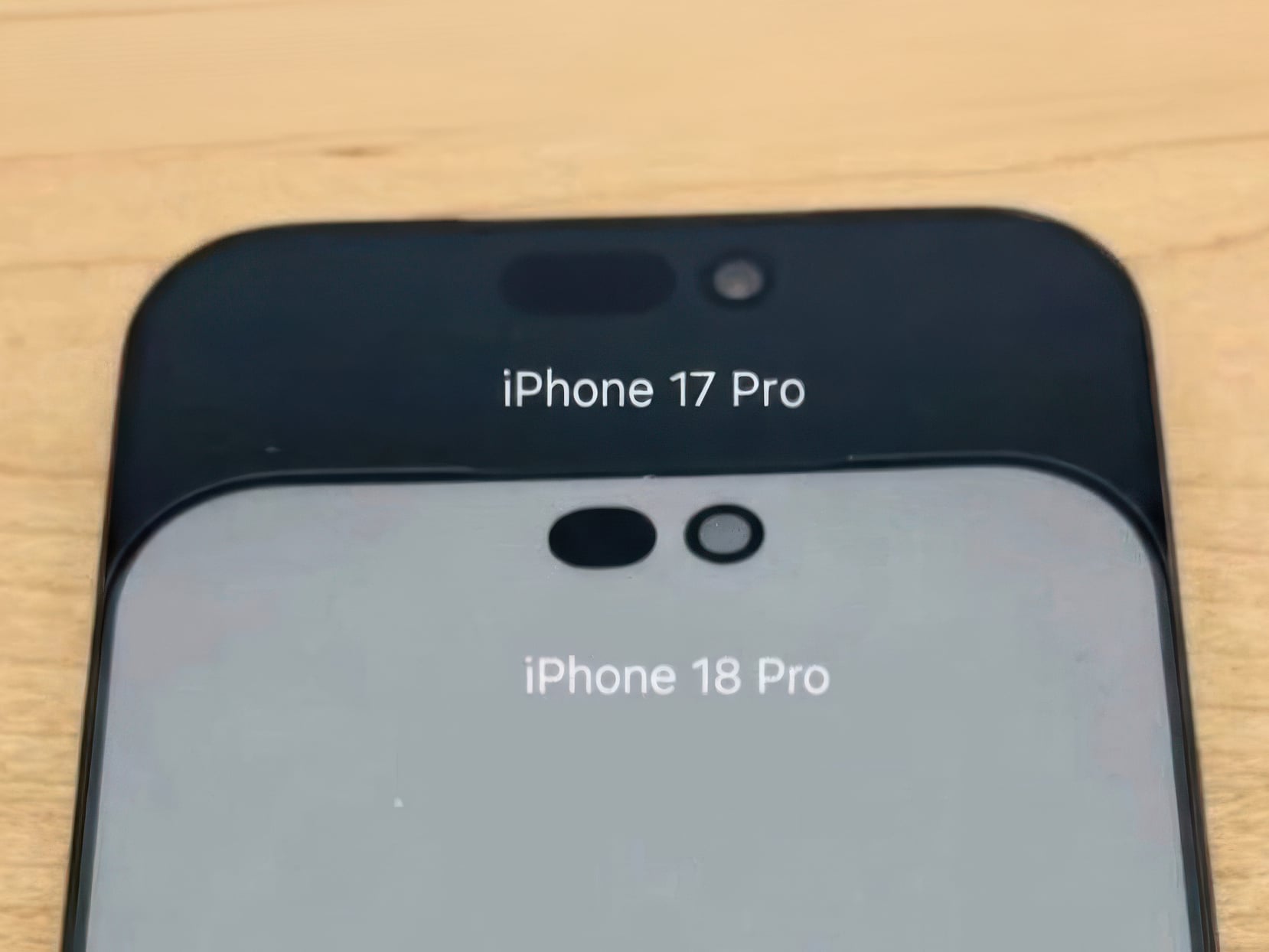
Apple has spent four years refusing to touch the Dynamic Island, treating it like some untouchable monument to software-hardware integration. Samsung cycled through three foldable generations in that time. Google rebooted the Pixel lineup twice. Nothing went from startup curiosity to legitimate competitor. And the iPhone 14 Pro’s pill-shaped cutout just sat there, exactly the same width, height, and visual footprint on the 15 Pro, 16 Pro, and 17 Pro. Leaked screen protectors sourced from Weibo now suggest Apple has finally decided four years is long enough, and the company is gearing up to shrink the Dynamic Island by roughly 35 percent on the iPhone 18 Pro. The mechanism is straightforward: move the Face ID flood illuminator under the display, leave only the infrared camera and front lens in the cutout, and suddenly that wide pill becomes a narrow sliver sitting unobtrusively at the top of the screen. The infrared flood illuminator that powers Face ID is moving under the display on the iPhone 18 Pro, leaving only the infrared camera requiring a physical cutout alongside the front-facing lens.

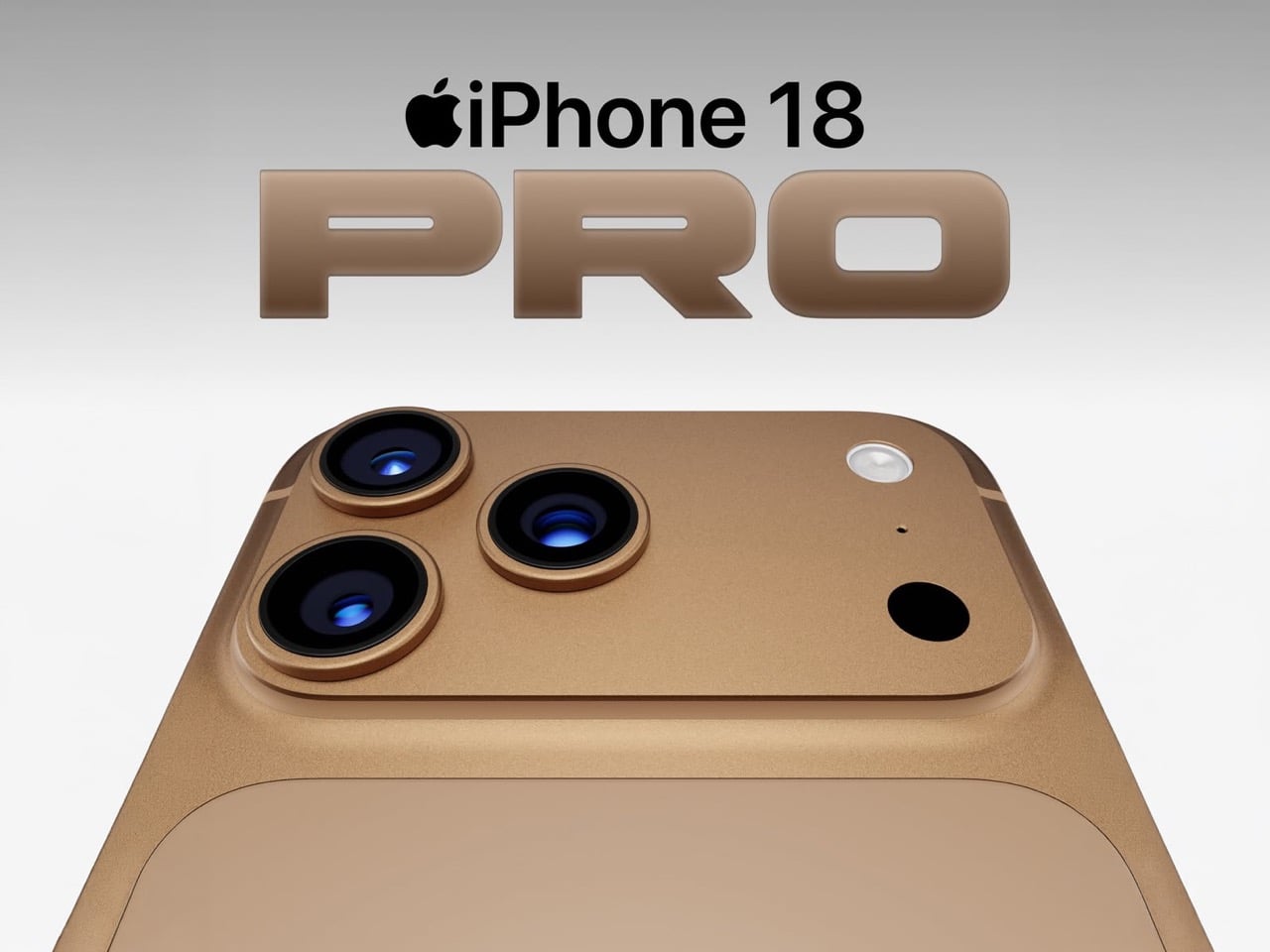
But the Dynamic Island shrinkage is hardly the headline here, because the iPhone 18 Pro is also the phone where Apple trades in its most iconic color for something it has never tried before on a Pro model. Bloomberg’s Mark Gurman reports that Apple is testing a deep red finish for the 18 Pro lineup, a shade closer to burgundy than the bright Product Red tones the company used on standard models years ago. Apple removed black from the Pro lineup with the iPhone 17 Pro, the first time in the series’ history that no dark option existed, and the 18 Pro appears set to continue that direction rather than course-correct. September 2026 is the expected launch window, which makes this arguably the most important incremental iPhone in years. It is widely believed to be the last model in this design language before Apple delivers a radical overhaul for the 20th anniversary iPhone in 2027, so whatever ships this fall is likely your final chance to buy an iPhone that looks like an iPhone has looked since 2017.

Designer: Volodymyr Lenard

Leaker Ice Universe claimed the Dynamic Island cutout on the iPhone 18 Pro models will be approximately 35% narrower than it is on the iPhone 17 Pro models, with a width of around 13.5mm down from around 20.7mm. That figure refers to the default on-screen Dynamic Island width including surrounding black pixels, not the physical hardware cutout itself, but the visual difference should be immediately apparent in daily use. The iPhone 17 Pro’s Island is a wide, commanding presence even at rest. The 18 Pro’s leaked cutout reads almost delicate by comparison, a narrow pill sitting unobtrusively at the top of the screen. Apple will still need to revisit four years of Live Activities design and the entire interaction vocabulary built around the existing Island’s dimensions, which is a reasonable explanation for why this transition is taking as long as it is. Android manufacturers have shipped under-display cameras for years, with visible quality tradeoffs that Apple’s user base simply would not accept on a thousand-dollar phone. Holding the line until the technology meets the standard, rather than shipping it to win a spec sheet argument, is the kind of call that frustrates people in the short term and builds loyalty over time.

Under the hood, the A20 Pro chip built on TSMC’s advanced 2nm process promises roughly 15% faster performance and up to 30% better power efficiency compared to the current 3nm A19 Pro. Paired with 12 GB of RAM across the lineup, the new silicon should power smoother Apple Intelligence features, enhanced on-device AI processing, and better multitasking. Connectivity upgrades include Apple’s first in-house C2 5G modem, replacing reliance on Qualcomm components. The modem supports improved mmWave performance and expanded satellite connectivity, potentially enabling always-connected cellular service via NR-NTN standards for emergency messaging and basic data in remote areas without traditional coverage. Battery life stands out as a major highlight, especially for the iPhone 18 Pro Max. Leakers report a capacity jump to 5,100 to 5,200 mAh, the largest ever in an iPhone, enabled by a slightly thicker chassis measuring around 8.8mm up from 8.75mm on the iPhone 17 Pro Max. The added thickness and weight would accommodate the bigger cell while the more efficient 2nm chip helps stretch usage even further. Some projections suggest up to 40 hours of mixed use on a single charge.

The deep red finish represents a significant departure for a Pro lineup that has historically favored controlled, conservative colors like graphite, silver, gold, and muted titanium shades. Rumors of purple and brown finishes have also circulated, but Gurman believes those are just variants of the same red idea. The decision to skip black for a second consecutive year has already generated polarized reactions among enthusiasts, with some welcoming the bold direction and others mourning the loss of the classic understated aesthetic. For buyers who want black, Gurman specifically noted that the foldable iPhone is being designed with conservative space gray and silver finishes, suggesting Apple is deliberately separating its color identity across product lines. The iPhone 18 Pro may read as a modest update on paper, but as the final iteration of a design language that has defined the modern iPhone for nearly a decade, it carries more symbolic weight than any spec sheet can communicate.

The post iPhone 18 Pro Leaks Reveal a 2nm A20 Pro Chip, 35% Smaller Dynamic Island, and a Deep Red Color first appeared on Yanko Design.

  • ✇Yanko Design
  • Apple Turns 50, and Its Most Ambitious Phone Hasn’t Even Launched Yet — 5 iPhone Fold Concepts
    On April 1st, 2026, Apple turns 50. For a company that has spent half a century rewriting the rules of consumer technology, the milestone deserves something genuinely transformative. The Macintosh redefined personal computing. The iPod gave an entire generation a new relationship with music. The original iPhone, unveiled in 2007, combined a phone, a music player, and the internet into a single glass rectangle and made every competitor look outdated overnight. The iPhone Fold is real, and it’s c
     

Apple Turns 50, and Its Most Ambitious Phone Hasn’t Even Launched Yet — 5 iPhone Fold Concepts

31 mars 2026 à 21:45

On April 1st, 2026, Apple turns 50. For a company that has spent half a century rewriting the rules of consumer technology, the milestone deserves something genuinely transformative. The Macintosh redefined personal computing. The iPod gave an entire generation a new relationship with music. The original iPhone, unveiled in 2007, combined a phone, a music player, and the internet into a single glass rectangle and made every competitor look outdated overnight. The iPhone Fold is real, and it’s coming.

Leaks from early 2026 paint a detailed picture: a book-style foldable powered by the A20 Pro chip on a 2nm process, backed by a 5,500mAh battery, with a 7.8-inch creaseless OLED inner display and a 5.5-inch outer screen. Pricing is expected to start around $2,400, and while a September announcement seems likely, most analysts believe shipments may not begin until December. Designers, modders, and concept artists have spent years filling the void with their own visions of a folding iPhone, each carrying a distinct theory about what Apple should prioritize. These five concepts map the full range of that imagination and capture exactly how much is riding on the real thing.

1. iPhone iFold by Michal Dufka — The Clamshell That Makes Sense

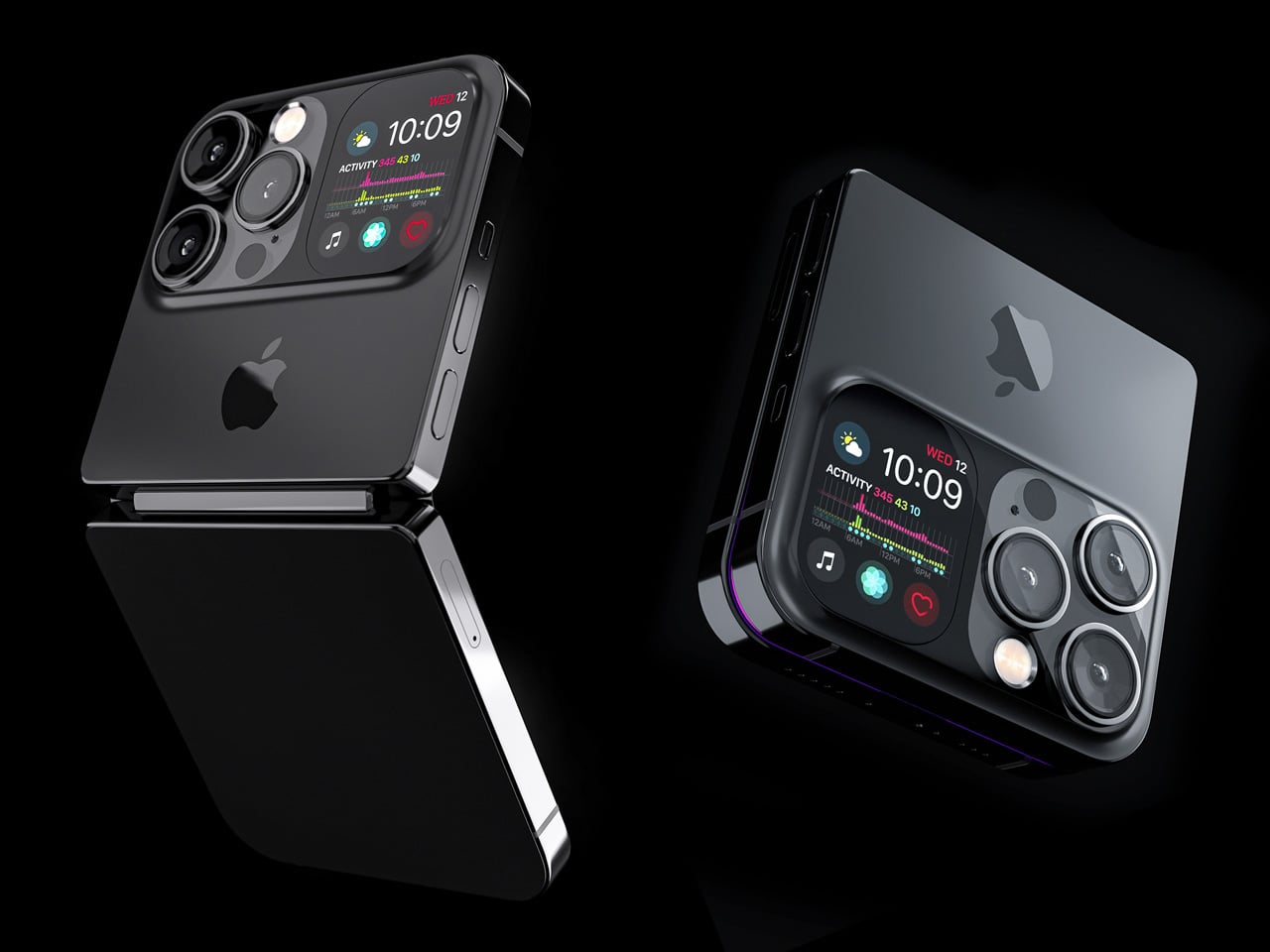
Designer Michal Dufka’s iPhone iFold is built on restraint. Rather than reinventing the iPhone’s entire identity, it applies a clamshell fold to the form factor people already love, drawing direct inspiration from the MotoRAZR and Samsung Galaxy Z Flip. The phone closes into a compact, pocketable square and opens into a full iPhone experience with a generously large display. For anyone who has quietly missed a phone that actually fits in a jeans pocket, this concept speaks to that feeling.

What sets the iFold apart is the secondary display placed beside the camera bump. When the phone is closed, that smaller screen surfaces notifications, time, and essential stats without requiring you to open the device at all. It functions almost like an Apple Watch built into the back of the phone. With Apple’s always-on display technology mature enough for this kind of ambient use, the dual-display setup feels less like speculation and more like a logical next step.

What We Like

  • The secondary display mirrors Apple Watch notification behavior, making glanceable information genuinely useful without ever opening the phone
  • The clamshell format makes the iPhone pocket-friendly for the first time in years without sacrificing screen size when it matters

What We Dislike

  • The clamshell form limits overall screen real estate compared to the expanded tablet surface that a book-style foldable provides
  • Hinge durability over sustained daily use is entirely unexplored here, and it remains the most critical engineering question for any clamshell design

2. iPhone Fold Ultra by 4RMD — When the Specs Match the Ambition

Design studio 4RMD’s iPhone Fold Ultra is grounded in credibility. Built directly from reported leaks rather than pure creative license, the concept presents a book-style foldable with dual 48MP rear cameras, a 24MP ultra-wide front camera, and the A20 Pro chip running on a 2nm process. Three color options appear across the renders: White, Black, and Deep Purple. At an estimated $2,299, this concept sits at the very top of Apple’s lineup with total conviction.

That Deep Purple colorway deserves its own moment. It is a deliberate callback to the iPhone 14 Pro’s most celebrated finish, and it lands differently on a book-style foldable. Something about that color on a device this ambitious reads as genuinely luxurious, the kind of finish that reframes a $2,299 price tag from a shock into a statement. 4RMD clearly understands Apple’s visual grammar, and this concept shows what happens when research and aesthetics share the same design space.

What We Like

  • Specs pulled from verified leaks give this concept real credibility, making it feel like a preview of what is actually coming rather than pure speculation
  • The Deep Purple colorway is a smart, crowd-pleasing callback to one of Apple’s most recognized and beloved finishes

What We Dislike

  • The “Ultra” label sets an expectation that demands exceptional build quality, and no concept can fully address whether the real device will deliver on that promise
  • Crease visibility across the inner display remains unaddressed, which continues to be the most persistent criticism of every book-style foldable on the market

3. iPhone Fold by Svyatoslav Alexandrov — The One That Replaces Two Devices

Svyatoslav Alexandrov’s iPhone Fold concept, created for the YouTube channel ConceptsiPhone, thinks in bigger terms than anything else on this list. Starting as a standard smartphone with a 6.3-inch outer display, it unfolds into a squarish 8-inch tablet that sits clearly in iPad Mini territory. This is not a phone with a bonus screen bolted on. It is a device designed to make carrying both an iPhone and an iPad feel genuinely redundant.

Alexandrov replaces Face ID with a full-display Touch ID fingerprint sensor, keeping the front notch minimal and clean. The rear carries the iPhone 12 Pro’s complete camera array: wide, ultra-wide, telephoto lenses, a LiDAR scanner, and flash. MagSafe compatibility and 5G readiness are already confirmed in the concept, adding meaningful weight to its productivity pitch. Whether the device supports the Apple Pencil is left open, but given an 8-inch inner display, its absence would feel like a missed opportunity.

What We Like

  • The full-display Touch ID is a clean and creative solution that keeps the front uncluttered while solving Face ID’s known complications on foldable form factors
  • The iPad Mini-sized inner screen makes a practical, real-world case for consolidating two devices into one without any meaningful compromise

What We Dislike

  • Removing Face ID eliminates one of the iPhone’s most seamless and trusted authentication features, which most users rely on dozens of times every day
  • Leaving Apple Pencil support unconfirmed weakens what should naturally be this concept’s strongest argument for productivity

4. iPhone Fold by Mechanical Pixel — The Foldable That Doesn’t Actually Fold

Mechanical Pixel’s concept takes the most unconventional approach on this list, and the reasoning is worth understanding. Rather than bending the iPhone itself, the design keeps the main body completely rigid and attaches a separate foldable display to the rear panel instead. The core phone experience remains exactly as people know it, maintaining the familiar dimensions and feel that iPhone users already rely on. That additional screen only enters the picture when a larger surface is specifically needed.

That rear foldable panel sits raised on a platform above the phone’s back, unfolding outward into a larger, squarish tablet surface when required. The layered profile is clearly visible from the side, giving the device a deliberately experimental and modular quality. The camera module remains in its standard position, completely unaffected by the additional display layer. The logic is unconventional, but the core argument of preserving the primary iPhone experience from any foldable compromise is genuinely hard to dismiss.

What We Like

  • Keeping the main body rigid entirely sidesteps the crease and long-term hinge durability problems that define every conventional foldable on the market today
  • The modular approach means the everyday iPhone experience is never degraded or compromised by the mechanics of the foldable element

What We Dislike

  • The raised rear platform creates an unrefined, layered side profile that sits well outside anything Apple’s design language has ever produced or endorsed
  • The prototype-like aesthetic makes it very difficult to imagine this direction surviving Apple’s notoriously demanding and detail-oriented product design process

5. iPhone V — The One Someone Actually Built

Every concept on this list exists as a digital render. The iPhone V is different. A YouTuber modder physically dismantled an iPhone X, extracted its internal components, and rebuilt the entire device inside a Motorola Razr chassis. The result is a working, folding iPhone that runs real iOS, carries a Retina-quality display, and folds in half like a classic flip phone. As a proof of concept, it is extraordinary. As a finished product, every question comes flooding in.

What makes the iPhone V genuinely compelling is not fit, finish, or polish, because it has none in any conventional sense. It is the straightforward fact that someone cared enough to prove the idea could actually work using parts that already exist. The folding mechanism and device thickness still need serious refinement. A working clamshell iPhone running authentic iOS is, in the end, a more persuasive argument for this form factor than any polished render has managed to be.

What We Like

  • The iPhone V is the only entry on this list that is fully functional, running real iOS inside an actual working clamshell device
  • Its physical existence proves the clamshell iPhone concept is viable using genuine Apple hardware, well beyond anything a render can demonstrate

What We Dislike

  • The repurposed Motorola Razr chassis produces a build that falls far short of consumer-grade fit, finish, and structural refinement
  • Hinge mechanism quality and overall device thickness remain significant engineering challenges that the mod cannot resolve, and they are exactly what Apple needs to solve

The Concepts That Made the Wait Worthwhile

Fifty years in, Apple is still the company that makes you wait. The iPhone Fold concepts here are not just exercises in creative imagination — they are a record of what designers and makers have been asking for, year after year. Some nailed the form factor. Others got the specs exactly right. A few did both. Together, they have shaped the entire conversation around a device that already feels utterly inevitable.

When the real iPhone Fold arrives, it will be measured against each of these visions. That is the power of concept design — it sets the bar before the product ships. Apple turning 50 while holding back its most ambitious device is pure theater. The design community has been writing this script for years. The only question is whether the real thing can live up to what the imagination has already built.

The post Apple Turns 50, and Its Most Ambitious Phone Hasn’t Even Launched Yet — 5 iPhone Fold Concepts first appeared on Yanko Design.

  • ✇Yanko Design
  • Leaked iPhone 18 Pro Screen Protector Shows A 35% Smaller Dynamic Island
    Four years is a long time in smartphone design, long enough for entire product categories to rise, peak, and fade. Samsung has cycled through multiple foldable generations. Google has rebooted its Pixel lineup twice. Nothing has gone from startup curiosity to legitimate contender. Apple, meanwhile, has kept the Dynamic Island exactly where it was when it debuted with the iPhone 14 Pro, same width, same height, same visual footprint. Leaked screen protectors for the iPhone 18 Pro, sourced from W
     

Leaked iPhone 18 Pro Screen Protector Shows A 35% Smaller Dynamic Island

31 mars 2026 à 20:30

Four years is a long time in smartphone design, long enough for entire product categories to rise, peak, and fade. Samsung has cycled through multiple foldable generations. Google has rebooted its Pixel lineup twice. Nothing has gone from startup curiosity to legitimate contender. Apple, meanwhile, has kept the Dynamic Island exactly where it was when it debuted with the iPhone 14 Pro, same width, same height, same visual footprint. Leaked screen protectors for the iPhone 18 Pro, sourced from Weibo, suggest that Apple has finally decided four years is long enough.

According to the leak, the infrared flood illuminator that powers Face ID is moving under the display on the iPhone 18 Pro, leaving only the infrared camera requiring a physical cutout alongside the front-facing lens. The result is a Dynamic Island roughly 35% smaller than what ships on the iPhone 17 Pro today. Apple is also expected to pair this with its first 2nm chip, the A20 Pro, along with a variable aperture system on the main camera. The 20th anniversary iPhone in 2027 is widely expected to go further with a fully clean display, but the 18 Pro represents the clearest signal yet that Apple is working its way there on a deliberate schedule.

Image Credits: Weibo

The size reduction is more significant than the percentage suggests when you look at the two side by side. The iPhone 17 Pro’s Island is a wide, commanding presence even at rest. The 18 Pro’s leaked cutout reads almost delicate by comparison, a narrow pill sitting unobtrusively at the top of the screen. Apple will still need to revisit four years of Live Activities design and the entire interaction vocabulary built around the existing Island’s dimensions, which is a reasonable explanation for why this transition is taking as long as it is.

Android manufacturers have shipped under-display cameras for years, with visible quality tradeoffs that Apple’s user base simply would not accept on a thousand-dollar phone. Holding the line until the technology meets the standard, rather than shipping it to win a spec sheet argument, is the kind of call that frustrates people in the short term and builds loyalty over time. The iPhone 18 Pro may read as a modest update on paper. That smaller pill tells a different story.

The post Leaked iPhone 18 Pro Screen Protector Shows A 35% Smaller Dynamic Island first appeared on Yanko Design.

Apple's cheap MacBook runs basic Windows 11 apps with great single-core performance — but Parallels struggles where it matters

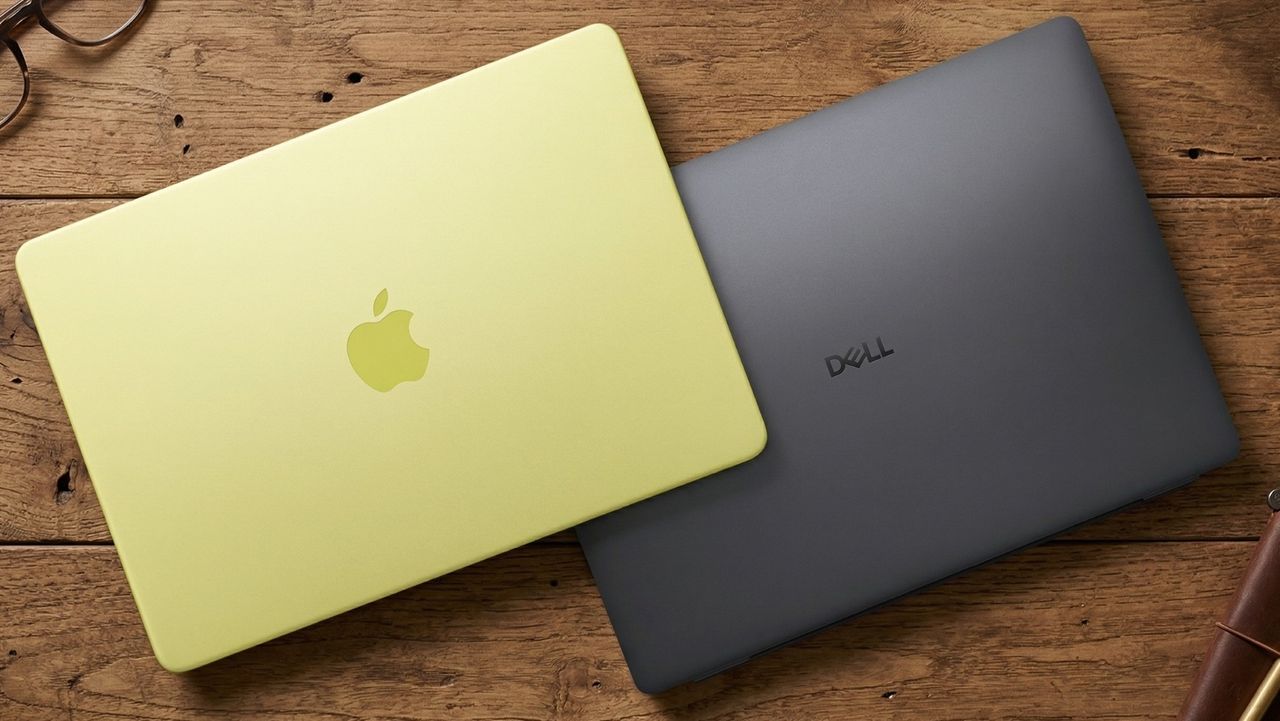
The MacBook Neo runs single-core productivity apps in a Windows 11 virtual machine better than a more expensive Dell, but that's about all.

Apple MacBook Neo and Dell 14 laptops on a wooden desk

The MacBook Neo runs single-core productivity apps in a Windows 11 virtual machine better than a more expensive Dell, but that's about all.

Yes, you can run Windows apps on the MacBook Neo — but Parallels Desktop warns of 8GB memory constraints

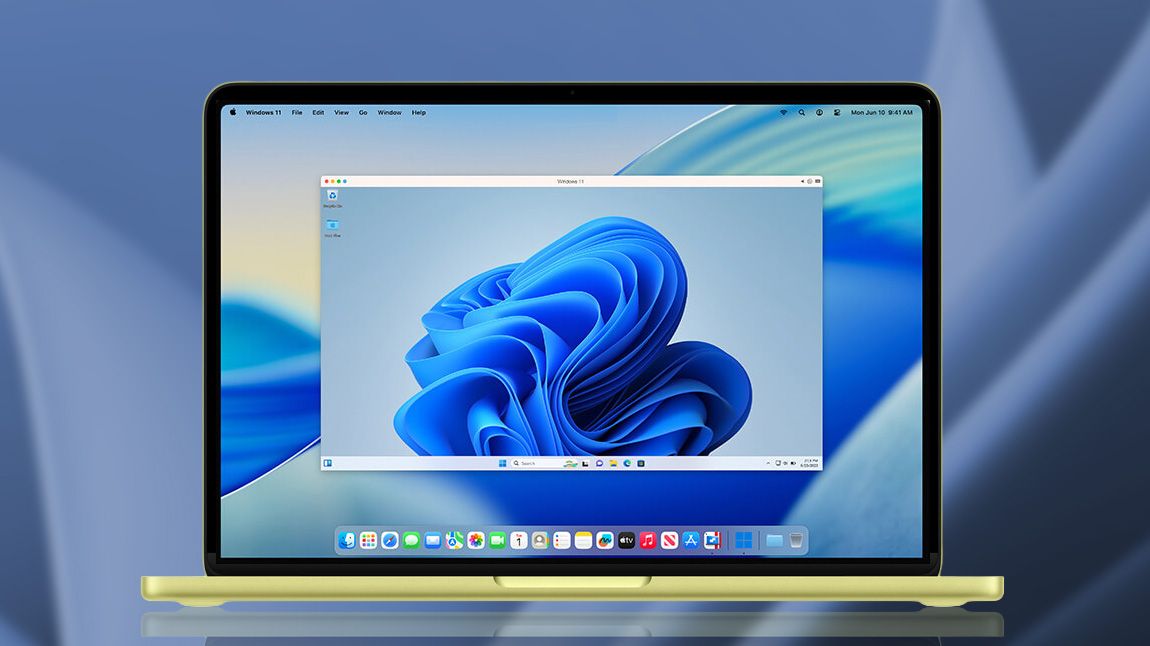
Apple’s MacBook Neo can technically run Parallels, but the reality of Windows performance on Neo may disappoint.

Parallels Desktop mockup on MacBook Neo

Apple’s MacBook Neo can technically run Parallels, but the reality of Windows performance on Neo may disappoint.

The MacBook Neo isn’t innovation. It’s Apple finally owning up to the iPad myth and hoping no one notices.

After years of gaslighting the market, Apple is back to selling the thing it said you didn’t need.

Macbook Neo and iPad with shattered glass

Macbook Neo and iPad with shattered glass

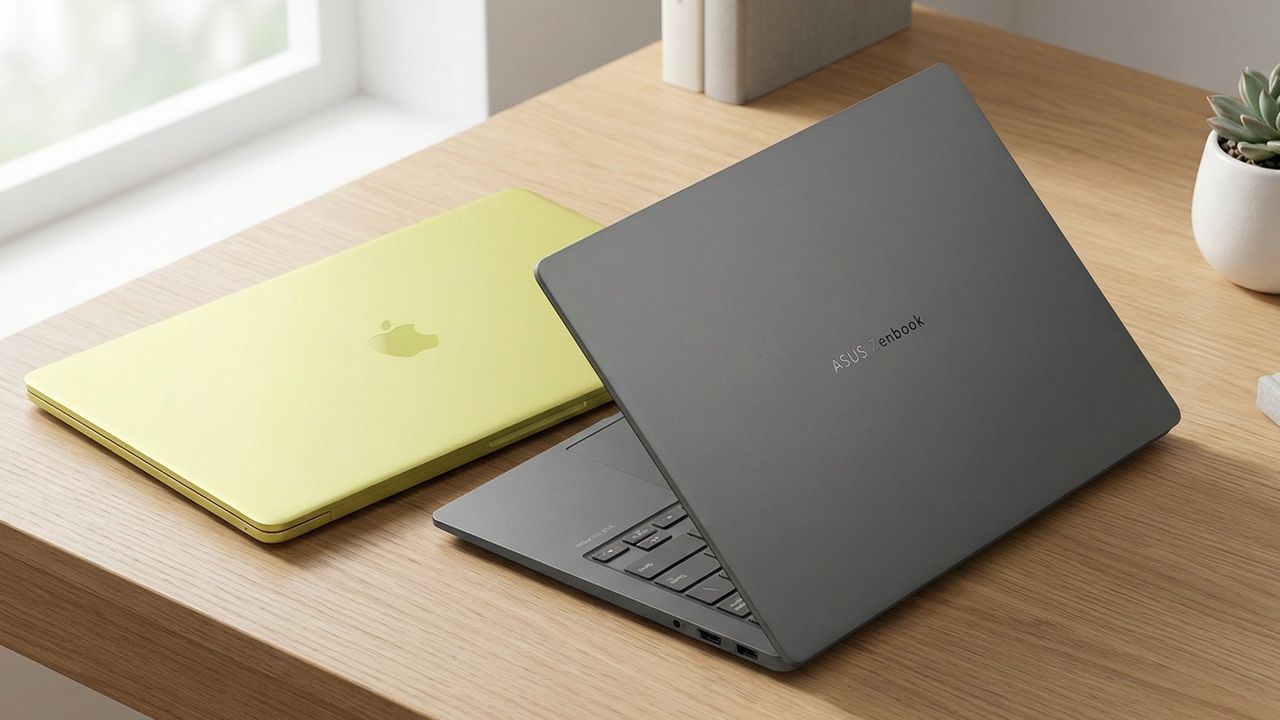
ASUS boss calls the MacBook Neo a "shock to the entire industry" — but still downplays it as a "content consumption" slab, like iPad

Apple’s MacBook Neo shakes up the market, but ASUS Co-CEO claims it’s basically an iPad with more computing power.

Apple MacBook Neo and ASUS Zenbook A14 on a wooden desk

Apple's new MacBook Neo goes up against the likes of ASUS' Zenbook A14.

  • ✇Korben
  • Lockdown Mode - La fonction d'Apple qui a mis le FBI en échec
    Le Lockdown Mode d'Apple, vous en avez déjà entendu parler non ? C'est cette fonctionnalité un peu planquée dans les réglages de votre iPhone qui permet de transformer votre téléphone en véritable forteresse. Et enfin, on vient d'avoir la preuve que ça marche pour de vrai. En effet, le FBI a perquisitionné le domicile d'une journaliste du Washington Post, Hannah Natanson, en janvier dernier. L'objectif c'était de récupérer ses appareils électroniques dans le cadre d'une enquête sur des fuites d'
     

Lockdown Mode - La fonction d'Apple qui a mis le FBI en échec

Par : Korben
6 février 2026 à 02:46

Le Lockdown Mode d'Apple, vous en avez déjà entendu parler non ? C'est cette fonctionnalité un peu planquée dans les réglages de votre iPhone qui permet de transformer votre téléphone en véritable forteresse. Et enfin, on vient d'avoir la preuve que ça marche pour de vrai.

En effet, le FBI a perquisitionné le domicile d'une journaliste du Washington Post, Hannah Natanson, en janvier dernier. L'objectif c'était de récupérer ses appareils électroniques dans le cadre d'une enquête sur des fuites d'informations classifiées. Les agents ont donc saisi entre autres un MacBook Pro, un iPhone, un enregistreur audio et un disque dur externe.

Sauf que voilà, l'iPhone était en mode isolement...

Du coup, le CART (l'équipe d'analyse forensique du FBI) s'est retrouvé comme des cons devant l'écran verrouillé. Et 2 semaines après la saisie, toujours rien. Impossible d'extraire la moindre donnée. D'habitude, avec un Cellebrite UFED Premium ou un GrayKey, c'est l'affaire de quelques heures... mais là, que dalle.

Et perso, ça me fait bien marrer.

Parce que pour ceux qui débarquent, ce mode isolement c'est un bouclier qu'Apple a conçu à la base pour protéger les utilisateurs ciblés par des spywares type Pegasus . Ça bloque la plupart des pièces jointes dans les messages, ça charge les pages web différemment et surtout, ça empêche toute connexion USB à un accessoire tant que l'appareil n'est pas déverrouillé. Et c'est justement ce dernier point qui est intéressant car les outils forensiques type GrayKey ou Cellebrite ont aussi besoin de se brancher physiquement au téléphone pour faire leur boulot.

Faut savoir que les mandats de perquisition autorisaient même les agents à appuyer les doigts de la journaliste sur ses appareils ou à les placer devant son visage pour les déverrouiller par biométrie. Sympa l'ambiance aux USA...

Et ça a d'ailleurs fonctionné sur son MacBook Pro. Pas de chance.

Mais l'iPhone, lui, a tenu bon. C'est assez rare d'avoir une confirmation aussi directe de l'efficacité de cette protection via un document judiciaire. D'habitude, on reste dans le flou total sur ce que les forces de l'ordre arrivent ou n'arrivent pas à cracker.

Voilà alors petit rappel pour ceux qui veulent blinder leur iPhone . Pour activer le mode isolement, c'est dans Réglages > Confidentialité et sécurité > Mode Isolement > Activer.

Attention quand même, votre iPhone va redémarrer et certaines fonctionnalités seront limitées (messages, navigation web, FaceTime avec des inconnus), donc c'est un peu handicapant au quotidien. Faudra choisir entre confort et blindage, y'a pas de magie. Mais si vous avez des trucs sensibles à protéger, le choix est vite fait. Combiné avec les protections d'iOS 18 qui font passer automatiquement votre iPhone en mode "Before First Unlock" après 72 heures d'inactivité, ça commence à faire une sacrée forteresse.

Bref, si vous êtes journaliste, activiste, ou juste un peu parano (aucun jugement), activez-le. Ça marche !

Source

  • ✇Korben
  • 25 ans de fidélité Apple et paf, compte bloqué sans explication
    Edit du 22/12/2025 : Bonne nouvelle ! Le développeur a finalement récupéré son compte. Un employé d'Apple Executive Relations basé à Singapour l'a contacté pour lui annoncer que tout était réglé. Il s'avère que la carte cadeau qu'il avait essayé d'utiliser avait déjà été "consommée" d'une manière ou d'une autre (probablement du tampering classique de carte cadeau), et son compte s'est retrouvé flaggé à cause de ça. Apple lui a conseillé de n'acheter des cartes cadeaux que directement chez eux et
     

25 ans de fidélité Apple et paf, compte bloqué sans explication

Par : Korben
22 décembre 2025 à 06:31

Edit du 22/12/2025 : Bonne nouvelle ! Le développeur a finalement récupéré son compte. Un employé d'Apple Executive Relations basé à Singapour l'a contacté pour lui annoncer que tout était réglé. Il s'avère que la carte cadeau qu'il avait essayé d'utiliser avait déjà été "consommée" d'une manière ou d'une autre (probablement du tampering classique de carte cadeau), et son compte s'est retrouvé flaggé à cause de ça. Apple lui a conseillé de n'acheter des cartes cadeaux que directement chez eux et quand il a demandé si ça signifiait que leur chaîne d'approvisionnement (Blackhawk Network, InComm et autres revendeurs) était peu fiable, Apple a refusé de commenter. Comme quoi, même après 25 ans de fidélité, faut quand même gueuler un bon coup pour que ça bouge...


Vous vous souvenez de mes conseils sur les backups ? Ceux que je vous rabâche régulièrement depuis des années ? Hé bien voici une histoire qui va vous donner envie de les suivre une bonne fois pour toutes.

Dr Paris Buttfield-Addison, c'est un développeur Apple depuis 25 ans. Le mec a écrit plus de 20 bouquins sur Objective-C et Swift, il co-organise le plus ancien événement développeur Apple non-officiel... Bref, c'est pas un random qui a téléchargé une app météo une fois. C'est un évangéliste Apple depuis 30 ans.

Et bien du jour au lendemain, son compte Apple ID a été fermé. Sans explication. Sans recours. Sans rien.

L'élément déclencheur ? Il a essayé de racheter une carte cadeau Apple de 500 dollars pour payer son abonnement iCloud+ de 6 To. Le code a foiré, le vendeur lui a proposé un remplacement, et quelques temps après... boom, compte verrouillé.

Résultat : environ 30 000 dollars de matos Apple devenu inutilisable, des milliers de dollars de logiciels et médias achetés auxquels il n'a plus accès, plus d'iMessage, et surtout des téraoctets de photos de famille qu'il ne peut plus récupérer. 25 ans de souvenirs numériques, volatilisés.

Le support Apple ? Réponse standard : fermé pour "conformité avec les conditions". Pas d'explication. Zéro escalade possible. Et comme conseil : créer un nouveau compte. Sauf que ça pourrait aussi le faire bannir ce nouveau compte. Logique Apple...

Et le pompon ? On lui a également suggéré de se présenter physiquement au siège australien d'Apple. Comme si le mec allait prendre un billet d'avion pour aller plaider sa cause en personne. C'est difficilement compréhensible comme réponse venant d'une boîte qui vaut 3000 milliards de dollars.

Le truc, c'est que cette histoire peut arriver à n'importe qui. Que ce soit chez Apple, Google ou Microsoft, vous êtes à la merci d'un algorithme qui décide un beau matin que votre compte est suspect. Et bonne chance pour trouver un interlocuteur prêt à mouiller sa chemise pour vous. Spoiler : y'en a pas.

Moi-même j'ai eu tellement de problèmes de synchro avec iCloud au fil des années que j'ai perdu des fichiers. C'est de la merde, vraiment. Optez pour un truc mieux si vous le pouvez.

Du coup, comment éviter ça ? L'idéal c'est l'auto-hébergement si vous avez le temps et les compétences. Sinon, au minimum, faites des backups réguliers de vos données. Pour Apple Notes par exemple, y'a un outil qui s'appelle Exporter qui permet d'exporter toutes vos notes vers du Markdown ou du HTML. Comme ça le jour où Tim Cook décide que votre tronche lui revient pas, vous aurez au moins une copie de vos données quelque part.

Bref, ne faites jamais confiance à 100% à ces plateformes avec vos données les plus précieuses. Elles peuvent vous couper l'accès du jour au lendemain, et vous n'aurez aucun recours...

Source : hey.paris

  • ✇Korben
  • 1,5 To de VRAM sur un Mac Studio - Le RDMA Thunderbolt 5 qui change la donne
    Vous rêvez de faire tourner des modèles d'IA de 600 milliards de paramètres sur votre bureau sans avoir à vendre vos enfants ? Hé bien Jeff Geerling vient de tester un truc qui va vous faire baver, je pense. En tout cas, moi ça m'énerve (dans le bon sens du terme hein...) ! Apple lui a prêté 4 Mac Studios M3 Ultra pour tester une nouvelle fonctionnalité qui débarque avec macOS 26.2 et qui s'appelle le RDMA over Thunderbolt 5. En gros, c'est une techno qui permet à plusieurs Macs de partager leur
     

1,5 To de VRAM sur un Mac Studio - Le RDMA Thunderbolt 5 qui change la donne

Par : Korben
21 décembre 2025 à 03:04

Vous rêvez de faire tourner des modèles d'IA de 600 milliards de paramètres sur votre bureau sans avoir à vendre vos enfants ? Hé bien Jeff Geerling vient de tester un truc qui va vous faire baver, je pense. En tout cas, moi ça m'énerve (dans le bon sens du terme hein...) !

Apple lui a prêté 4 Mac Studios M3 Ultra pour tester une nouvelle fonctionnalité qui débarque avec macOS 26.2 et qui s'appelle le RDMA over Thunderbolt 5. En gros, c'est une techno qui permet à plusieurs Macs de partager leur mémoire unifiée comme si c'était un seul gros pool de RAM et du coup, au lieu d'avoir 4 machines séparées avec chacune leur mémoire, vous vous retrouvez avec 1,5 To de VRAM partagée accessible par toutes les machines.

Le setup de Jeff c'est deux Mac Studios avec 512 Go de RAM chacun à environ 11 700 dollars pièce, plus deux autres avec 256 Go à 8 100 dollars. Total de la douloureuse : environ 40 000 dollars. Ça pique, c'est clair, mais attendez de voir ce que ça fait.

Le truc qui change vraiment la donne avec le RDMA c'est la latence. Avant, quand un Mac devait accéder à la mémoire d'un autre Mac via le réseau, ça prenait environ 300 microsecondes. Avec cette nouvelle implémentation Thunderbolt 5, on tombe à moins de 50 microsecondes. Ça paraît rien comme ça, mais pour faire tourner ce genre de modèles, c'est énorme.

Jeff a fait tourner des benchmarks classiques et les résultats sont plutôt impressionnants. Sur Geekbench 6, le M3 Ultra explose le Dell Pro Max et l'AMD Ryzen AI Max+ 395 en mono et multi-coeur. Mais le plus fou c'est sur le benchmark HPL en virgule flottante 64 bits où c'est le seul système desktop testé à dépasser 1 Téraflop, avec presque le double des performances du Nvidia GB10.

Côté modèles IA massifs, le cluster fait tourner Qwen3 235B à 32 tokens par seconde avec Exo, DeepSeek V3.1 et ses 671 milliards de paramètres scale correctement sur les 4 machines, et même Kimi K2 Thinking avec ses 1000 milliards de paramètres tourne à environ 30 tokens par seconde. Tout ça en consommant environ 250 watts max et en faisant quasi aucun bruit.

Par contre, c'est encore du logiciel en beta et ça se sent. Par exemple, Jeff a eu pas mal de crashs pendant ses tests HPL sur Thunderbolt avec des instabilités qui ont nécessité des redémarrages fréquents, ou encore le fait que seulement 4 Macs sont supportés pour l'instant malgré les 5 ports Thunderbolt 5 disponibles. Ensuite y'a le problème de l'administration à distance qui est inexistante, car impossible de mettre à jour macOS via SSH, donc faut se taper l'interface graphique à la main sur chaque machine.

Bref, c'est hyper prometteur comme techno, surtout pour ceux qui veulent faire tourner des LLM monstrueux sur leur bureau sans monter une salle serveur mais faudra attendre que le logiciel murisse un peu avant de claquer vos 40 000 balles de PEL dedans.

Source

  • ✇Korben
  • LibrePods - Le hack qui libère vos AirPods de la prison Apple
    Vous avez des AirPods Pro que vous avez payés 300 balles et quand vous les branchez sur votre téléphone Android ou votre PC Linux, la moitié des fonctionnalités disparaissent. C'est pas parce que le matériel ne peut pas les faire mais juste parce qu'Apple a décidé que vous n'aviez pas le droit de les utiliser si vous n'êtes pas dans leur écosystème. Snif ! Et là, LibrePods débarque et règle ce problème. Ils s'agit d'un projet open source qui déverrouille toutes les fonctionnalités exclusives des
     

LibrePods - Le hack qui libère vos AirPods de la prison Apple

Par : Korben
18 décembre 2025 à 00:23

Vous avez des AirPods Pro que vous avez payés 300 balles et quand vous les branchez sur votre téléphone Android ou votre PC Linux, la moitié des fonctionnalités disparaissent. C'est pas parce que le matériel ne peut pas les faire mais juste parce qu'Apple a décidé que vous n'aviez pas le droit de les utiliser si vous n'êtes pas dans leur écosystème. Snif !

Et là, LibrePods débarque et règle ce problème. Ils s'agit d'un projet open source qui déverrouille toutes les fonctionnalités exclusives des AirPods sur les appareils non-Apple, et c'est compatible avec les AirPods Pro 2, AirPods Pro 3 (sauf le monitoring cardiaque), les AirPods 4, et même les AirPods Max en mode complet. Les autres modèles AirPods ont également un support basique (batterie et détection d'oreilles).

Mais alors qu'est-ce que vous récupérez avec LibrePods ?

Hé bien tout ce qu'Apple vous a vendu mais que vous ne pouviez pas utiliser ailleurs que sous iOS. Par exemple, le contrôle du bruit actif et la transparence adaptative, la détection d'oreille qui met en pause quand vous retirez un écouteur, les gestes de la tête pour répondre aux appels, le statut de batterie précis, les paramètres d'aide auditive complets, la connexion à deux appareils simultanés, et la reconnaissance de conversation qui baisse automatiquement le volume.

La dernière version (v0.2.0-alpha) a ajouté pas mal de trucs sympas comme la possibilité de voir la batterie de vos AirPods même quand ils ne sont pas connectés à votre téléphone, la connexion automatique quand vous recevez un appel ou lancez de la musique, et la personnalisation complète du mode transparence (amplification, balance, tonalité, réduction du bruit ambiant).

Techniquement, LibrePods fonctionne en utilisant un hook sur le Bluetooth Device Identification. Ce DID Bluetooth, c'est ce qui permet aux appareils de s'identifier entre eux et Apple utilise ce système pour vérifier si l'appareil connecté est un produit Apple. Si oui, les fonctionnalités se débloquent, si non, elles restent cachées. LibrePods se fait donc passer pour un appareil Apple à ce niveau, du coup, les AirPods croient qu'ils sont connectés à un iPhone ou un Mac. Et là, hop, tout se débloque ! Chouette non ?

Et c'est pas un hack compliqué... Ça consiste juste à enlever un filtre logiciel qu'Apple a mis volontairement pour vous forcer à rester dans leur écosystème.

LibrePods fonctionne sur Android et Linux. Notez que pour Android, vous devez avoir un appareil rooté avec Xposed installé à cause d'un bug dans la stack Bluetooth d'Android. Par contre, bonne nouvelle si vous êtes sur un OnePlus ou un Oppo avec ColorOS ou OxygenOS 16, vous pouvez utiliser l'app sans root pour les fonctions de base comme l'ANC, la reconnaissance de conversation et la détection d'oreilles !

Sur Linux, une nouvelle version est en développement actif et promet d'apporter encore plus de fonctionnalités mais en attendant, l'ancienne version permet déjà de contrôler les modes de bruit, les paramètres d'aide auditive, et d'autres fonctions.

D'autres applis existent pour gérer les AirPods sur Android comme CAPod, AirPodsDesktop, MagicPods, EarX mais elles ne proposent pas grand chose par rapport à LibrePods.

C'est vrai que l'Union Européenne force les fabricants à déverrouiller le firmware de certains appareils pour permettre la réparation et l'interopérabilité sauf que les écouteurs Bluetooth ne sont pas couverts par ces lois, ce qui fait qu'Apple peut continuer à brider des fonctionnalités matérielles avec du logiciel sans aucun problème légal.

LibrePods prouve donc qu'on n'a pas besoin d'attendre des lois. Faut juste des hackers qui en ont marre de se faire entuber et un peu de code !

Voilà, si vous avez des AirPods et que vous utilisez Android ou Linux, franchement, allez voir. Y'a tout sur le repo GitHub : le code source, les instructions d'installation, la doc technique...etc

Merci à Kiyoshi pour l'info !

  • ✇Korben
  • iMessage Exporter - Pour faire un backup de vos conversations iMessage
    Vous avez combien de messages iMessage sur votre Mac ? 10 000 ? 50 000 ? Plus ???? Vous en avez des amis, dites moi ! Et maintenant, petite question piège : Combien de ces messages pouvez-vous réellement exploiter en dehors de l’app Messages d’Apple ? Hé bien la réponse va vous surprendre (non) : zéro ! Hé oui, car vos conversations sont stockées dans une base SQLite quelque part sur votre disque dur , mais Apple a fait en sorte que vous ne puissiez rien en faire. Les pièces jointes sont planqué
     

iMessage Exporter - Pour faire un backup de vos conversations iMessage

Par : Korben
19 novembre 2025 à 02:29

Vous avez combien de messages iMessage sur votre Mac ?

10 000 ? 50 000 ? Plus ????

Vous en avez des amis, dites moi ! Et maintenant, petite question piège : Combien de ces messages pouvez-vous réellement exploiter en dehors de l’app Messages d’Apple ?

Hé bien la réponse va vous surprendre (non) : zéro !

Hé oui, car vos conversations sont stockées dans une base SQLite quelque part sur votre disque dur , mais Apple a fait en sorte que vous ne puissiez rien en faire. Les pièces jointes sont planqués dans des dossiers obscurs avec des noms aléatoires, les métadonnées sont éclatées sur une quinzaine de tables, et les timestamps sont au format Apple (pas Unix). Vous pouvez donc ouvrir la base avec DB Browser si vous voulez, mais vous allez juste pleurer du sang devant votre écran et perdre votre joie de vivre.

Et le plus beau dans tout ça c’est qu’Apple ne propose AUCUN moyen d’exporter vos messages. Y’a rien. Y’a des boutons d’export pour vos photos, pour vos mails, pour vos contacts, mais pour vos SMS et iMessages, c’est podzob !

Donc si vous voulez quitter l’écosystème Apple et migrer vers Android (mais qui fait ça ??? lol), bonne chance pour récupérer ces 10 ans de conversations torrides avec Monique de la compta. Et si vous avez besoin d’archiver des échanges professionnels pour raisons légales, à part faire des centaines de captures écran ou de copier coller, j’vois pas.

Heureusement, un dev nommé ReagentX en a eu marre de cette situation et a créé imessage-exporter, un outil open source en Rust qui fait exactement ce qu’Apple refuse de faire à savoir vous donner accès à VOS propres données dans un format lisible et portable.

L’outil tourne sur macOS évidemment, mais aussi sur Linux et Windows. Comme ça, même si vous avez viré votre Mac depuis 3 ans, vous pouvez quand même récupérer votre ancienne base iMessage et l’exporter tranquillement depuis votre machine Ubuntu ou Windows.

Et au niveau des formats d’export, vous avez le choix entre du txt et du html. Le format html est particulièrement bien foutu parce qu’il recrée l’interface visuelle d’iMessage avec vos bulles bleues et grises, les heures d’envoi, et surtout il préserve tous les médias : photos, vidéos, audios, tout y passe. Vous vous retrouvez avec un site html statique que vous pouvez ouvrir dans n’importe quel navigateur et parcourir comme si vous étiez dans l’app Messages, sauf que là c’est rien qu’à vous et personne peut vous le reprendre (sauf le karma ^^).

Pour l’install, si vous êtes à l’aise avec Rust, hop, un simple cargo install imessage-exporter fera l’affaire. Sinon y’a un package Homebrew (brew install imessage-exporter) ou des binaires précompilés sur la page du projet pour Mac Intel et Apple Silicon.

Notez qu’il vous faudra aussi installer ImageMagick et ffmpeg pour la conversion des pièces jointes, mais rien de sorcier. Ensuite, côté utilisation, c’est de la ligne de commande pure et dure. Par exemple, pour exporter toutes vos conversations en html avec les médias dans votre dossier personnel, vous tapez :

imessage-exporter -f html -c clone

Si vous voulez exporter uniquement les conversations avec un contact spécifique, vous pouvez filtrer par numéro de téléphone :

imessage-exporter -f html -c clone -t "0612345678"

Et si votre base iMessage est corrompue ou que vous soupçonnez des problèmes, l’outil intègre aussi une fonction diagnostic qui va scanner la base et vous remonter les anomalies.

Et l’outil gère iMessage, RCS, SMS, MMS, les conversations de groupe, les messages formatés, les threads de réponse, les messages édités, les traductions, les sondages, les votes, et même les arrière-plans de chat custom. C’est ouf ! Et ça c’est parce que ReagentX maintient ce projet depuis des années et suit les updates Apple en temps réel, ce qui n’est franchement pas une mince affaire vu qu’Apple change régulièrement le schéma de leur base.

Normal que ce projet cartonne !

Voilà si vous tenez un minimum à vos données, allez faire un tour sur le repo GitHub d’imessage-exporter … çaa prend 10 minutes à installer, et vous dormirez mieux en sachant que vos échanges et autres souvenir seront conservés bien au chaud sur votre prochain backup.

Et un grand merci à Lorenper de m’avoir signalé ce projet.

❌