Vue normale

Il y a de nouveaux articles disponibles, cliquez pour rafraîchir la page.
Hier — 14 décembre 2025Flux principal

This Doughnut Chair Has One Bite Missing, and That’s Your Seat

Par : JC Torres
13 décembre 2025 à 23:30

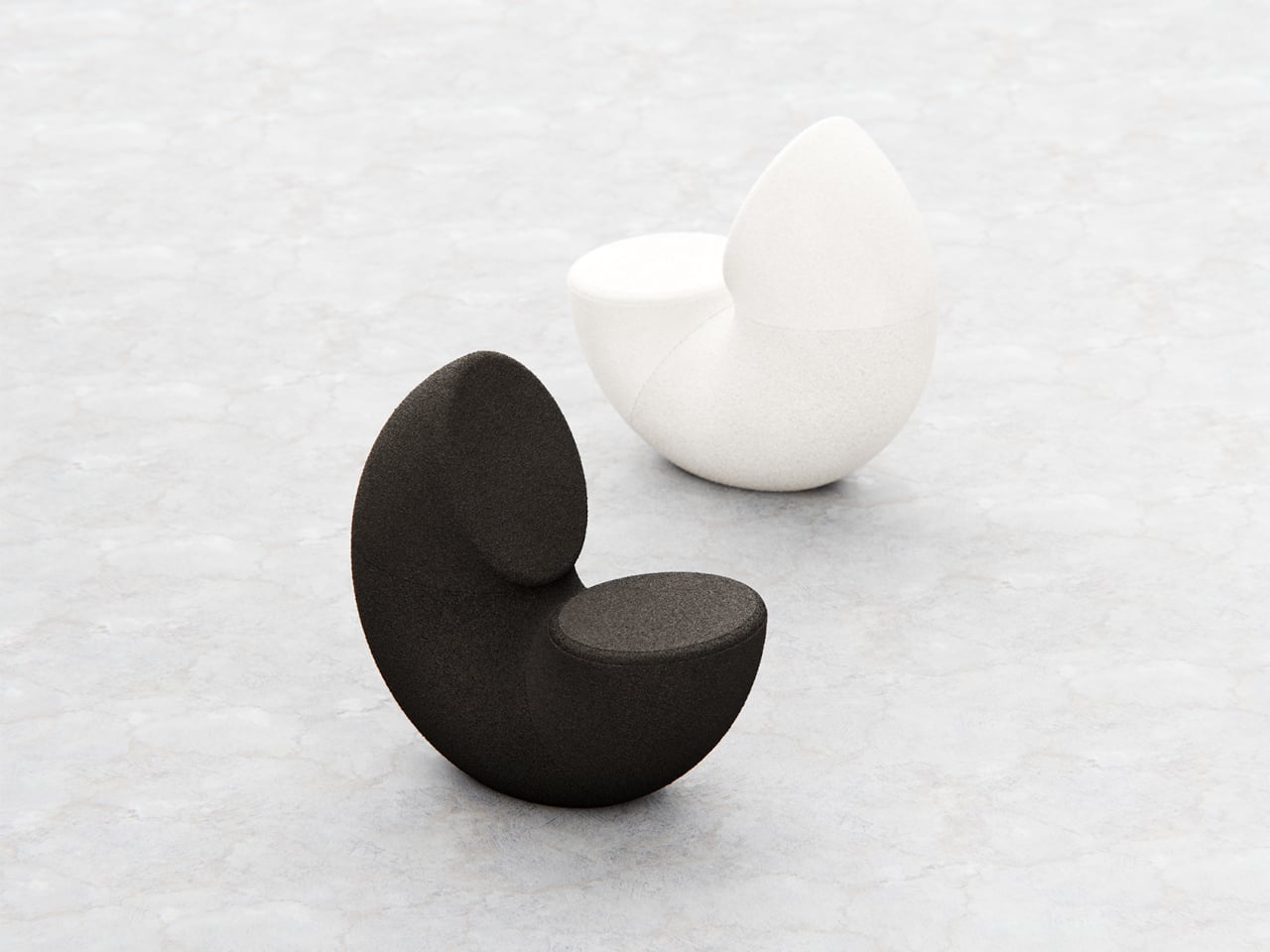
Most chairs are clearly assembled objects, with legs, a seat, and a backrest, all stacked and joined together. Sculptural lounge pieces sometimes flip that script and feel more like a single volume that has been carved or sliced. Chunk is a concept that leans into that second approach, imagining seating as a doughnut with a bite taken out rather than a frame with cushions bolted on, treating furniture as something you edit rather than assemble.

The designer imagined a chair that looks like a doughnut with a chunk removed. The missing piece becomes the seat and the opening for the backrest, while the rest of the ring wraps around in a continuous loop. The concept is less about novelty and more about seeing how far a single looping form can be pushed into something you can actually sit in, where the absence of material defines the place for the body.

Designer: Liam de la Bedoyere

Both the seat and backrest share the same oval cross-section, but as the base curves up to become the backrest, that oval quietly swaps its length and width. It is wide and low where you sit, then gradually becomes tall and narrow as it rises behind you. The section never breaks; it just morphs along the path, which gives the chair a sense of motion even when it is still and empty.

The “bite” creates a bowl-like seat that cradles the hips and thighs, while the rising loop offers a relaxed backrest rather than a rigid upright. The proportions suggest a low, lounge-style posture, closer to a reading chair or a corner piece in a living room than a dining chair. The continuous curve encourages you to lean back and sink in, not perch on the edge ready to stand again.

A near-cylindrical form can look like it might roll away, but the geometry and internal structure are tuned to keep the center of gravity low and slightly behind the seat. The base is subtly flattened, and a denser core at the bottom would keep it from tipping forward when someone leans back. The result is a chair that looks precarious from some angles but behaves like a grounded lounge piece once you sit.

The monolithic upholstery, a textured fabric that wraps the entire volume without obvious breaks, reinforces the idea of a single chunk of material. The form reads differently as you move around it, sometimes like a shell, sometimes like a curled leaf, sometimes like a coiled creature. It is the kind of chair that anchors a corner or gallery-like space, inviting you to walk around it before you decide to sit down and settle in.

Chunk uses subtraction as its main design move, starting from a complete ring and then removing just enough to create a place for the body. For a category that often defaults to adding parts, there is something satisfying about a chair that feels like it has been edited down to a single, looping gesture, with one decisive bite turning an abstract volume into a place to rest, read, or just sink into for a while.

The post This Doughnut Chair Has One Bite Missing, and That’s Your Seat first appeared on Yanko Design.

Nocs Braque Stacks Two Cubes into a 25kg Sculptural Stereo System

Par : JC Torres
13 décembre 2025 à 14:20

Most hi-fi speakers still look like anonymous black rectangles, even when they sound great. A few brands treat speakers as furniture or sculpture, but often at the expense of engineering. Braque by Nocs tries to sit in the middle, a pair of cubes that are as considered visually as they are technically, treating stereo as both sound and composition rather than one serving the other as an afterthought.

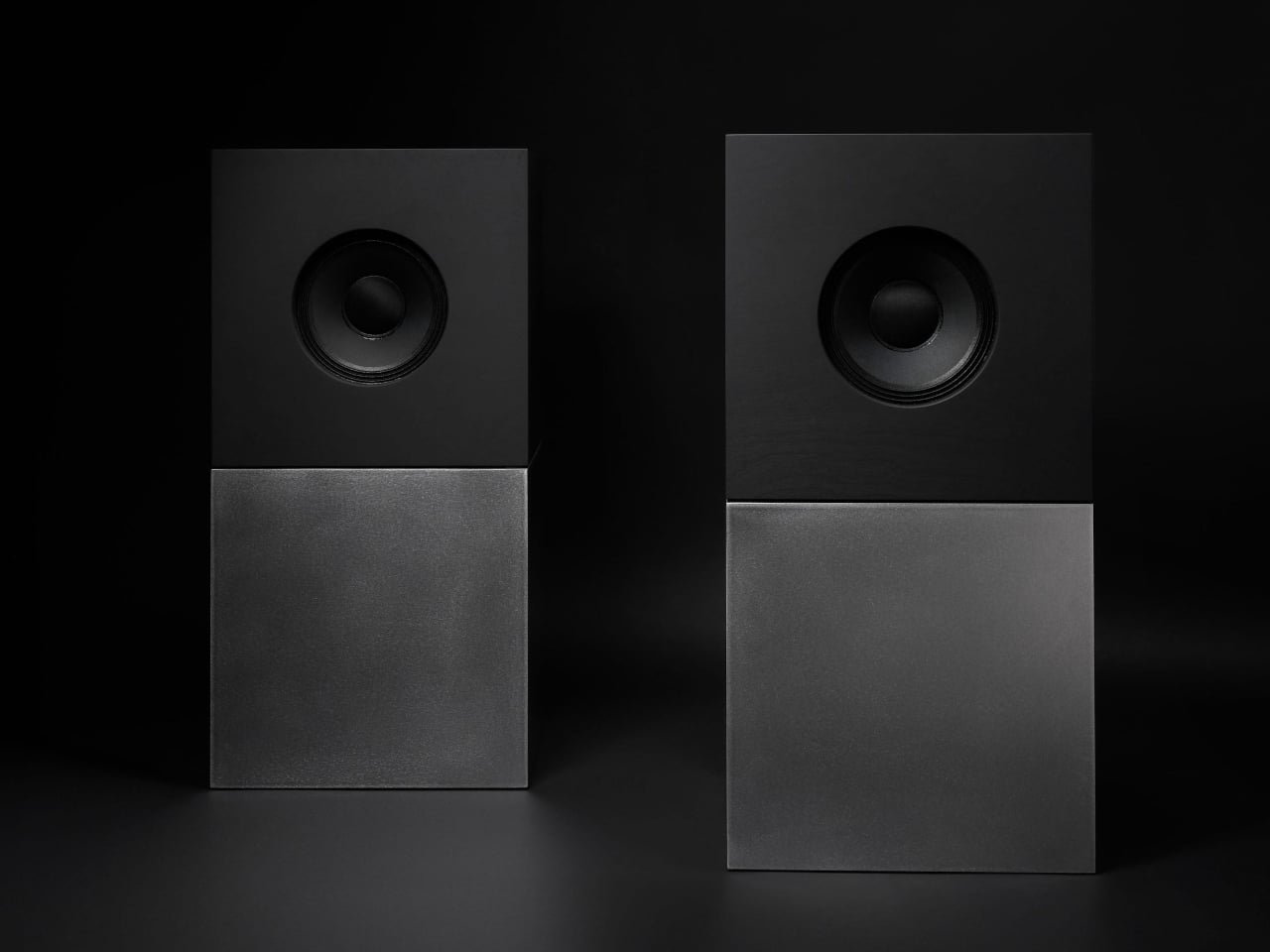
Nocs calls Braque “two cubes, one sculptural stereo system,” and each speaker is a stacked pair, a CNC-machined plywood enclosure on top of a 25 kg solid-steel base. Built in numbered editions, assembled in Estonia with the steel cube handcrafted in Sweden, and tuned back at Nocs Lab, Braque signals that this is not a mass-market soundbar or a safe play for casual listeners who just want something wireless.

Designer: Nocs Design

The upper cube is rigid plywood finished in deep matte-black oil, chosen for tonal warmth and acoustic integrity, and the lower cube is a hand-welded, brushed steel block that anchors the system physically and visually. Sorbothane isolation pads sit between them, decoupling the enclosure from the base so the driver can move without shaking the furniture or smearing the soundstage. Together, the two volumes form a study in symmetry, a minimal yet expressive composition.

The acoustic core is an 8-inch Celestion FTX0820 coaxial driver with a 1-inch compression tweeter at its center, powered by dual Hypex FA122 modules delivering 125 W per side with integrated DSP. The coaxial layout gives a point-source image, and the active 2-way design lets Nocs control crossover and EQ precisely, resulting in a 42 Hz–20 kHz response that is tuned rather than guessed at from a passive circuit.

Nocs describes their studio-sound approach as tuning like sculpture, not adding but uncovering, working with artists and engineers to balance emotion, texture, and detail. The dual-cube design is part of that, lifting the driver to ear height when seated and using mass and isolation to keep the presentation clean and stable at real-world volumes. The idea is that a speaker should reveal music rather than shape it into a brand’s house curve.

Braque offers both analog and digital inputs, RCA and XLR for analog, plus S/PDIF, AES/EBU, and coaxial for digital, and it is meant to connect directly to turntables with a phono stage, streamers, or studio interfaces. There is no built-in streaming or app layer, which feels intentional; you bring your own source and let the speakers handle amplification and conversion from there without trying to be a whole ecosystem.

Braque behaves in a living room or studio as two strict cubes that read like small pieces of Cubist architecture until you press play. For people who want their speakers to be part of the composition of a space, not just equipment pushed into corners, the combination of Celestion drivers, Hypex power, and that heavy steel base makes Braque feel like a very deliberate answer to how a stereo should look and sound in 2025, where form and performance finally coexist without one apologizing for the other.

The post Nocs Braque Stacks Two Cubes into a 25kg Sculptural Stereo System first appeared on Yanko Design.

Top 5 Non-Tech Gifts for Designers Who Have Every Gadget

13 décembre 2025 à 12:40

Designers accumulate screens, tablets, and peripherals until their desks resemble mission control. Yet the most meaningful moments in creative work often happen away from pixels and processors. A perfectly weighted pen moving across paper creates a connection that no stylus can replicate. These analog tools offer something technology can’t: the tactile satisfaction of manipulating physical materials, the quiet pleasure of objects that don’t require charging or updates.

This collection celebrates the opposite of smart devices. Each piece proves that thoughtful design doesn’t need Bluetooth connectivity or app integration to elevate daily rituals. From writing implements engineered with surgical precision to candles that transform ambient lighting into meditation, these gifts remind us that the best tools sometimes do exactly one thing extraordinarily well. They’re for designers whose homes already hum with gadgets but whose souls crave something more deliberate and human.

1. Jetstream Edge

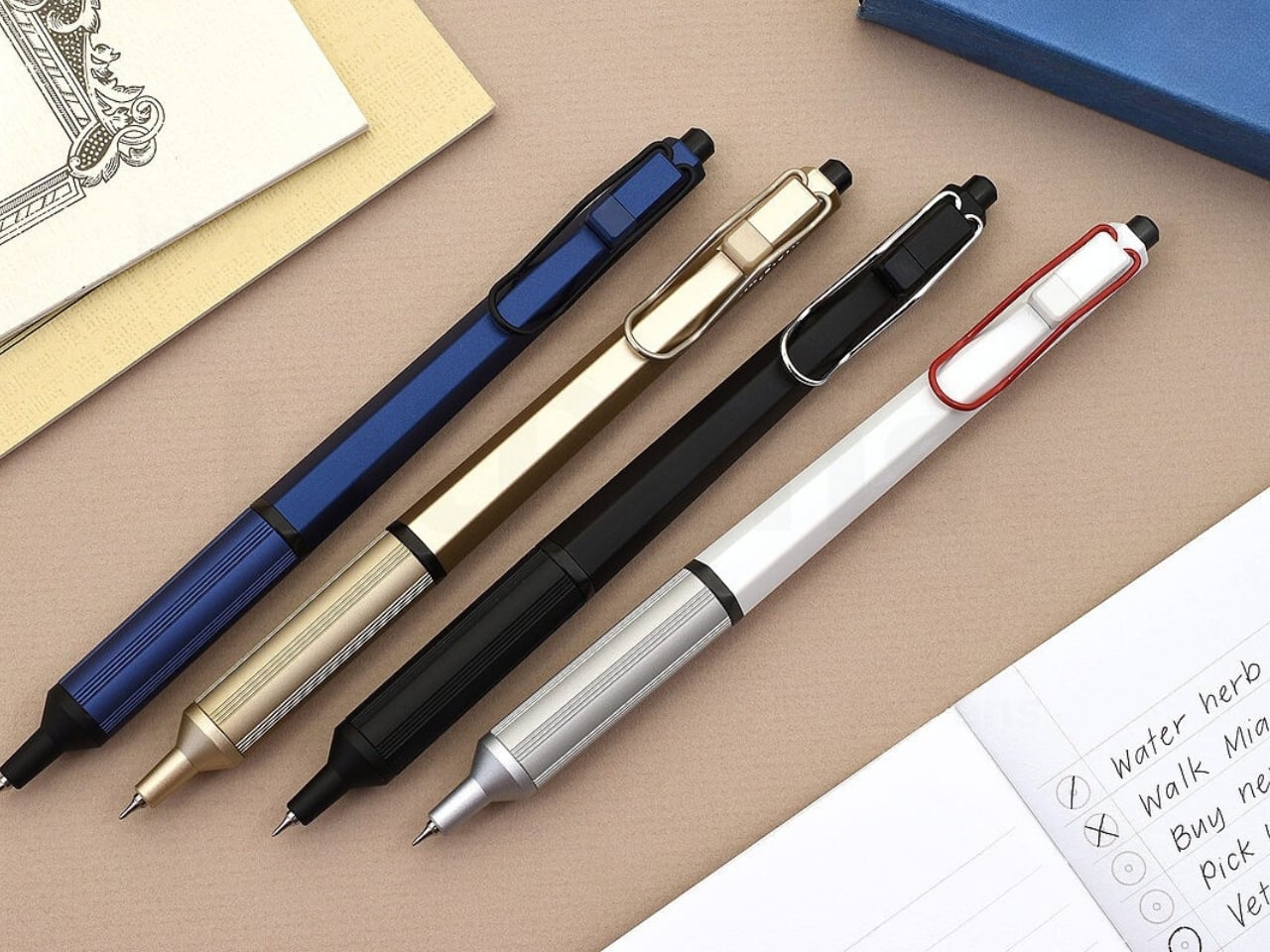
The world’s thinnest ballpoint pen sounds like marketing hyperbole until you drag the 0.28mm tip across paper and watch lines appear that rival technical drafting pens. This Uniball creation doesn’t just write thin; it writes with the kind of precision that makes handwritten notes feel like an intentional design exercise. The hexagonal black barrel catches light along its edges while the knurled metal grip provides just enough texture to keep your fingers anchored during extended writing sessions without causing fatigue or slippage.

What makes this pen exceptional lies in its hybrid ink formulation. The archival-quality black ink combines gel pen smoothness with ballpoint quick-drying properties, eliminating the smeared margins that plague lefties and rushed note-takers. The low center of gravity keeps the ultra-fine tip stable against paper, preventing the wobble that turns delicate linework into jagged scratches. The wire clip adds visual interest while securing the pen to notebook covers or shirt pockets. For designers who sketch concepts before digitizing them, this pen transforms rough ideation into refined mark-making.

What we like

  • The 0.28mm tip delivers drafting-pen precision in a portable ballpoint format.
  • Hybrid ink technology dries instantly to prevent smudging on fresh pages.
  • The hexagonal barrel and knurled grip provide ergonomic control during long sessions.
  • Archival-quality black ink ensures notes and sketches remain legible for years.

What we dislike

  • The ultra-fine tip requires quality paper to prevent catching or tearing.
  • Replacement refills may prove difficult to source compared to standard ballpoints.

2. Heritage Craft Unboxing Knife

Most box cutters hide in junk drawers because they’re aggressively utilitarian and vaguely dangerous-looking. This aluminum sculpture reimagines the ancient hand axe through precision machining, creating something you’ll want displayed on your desk rather than buried in a drawer. Carved from a solid aluminum block, its circular form echoes Paleolithic tools while the wave-like patterns from the cutting process provide grip and visual intrigue. The tapered shape fits naturally in the hand, making package opening feel less like a chore and more like wielding a carefully considered instrument.

The intentional blade angle prevents over-penetration that damages package contents while maintaining enough sharpness for clean tape slicing. Aluminum’s inherent luster gives the knife a refined presence that elevates the mundane ritual of receiving deliveries. Designers who appreciate when everyday objects receive serious design consideration will find themselves reaching for this piece even when scissors would suffice. It sits at the intersection of functional tool and desktop sculpture, proving that utilitarian objects don’t need to sacrifice beauty for practicality or effectiveness.

Click Here to Buy Now: $99.00

What we like

  • Paleolithic-inspired form transforms mundane unboxing into a satisfying ritual.
  • Precision-milled aluminum construction provides luxury weight and lasting durability.
  • Wave-pattern machining creates a natural grip while adding sculptural visual interest.
  • Angled blade design ensures safe cutting without damaging package contents.

What we dislike

  • The exposed blade requires careful handling despite thoughtful safety considerations.
  • Premium aluminum construction places it at a higher price point than standard cutters.

3. Japanese Lantern Candle

Chouchin lanterns once lit Japanese festival nights with a gentle glow that modern LEDs struggle to replicate. This contemporary interpretation captures that soft illumination through handmade candles crafted in Kurashiki by artisans who understand how light transforms space. The minimalist holder design lets the candle become the focal point while patented technology prevents the outer wax from melting, maintaining the lantern shape throughout its burn life. As the interior wax liquefies, light dances through the undulating surface, creating shifting patterns that turn any room into a contemplative sanctuary.

The ritual of lighting a candle creates a deliberate pause that screens and notifications constantly interrupt. For designers accustomed to blue light and digital stimulation, this analog light source offers a different quality of illumination—one that encourages winding down rather than ramping up. The traditional chouchin form brings Japanese design philosophy into Western interiors without feeling forced or appropriative. Each candle burns with the kind of warm ambiance that makes reading physical books or sketching in analog notebooks feel natural again, reclaiming evening hours from device dependency.

Click Here to Buy Now: $69.00

What we like

  • Handcrafted by Japanese artisans in Kurashiki using traditional candle-making methods.
  • Patented technology maintains the lantern shape as interior wax melts and liquefies.
  • Minimalist design integrates seamlessly into contemporary or traditional interior styles.
  • The undulating surface creates mesmerizing light patterns as the candle burns down.

What we dislike

  • Replacement candles require sourcing from specific suppliers rather than local stores.
  • The contemplative burn time means less instant gratification than switching on a lamp.

4. Penguin x MOEBE Book Stand

Books deserve better than lying face down with spines cracked or getting buried under device chargers. This collaboration between Penguin and MOEBE treats reading material as objects worth displaying, using bent steel to create a versatile stand that functions as a bookmark, display easel, or bookend depending on configuration. The single-sheet construction eliminates visible fasteners that would interrupt the clean lines, while the matte finish in stainless steel, cream, black, or Penguin orange lets you match existing desk aesthetics or add a pop of color.

The angled base supports everything from slim poetry collections to chunky design monographs without wobbling or tipping forward. Designers who collect physical books for reference and inspiration will appreciate how the stand keeps current reading visible rather than lost in stacks. Pair two stands to create bookends that frame a curated shelf section, or use a single piece to hold cookbooks open during kitchen experiments. Subtle Penguin and MOEBE branding sit on the base, where it remains visible without dominating the overall form. The stand quietly insists that books matter.

What we like

  • Single bent-steel construction creates seamless form without visible fasteners or joints.
  • Angled base supports books of varying thickness without wobbling or tipping.
  • Multiple colorways, including Penguin’s signature orange, integrate with existing decor.
  • Functions as a bookmark, display stand, or bookend depending on current needs.

What we dislike

  • The minimalist aesthetic may not provide enough visual presence for some interiors.
  • Steel construction adds weight that makes it less portable than plastic alternatives.

5. Personal Whiteboard

Digital note-taking apps promise searchability and cloud sync, yet many designers still think best with markers in hand. This portable whiteboard reduces the friction between thought and capture by fitting the essential ritual into a notebook form factor. The multi-functional cover wipes the surface clean, props the board at a comfortable viewing angle, and creates a pocket for loose papers. The Mag Force system turns the cover into both a handle for carrying and a magnetic pen holder that keeps your marker attached and accessible.

The genius lies in accepting that some notes are ephemeral. Sketch a quick concept, photograph it for the cloud, then wipe it clean for the next idea. The single reusable page eliminates the wasteful stack of marker-stained papers while maintaining the kinetic satisfaction of writing on a physical surface. Any standard whiteboard marker works, removing the premium-refill anxiety that plagues some reusable notebooks. For designers who facilitate workshops, lead brainstorming sessions, or simply think better while standing at a wall, this personal version brings that same energy to individual work.

Click Here to Buy Now: $49.00

What we like

  • Multi-functional cover serves as an eraser, an adjustable stand, and a document pocket.
  • The magnetic Mag Force system secures any whiteboard marker for transport and storage.
  • Photograph-then-erase workflow combines analog thinking with digital archiving.
  • Compatible with all standard whiteboard markers rather than proprietary refills.

What we dislike

  • The single-page format limits capturing multiple simultaneous thoughts or comparisons.
  • The whiteboard surface can develop ghosting over time with frequent use and inadequate cleaning.

Beyond the Charging Cable

The best gifts don’t always light up or connect to Wi-Fi. These five pieces prove that analog tools still have vital roles in creative work, offering textures and interactions that screens can’t replicate. From the meditative ritual of lighting a candle to the precise satisfaction of an engineered pen, each object does one thing superbly well without requiring updates or subscriptions. They’re investments in slowing down, in making everyday interactions feel intentional rather than automatic.

For designers drowning in devices, these non-tech gifts offer something increasingly rare: objects that work the same way in five years as they do today. No planned obsolescence, no compatibility issues, no battery anxiety. Just beautifully considered tools that make analog rituals feel luxurious again. They remind us that the most sophisticated technology sometimes means no technology at all, just materials and craftsmanship in service of human needs that haven’t changed in centuries.

The post Top 5 Non-Tech Gifts for Designers Who Have Every Gadget first appeared on Yanko Design.

10 Best Tiny Gifts Under $100 Everyone Steals From Stockings First

13 décembre 2025 à 02:45

The best stocking stuffers aren’t the ones that fill space—they’re the ones that get plucked out first, pocketed before breakfast, and quietly claimed before anyone else notices. These are the gifts that punch above their price tag, blending clever design with genuine utility in a package small enough to tuck into a sock but compelling enough to become someone’s new everyday carry. They’re the kinds of objects that spark conversations, solve real problems, and feel impossibly thoughtful for something that costs less than dinner.

This year’s lineup leans into tactile pleasure, unexpected innovation, and quiet luxury that doesn’t scream its price point. From gravity-defying desk sculptures to grooming tools engineered like precision instruments, these ten designs prove that small gifts can carry a serious impact. Each one clocks in under a hundred dollars, fits in the palm of your hand, and delivers the kind of daily delight that makes people wonder why they didn’t have one sooner.

1. Side A Cassette Speaker

Remember making mixtapes? This pocket-sized throwback reimagines that ritual for the Bluetooth era, disguising modern wireless tech inside an eerily accurate cassette shell. The transparent casing reveals inner mechanics that mirror the real thing, complete with side A labeling and that distinctive tape aesthetic that defined an entire generation’s music culture. Pop it into its crystal-clear protective case, and it transforms into a desk-worthy display piece that actually delivers sound.

The engineering surprises lie beneath the nostalgia. Bluetooth 5.3 ensures stable connections across devices, while microSD support allows for offline playback when streaming isn’t an option. The audio profile skews warm rather than tinny, deliberately echoing the softness of analog tape rather than chasing clinical clarity. At 80 grams with its case, it disappears into jacket pockets and backpacks, making it the kind of speaker people actually carry instead of leaving on a shelf collecting dust.

Click Here to Buy Now: $45.00

What we like

  • The transparent shell design captures cassette aesthetics without feeling like cheap cosplay
  • Bluetooth 5.3 connectivity pairs instantly and stays locked without dropouts
  • Six-hour battery life outlasts most workdays at full volume
  • The included case doubles as a display stand for desk placement
  • The microSD card slot enables phone-free listening anywhere

What we dislike

  • Limited to the MP3 format only for card playback
  • Two-hour recharge cycle feels lengthy for the battery capacity
  • Compact speaker size naturally limits bass response depth

2. Ritual Card Diffuser

Scent diffusion gets stripped to its essence here—no mist clouds, no reed forests, just a simple card insertion that marks the beginning of a fragrance ritual. The mechanism borrows from Japanese train ticketing, where sliding a washi paper card into an anodized aluminum body initiates a slow, controlled release of alcohol-based fragrance oils. It’s diffusion as deliberate practice rather than background ambiance.

The design language stays minimal to the point of zen. Hand-poured oil bases pair with handcrafted Japanese washi paper that absorbs and disperses scent through capillary action alone. Layered glass creates visual lift while the aluminum housing grounds everything with industrial elegance. Fire-free and power-free operation means placement flexibility—nightstands, desks, shelves—anywhere stillness exists. When the oil runs low, refilling takes seconds without disassembly or mess.

Click Here to Buy Now: $89.00

What we like

  • Tactile card insertion transforms scent diffusion into a mindful ritual
  • The patented washi mechanism diffuses fragrance without heat or electricity
  • Compatible with premium alcohol-based fragrance oils
  • Zero maintenance beyond simple oil refills and card replacements
  • Anodized aluminum body offers durability with refined aesthetics

What we dislike

  • Limited to alcohol-based fragrances rather than universal compatibility
  • Scent throw remains subtle compared to powered diffusers
  • Replacement washi cards create ongoing consumable costs

3. Key Holder Wakka

Lost keys cause daily chaos. This magnetic key holder solves that problem by making the act of placing keys genuinely satisfying—so satisfying you’ll actively want to do it. The system combines a wooden base with a metal keyring, held together by a powerful neodymium magnet that releases with a crisp, surprisingly soothing tap when pulled apart. That sonic feedback creates instant habit reinforcement every single time.

Material choices elevate this beyond typical key storage. Choose between maple or walnut bases, each paired with a stainless steel, brass, and iron keyring that carries proper weight. The magnetic hold stays strong enough to prevent accidental drops yet releases smoothly with intentional pulling. Placed near an entryway, it becomes a calming transition point between outside chaos and home sanctuary—a small ritual that anchors your arrival routine with sensory pleasure instead of mindless muscle memory.

Click Here to Buy Now: $45.00

What we like

  • Neodymium magnet provides a secure hold without accidental releases
  • Satisfying tapping sound creates positive habit reinforcement
  • Available in maple or walnut wood base options
  • Multi-metal keyring construction adds premium tactile weight
  • Elegant desk or entryway presence doubles as decor

What we dislike

  • Limited to a single keyring capacity per base unit
  • The wood base requires occasional maintenance to preserve the finish
  • The magnetic field may interfere with certain proximity cards

4. CasaBeam Everyday Flashlight

Most flashlights get buried in junk drawers until emergencies strike. This one stays visible because it actually deserves counter space, blending minimalist form with dual-mode versatility that works as both a handheld beam and a freestanding lantern. The 1000-lumen output reaches 200 meters in spotlight mode, while the adjustable zoom head twists to flood light across entire rooms when needed.

Stand it upright and watch it transform into ambient lighting for reading, dining, or a power outage calm. Five modes span three brightness levels plus two SOS settings, all controlled through an intuitive two-button operation that stays simple even when fumbling in darkness. The 2,600mAh battery delivers up to 24 hours on low settings, recharging via USB-C hidden beneath the zoom head to maintain clean visual lines. A bright yellow hanging loop adds practical mounting options while serving as the design’s only color accent.

Click Here to Buy Now: $49.00

What we like

  • Powerful 1000-lumen beam with 200-meter reach
  • Adjustable zoom toggles between spotlight focus and flood illumination
  • Upright stance converts flashlight into hands-free lantern mode
  • The hidden USB-C port maintains a minimalist profile while enabling fast charging
  • Integrated yellow loop enables tent and bag hanging
  • Smart three-color battery indicator prevents unexpected shutdowns

What we dislike

  • Built-in battery means no field-swappable power options
  • The yellow loop may not suit all aesthetic preferences
  • The zoom mechanism requires periodic cleaning to maintain smooth operation

5. Auger PrecisionLever Nail Clipper

Grooming tools rarely warrant much attention until you encounter one engineered like actual equipment. Kai Corporation—Japan’s blade authority since 1908—designed this clipper around a patented rotating lever mechanism that shifts the pivot point closer to the cutting edge. The result delivers cleaner cuts through thicker nails using less hand pressure while maintaining surgical control throughout each clip.

At 67 grams, the clipper carries satisfying heft that signals quality without bulk. The 86mm compact form slips into dopp kits and desk drawers with equal ease. Stainless cutlery steel blades slice cleanly without tearing or splitting, producing smooth edges that rarely snag fabric afterward. Zinc die-cast lever components wear a sleek plated finish while the thermoplastic stopper and integrated filing surface round out the material story. The press-and-release action stays whisper-quiet and consistently smooth—precision you can feel with every trim.

Click Here to Buy Now: $49.00

What we like

  • Patented rotating lever optimizes cutting pressure distribution
  • Stainless cutlery steel blades deliver clean cuts without nail splitting
  • Weighted 67-gram feel provides stable control during use
  • Compact 86mm length fits grooming kits and drawers easily
  • Quiet operation maintains subtlety during use
  • Refined material selection ensures long-term performance consistency

What we dislike

  • Premium price point exceeds basic clipper budgets
  • The rotating mechanism requires occasional cleaning for optimal performance
  • Compact size may challenge users with larger hands

6. Sakura Petal Grater

Culinary tools become art objects when Japanese heritage meets functional design. Tsuboe created this sakura blossom-shaped grater to commemorate the Ōkōzu Diversion—a historic flood control project that transformed the Shinano River region—while delivering razor-sharp grating performance for ginger, wasabi, garlic, and citrus zest. The petal silhouette fits comfortably in your palm while adding genuine beauty to any kitchen environment.

Two material options define the aesthetic. The pink edition features lightweight aluminum alloy with a vibrant anodized finish inspired by cherry blossoms lining river levees. The silver edition showcases pure copper with tin plating that creates a luminous interplay between metals while adding substantial heft. Precision-raised blades crafted via custom NC machines maintain sharpness through countless uses. Commemorative packaging includes sakura motifs and story cards celebrating the cultural heritage behind each grater’s creation—transforming kitchen prep into a connection with Japanese craftsmanship traditions.

Click Here to Buy Now: $25.00

What we like

  • Sakura petal shape brings functional elegance to kitchen spaces
  • Custom NC machine blades ensure consistent sharpness
  • Choice between aluminum or copper construction with distinct finishes
  • Palm-sized form suits tableside grating applications
  • Commemorative packaging adds gifting narrative depth
  • Heritage storytelling connects users to Japanese cultural history

What we dislike

  • Premium materials command a higher price versus standard graters
  • Small size limits large-volume grating tasks
  • The copper edition requires occasional polishing to maintain luster

7. DraftPro Top Can Opener

Cracking a cold can usually mean sipping through a narrow opening that traps aroma and limits taste. Award-winning designer Shu Kanno reimagined that moment, creating a precision opener that removes the entire top to deliver glass-like drinking experiences straight from the aluminum. The smooth-edged cut transforms canned beer, sparkling water, and premixed cocktails into proper vessels where you catch every aromatic note.

Beyond elevated sipping, practical advantages multiply quickly. Drop ice cubes directly into opened cans for instant chilling on hot days. Mix cocktails inside the can itself—no shaker, no cleanup, no glassware. Universal sizing works across domestic and international CAN standards, so you’re never caught without compatibility. The lightweight, portable build makes it easy to pack for camping, tailgates, or beach days. Used cans become mini planters or desk organizers thanks to the clean, safe edge. Japanese design discipline shows through every detail—smooth opening motion, comfortable grip, zero visual excess.

Click Here to Buy Now: $59.00

What we like

  • Complete top removal enables full aroma and taste access
  • Smooth edge allows safe, direct ice cube additions
  • Can-based cocktail mixing eliminates shaker cleanup
  • Universal fit works with domestic and international can sizes
  • Lightweight portability suits outdoor and travel use
  • Clean cut facilitates creative can reuse and recycling

What we dislike

  • Single-purpose tool adds to kitchen gadget collection
  • Opening motion requires a brief learning curve for the technique
  • Sharp cutting mechanism demands careful handling and storage

8. Titanium Artisan Spirits Cup

Spirits deserve glassware that enhances rather than distracts from their complexity. This titanium vessel weighs just 22 grams yet delivers sensory amplification through hammered texture that lifts aromatic compounds, while the ultra-thin rim ensures clean flavor contact. At 2.05 inches in diameter by 2.17 inches in height, it fits sake, tequila, and whiskey servings with equal grace.

Titanium construction brings unexpected benefits beyond durability. The metal maintains temperature without rapid heat transfer from your hand, keeping chilled spirits cold longer. Vibrant anodized finishes create unique color variations across each cup—no two look identical, adding bespoke character to any collection. The hammered surface provides subtle grip texture while refracting light beautifully. Compact dimensions suit modern interiors and outdoor settings alike, transitioning seamlessly from home bars to campfire toasts. Minimalist elegance meets practical performance in a cup engineered for connoisseurs who value both flavor clarity and design integrity.

Click Here to Buy Now: $27.00

What we like

  • Ultra-light 22-gram weight enhances portability and comfort
  • Hammered texture amplifies aromatic profiles during sipping
  • Thin rim ensures clean flavor contact without interference
  • Unique anodized finishes create individualized color variations
  • Titanium construction offers exceptional durability
  • Compact size suits diverse spirit types and settings

What we dislike

  • Hand-wash requirement adds care steps versus dishwasher convenience
  • Premium titanium pricing exceeds standard glassware budgets
  • Small capacity limits the use to spirits rather than mixed drinks

9. Levitating Pen

Most desk accessories serve function or form—rarely both with equal commitment. This gravity-defying pen floats vertically above its magnetic pedestal without batteries or electronics, transforming writing tools into kinetic sculpture. The invisible magnetic field holds the pen suspended and spinning with the gentlest touch, creating mesmerizing motion that offers mental breaks during intense work sessions.

Engineering precision makes the magic possible. High-precision CNC machining maintains tolerances under 0.1mm—the same manufacturing standards used for Apple products—enabling perfect hover balance and fluid rotation. Swiss-made ballpoint cartridges deliver smooth, reliable writing performance while Cross-brand refills ensure long-term usability. The magnetic cap provides instant access without fumbling. Whether spinning hypnotically during calls or standing elegantly between uses, the pen becomes a source of inspiration and relaxation. Sleek aesthetics meet practical function in a design that professionals, artists, and engineers appreciate equally for performance and presence.

Click Here to Buy Now: $79.00

What we like

  • Battery-free magnetic levitation creates a captivating desk presence
  • High-precision CNC machining ensures a flawless hovering balance
  • Swiss-made ballpoint cartridge delivers premium writing smoothness
  • Easy refill compatibility with standard Cross-brand cartridges
  • Magnetic cap enables quick single-handed access
  • Mesmerizing spin motion provides stress relief and inspiration

What we dislike

  • The pedestal requires desk space and a stable surface placement
  • The magnetic field may interfere with nearby electronics or cards
  • Premium price reflects complex manufacturing requirements

10. Heritage Craft Unboxing Knife

Box cutters typically hide in drawers because they look utilitarian at best. This one deserves prominent desk placement, carved from solid aluminum into a form inspired by Paleolithic hand axes—ancient tools reimagined through modern precision machining. Wave-like cutting patterns create visual intrigue while providing secure grip texture. The circular shape and tapered profile feel substantial in hand, while the raw metal aesthetic radiates both mystery and intentional design.

Aluminum once commanded prices higher than gold, and this knife showcases the material’s inherent luster and satisfying weight. Milling from a solid block rather than casting ensures structural integrity and refined surface quality. The blade slices through packing tape and cardboard with surgical ease, while the distinctive form starts conversations whenever someone spots it. Placing this on your desk signals appreciation for objects that blend utility with artistry—tools that inspire rather than just serve. Unboxing packages becomes a moment of tactile pleasure rather than a mindless routine.

Click Here to Buy Now: $99.00

What we like

  • Paleolithic hand axe inspiration creates a distinctive sculptural form
  • Solid aluminum construction showcases material luster and a premium feel
  • Precision machining produces wave patterns that enhance grip security
  • Tapered shape balances visual weight with handling comfort
  • Desk-worthy aesthetics encourage display rather than drawer storage
  • Sharp blade handles tape and cardboard efficiently

What we dislike

  • Exposed blade design requires careful handling and storage
  • Aluminum softness may show wear marks over extended use
  • Unconventional shape requires adjustment for traditional box cutter users

The Gift That Keeps Getting Stolen

Stocking stuffers reveal their true value in the days after unwrapping, when practical magic beats flashy excess every time. These ten designs prove that thoughtful gifts don’t require three-digit budgets or oversized boxes—just genuine utility wrapped in forms people actually want to touch, use, and keep within arm’s reach. They’re the presents that migrate from stockings to pockets to daily rotation faster than anyone expects.

Smart gifting means choosing objects that respect both giver and recipient through lasting quality and daily relevance. Each of these pieces delivers experiences beyond their physical size, turning mundane moments into small rituals worth savoring. Whether someone’s grating ginger, opening mail, or taking mental breaks with a spinning pen, these are the gifts that prove you paid attention to how people actually live rather than what they might politely accept.

The post 10 Best Tiny Gifts Under $100 Everyone Steals From Stockings First first appeared on Yanko Design.

À partir d’avant-hierFlux principal

Magicbrake - Handbrake en mode facile

Par : Korben
19 novembre 2025 à 08:34

HandBrake c’est un chef-d’œuvre open source qui fait, en gros, tout ce qu’on peut rêver en terme de conversion vidéo…

Ainsi, si vous voulez juste transformer une vidéo en MP4 qui marche sur votre téléphone, HandBrake est capable de vous proposer 147 options, 23 presets différents, des onglets pour les codecs, les sous-titres, les filtres, l’audio multi-pistes. Ensuite, vous cliquez sur OK en priant pour que le preset par défaut fasse le taf !

Et c’est ça le problème car c’est un super outil mais pour le maitriser, faut faire 18 formations ;-). Heureusement Magicbrake dit stop à cette folie !

Car Magicbrake c’est une app macOS qui ne permet de faire qu’UNE chose. Vous glissez une vidéo dessus, vous cliquez sur le bouton, et vous récupérez un MP4. Y’a pas de menu, pas d’options et encore moins de documentation à lire et ça c’est cool !

Techniquement, c’est un wrapper GUI qui utilise HandBrakeCLI avec le preset “Very Fast 1080p30” préconfigué. C’est con mais ça fera plaisir aux gens qui n’ont pas envie de se prendre la tête avec l’interface d’Handbrake qui ressemble à un cockpit d’Airbus.

Voilà, Magicbrake c’est juste un problème réel résolu avec le moins de code possible et également un bon rappel que des fois, la meilleure solution c’est la simplicité.

Bref, pour la majorité des gens qui veulent juste convertir une vidéo de leur GoPro, leur drone, ou récupérer un vieux fichier AVI des années 2000, Magicbrake fera bien le taf. Après vous voulez vous lancer dans le choix d’un bitrate ou l’incrust de sous titres, pas le choix, faudra aller sur Handbrake.

Le site officiel Magicbrake est ici !

Ambi - Du bruit blanc sous iOS sans débourser un centime

Par : Korben
20 octobre 2025 à 09:12

J’aime bien les bruits blancs pour me concentrer ou taper une petite sieste dans un endroit pas adapté pour ça :). Mon préféré c’est tout ce qui est bruit de cabine d’avion de ligne et je sais que d’autres préfèrent les effets genre feu qui crépite, bruit de la pluie…etc. Y’a des playlists entières de ça sur Spotify et même des applications même si en général elles sont un peu nazes.

Ces apps, ça démarre toujours avec une version gratuite limitée à 5 minutes, puis un vieux paywall pour débloquer les sons, et une notification tous les soirs à 22h pour vous rappeler de méditer. Sans parler des pubs qui cassent l’ambiance toutes les 10 minutes. Bref, c’est tellement relou qu’on finit par chercher “bruit de pluie 10 heures” sur YouTube comme un sauvage.

Mais y’en a quand même une qui sort du lot. Elle s’appelle Ambi et elle fait… du bruit. De la pluie, des vagues, des oiseaux, du bruit brun…etc. Y’a pas de coach virtuel à la con, pas de communauté à rejoindre, pas d’abonnement à payer… Elle fait juste du bruit et ça c’est cool car c’est plutôt rare de nos jours.

L’app fonctionne 100% offline. Tous les sons sont embarqués, et vous pouvez mixer plusieurs sons ensemble avec des volumes individuels pour chaque piste. Genre pluie + vagues + oiseaux si vous voulez recréer une plage tropicale sous l’orage. Vous avez aussi un timer qui va de 5 minutes à 10 heures, ou infini si vous voulez juste laisser tourner toute la nuit.

Puis comme c’est gratuit et sans tracker pourquoi s’en priver ?

Vous pouvez la télécharger ici sur l’ App Store .

Source

Airthings Renew Looks Like Nordic Furniture, Works Anywhere

Par : JC Torres
23 octobre 2025 à 15:20

Most air purifiers are designed to be hidden away in corners or behind furniture. Their boxy shapes, blinking lights, and utilitarian looks clash with carefully curated interiors, forcing you to choose between clean air and visual harmony. For anyone who cares about both wellness and aesthetics, finding a purifier that actually enhances a room feels nearly impossible.

Airthings Renew approaches air purification from a design-first perspective, combining advanced cleaning technology with a minimalist, Scandinavian-inspired form that looks natural in any space. Instead of hiding the device, you can place it where it works best without worrying about disrupting your interior design or creating visual clutter.

Designer: Airthings

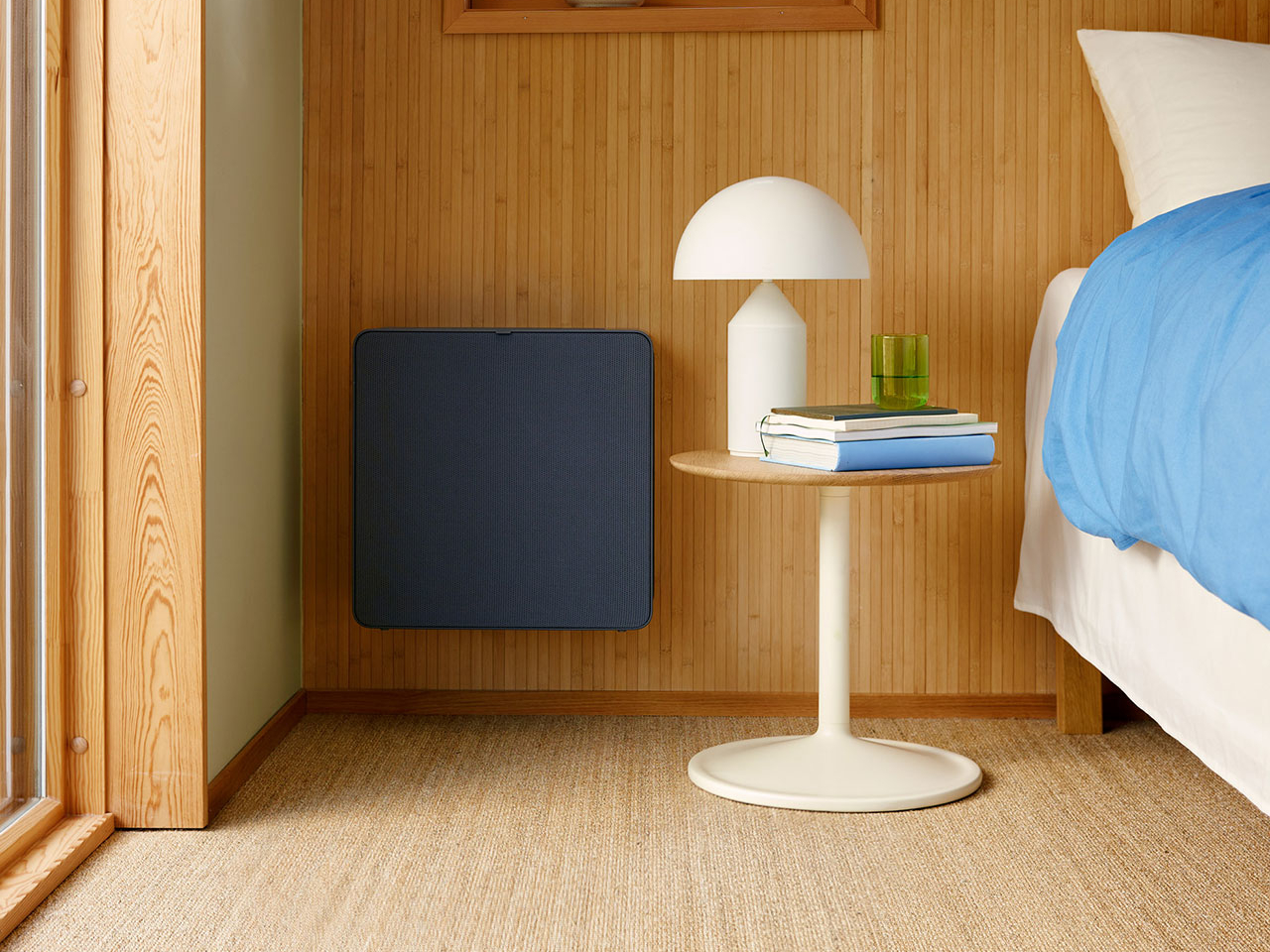
Inspired by Nordic landscapes and interiors, Renew’s muted charcoal tones, soft rounded corners, and matte finish blend effortlessly into bedrooms, living rooms, or home studios. The compact, rectangular form is intentionally understated, designed to disappear among your furniture rather than demand attention. The single-button side interface keeps controls minimal and approachable.

The versatile footprint offers genuine placement flexibility. Set it on the floor beside your bed for overnight purification. Place it on a low shelf near your desk for cleaner work air. Position it in a corner of the living room where it quietly handles the entire space. The form factor adapts to different rooms and layouts without requiring specific furniture or dedicated placement zones.

The design works equally well standing vertically or positioned horizontally in tight spaces. The fabric exterior with its subtle texture feels more like furniture upholstery than typical plastic housings. This material choice helps Renew blend into Scandinavian, minimalist, or contemporary interiors without looking out of place or overly technical.

Behind the calm exterior sits a four-stage filtration system. The washable audio-grade textile outer pre-filter catches pet hair and dust. A washable inner pre-filter traps pollen and finer particles. The HEPA-13 filter removes 99.97 percent of particles down to 0.3 microns, while activated charcoal captures odors and volatile organic compounds.

A high-precision laser sensor monitors particulate matter in real time, automatically adjusting filtration intensity in Auto mode. The Airthings app lets you check air quality levels, switch between Boost mode for rapid cleaning, Silent mode for undisturbed sleep, or Auto mode for intelligent, hands-off operation throughout the day.

Smart home integration through the Airthings ecosystem means the purifier works alongside other Airthings sensors, providing a complete picture of your home’s air quality. Maintenance stays simple with washable pre-filters and straightforward replacement for HEPA and charcoal filters. Airthings Renew brings thoughtful design and smart technology together in an air purifier that enhances spaces rather than detracting from them, proving clean air and beautiful interiors can coexist effortlessly.

The post Airthings Renew Looks Like Nordic Furniture, Works Anywhere first appeared on Yanko Design.

IKEA ÖDLEBLAD Lamp Puts a Twist on Flatpack Lighting and the Allen Key

Par : JC Torres
6 octobre 2025 à 13:20

The IKEA Allen key has become an unlikely icon of modern DIY culture, synonymous with flatpack furniture assembly and the satisfying challenge of building your own furniture. For decades, this humble hexagonal tool has been the bridge between a box of parts and a finished piece of furniture. Yet despite its essential role in IKEA’s success, the Allen key often represents the barrier between customers and their completed projects.

The ÖDLEBLAD lamp flips this relationship on its head in the most delightfully ironic way possible. This new pendant light draws direct inspiration from the Allen key’s form and function, but eliminates the need for any tools whatsoever during assembly. The lamp celebrates the tool that made IKEA famous while proving that sometimes the best design solutions come from making things simpler rather than more complex.

Designer: David Wahl (IKEA)

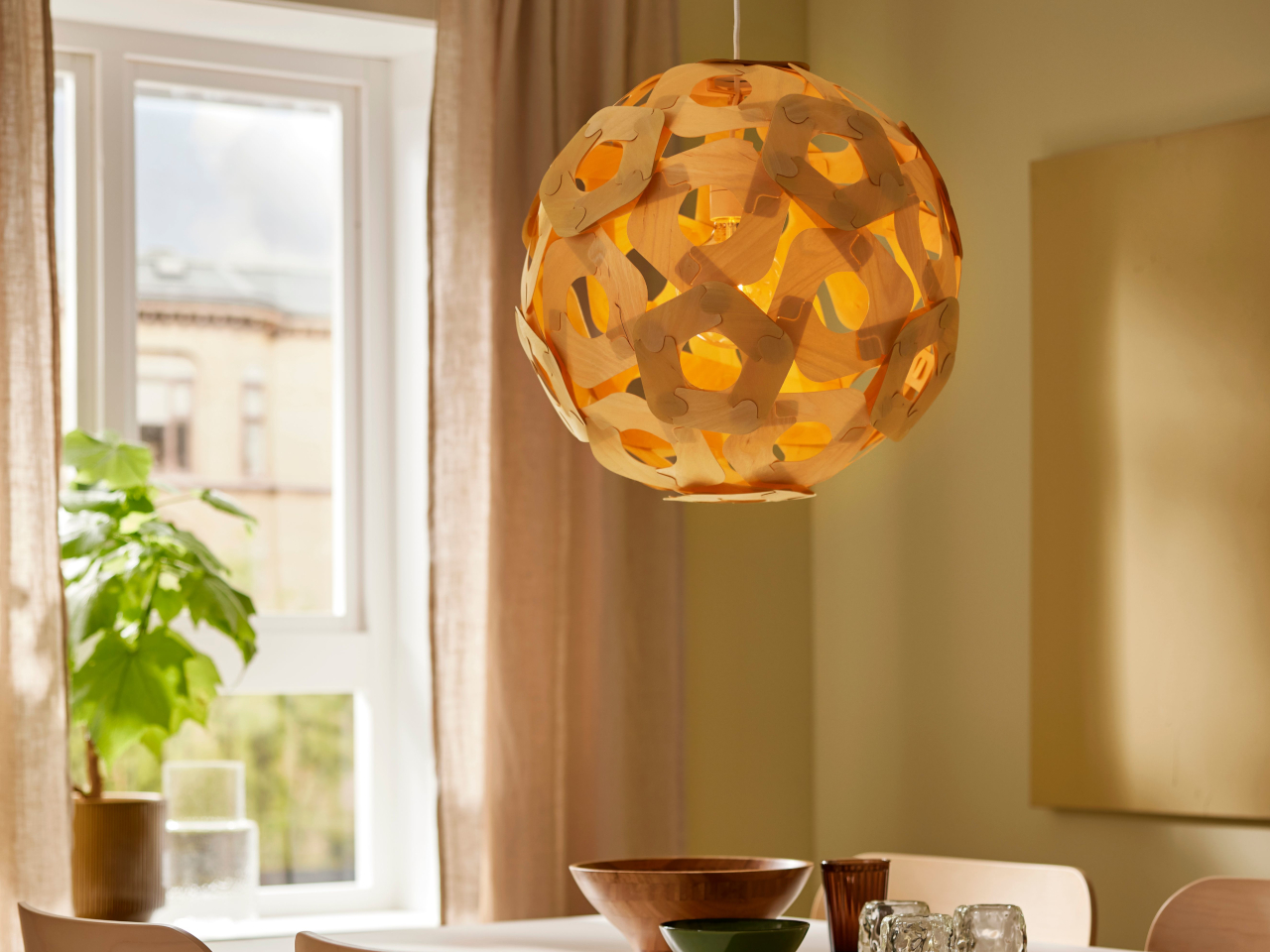
The assembly experience feels almost magical in its simplicity. The birch veneer shade arrives as a flat bundle of wooden slats, each piece designed with integrated twist-and-lock mechanisms that mirror the action of an Allen key. You simply twist the pieces into place, creating a layered, sculptural shade without fumbling for tools or hunting for missing screws.

The irony isn’t lost on anyone familiar with IKEA’s assembly process. Here’s a lamp inspired by the very tool that has challenged countless customers, yet it assembles without requiring that tool at all. This playful contradiction makes the ÖDLEBLAD feel like both a celebration of and a gentle joke about IKEA’s flatpack heritage.

Of course, the lighting quality matches the clever assembly method. The layered birch veneer slats create beautiful patterns of light and shadow, casting warm, organic textures across walls and surfaces. The white inner shade ensures even light distribution, while the natural wood adds warmth and character that works beautifully in dining areas, bedrooms, or living spaces.

The sustainable material choices reinforce IKEA’s environmental commitments. The renewable birch veneer and minimal packaging reduce environmental impact, while the tool-free assembly means fewer metal components and simpler manufacturing processes. The flatpack efficiency also reduces shipping costs and storage requirements, making the entire product lifecycle more sustainable.

That said, the real genius lies in how the ÖDLEBLAD democratizes good lighting design. By eliminating tools and complicated assembly steps, IKEA makes quality pendant lighting accessible to anyone, regardless of their DIY confidence or tool collection. The lamp assembles in minutes and can be just as easily disassembled for moving or storage.

You’ll notice how this approach reflects IKEA’s broader design philosophy of removing barriers between people and good design. The ÖDLEBLAD lamp demonstrates how even the most familiar design challenges can inspire fresh thinking. You can appreciate both the clever engineering and the gentle humor of a product that honors the Allen key by making it completely unnecessary.

The post IKEA ÖDLEBLAD Lamp Puts a Twist on Flatpack Lighting and the Allen Key first appeared on Yanko Design.

Vous vous souvenez du web d'avant ?

Par : Korben
2 octobre 2025 à 15:39

Mais siiii, celui où on cliquait sur un lien et hop, la page s’affichait. Sans popup de cookies, sans overlay “Abonnez-vous à notre newsletter”, sans ce message agaçant “Désactivez votre bloqueur de pub pour continuer” ou “Abonnez-vous pour lire cet article”. Bref, l’époque bénie où internet était juste… internet.

Le RGPD devait nous sauver de la surveillance mais le résultat c’est qu’on passe notre vie à cliquer sur des bouton “Tout refuser” ou à chercher le bouton caché derrière 47 onglets de paramètres. L’enfer est pavé de bonnes intentions réglementaires, il parait… Mais heureusement, des extensions comme PopUpOFF existent pour réparer ce que cette loi a cassé.

Ce que fait cette extension pour Chrome et Firefox, c’est virer les popups, les overlays, les bannières de cookies et toutes ces merdes qui transforment la navigation en parcours du combattant. RomanistHere, le dev derrière le projet, a créé ça tout seul dans son coin et son extension est dispo en open-source sur GitHub .

PopUpOFF propose donc 3 modes de blocage : agressif, modéré et délicat. Le mode agressif, c’est le rouleau compresseur… il dégomme tout ce qui bouge. C’est super pratique quand vous êtes pressé.

Le mode modéré quant à lui fait le tri entre les popups légitimes (genre, celles de votre banque) et les overlays parasites. Et le mode délicat, lui, intervient uniquement quand vous le décidez manuellement.

Ainsi, vous gardez le contrôle total, ce qui change des extensions qui décident de tout ça à votre place.

Alors bien sûr, tout n’est pas parfait et l’extension peut parfois rater des overlays invisibles ou péter l’affichage de certains sites, notamment les PWA (Progressive Web Apps), mais pour 90% des cas d’usage, ça fait le job impeccable.

À l’opposé des mastodontes type Ghostery ou uBlock Origin (qui sont excellents, ne me faites pas dire ce que je n’ai pas dit…), RomanistHere a misé sur le minimalisme radical. Pas de filtres à mettre à jour toutes les semaines, pas de liste de 50 000 domaines à bloquer, pas de consommation RAM de malade. Non, c’est juste un script intelligent qui détecte les patterns d’overlays et les neutralise.

Notez qu’en bonus, l’extension peut parfois débloquer du contenu payant sur certains sites qui utilisent des overlays pour bloquer la lecture. Ce n’est pas son objectif principal, mais vu que beaucoup de paywalls reposent sur des overlays CSS basiques, bah… PopUpOFF les vire aussi. Je dis pas que vous devriez l’utiliser pour contourner les abonnements (soutenez vos médias préférés, toussa toussa), mais sachez que techniquement, ça peut arriver.

À noter que PopUpOFF n’est pas seul sur ce créneau. Il y a aussi “ I Don’t Care About Cookies ” (racheté par Avast, ce qui a refroidi pas mal de gens), ou encore la fonction “ Never-Consent ” de Ghostery qui auto-rejette les cookies via les CMP (Consent Management Platforms). Ces alternatives ont chacune leurs forces, mais PopUpOFF reste le champion du rapport efficacité/poids.

Bref, si vous en avez marre de perdre 15 secondes par page à fermer des popups de merde, PopUpOFF mérite clairement sa place dans votre navigateur. C’est léger, c’est open-source, c’est gratuit, et ça fait exactement ce qu’on lui demande…

Arrival Radar - 128 pixels pour découvrir le contrôle aérien

Par : Korben
19 septembre 2025 à 09:30

Si vous avez déjà joué avec des simulateurs de contrôle aérien, vous savez à quel point ça peut vite devenir un super casse-tête… Des écrans remplis d’informations, des interfaces complexes, des dizaines de paramètres à gérer… Et puis, il y a Arrival Radar , un petit jeu de simulation qui tient dans un carré de 128x128 pixels et qui vous fait comprendre l’essence même du métier d’aiguilleur du ciel en quelques minutes.

Ce jeu, créé par xkqr, c’est tout le contraire de ce qu’on pourrait attendre d’un simulateur moderne. Y’a pas de graphismes photoréalistes, pas d’interface bourré de boutons, pas de tuto de 45 minutes. Non, y’a juste l’essentiel, la base de la base à savoir faire atterrir des avions en évitant qu’ils se rentrent dedans.

Arrival Radar tourne sur PICO-8 , cette fameuse “console fantasy” qui imite volontairement les limitations techniques des années 80. En gros si vous ne connaissaient pas, PICO-8 c’est un petit univers clos où les développeurs s’imposent des contraintes drastiques telles qu’une palette de 16 couleurs, une résolution de 128x128 pixels, une mémoire limitée…etc

Mais alors comment on joue à Arrival Radar ? Hé bien comme je vous le disais, votre boulot, c’est de guider les avions qui arrivent vers leur approche finale. Et comme vous ne pouvez pas donner de cap ou d’altitude aux pilotes, à la place, vous assignez chaque avion à une route d’arrivée standard.

Les commandes tiennent en quelques touches : les flèches gauche/droite pour sélectionner un avion, haut/bas pour choisir sa route d’arrivée, X pour confirmer l’instruction et Z pour ajuster le point d’entrée sur cette route. Vous pouvez même accélérer le temps en maintenant X enfoncé. C’est tout. Pas de menus cachés, pas de raccourcis clavier chelou à mémoriser. Le développeur a passé seulement quelques heures à créer ce simulateur, mais pourtant il capture parfaitement l’essence du métier.

Et l’interface vous montre des lignes grises qui projettent la trajectoire de chaque avion pour la minute suivante,c e qui en fait un peu votre boule de cristal pour anticiper les croisements dangereux. Le jeu recommande de maintenir au moins 30 secondes d’écart entre les appareils, et croyez-moi, ça paraît simple dit comme ça, mais quand vous avez 6 avions qui convergent vers le même aéroport… C’est chaud, de fou.

Bref, Arrival Radar c’est de la créativité contrariée, qui permet de se concentrer sur l’essentiel : le gameplay pur. Pas de surcharges graphiques pour masquer un game design bancal, pas d’effets spéciaux pour compenser un manque d’inspiration… Juste une idée brute, mise en forme avec les moyens du bord.

Et vous verrez comme les bonnes bornes d’arcade des années 80, Arrival Radar s’apprend en 30 secondes mais demande des heures pour être maîtrisé…

A vous de jouer maintenant !

QUB Candlestick Concept Holds Two Candle Types in Minimalist Stone

Par : JC Torres
20 août 2025 à 14:20

Candlelight has this timeless way of making any space feel warmer and more intimate, but finding the perfect candlestick that works for different moods and candle types can be surprisingly tricky. Ross Sorokovyi’s QUB candlestick concept tackles this challenge with refreshingly simple geometry.

The QUB is basically a perfect 60mm stone cube, but here’s where it gets clever. Each cube has two different-sized holes on different faces, so you can hold either a standard taper candle or a tealight depending on which way you orient it. Need dramatic height for dinner? Pop in a taper candle. Want something cozy for reading? Flip it over and drop in a tealight.

Designer: Ross Sorokovyi (Mudu Studio)

What makes this design genuinely smart is how it strips away everything unnecessary while actually adding functionality. Most candlesticks lock you into one candle type forever, but QUB adapts to whatever vibe you’re going for. The cube form feels both ancient and contemporary, like something that could have existed centuries ago but still looks perfectly at home on a modern table.

These are carved from natural stone, and each piece shows off the material’s unique character. The images reveal gorgeous variations in marble and granite, from deep green with dramatic veining to soft gray with subtle patterns. The surface treatment mixes smooth polished areas with ribbed, chiseled sections that add visual texture and give your hands something interesting to feel.

The ribbed quarter-cylinder cut into each cube’s base does double duty, too. It lightens the visual weight so these don’t look like boring blocks, and it creates this modular quality where multiple QUBs can nest together or stack in interesting patterns. You can arrange them in grids, align the ribbed sections for rhythm, or mix different stone colors for contrast.

This modularity turns individual candle holders into something more sculptural and architectural. Instead of just lighting one candle, you’re creating these little landscapes of light and shadow. The weight of the stone keeps everything stable, while the compact size means you can easily rearrange them as your space or mood changes.

The concept celebrates that honest, tactile quality of natural stone where no two pieces look exactly alike. Those natural imperfections and variations become features rather than flaws, giving each QUB its own personality. The substantial weight makes them feel permanent and valuable rather than disposable.

Of course, this remains a concept design, so questions about heat resistance, cleaning, and real-world durability haven’t been tested yet. The sharp edges might also be less forgiving than traditional, rounded candlesticks if you accidentally bump into them in dim light.

But as a design statement, QUB succeeds brilliantly at reimagining something as basic as a candle holder. It proves that even the simplest objects can benefit from thoughtful reconsideration. For anyone who appreciates when form and function work together seamlessly, QUB offers a compelling vision of what everyday objects could become with just a little more creative thinking.

The post QUB Candlestick Concept Holds Two Candle Types in Minimalist Stone first appeared on Yanko Design.

Uxn - La machine virtuelle de 100 lignes qui fait tourner des apps sur votre Game Boy

Par : Korben
12 août 2025 à 07:33

C’est l’histoire d’un couple d’artistes développeurs qui largue les amarres pour vivre sur un voilier dans le Pacifique Nord. Pas de connexion internet stable, pas d’électricité illimitée, juste l’océan et quelques panneaux solaires…

C’est dans ces conditions que Devine Lu Linvega et Rek Bell de 100 Rabbits ont créé Uxn, une machine virtuelle qui tient en 100 lignes de C et qui fait tourner des applications graphiques complètes sur à peu près n’importe quoi, de votre vieille Game Boy Advance à votre Raspberry Pi Pico.

Le truc vraiment génial avec Uxn, c’est qu’elle ne prend que 64KB en RAM. Pour vous donner une idée, c’est environ 65 000 fois moins que ce que Chrome bouffe juste pour afficher cette page. Et pourtant, avec ces 64KB, vous pouvez faire tourner un éditeur de texte complet, un logiciel de dessin, un environnement de livecoding musical, et même des jeux comme Oquonie ou Donsol.

Sorcellerie me direz-vous ? Et bien non, c’est tout à fait possible en revenant aux fondamentaux de l’informatique et en appliquant les principes du permacomputing.

L’idée du permacomputing, c’est de créer des systèmes informatiques résilients et durables. Au lieu de racheter un nouveau PC tous les 3 ans parce que le dernier Windows rame, vous créez des logiciels qui tourneront encore dans 20 ans sur le matériel d’aujourd’hui. C’est une philosophie qui maximise la durée de vie du hardware et minimise la consommation énergétique. Et Uxn incarne parfaitement cette approche.

Pour programmer sur Uxn, vous devez utilise Uxntal, un langage assembleur basé sur une stack machine avec notation postfixe. Par exemple, au lieu d’écrire 3 + 4, vous écrivez 3 4 +. Ça peut paraître bizarre au début, mais c’est redoutablement efficace. Et contrairement à ce qu’on pourrait penser, Uxntal supporte même des concepts avancés comme les fonctions lambda et la programmation fonctionnelle.

Ce qui est vraiment cool avec cet OS, c’est sa portabilité. Le même fichier ROM Uxn peut tourner sur votre PC Linux avec SDL2, sur une Nintendo DS, sur un navigateur web, sur DOS, sur une PlayStation Vita, et même sur des trucs complètement barrés comme un télétypographe ou un STM32. C’est exactement comme les ROMs des vieilles consoles en fait… Vous créez votre programme une fois, et il tourne partout où il y a un émulateur Uxn.

Les applications disponibles sont d’ailleurs impressionnantes. Il y a Left, un éditeur de texte graphique, Noodle qui permet de dessiner, Orca qui est un environnement de livecoding pour créer de la musique, Nasu qui édite des sprites, Turye qui crée des polices de caractères. Et tout ça dans des fichiers de 10 à 15KB maximum.

L’écosystème Uxn est aussi super accessible pour les développeurs. La documentation sur GitHub liste des dizaines d’émulateurs, d’outils et de tutoriels. Il y a même des compilateurs comme Dotal et Funktal qui permettent d’écrire dans des langages de plus haut niveau et de compiler vers Uxntal. La communauté est aussi très active sur IRC (#uxn sur libera.chat) et Discord, et les workshops d’introduction sont excellents pour débuter.

Maintenant, pour installer Uxn sur votre machine, c’est super simple. Sur Linux, vous installez SDL2 (sudo apt install libsdl2-dev sur Ubuntu), vous téléchargez l’émulateur, et vous lancez vos ROMs. Vous pouvez même développer directement sur Uxn avec Bicycle, un REPL interactif, ou Dexe, un éditeur hexadécimal.

Ce que j’adore avec Uxn, c’est que ça remet en question tout ce qu’on considère comme acquis dans le développement moderne. On n’a pas besoin de 8GB de RAM et d’un framework JavaScript de 500MB pour faire une calculatrice. On peut créer des outils puissants et élégants avec des contraintes extrêmes. Et le fait que tout ça vienne de deux personnes vivant sur un bateau, alimentées par de l’énergie solaire, ça rajoute une dimension poétique au projet.

Donc si vous cherchez une alternative radicale à la course à la puissance, si vous voulez explorer ce qu’on peut faire avec des systèmes minimaux, ou si vous êtes juste curieux de voir comment on peut faire tenir un OS complet dans moins de mémoire qu’une photo Instagram, Uxn vaut vraiment le détour.

Car parfois, c’est bon d’en enlever un peu pour retrouver l’essentiel.

❌
❌