Vue normale

Il y a de nouveaux articles disponibles, cliquez pour rafraîchir la page.
Aujourd’hui — 2 février 2026Techs Design

World’s Slimmest AC Power Bank Can Run Appliances And Charge Your Laptop At Just 0.6 Inches Thick

Par : Sarang Sheth
2 février 2026 à 02:45

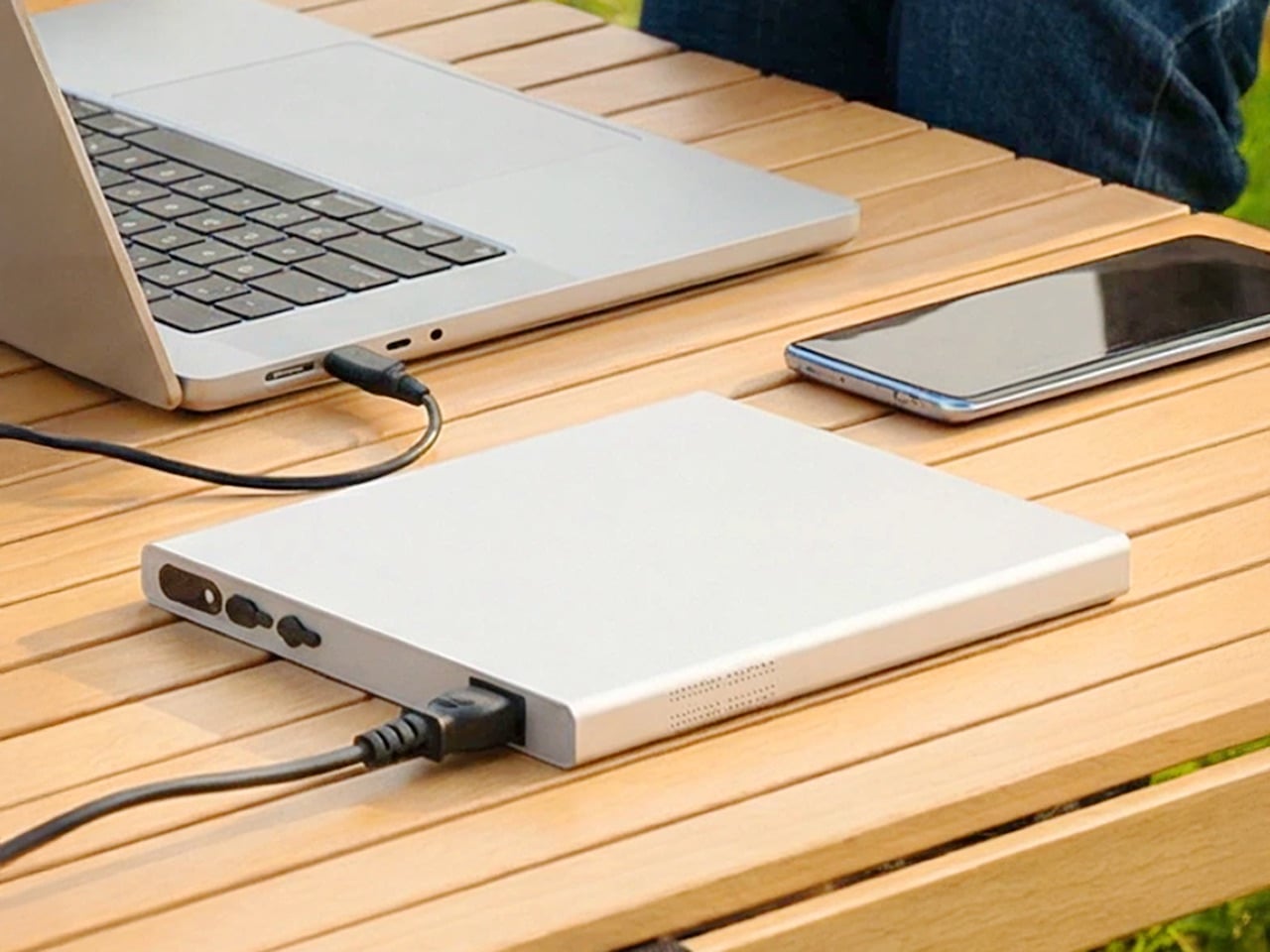
Digital nomads, field photographers, and mobile creatives share a common frustration: needing wall outlet power in places that don’t have walls. USB power banks handle phones and tablets, but cameras, projectors, and portable monitors still demand actual AC power. The world’s slimmest AC power bank exists because someone finally asked the right question: why do portable power stations look like car batteries instead of something you’d actually pack? The Noomdot N1 brings 70W of pure sine wave AC output to a device thin enough to slip into the laptop sleeve of a standard backpack.

At 16mm thick, it’s built around portability rather than maximum runtime. The semi-solid-state battery delivers approximately 40 minutes of continuous output at full 70W load, or several hours for lower-draw devices like LED lights or camera batteries. That’s not camping-weekend capacity, it’s designed for day trips, flights, and situations where outlets exist but aren’t convenient. The unit stays flight-safe under 100Wh limits, recharges in 90 minutes, and includes both USB-C PD output and pass-through charging. It’s live on Kickstarter at early pricing before the $259 retail launch.

Designer: PB-ELE

Click Here to Buy Now: $169 $259 ($90 off) Hurry! Only 17 of 200 left.

Years ago, a company called Memobottle had a brilliant, simple idea: since our bags are full of flat things like books and laptops, why are our water bottles round? The Noomdot N1 is the Memobottle of portable power, born from that same flash of spatial intelligence. It abandons the dense, pocket-bulging brick in favor of a slim slab of milled aluminum designed to slide into the forgotten spaces of a laptop sleeve or document pouch. This design is not an aesthetic choice; it is a fundamental understanding of the modern carry ecosystem. The N1 is engineered to be a good citizen in a world of flat devices, integrating seamlessly rather than demanding you build your bag around its awkward shape.

The use of a semi-solid-state battery is what enables this form factor without compromising on safety or longevity. While not a true solid-state cell, this hybrid chemistry significantly reduces the amount of volatile liquid electrolyte, leading to better thermal stability and a much slower rate of degradation. The claim of retaining 99% capacity after 100 full charge cycles is a direct benefit of this technology. For anyone who has felt the disappointment of a lithium-ion pack that barely holds a charge after a year, this focus on durability is a welcome and practical innovation. It reframes the device as a lasting piece of essential kit.

The main event is, of course, the 70W AC outlet. Its pure sine wave inverter is the kind of detail that professionals appreciate, ensuring clean, stable power that will not harm sensitive electronics. This is what separates it from cheaper, modified sine wave alternatives that can introduce electrical noise or even damage delicate circuits in cameras and audio gear. The inclusion of a 60W USB-C PD port is a nod to modern workflows, allowing it to charge a laptop directly or be slowly recharged itself. For a quick turnaround, the dedicated DC input remains king, refueling the entire 20,000mAh capacity in a scant 90 minutes.

Packing an inverter into a 16mm-thin chassis is a thermal challenge, and the N1 addresses this with a feature I’ve never seen in a power bank: an active cooling fan. An internal 6000 RPM fan kicks in during AC output to pull heat away from the core components, ensuring the device can sustain its peak performance without overheating. It is a pragmatic, if slightly brute-force, solution. The tradeoff is acoustics. While the fan is likely tuned to be as quiet as possible, it will not be silent… but that’s honestly a tiny price to pay for running a bunch of appliances or charging gadgets off a ‘wall-less power outlet’.

The N1 is a tool for a very specific mission: bridging the gap when AC power is needed for a short, critical period. It is for the wedding photographer who needs to juice up strobe batteries between the ceremony and reception. It is for the consultant who needs to run a projector for a 30-minute pitch in a conference room with no available outlets. Its 40-minute runtime at maximum load defines its purpose clearly. This is not an off-grid power solution for a weekend in the woods; it is a mobile professional’s get-out-of-jail-free card, ensuring a dead battery never becomes a single point of failure.

An IPX4 rating means it can shrug off a sudden rain shower, and passing a 1-meter drop test suggests it can survive being fumbled out of a backpack. These are not features one typically finds on power banks, and they speak to an understanding of the chaotic nature of travel and fieldwork. Combined with its TSA-friendly sub-100Wh capacity, the N1 is one of the few AC power sources truly designed from the ground up to leave the house and see the world, legally and safely.

You get to choose between two variants – 110V and 220V (depending on the country you live in and the rated voltage its appliances operate on). The Noomdot N1 ships along with a DC adapter for charging it, at a fairly discounted price of $169 ($90 less than its MSRP of $259). The device ships globally starting May 2026.

Click Here to Buy Now: $169 $259 ($90 off) Hurry! Only 17 of 200 left.

The post World’s Slimmest AC Power Bank Can Run Appliances And Charge Your Laptop At Just 0.6 Inches Thick first appeared on Yanko Design.

This Steppe Visitor Center Treats a Volcano as Landscape, Not Landmark

Par : Tanvi Joshi
2 février 2026 à 00:30

On the southern edge of the Xilingol Steppe in northern China, architecture does not arrive as an interruption. It emerges as a continuation of the land itself. The Volcano In Visitor Center by PLAT ASIA is embedded within the geological structure of a C-shaped extinct volcano formed nearly 150,000 years ago during the Pleistocene Epoch. Here, design is guided not by monumentality, but by a careful negotiation with time, terrain, and climate, framing architecture as co-growth rather than construction.

Completed in December 2025 as part of the first phase of the Baiyinkulun Steppe and Volcano Tourism Resort, the project occupies a rare and expansive geological context. The Baiyinkulun Steppe and Volcano Area is home to 108 volcanoes and lies approximately 380 kilometers north of Tiananmen Square. The surrounding landscape is a mosaic of ecosystems, including wetlands, forests, lakes, open steppe, sandy land, and seasonal snowfields, where environmental fragility and vast scale exist side by side.

Designer: PLAT ASIA

PLAT ASIA began working in the region in 2021, when early site surveys revealed a large excavated area to the west of the volcanic cone. Exposed for nearly a decade, this disturbed ground had become vulnerable to erosion. Rather than expanding into untouched terrain, the architects deliberately chose to build on this damaged site, using architecture as a stabilizing presence. The visitor center thus becomes part of a broader ecological strategy, limiting further impact while supporting long-term landscape recovery.

Formally, the volcano itself becomes the primary design reference. The architecture follows the existing topography through a continuous curved roof and three circular volumes positioned at different elevations. Together, these elements trace a conical silhouette that echoes the geometry of the volcanic landform. A winding corridor measuring 274 meters connects the volumes into a continuous loop, guiding visitors around the volcanic ash ring. Movement is central to the experience. The project is designed to be walked, circled, and gradually revealed.

As visitors move along the roof corridor, expansive views unfold toward the surrounding steppe, sandy land, lakes, and neighboring volcanoes. In contrast, inward-facing spaces form a crater-like enclosure that houses the program, including visitor services, a cafe, a bookstore, exhibition spaces, administrative offices, and a restaurant. This spatial rhythm shifts between openness and enclosure, mirroring the volcanic landscape itself.

Outdoor spaces are seamlessly integrated into the architectural layout. A visitor service courtyard accommodates temporary events such as art fairs, while an open square between the exhibition and restaurant volumes functions as an outdoor theater. Eco bleachers embedded into the eastern slope provide seating oriented toward both the roof structure and the wider landscape, reinforcing architecture as a viewing framework rather than an isolated object.

Climate plays a defining role in shaping the project. The region experiences a temperate continental climate with strong winds and heavy snowdrifts in winter and spring. Temperatures can drop as low as- 43 degrees Celsius. The building’s curved profile reduces wind pressure and shear forces, while extended roof eaves protect outdoor spaces from snow accumulation and frame expansive views of the steppe. Weather-resistant metal panel cladding improves thermal performance, while glass curtain walls reflect the volcanic terrain and maintain visual continuity between interior and exterior spaces.

Material choices further ground the project in its context. Locally sourced volcanic stone is used across the site to define pathways and public squares through thin stone slabs laid close to the ground. Weathering steel platforms are embedded directly into the terrain, allowing the architecture to age alongside the landscape over time.

Rather than asserting itself as a singular landmark, the Volcano In Visitor Center establishes a spatial framework that responds to geology, climate, and movement. It positions architecture as a restrained extension of the volcanic environment, inviting exploration while preserving a deep and lasting connection between people and the ancient ground beneath their feet.

The post This Steppe Visitor Center Treats a Volcano as Landscape, Not Landmark first appeared on Yanko Design.

The Case for Heirloom Furniture in an Era Obsessed With Biodegradable Everything

Par : Sarang Sheth
1 février 2026 à 23:30

Joe Doucet has always been good at saying uncomfortable things politely. His latest provocation, delivered via Columns, a furniture collection with Bulgarian studio Oublier, is that the design industry’s obsession with biodegradable materials might be missing the point entirely. Furniture made from mycelium or algae can decompose in five years, sure, but a well-made antique armoire outlives empires because no one throws it away. Columns takes that logic seriously. Handcrafted in solid oak, natural leather, and horsehair, the pieces are built to last a thousand years, which sounds like marketing hyperbole until you look at the joinery, the hand stitching, and the material choices. This is furniture designed to be inherited, repaired, and remembered.

Oublier, a studio that typically explores forgetting as a cultural and creative act, seems like an odd partner for a project about permanence. But the contradiction makes sense once you see the work. The collection’s name refers to its columnar bases, two cylinders of oak laid horizontally and bridged by a continuous leather top. There are no fashionable details to anchor it to a specific decade, no finishes that will look dated in ten years. The form is so spare it borders on austere, which may be the entire strategy. If sustainability is about what we keep rather than what we compost, then the object has to earn its place across generations. Columns bets on clarity, craft, and a very patient understanding of time.

Designers: Joe Doucet X Oublier

Looking at the piece itself, the argument becomes tangible. The form is elemental, almost architectural, with the two solid oak drums giving it a grounded, permanent presence. The leather top is stretched over this base with a continuous curve, and the hand stitching along the perimeter is left visible. This small detail is a critical part of the story, acting as a quiet signal of human labor and future repairability. It suggests the piece can be opened, its horsehair padding refreshed, and its leather resewn a century from now. There is a thoughtful honesty in showing the construction, which reinforces the idea that this is a working object, not a sealed artifact. It feels built to withstand use, not just admiration.

The choice of materials is a direct commitment to graceful aging. The solid oak is not a uniform, characterless surface; it has grain and life that will deepen over the decades. Similarly, the natural leather is intended to absorb the evidence of its existence, developing a rich patina from sunlight, touch, and time. This philosophy is the complete opposite of designing for pristine, showroom condition. Instead, Columns proposes that wear is a form of beauty, that an object’s value increases as it accumulates a history. This approach redefines luxury away from novelty and toward endurance, suggesting that the ultimate premium is an object that improves with you.


What Doucet and Oublier have created is a subtle but firm critique of disposability. The project opines that true innovation might lie in looking backward, applying traditional techniques and durable materials to a clean, contemporary form. It challenges the prevailing notion that sustainability requires constant material invention and complex recycling systems. Instead, it offers a simpler, more profound solution: make things that last, and are simultaneously too good to throw away. Columns proposes that the most responsible act of consumption is to buy something once and keep it for a lifetime, passing it on as a functional heirloom rather than a problem for a landfill.

The post The Case for Heirloom Furniture in an Era Obsessed With Biodegradable Everything first appeared on Yanko Design.

Mummy-inspired Paper Towel Holder looks like a Scooby Doo villain brought to your kitchen

Par : Tanvi Joshi
1 février 2026 à 21:45

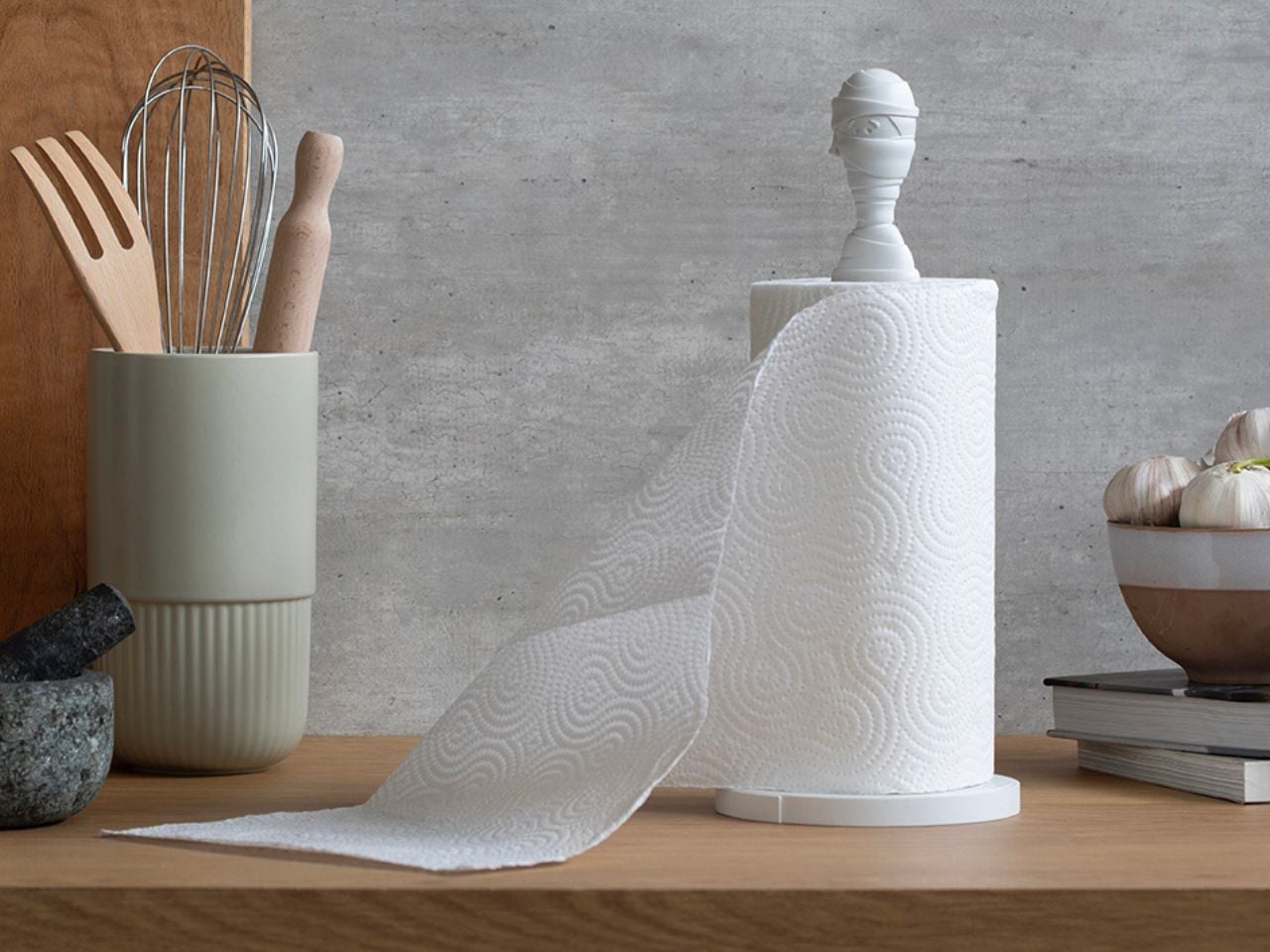
Tangled Joe is a paper towel holder that refuses to be just another kitchen accessory. Designed like a charmingly tangled mummy, it brings a strong sense of personality, humor, and visual delight into everyday spaces while still delivering excellent functionality. What could have been a purely utilitarian object instead becomes a character-driven design piece that instantly adds life to a countertop, shelf, or dining area.

The form of Tangled Joe is where the design truly shines. The mummy’s wrapped body flows naturally in circular layers, echoing the way paper towels themselves are rolled around the stand. This thoughtful alignment between form and function makes the design feel cohesive and intentional. Rather than simply holding a roll in place, the mummy appears to actively engage with it, as if it is part of the object’s story. The result is playful, clever, and visually satisfying from every angle.

Designer: PELEG DESIGN

Click Here to Buy Now

Made of durable plastic, Tangled Joe is both sturdy and lightweight, striking a balance that makes it practical for everyday use. One of its most intuitive features is the mummy’s head that extends above the paper towel roll. This detail is not only expressive and fun, but also highly ergonomic. It creates a natural grip point, allowing the stand to be lifted and moved easily with one hand, especially useful during busy moments in the kitchen.

Beyond usability, Tangled Joe adds undeniable character to a space. It fits beautifully into interiors that embrace dark, spooky, or quirky aesthetics, yet it never feels over the top. Instead, it feels playful and confident, making it a great conversation starter. It transforms the act of cleaning up into something a little more enjoyable, reminding users that good design can bring joy into even the smallest routines.

A standout aspect of Tangled Joe is how complete it feels, even without a paper towel roll. When empty, it does not look unfinished or purely functional. Instead, it reads as a sculptural object, almost like a small figurine or design showpiece. This makes it ideal for design-conscious homes where every object is expected to contribute visually, not just practically.

The clean white color further enhances its versatility. While the mummy form introduces a spooky twist, the neutral tone allows Tangled Joe to blend effortlessly into a wide range of interior styles. It works just as well in minimal and modern kitchens as it does in playful, eclectic, or themed spaces, making it easy to style without overpowering its surroundings.

Functionally, Tangled Joe is designed with flexibility in mind. It can accommodate two different sizes of kitchen paper towels instead of being restricted to a single fixed size. It can also hold two toilet rolls at once, expanding its usefulness beyond the kitchen and into bathrooms or studio spaces.

Overall, Tangled Joe is a thoughtful blend of function, humor, and design. It proves that everyday objects do not have to fade into the background. By adding character, adaptability, and ergonomic intelligence, this mummy-inspired paper towel holder turns routine cleanup into a small but delightful design experience.

Click Here to Buy Now

The post Mummy-inspired Paper Towel Holder looks like a Scooby Doo villain brought to your kitchen first appeared on Yanko Design.

This LEGO Furby 30th Anniversary Build Comes With Working Eyes and a Secret Agent Hidden in Its Head

Par : Sarang Sheth
1 février 2026 à 20:15

The Furby didn’t just sell 40 million units in its first three years. It created genuine paranoia. Parents whispered about hidden microphones. The NSA had to issue actual statements denying that these fuzzy toys were surveillance devices. Kids would wake up to unprompted Furbish babbling at 3 AM and wonder if their electronic pet had become sentient. Twenty-eight years later, those kids are adults, and one of them just submitted a 1,700-piece LEGO version to Ideas that’s already earned a Staff Pick designation.

Rancor1138’s Furby 30th Anniversary build stands nearly 19 inches tall in classic black and white, complete with working eyelids, articulated ears, and a movable mouth. The back panel opens to reveal the interior, where two Easter eggs wait. One is a brick-built heart, representing what Furbys were supposed to be. The other is a man in black hiding in the head, recording device in hand, representing what everyone feared they actually were. Both are perfect.

Designer: Rancor1138

The build uses helmet pieces from the buildable Buzz Lightyear sets for those opening eyelids, which captures the curved geometry needed even though they’re not available in black yet. Technic ball joints handle the ear articulation, giving them the full range of motion that made Furbys so expressive. The movable mouth works without gearing or complex mechanisms, keeping the design producible. At 46.6 centimeters tall with ears extended and 22.1 centimeters wide, this thing commands shelf space the way the original commanded attention in toy aisles. The 1,700-piece count puts it in the same territory as LEGO’s typewriter or piano, the kind of weekend project that adult collectors actually want to spend time on rather than snap together in an evening.

Tiger Electronics owns the Furby trademark, but this color scheme reads as “generic Furby” in a way that could survive legal review. You see those colors and ear shapes from across a room and your brain fills in the rest without needing specific commercial variants. The decision to include both the heart and the surveillance agent creates tension that reflects how people actually experienced these toys. They were supposed to be companions. They became sources of low-grade technological anxiety. Both truths exist simultaneously, and hiding them inside the build where you have to open the back panel to see them turns the discovery into a reveal rather than a punchline.

Rancor1138’s child developed an obsession with Y2K electronic toys despite being born decades after they mattered, which prompted the designer to build a LEGO version of the toy as a gift for their kid. The build went through three or four versions before landing to what we see now, and LEGO does have a tendency to tweak MOCs (My Own Creations) further before officially launching them, but this one absolutely needs no changing.

So why make a LEGO Furby in 2026 beyond just the fact that your child loves them? Well, Furby’s 30th anniversary hits in 2028, giving LEGO a marketing angle if this clears the Ideas review process. At 1,700 pieces, the probable price point lands somewhere between $170 and $220 based on how LEGO has priced recent Ideas sets. That positions it as a serious display piece for collectors who remember the original phenomenon and want something substantial to build, not an impulse grab for casual fans.

The man in black sitting inside the Furby’s head with recording equipment directly references conspiracy theories that required actual NSA clarification in 1999. These toys couldn’t record speech despite widespread belief otherwise, which feels simultaneously ridiculous and prescient given the smart speaker landscape two decades later. The heart in the chest cavity provides counterweight, acknowledging that underneath the paranoia these were designed to be loved. Both elements work because they’re physically integrated rather than existing as external commentary. Open the back panel and there they are, permanent features that reward closer inspection.

LEGO Ideas runs on a voting system where submissions need 10,000 supporters to enter review for possible production. This Furby currently sits at 2,622 votes with 563 days left to hit the next 5,000 milestone. The platform has produced genuinely strong sets over the years, proving community-driven design can match LEGO’s internal development when the right projects get traction. Anyone wanting to see this become an actual purchasable set needs to head over to the LEGO Ideas website and vote. The Furby deserves to exist as more than a digital render and some studio photos, if only because that man in black Easter egg is too good to stay conceptual.

The post This LEGO Furby 30th Anniversary Build Comes With Working Eyes and a Secret Agent Hidden in Its Head first appeared on Yanko Design.

Realme 16: 7,000mAh battery, iPhone Air ‘inspired’ design, 3-lens camera and a rear selfie mirror

Par : Sarang Sheth
1 février 2026 à 18:20

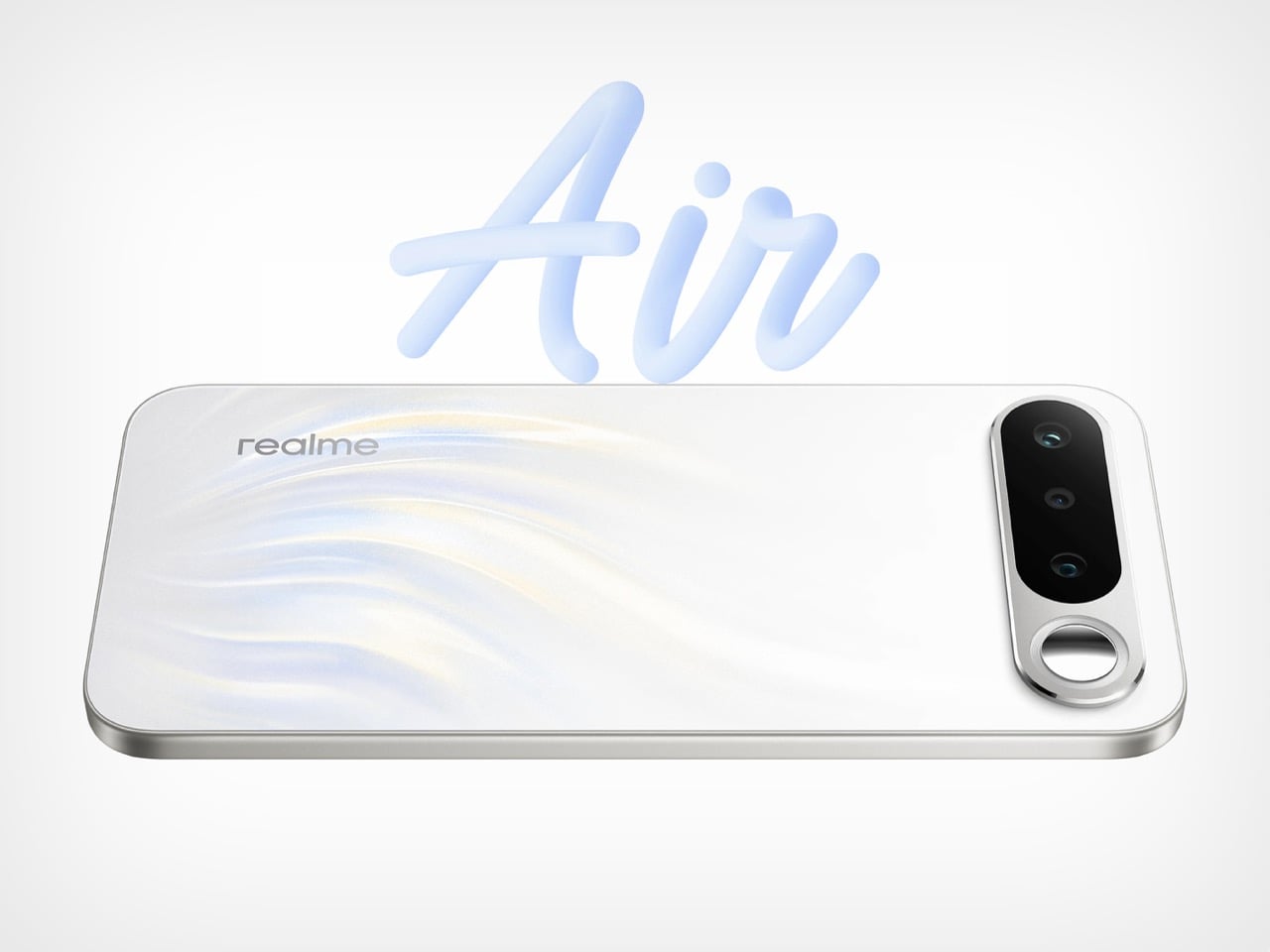
The horizontal camera bar has officially become the design language of 2025-2026, and Realme just joined the party with the Realme 16. Five months after Apple’s iPhone Air established the aesthetic last September, here comes a mid-range contender wearing the same silhouette like a fashion trend that jumped from runway to high street. The visor-style execution skews closer to Honor’s Magic8 Pro Air, complete with that clean horizontal sweep across the top of the phone. But Realme threw in a wild card: a circular selfie mirror embedded right in the camera module, encircled by a halo flash that adds theatrical flair to an otherwise familiar design.

Calling this phone “Air” anything requires some creative interpretation. The iPhone Air sits at 5.6mm thin, Honor’s version checks in at 6.1mm, and the Realme 16 lands at 8.1mm. That’s practically chunky by comparison, though the 7,000mAh battery inside explains the extra millimeters. At 183 grams, it still feels reasonable in hand despite housing enough power to outlast most flagships by a full day. The mirror feature positions itself as functional, giving you a way to frame selfies using the superior 50MP rear camera instead of the standard front sensor. Whether anyone actually uses it beyond the first Instagram story is the real test.

Designer: Realme

What’s more interesting than the mirror is the engineering required to make it all work. Squeezing a 7,000mAh battery into a body this manageable is no small feat, and it points to some clever internal packaging, what Realme calls an “Aircraft Structure layout” using high-density graphite battery tech. This is the kind of practical innovation that matters in the mid-range space, where two-day battery life is a legitimate killer feature. They even managed to secure an IP66, IP68, and IP69K rating, which means it’s protected against everything from dust to high-pressure water jets. That’s a level of durability you just don’t expect to see on a phone that isn’t a ruggedized brick.

The rest of the package is solidly mid-range. It’s running on a MediaTek Dimensity 6400 Turbo chipset, which is more than capable of keeping things running smoothly on the 6.57-inch AMOLED display. That screen, by the way, boasts a 120Hz refresh rate and an incredibly bright 4,500-nit peak brightness, so it should be perfectly visible even in direct sunlight. The camera system is led by that 50MP Sony IMX852 sensor with OIS, a very respectable piece of hardware for this segment, and it’s paired with a simple 2MP monochrome lens.

So, was the “Air” moniker really necessary? It feels like a stretch when the phone is 1.5x as thick as the devices it’s mimicking. And you have to wonder how much actual design work went into the chassis itself. The silhouette is pure iPhone Air, the camera plateau is straight from Honor’s playbook. Did Realme’s team just slap a mirror on a composite of last season’s hits and call it a day? Maybe. But for a mid-range phone with this much battery, maybe that’s all it needs to be. At its price tag, perhaps nobody minds a design that feels ‘inspired’ as long as it looks the part and lasts for two days.

The post Realme 16: 7,000mAh battery, iPhone Air ‘inspired’ design, 3-lens camera and a rear selfie mirror first appeared on Yanko Design.

This $175 Bike Stand Finally Solved Our Garage Storage Mess

Par : Ida Torres
1 février 2026 à 16:23

If you own a bike, you’ve probably played the garage Tetris game at least once. You know the drill: your bike leans against a wall, falls over at 2 AM with a crash, or blocks the path to literally everything else you need. It’s the kind of everyday design problem that makes you wonder why nobody’s come up with something better.

Well, someone finally has. British industrial designer George Laight created the Flip, a freestanding bike stand that’s so cleverly designed, it makes you question why we’ve been settling for wall hooks and pulley systems all this time.

Designer: George Laight for BikeStow

The origin story is pretty relatable. Laight was studying Product Design Engineering at Loughborough University when he hit a wall, literally and figuratively. He had a bike and a tiny student flat with a strict no-holes-in-the-walls policy. Vertical storage made the most sense for his cramped space, but he couldn’t use traditional wall-mounted solutions without losing his security deposit. So he did what any frustrated design student would do: he invented his own solution.

The Flip is essentially a portable bike stand with wheels that lets you store your bike vertically or horizontally, depending on what works for your space. The genius is in its flexibility. Unlike fixed storage solutions that require you to commit a specific area of your garage or apartment to bike storage forever, the Flip rolls around wherever you need it. Cleaning out the garage? Wheel it aside. Reorganizing your storage shed? Move it in seconds. It’s bike storage that adapts to your life instead of demanding you work around it.

Here’s how it works: you roll your bike into the stand while it’s in the horizontal position, then rotate it upright if you want vertical storage. There’s a slider mechanism that locks the bike in place, keeping it stable in either orientation. The wheels on the base make maneuvering surprisingly easy, even in tight spaces. And when you’re not using it at all, the entire stand folds flat for storage.

That last feature is particularly brilliant for anyone dealing with limited space. Heading out on a bike trip and your bike won’t be home for a week? Fold the stand flat and tuck it away. Living in a city apartment where every square foot counts? Same deal. The Flip essentially disappears when you don’t need it, which is more than you can say for permanent wall hooks or ceiling-mounted systems.

The stand is made from plywood, giving it a clean, modern aesthetic that doesn’t look out of place in contemporary homes. Customer reviews consistently mention that it’s attractive enough to display openly, whether you’re storing your bike in a hallway, office, or living space. One reviewer specifically noted that they’re “more than happy to have it on display in the office, with or without a bike in it.”

The Flip works with pretty much any bike you throw at it: road bikes, mountain bikes, electric bikes, even fat bikes with tires up to five inches wide. Multiple stands can be nested close together if you’ve got a household with several bikes, creating an organized parking area that doesn’t devolve into the usual tangled-handlebars chaos.

At around $175, it’s not the cheapest bike storage option out there, but it’s also significantly more versatile than a basic wall hook. BikeStow backs it with a two-year warranty and includes a custom Restrap securing strap to keep your bike stable. Customer ratings sit at a perfect five stars, with reviewers praising both its functionality and build quality.

Most bike storage solutions fall into two categories: cheap and flimsy, or expensive and permanent. The Flip occupies an interesting middle ground. It’s well-made and thoughtfully designed, but it doesn’t require you to drill holes in your walls or dedicate a chunk of your home to bike storage forever. It’s the kind of practical, human-centered design that solves a real problem without creating new ones.

For anyone tired of tripping over their bike or playing storage Tetris every time they need garage space, the Flip offers a refreshingly simple solution. Sometimes the best designs aren’t revolutionary, they just make everyday life a little bit easier.

The post This $175 Bike Stand Finally Solved Our Garage Storage Mess first appeared on Yanko Design.

When Your Speaker Is Also a Statement: The Tresound Mini

Par : Ida Torres
1 février 2026 à 14:20

Sometimes the best tech isn’t the loudest. It’s the one that makes you pause and actually look at it before you press play. That’s what designers Yong Cao and Jianfeng Lv have managed to pull off with the Tresound Mini, a desktop Bluetooth speaker that refuses to be just another black box on your desk.

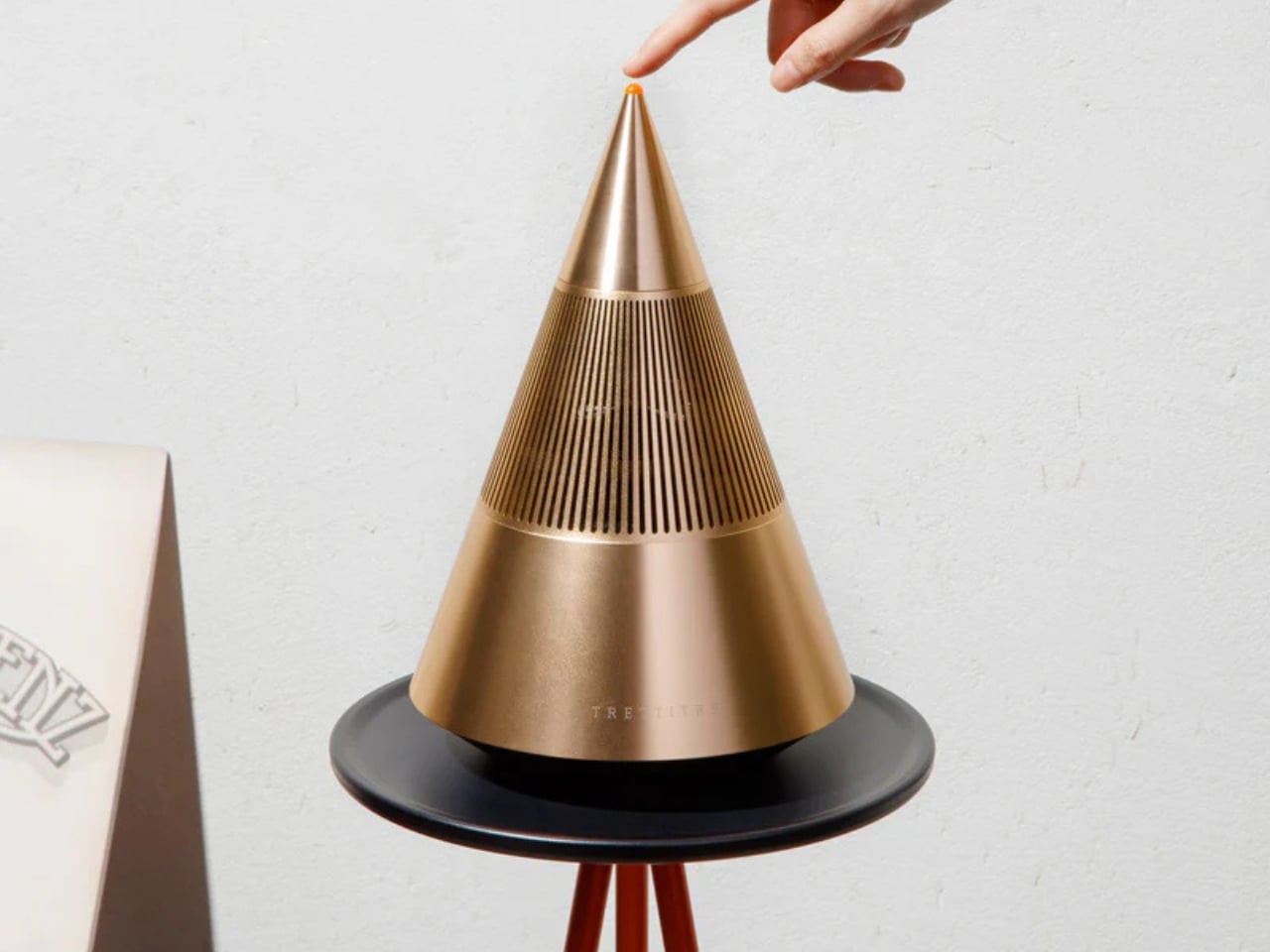
At first glance, this compact speaker looks like it wandered in from a modern art gallery. Its cone-shaped design is clean, almost architectural, with a minimalist aesthetic that feels intentional without being precious about it. The form isn’t just for show, either. TRETTITRE, the emerging HiFi brand behind the speaker, describes itself as bridging traditional audio quality with something more forward-thinking, and you can see that philosophy at work here.

Designers: Yong Cao and Jianfeng Lv

The Tresound Mini recently won the Golden A’ Design Award in the Audio and Sound Equipment Design category, which is one of those achievements that signals serious design cred. But awards aside, what makes this speaker interesting is how it thinks about the desktop experience differently. Instead of trying to dominate your workspace with aggressive angles or flashy lights, it takes a more refined approach. The design integrates seamlessly into your environment, whether that’s a home office setup, a creative studio, or just a corner of your apartment where you actually get things done.

Art Director Yong Cao and Designer Jianfeng Lv, both from China, approached this project with a focus on what they call the “deep integration of brand design and product design”. That sounds like design speak, but what it really means is that every element serves a purpose. The cone shape isn’t arbitrary. It contributes to the audio performance while also giving the speaker a distinctive profile that stands out without screaming for attention. It’s the kind of design that works equally well in a carefully curated Instagram photo or just sitting there doing its job.

Let’s talk about the packaging, because this is where things get genuinely clever. Instead of going with the typical cardboard box and foam inserts, the Tresound Mini comes with a carrying bag that’s wet-pressed from bamboo fiber pulp. This isn’t just packaging in the traditional sense. It’s designed to double as a carrying case, making the speaker genuinely portable. The bamboo fiber approach is both environmentally friendly and cost-effective, reducing packaging waste while providing actual protection for the product. It’s the kind of thoughtful detail that shows someone was actually thinking about the full lifecycle of the product, not just the unboxing moment.

The portability factor is key here. Desktop speakers traditionally live in one spot, tethered to your workspace. But the Tresound Mini was designed with the understanding that people move around now. You might want it on your desk in the morning, out on a balcony in the afternoon, or in your kitchen while you’re cooking dinner. The compact size and that bamboo fiber carrying bag make that kind of flexibility possible.

TRETTITRE positions itself as catering to “the new generation of HiFi enthusiasts”, which is a smart read of where audio culture is heading. There’s a growing audience that cares about sound quality but doesn’t want to sacrifice design or deal with the bulk and complexity of traditional HiFi setups. They want something that sounds good, looks intentional, and fits into spaces that might not have room for a full speaker system. The Tresound Mini seems built specifically for that demographic.

What’s interesting about this design is how it challenges the assumption that good audio equipment needs to look technical or industrial. There’s no display screen, no visible screws, no aggressive branding. Just a clean geometric form that happens to deliver quality sound. It’s the audio equivalent of those minimal tech accessories that proved you don’t need to sacrifice aesthetics for function.

The success of the Tresound Mini might signal a broader shift in how we think about desktop audio. As more people work from home or create hybrid living and working spaces, there’s an appetite for products that perform well without dominating the visual landscape. We want our tech to be good at what it does, but we also want it to feel like it belongs in our actual lives, not in a showroom.

Yong Cao and Jianfeng Lv have created something that manages to be both functional and thoughtful. The Tresound Mini proves that when you approach product design with real consideration for how people actually use things, you can create something that transcends its basic function and becomes worth talking about.

The post When Your Speaker Is Also a Statement: The Tresound Mini first appeared on Yanko Design.

5 Smart Lighting Trends That Just Made Traditional Fixtures Look Outdated

1 février 2026 à 12:40

Lighting Design in 2026 has shifted from a background utility to an emotional design language, influencing how spaces are experienced while shaping atmosphere, flow, and everyday comfort. Today, light works quietly in the background, adapting to your routines, responding to natural rhythms, and enhancing your experience of home.

Rather than acting as a static fixture, lighting now plays an active role in creating atmosphere. Soft transitions, layered illumination, and nature-inspired tones help interiors feel calmer, warmer, and more connected to the outside world. Whether you are unwinding after a long day or starting your morning, let’s decode how 2026’s lighting trends support the emotional flow of your space, making the home feel less like a structure and more like a living, responsive environment.

1. Invisible Smart Lighting

In 2026, the most advanced lighting systems are designed to blend effortlessly into your space. Powered by Ambient Intelligence, they use sensors and AI to adjust brightness and tone based on occupancy, daylight levels, and your daily routines. Instead of relying on switches, light flows naturally from one area to another, subtly guiding movement and defining zones without drawing attention to the technology behind it.

This approach focuses on supporting your body’s natural rhythms. Predictive dimming and gentle colour shifts mirror the changing quality of daylight, helping you feel more alert during the day and relaxed in the evening. By working in sync with your internal clock, lighting becomes an invisible wellness tool that improves comfort, focus, and overall quality of living.

This AI-assisted ceiling light illuminates the lives of the elderly while monitoring their safety

AI-enabled lighting systems for elderly care combine illumination with continuous health and safety monitoring. Integrated sensors and computer vision allow the lamp to detect falls, unusual movement patterns, and prolonged inactivity, while also tracking indicators such as respiration and coughing. Advanced algorithms analyse behaviour over time to predict potential risks before accidents occur. When an incident is detected, the system automatically alerts designated caregivers or emergency contacts, enabling faster response and reducing the severity of injury through timely intervention.

Designed to function as a standard household lamp, this technology integrates seamlessly into residential interiors without appearing medical or intrusive. The familiar form factor encourages acceptance while delivering round-the-clock support through a single device. With low heat emission, energy-efficient LEDs, and autonomous operation, AI lighting solutions provide a scalable approach to assisted living. By combining safety, monitoring, and illumination in one product, these systems offer a practical way to support independent ageing while maintaining comfort, privacy, and dignity.

2. Sculptural Light Forms

Lighting fixtures are increasingly treated as architectural features rather than background utilities. Instead of relying on scattered recessed ceiling lights, spaces now favour bold, sculptural pieces that visually anchor the room. These luminaires are appreciated for their authentic materials, including hand-blown recycled glass, alabaster, and bio-based composites, which add depth and softness while creating a gentle, diffused glow.

Beyond function, such fixtures shape how you perceive space. A large pendant naturally draws the eye, balancing volume and form while adding a sense of rhythm to the interior. Light becomes a focal point that connects design with atmosphere, creating rooms that feel considered, expressive, and emotionally engaging.

The Arc Lamp by designer Divyansh Tripathi is defined by a single bent wooden arm that curves gracefully to support a suspended light source, creating a strong sculptural identity. The continuous arc forms a balanced structure that distributes weight evenly while guiding the eye from base to bulb. This fluid geometry gives the lamp a sense of motion, turning a functional object into a visual centrepiece suitable for display as much as daily use. The suspended bulb is positioned to provide soft ambient illumination while reducing direct glare.

Material choice is central to the lamp’s character and performance. Bent timber introduces warmth, tactile depth, and visible grain patterns that make each piece visually distinct. Finished with protective natural coatings, the wood maintains its organic appearance while ensuring durability. Paired with a low-profile LED bulb, the lamp delivers even, diffused light that enhances surrounding textures without overpowering the space. Its minimal structure allows it to integrate across interior styles, functioning as a lighting solution and a collectible design object.

3. Honest Sustainable Materials

Lighting design now places strong emphasis on the full life cycle of a fixture, not just its appearance. You see a growing focus on low-impact production, modular construction, and upgradable LED components that extend usability rather than encouraging replacement. Materials such as repurposed mycelium, salt crystals, and recycled composites are no longer experimental choices but trusted options for those who value responsible design.

This shift brings both ethical and practical benefits. Durable construction and adaptable technology mean fixtures last longer and age more gracefully. When materials are chosen for integrity and longevity, lighting becomes more than décor as it becomes a lasting design investment, valued for craftsmanship and environmental responsibility rather than short-term trend appeal.

The Air suspension light by Contardi Lighting, designed in collaboration with Adam Tihany, is engineered to deliver soft, evenly distributed ambient illumination. Its dual-shade construction houses upper and lower LED light sources that spread light both upward and downward, improving overall spatial brightness while avoiding direct glare. Laser-cut detailing on the shades allows controlled light diffusion, creating subtle shadow patterns that add visual depth without reducing functional output. This configuration supports balanced lighting suitable for dining areas, lounges, and hospitality interiors.

Lighting efficiency is supported by the use of high-performance LED modules that maintain consistent colour temperature and stable light intensity over time. The shade material is designed to transmit and reflect light effectively, ensuring minimal loss while preserving a warm tonal quality. The integrated structure reduces the need for additional ambient fixtures, making the lamp suitable as a primary light source in medium-sized spaces.

4. Power of Shadow

Good lighting design recognises that darkness plays just as important a role as illumination. Instead of flooding every corner with brightness, subtractive lighting uses restraint to highlight key architectural features while allowing other areas to remain calm and visually quiet. This balance of light and shadow adds depth, especially in double-height or open-plan spaces, where contrast helps define structure and scale.

Techniques such as narrow-beam spotlights and subtle floor-level washes guide movement and create visual pauses. As you move through the home, light reveals selected moments rather than everything at once. The result feels intentional and layered, turning everyday interiors into curated, gallery-like environments instead of uniformly lit, commercial-looking spaces.

The Foreshadow Table Lamp is designed to transform direct illumination into patterned ambient light. Its perforated metal shade filters the light source into multiple fine beams, projecting structured shadows across nearby surfaces. This controlled diffusion adds visual depth while maintaining functional brightness for side tables, consoles, and accent lighting applications. The lighting effect varies depending on placement, surface finishes, and surrounding geometry, allowing the lamp to interact with its environment rather than delivering flat, uniform output.

Construction focuses on durability and tactile quality. The metal shade features precision-punched perforations that regulate light distribution while maintaining structural rigidity. The matte finish reduces surface glare and complements both contemporary and transitional interiors. When switched off, the lamp retains a clean, sculptural profile, functioning as a decorative object even without illumination. Designed to operate as a lighting fixture and an ambient feature, the Foreshadow Table Lamp provides atmospheric enhancement while remaining practical for everyday use.

5. Colour and Comfort

Modern lighting is closely linked to energy efficiency and indoor comfort. Advanced LED systems release very little heat, helping reduce strain on cooling and ventilation systems while keeping rooms comfortable throughout the day. This makes lighting an active part of managing how a space performs, not just how it looks.

At the same time, colour temperature is used to influence how warm or cool a room feels. You can shift from soft, golden tones during colder months to cooler, moonlit hues in warmer seasons, subtly shaping your emotional and physical response to the space. By adjusting light colour, interiors feel more adaptable, balanced, and supportive of everyday well-being.

The Wipro EcoLumi Flex is a modular lighting concept designed to function as a table lamp and a suspended ceiling fixture. Its adjustable structure allows users to modify height and angle through a simple twist mechanism, ensuring precise light placement for different tasks. A slidable shade enables directional control and glare reduction, improving visual comfort during focused work. Multiple units can be connected using integrated joints and connectors, allowing customised lighting layouts for desks, workstations, or collaborative spaces.

Lighting performance is enhanced through built-in circadian modes that automatically adjust brightness and colour temperature throughout the day. Warm tones support relaxed morning and evening use, while cooler light promotes alertness and productivity during peak work hours. The modular construction supports part replacement and future upgrades, reducing material waste and extending product lifespan.

Lighting is evolving into a true architectural philosophy in 2026, where atmosphere takes precedence over mere fixtures. Intelligent systems, sculptural forms, and sustainable materials work together to create spaces that are visually compelling.

The post 5 Smart Lighting Trends That Just Made Traditional Fixtures Look Outdated first appeared on Yanko Design.

Hier — 1 février 2026Techs Design

This 5-Inch “Video Business Card” Wants To Replace Your Stack Of Paper Cards

Par : Sarang Sheth
1 février 2026 à 02:45

Televisions used to be heavy boxes that dominated a room. Now, the latest LG and Samsung prototypes at CES 2026 look more like posters than TVs, with panels so slim they almost blend into the wall and bezels that seem to disappear when the screen lights up. These displays are no longer just appliances in the corner of a living room. They are becoming design elements that can live almost anywhere you might put a sheet of paper.

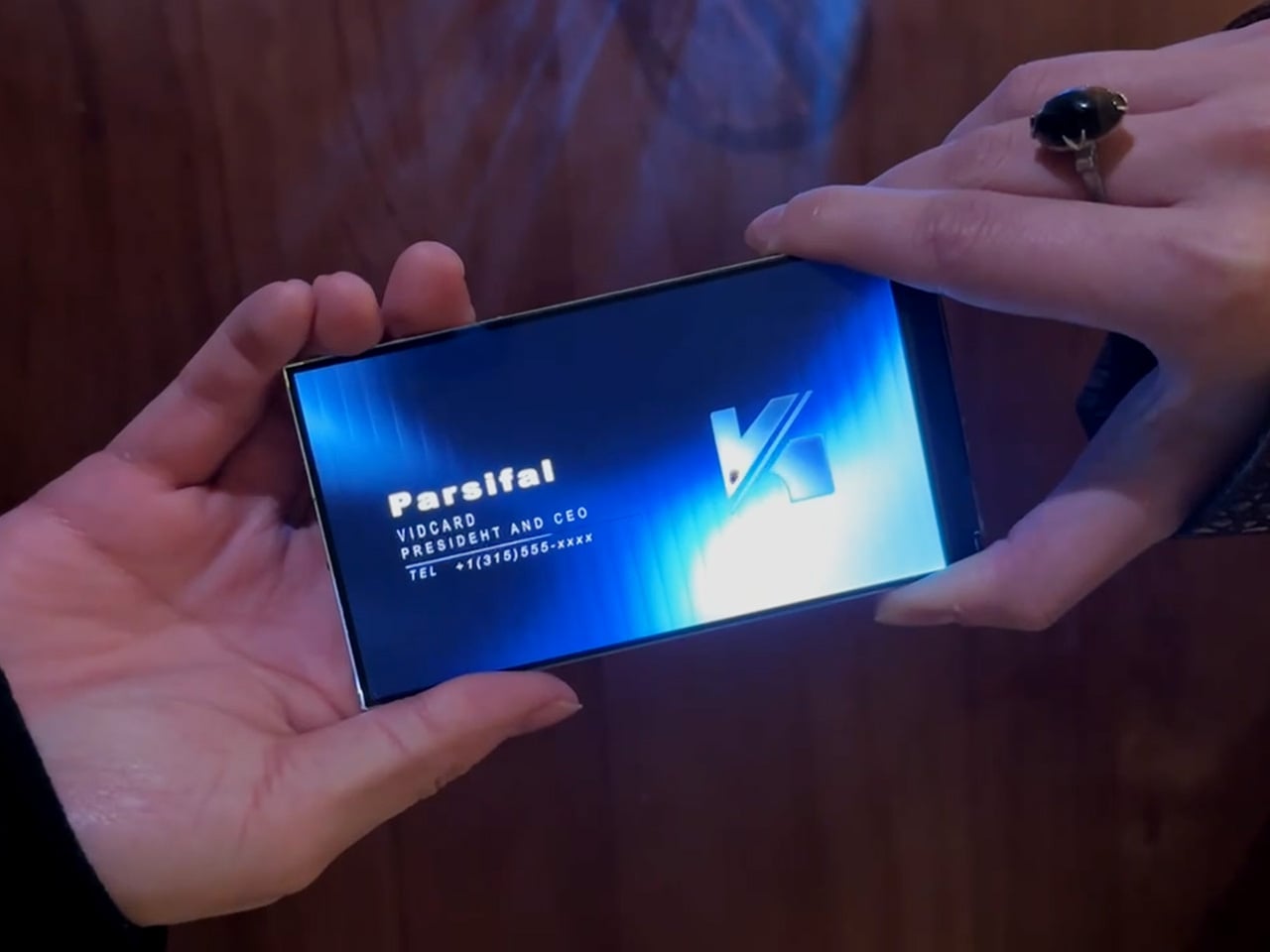
That shift makes it feel natural to ask a simple question: if screens can be this thin, why not put them where we have always relied on print? Business cards are a perfect example. They carry introductions, identity, and a first impression in a tiny rectangle. VidCard takes that same footprint and turns it into a living surface, transforming the familiar business card into a personal video introduction that plays in the palm of your hand.

Designer: Parsifal

Click Here to Buy Now: $59 $99 (40% off). Hurry, only a few left! Raised over $66,000.

VidCard is basically what it sounds like: a rigid card with a 5 inch, 1280×720 IPS LCD screen built in, playing a looping video of you introducing yourself or your brand motion graphic. The whole thing measures 120.05mm by 86.4mm, which puts it somewhere between a credit card and a small phone, and it’s under 5mm thick. That’s genuinely impressive when you remember there’s a battery, NFC chip, display controller, and 256MB of onboard storage packed inside. The card charges via contact pins, lasts about an hour of continuous playback (roughly 120 to 240 interactions per charge), and syncs content through a companion app on iOS or Android. You upload your intro video, it pushes to the card, and you’re set. The screen itself looks clean in the campaign photos and bright enough for indoor use.

The NFC feature sidesteps the whole “how do I actually save your contact info” problem. You tap the card against someone’s phone, and it pulls up your mobile optimized landing page with your video, company profile, documents, and whatever else you want to link. No app download required on their end, which makes sense because nobody wants to install something just to see your business card. Real time analytics track who viewed your profile, when they watched, how long they engaged, and if they came back for a second look. There’s a slightly dystopian charm to getting a notification at 11pm that someone just rewatched your intro for 87 seconds, but it does give you actual data to inform follow ups instead of wondering if your card got tossed in a drawer.

Here’s the thing, though. You know what else has a high resolution screen, NFC, internet connectivity, and can play video? The phone in your pocket. You could theoretically just show someone your intro video on your phone, tap for NFC sharing, and achieve most of the same result for zero additional hardware. VidCard’s counter to that is the physical artifact itself. Handing someone a glowing screen feels different than showing them your phone (besides, unlocking a phone, opening your gallery, and finding the right video can take painful minutes), and if you leave the card behind with a high value contact, it becomes a keepsake that lives on their desk instead of disappearing into a contacts list. That’s either brilliant or unnecessary depending on how much you value the showmanship in networking, although I genuinely can’t decide which camp I’m in.

The founders claim inspiration from Call of Duty: Advanced Warfare, where a character hands over a video business card inviting you to join a fictional military contractor. That’s a deeply nerdy origin story, and I respect it. VidCard works best in situations where you need to stand out in a sea of forgettable interactions: trade shows, high stakes sales meetings, investor pitches, creative industry networking where showing your work matters more than listing credentials. It’s overkill for casual meetups or industries where a LinkedIn connection does the job, but if you’re trying to leave an impression on someone who sees 50 people a day, a card that talks and moves will get you remembered. The real test is whether that memory translates to actual follow through, which the analytics dashboard is designed to help with by showing you who’s genuinely interested versus who just thought the card was neat.

VidCard is live on Kickstarter through February 5, 2026, with early bird pricing starting at $59 USD for a single unit, $162 USD for a three pack, and scaling up to $599 USD for a 10 unit business pack with bulk branding options. Estimated delivery is June 2026 for early backers, with standard shipments following through June 20. The campaign has already cleared its funding goal by a wide margin, which suggests the concept resonates with enough people that we may just end up seeing video or even holographic business cards in the not-so-distant future.

Click Here to Buy Now: $59 $99 (40% off). Hurry, only a few left! Raised over $66,000.

The post This 5-Inch “Video Business Card” Wants To Replace Your Stack Of Paper Cards first appeared on Yanko Design.

10 Best Japanese Stationery Items Under $100 Planners Obsess Over

1 février 2026 à 00:30

The stationery world has long looked to Japan for innovation, and planning enthusiasts know this better than anyone. Japanese design philosophy brings together minimalism, functionality, and thoughtful engineering to create tools that transform mundane tasks into moments of creative joy. These aren’t just accessories that sit pretty on your desk. They’re carefully crafted instruments that respect your workflow, elevate your planning rituals, and make every stroke of the pen feel intentional.

What separates Japanese stationery from the rest comes down to obsessive attention to detail and problem-solving that addresses friction you didn’t even know existed. The best pieces remove obstacles between your thoughts and the page, letting ideas flow without interruption. From clipboards that reinvent organization to pencils that never need sharpening, these ten items represent the pinnacle of accessible Japanese design. Each piece delivers exceptional value while staying comfortably under the $100 mark, proving that extraordinary craftsmanship doesn’t require a luxury price tag.

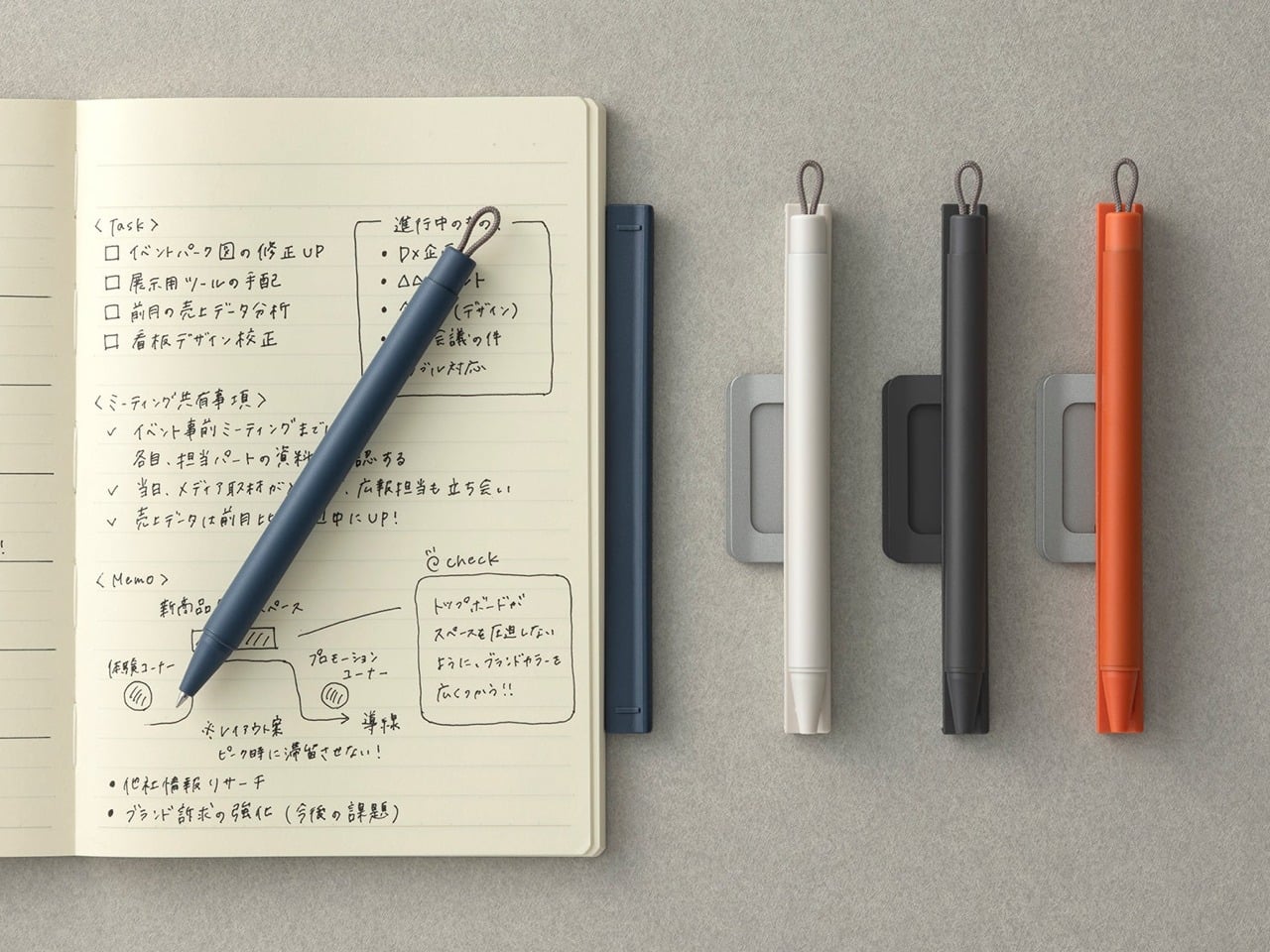
1. Inseparable Notebook Pen

Pens have a frustrating tendency to disappear precisely when inspiration strikes. The Inseparable Notebook Pen addresses this through elegant magnetic integration, designed specifically to blend seamlessly with your planning system. The minimalist form feels natural in your hand, with comfortable grip proportions and smooth ink flow that removes any friction between thought and page. The magnetic clip securely attaches to your notebook cover, ensuring the pen travels with your planning system as a permanent extension rather than a separate item you might forget.

The built-in silencer demonstrates the obsessive attention to detail that defines Japanese design excellence. Instead of the harsh click or scrape of metal on metal, attaching and detaching the pen creates a quiet, satisfying sensation that respects your workspace and thinking process. The sleek aesthetic complements any notebook style without drawing attention to itself, allowing your planning system to maintain its visual coherence. For those who have developed specific pen preferences and rituals around their planning practice, this tool honors that relationship by creating reliable, constant access. The pen becomes as integral to your system as the notebook itself.

Click Here to Buy Now: $19.95

What We Like

  • The magnetic clip system ensures the pen always stays with your notebook
  • The built-in silencer creates a refined, quiet attachment experience that respects workspace tranquility
  • Minimalist aesthetics blend seamlessly with any notebook style or planning system
  • The comfortable grip and smooth ink flow support extended writing sessions without hand fatigue

What We Dislike

  • The magnetic system requires your notebook to have a compatible cover material and thickness
  • The specialized design focuses on notebook integration rather than standalone versatility

2. Magboard Clipboard

Planning systems thrive on flexibility, and the Magboard Clipboard understands this at a fundamental level. This minimalist marvel replaces traditional clipboard mechanisms with an elegant magnet and lever system that secures up to thirty sheets without punching holes or creating permanent bindings. The hardcover construction means you can capture thoughts while standing at a gallery opening, jotting notes during a walking meeting, or sketching layouts at a coffee shop. The freedom to rearrange pages instantly transforms how you organize information, letting you shuffle priorities and reorder thoughts as your projects evolve.

The water-resistant surface adds a practical dimension that traditional clipboards simply can’t match. Spilled coffee becomes a minor inconvenience rather than a catastrophe, and the easy-to-clean material means your workspace aesthetic stays pristine. Planning enthusiasts particularly love how this design eliminates the commitment anxiety that comes with bound notebooks. Pages can migrate between projects, early drafts can be removed without tearing, and your organizational system can adapt as fluidly as your thinking process. The Magboard turns note-taking into a dynamic, modular experience.

Click Here to Buy Now: $45.00

What We Like

  • The magnetic binding system offers unprecedented flexibility for reorganizing content on the fly
  • The hardcover design enables comfortable writing while standing or moving
  • Water resistance protects your work from common desk disasters
  • The minimalist aesthetic complements any planning system or workspace style

What We Dislike

  • The thirty-sheet capacity might feel limiting for those working on extensive projects
  • The hardcover adds weight compared to traditional clipboards, which may matter during long periods of handheld use

3. Everlasting All-Metal Pencil

The ritual of sharpening pencils carries a certain nostalgic charm, but it also breaks concentration and creates friction between thinking and writing. The Everlasting All-Metal Pencil eliminates this with a special alloy core that writes like traditional graphite yet refuses to wear down at any noticeable rate. The aluminum body feels substantial in your hand, grounding you in the physical act of writing, while the metal tip glides across paper with familiar smoothness. For planners who sketch layouts, draft bullet journal spreads, or map out monthly calendars, this tool becomes an extension of thought itself.

What makes this pencil genuinely revolutionary is how it erases cleanly with standard erasers despite its metal composition. The marks blend beautifully with watercolor and water-based markers, making it perfect for planners who incorporate artistic elements into their organizational systems. The pocket-sized variant now available means you can carry this innovation everywhere, always prepared to capture ideas without worrying about broken mechanical pencil leads or dull points. The permanence of the pencil itself creates a different relationship with your tools, transforming a disposable item into a lasting companion.

Click Here to Buy Now: $19.95

What We Like

  • The alloy core eliminates sharpening completely while maintaining authentic pencil-like writing
  • Standard erasers work perfectly, preserving the familiar correction process
  • The metal construction ensures the pencil will outlast countless traditional alternatives
  • Compatibility with watercolor techniques expands creative possibilities for artistic planners

What We Dislike

  • The unfamiliar feel of metal may require an adjustment period for those accustomed to wooden pencils
  • The fixed line weight offers less variation than traditional pencils that develop different points through sharpening

4. Heritage Craft Unboxing Knife

Opening packages becomes a small ceremony when you’re using a tool that looks like it belongs in a design museum. The Heritage Craft Unboxing Knife takes inspiration from Paleolithic hand axes, reimagining ancient stone tools through the lens of modern materials and precision machining. Carved from a single block of aluminum, the circular form fits naturally in your palm while the wave-like patterns created during manufacturing provide both visual interest and functional grip. This isn’t a utility blade you’ll hide in a drawer. The sculptural quality demands display, transforming a mundane task into an opportunity for tactile pleasure.

The tapered design adds practical benefits beyond aesthetics. The form naturally guides the blade through tape and packaging materials with minimal effort, while the substantial weight provides cutting control. Planning enthusiasts who regularly receive stationery hauls, subscription boxes, or online orders find genuine joy in the unboxing ritual this tool creates. The piece occupies that rare space where functional tool meets conversation starter, sitting proudly on your desk as both instrument and art object. The connection to human tool-making history adds a layer of meaning that elevates everyday tasks.

Click Here to Buy Now: $99.00

What We Like

  • The ancient-tool-inspired design brings historical resonance to a modern implement
  • Wave-pattern machining marks create a natural, ergonomic grip texture
  • The sculptural form makes this a display-worthy desk object rather than a hidden utility
  • The substantial metal construction ensures durability and satisfying cutting control

What We Dislike

  • The circular form takes practice to master compared to conventional box cutter shapes
  • The artistic design comes at a higher price point than basic utility blades

5. Craftmaster EDC Utility Knife

Precision tools appeal to planning enthusiasts because they respect the importance of exact measurements and clean cuts. The Craftmaster EDC Utility Knife combines minimalist aesthetics with thoughtful functionality, packaging an OLFA blade system in a sleek metal body just 0.3 inches thick. The tactile rotating knob for blade deployment feels satisfying in a way that cheap sliding mechanisms never match, turning tool use into a deliberate, mindful action. What sets this apart is the magnetic companion piece: a metal ruler with both metric and imperial markings that docks directly to the knife’s back.

The ruler itself demonstrates exceptional design thinking. The raised edge makes it easy to lift from flat surfaces, solving that frustrating fumbling moment when thin rulers refuse to cooperate. The built-in blade breaker lets you snap off dulled OLFA segments safely, extending blade life and maintaining cutting precision. The 15-degree curved edge protects your fingers during use, while the 45-degree inclination angle makes opening boxes cleaner and safer. For planners who craft custom inserts, trim printed materials, or create collage elements, this tool brings professional-level precision to personal projects without requiring a dedicated crafting space.

Click Here to Buy Now: $79.00

What We Like

  • The magnetic ruler system keeps measurement and cutting tools together in one compact package
  • The rotating deployment knob offers tactile satisfaction and precise blade control
  • The raised ruler edge and integrated blade breaker demonstrate thoughtful problem-solving
  • The slim 0.3-inch profile makes this genuinely pocketable despite its metal construction

What We Dislike

  • The OLFA blade system requires purchasing specific replacement blades rather than universal options
  • The premium materials and mechanisms place this at the higher end of utility knife pricing

6. Personal Whiteboard

Digital planning tools promise endless flexibility, but they can’t match the cognitive benefits of writing by hand. The Personal Whiteboard offers the best of both worlds: the tactile satisfaction of marker on surface combined with instant digital capture and infinite reusability. This single-page whiteboard notebook transforms brainstorming and quick planning into a frictionless process. Jot down your daily priorities, sketch out a weekly layout, or map connections between projects, then simply photograph your work to preserve it before wiping it clean. The multi-functional cover serves as an eraser, a built-in stand, and a storage pocket.

The innovative Mag Force system exemplifies Japanese attention to small details that create big impacts. This mechanism functions as both a cover handle for comfortable carrying and a secure pen holder, ensuring your marker never goes missing. Compatible with any standard whiteboard marker, this removes the frustration of proprietary refills or special equipment. Planning enthusiasts particularly love this for morning brain dumps, temporary schedules that change frequently, and collaborative planning sessions where ideas need to flow without commitment. The ephemeral nature paradoxically encourages bolder thinking since nothing feels permanent until you decide to save it.

Click Here to Buy Now: $49.00

What We Like

  • The reusable surface eliminates paper waste while maintaining the benefits of handwriting
  • Quick photography lets you preserve and share work before erasing for the next session
  • The Mag Force system keeps the pen and whiteboard together as an integrated tool
  • Standard marker compatibility means no proprietary supplies or special purchases required

What We Dislike

  • The single-page format limits how much information you can view simultaneously
  • Whiteboard markers can dry out faster than traditional pen options, requiring more frequent replacement

7. Effortless Standing Letter Cutter

The daily mail ritual deserves better than raggedly torn envelopes or dangerous knife work. The Effortless Standing Letter Cutter transforms this mundane task into a moment of satisfying precision. This elegant bar of anodized aluminum sits upright on your desk, functioning as both sculpture and tool until correspondence arrives. Simply slide an envelope across the blade and watch it create a clean incision along one edge, opening the letter without generating paper scraps that need disposal. The standing design means the cutter occupies minimal space while remaining constantly accessible.

What planners appreciate most is how this tool respects the correspondence they receive. Important documents, special cards, and treasured letters all deserve careful opening, and this cutter delivers that reverence. The substantial weight allows it to double as a paperweight when needed, pinning down reference materials or holding open your planner to a specific spread. The replaceable blade extends the product’s lifetime indefinitely, embodying sustainable design principles that Japanese manufacturers champion. This piece represents the Japanese design philosophy of finding extraordinary solutions for overlooked everyday moments.

Click Here to Buy Now: $49.00

What We Like

  • The standing design keeps the cutter accessible while maintaining an elegant desk presence
  • Clean side incisions eliminate paper scraps and disposal frustration
  • The anodized aluminum construction offers both beauty and functional weight as a paperweight
  • Replaceable blades ensure this tool lasts indefinitely with minimal maintenance

What We Dislike

  • The specialized function means this serves one specific task rather than offering versatility
  • Those who receive minimal physical mail may find limited opportunities to use this tool

8. Japanese Drawing Pad

Paper quality fundamentally affects the planning experience, yet most people accept whatever their notebooks provide. The Japanese Drawing Pad elevates this foundational element, offering sheets that honor the centuries-old Japanese papermaking tradition. Available in traditional white or striking black, these pads let you choose the backdrop that best suits your planning style and creative vision. The durable paper fibers resist damage from erasing, marker bleed-through, and frequent handling, maintaining their integrity through intensive use. Microperforations allow effortless tearing when you need to extract a page.

The recycled cardboard base adds environmental consciousness without compromising quality, staying rigid enough to support writing and drawing when you’re away from a desk. Planning enthusiasts who incorporate illustration, calligraphy, or watercolor elements into their systems find that this paper transforms their results. The fiber quality creates the right amount of tooth for pencil work while remaining smooth enough for fine-line pens. Available in A6, A5, and A4 sizes, you can match the pad to your specific planning needs, whether you’re working on pocket-sized daily cards or full-page monthly spreads. The paper itself becomes a creative partner.

Click Here to Buy Now: $26.00

What We Like

  • Traditional Japanese paper quality elevates the writing and drawing experience noticeably
  • The choice between white and black paper enables different aesthetic approaches and creative styles
  • Microperforations allow clean page removal without damaging the sheet or pad
  • Multiple size options let you match the paper to your specific planning system

What We Dislike

  • The premium paper quality comes at a higher cost than standard drawing pads
  • The cardboard base, while sturdy, lacks the portability of hardcover-bound alternatives

9. Scissors with Base

Scissors live an undignified life, scattered in drawers or lost in desk clutter, despite being essential tools. The Scissors with Base restores proper respect to this fundamental implement, providing a magnetic aluminum base that keeps the scissors upright, visible, and exactly where you need them. The Japanese stainless steel construction with Teflon coating delivers confident, precise cuts through paper, tape, fabric, and packaging materials. The solid weight creates stability during cutting, preventing the lightweight flimsiness that makes cheap scissors frustrating to use.

The innovative dual-function design adds unexpected versatility. One finger ring incorporates a box cutter blade, giving you two essential tools in a single elegant form. Planning enthusiasts who craft custom layouts, work with washi tape, or assemble collage elements find that this combines accessibility with performance. The upright storage means the scissors become a desk sculpture rather than a hidden tool, and the visual presence actually proves functional since you’ll never waste time searching. The magnetic base attachment feels satisfying in a way that transforms the simple act of returning scissors to their home into a small moment of order restored.

Click Here to Buy Now: $49

What We Like

  • The magnetic base keeps scissors upright, accessible, and prevents the common problem of misplacement
  • Japanese stainless steel with Teflon coating ensures smooth, precise cutting performance
  • The integrated box cutter in the finger ring adds practical versatility
  • Substantial weight provides cutting stability and confidence compared to lightweight alternatives

What We Dislike

  • The base requires desk space dedicated to scissors rather than allowing drawer storage
  • The premium materials and engineering place these at a higher price point than standard scissors

10. Serenity Pen Stand

Most pen stands compete for attention, using elaborate designs that overshadow the writing instruments they’re meant to showcase. The Serenity Pen Stand takes the opposite approach, reducing itself to the absolute minimum: a small cylinder with a cavity for your pen’s tip, tilted slightly for easy access. Made from aluminum and copper with a dual-tone finish, the diminutive stand places complete focus on your pen while adding a subtle accent of visual interest. The heavy copper bottom creates a low center of gravity that prevents tipping despite the stand’s minimal footprint.

This represents quintessential Japanese design philosophy, finding beauty in reduction and celebrating the tools we use daily by giving them proper presentation. Planning enthusiasts who invest in quality pens, like the Everlasting All-Metal Pencil, finally have a display option that honors their instruments without dominating the desk landscape. The stand occupies minimal space, making it perfect for carefully curated workspaces where every object needs to earn its place. When the pen is in use, the stand remains an elegant small sculpture. The copper’s natural patina development means the piece evolves, gaining character and becoming uniquely yours.

Click Here to Buy Now: $39.00

What We Like

  • The minimalist design ensures the pen remains the visual focus rather than the stand
  • The copper bottom creates exceptional stability despite its incredibly small size
  • The dual-tone metal finish adds subtle visual interest without overwhelming aesthetics
  • Perfect proportions work especially well with metal pens like the Everlasting All-Metal Pencil

What We Dislike

  • The tilted angle might not suit all desk arrangements or personal preferences
  • The stand accommodates only one pen, requiring multiple units for those who rotate between writing instruments

Finding Your Perfect Planning Tools

These ten items share a common philosophy that resonates deeply with planning enthusiasts: the belief that everyday tools deserve extraordinary design. Japanese manufacturers understand that the objects we interact with daily shape our experience, our thinking, and our creative output. These aren’t luxury goods positioned beyond reach. They’re accessible innovations that demonstrate how thoughtful design improves life in measurable ways. Each piece removes a small friction point, adds a moment of satisfaction, or solves a problem you might not have consciously identified.

Building a planning practice means surrounding yourself with tools that support your process rather than fighting against it. The best stationery becomes invisible in use, removing barriers between your thoughts and their physical expression. These Japanese designs achieve that goal while also bringing beauty into your daily rituals. Whether you’re reorganizing pages on a Magboard, gliding an Everlasting Pencil across premium paper, or placing your favorite pen on its minimalist stand, these tools transform planning from a task into a practice worth savoring. Your planning system deserves instruments this considered.

The post 10 Best Japanese Stationery Items Under $100 Planners Obsess Over first appeared on Yanko Design.

This Concept Makes Reading a Physical Ritual, Not an App Reminder

Par : JC Torres
31 janvier 2026 à 23:30

The intention to read a physical book more often usually gets buried under phones, streaming, and vague guilt about never finishing that stack on the nightstand. Reading is not just opening a book; it is a whole arc from deciding to start to actually making it through chapters without drifting away. Lead is a small family of objects designed to sit around a book and quietly support that arc.

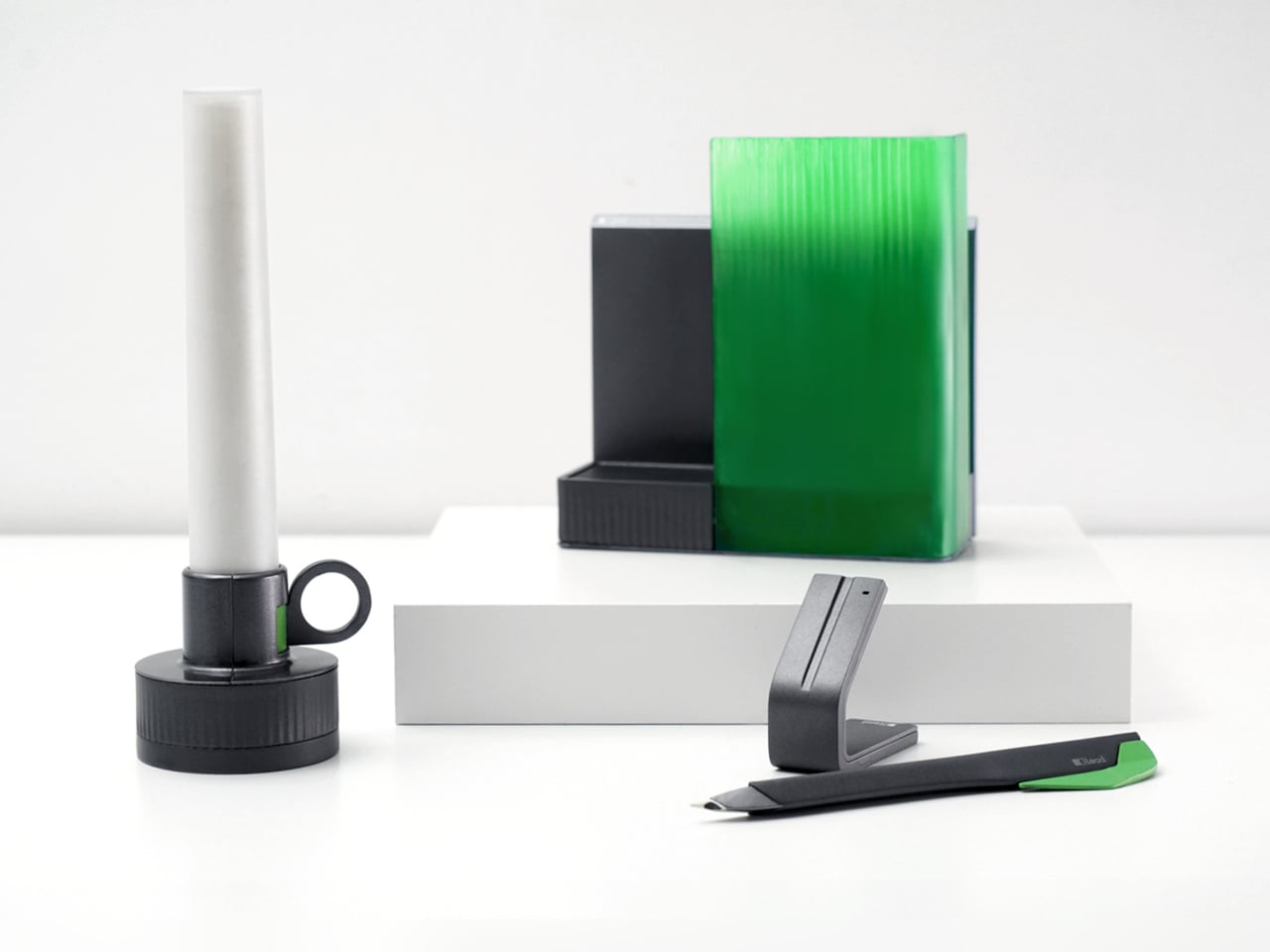
Lead is a design concept that treats reading as a story with a beginning, rising action, climax, and resolution. The name is a contraction of “Let’s read” and the first word of the slogan “lead back to the era of reading,” and the system uses three products, Bookeeper, Candle, and Quill, to give each phase of a reading session its own physical cue instead of relying on app notifications you will probably dismiss.

Designers: Yoo Chaeyeon, Kwon Eui Hwan, Yang Jinoo, Lee Sooyeon, Ha Seongmin

Coming home, you drop your book into Bookeeper, where it sits hidden behind a calm green panel. Earlier, you set a time to read, and as that moment approaches, the base lifts and the book slowly emerges from behind the screen. Instead of a phone notification buzzing and vanishing, the book itself appears, a quiet reminder that this is the slot you promised yourself you would actually use.

Candle is a slim vertical light that links to Bookeeper by default, then switches into timer mode with a twist of its ring. Before you dive into the pages, you set how long you want to read, and Candle becomes both atmosphere and clock. As you move through chapters, you can sense how your pace matches the time you set, adjusting speed without feeling chased by a digital countdown ticking in the corner.

When a line or idea sticks, Quill is a smart pen that lets you write by hand in a notebook or margin, then flip into scan mode to store that text on a device later. It has two main modes, transcription and scan, so you can copy favourite phrases, jot down reflections, and then capture them without breaking the flow. A bookmark element on the back lets Quill rest in the book when you pause.

All three objects share dark bases and a calm, translucent green for the parts that move or light up, so they feel like a family without shouting for attention. The interactions are borrowed from analog reading rituals, taking a book off a shelf, lighting a candle, picking up a pen, but layered with just enough technology to guide habit without dragging you back to a screen.

Lead is less about adding gadgets to the reading table and more about designing a gentle structure around a physical book. Bookeeper brings you back at the right time, Candle holds the space and the clock, and Quill helps you remember why the session mattered. When reading often gets squeezed between notifications and feeds, a trio of objects that simply lead you back to the page feels like a quietly radical idea.

The post This Concept Makes Reading a Physical Ritual, Not an App Reminder first appeared on Yanko Design.

HOVSTEP Helps ADHD Focus with Helicopter Missions That Actually End

Par : JC Torres
31 janvier 2026 à 21:45

Modern work and study days are chopped into tiny fragments, with multiple tabs, apps, and timers all competing for attention. Even well-intentioned plans fall apart because time feels abstract and slippery, especially if you lean toward ADHD or time-blindness. Checking the clock becomes another interruption instead of a guide. HOVSTEP is a concept that tries to make time feel like one clear mission instead of a background anxiety.

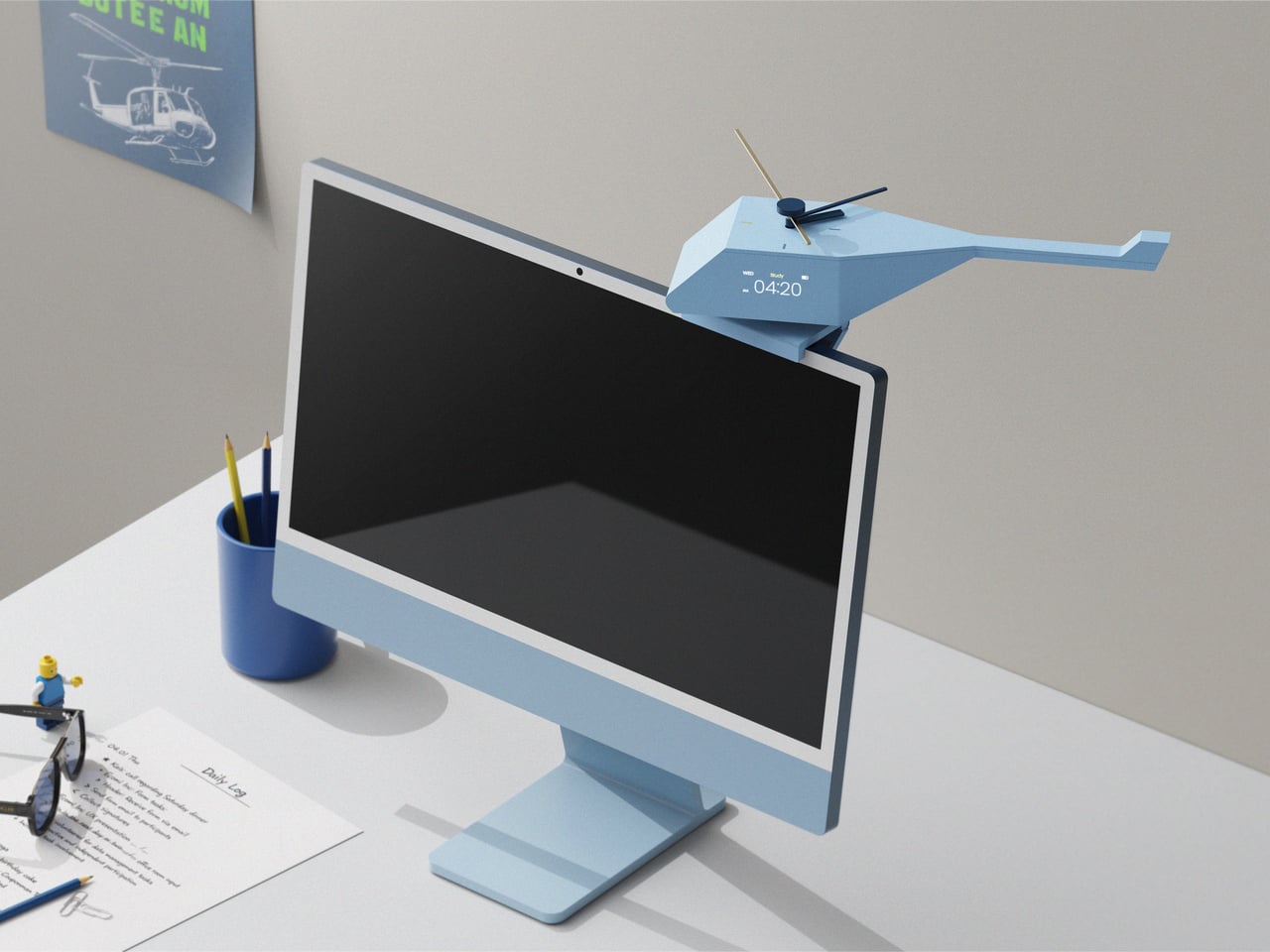
HOVSTEP treats each block of time like a helicopter mission. It is both a physical clock and an app-linked timer, inspired by how a mission helicopter takes off with one purpose, completes it, and returns. The idea is to help you see a study session, assignment, or break as a single mission you dispatch and then bring home, with a beginning, middle, and end that are all visible at once.

Designer: Ho joong Lee, Ho taek Lee

Opening the app in the morning, you drop studies, tasks, breaks, and games into short mission slots across the day. The app shows your routine by time zone, then switches to an analog view where each mission has a clear start, end, and remaining time. When a mission starts, a little helicopter icon descends, and the activity timer kicks in with an alarm, making the transition feel deliberate.

HOVSTEP shows time passing with a yellow hand that appears on the clock face when a mission begins, rotating once around the dial and showing how much of that block is left. It is framed as the helicopter being dispatched, flying its route, and returning when the hand lands back at 12. You are watching a mission unfold and trying to stay with it until the end.

The object itself is a small helicopter-shaped clock that can sit on a monitor or hang on a wall. A rotor on top acts as the analog hand, a digital display shows timer information, and side buttons let you adjust volume and timer details. A center button on top turns the clock on and starts missions manually, so you can run a quick focus block without opening the app.

The design is grounded in research about how people with ADHD often respond better to movement, change, and short time units than to static digits. By turning each activity into a dispatched mission with a visible arc and clear end, HOVSTEP reduces the need to constantly check the clock. You get a sense of flow, knowing that as long as the yellow hand is moving, you are still inside the mission.

The project’s line, “One mission completed, one step closer to focus,” captures the spirit. Instead of promising to fix attention with another app, HOVSTEP reframes time as a series of small, winnable missions. Sometimes the most helpful tools for focus are the ones that make progress visible and finite, one flight at a time, instead of asking you to manage an infinite stream of minutes.

The post HOVSTEP Helps ADHD Focus with Helicopter Missions That Actually End first appeared on Yanko Design.

Your Dog Can Now Turn On the Lights (No, Really)

Par : Ida Torres
31 janvier 2026 à 20:15

We’re living through a strange moment where our refrigerators are smarter than ever, our thermostats learn our habits, and now, apparently, dogs can control household appliances. The Dogosophy Button, developed by researchers at The Open University’s Animal-Computer Interaction Laboratory, is a wireless switch designed specifically for canine use. Think of it as a smart home device, but instead of asking Alexa, you’re teaching your golden retriever.

This isn’t some novelty gadget cooked up to go viral on TikTok. The button is the result of years of serious research led by Professor Clara Mancini, who runs the ACI Lab. Initially created for assistance dogs who need to help their owners turn on lights, fans, or kettles, the button has now been launched to the public for any dog owner who wants to give their pet a bit more agency. The philosophy behind it, called “Dogosophy,” centers on designing technology around how dogs actually experience the world, rather than forcing them to adapt to our human habits.

Designer: The Open University’s Animal-Computer Interaction Laboratory

So what makes this button dog-friendly? Start with color. Dogs see the world differently than we do, and blue happens to be one of the colors they can recognize most clearly. The button’s push pad is a bright blue, set against a white casing that creates high contrast, making it easier to spot against floors, walls, or furniture. The slightly curved, raised shape means dogs can press it from various angles without needing pinpoint accuracy, which anyone who’s watched a dog enthusiastically miss their water bowl can appreciate.

The button itself is built to handle the reality of being used by an animal. The outer casing is sturdy plastic designed to withstand repeated nose-booping and paw-whacking. The push pad has a textured surface that helps dogs grip without slipping, whether they’re using their snout or paw. Inside, a small light flashes when the button is pressed, soft enough not to hurt their eyes but clear enough to confirm the action worked. It’s the kind of thoughtful design that comes from actually studying how dogs interact with objects, not just shrinking human tech down to pet size.

The system is refreshingly simple. Each set includes the button, a receiver, and basic mounting hardware. The receiver plugs into whatever appliance you want your dog to control, from a lamp to a fan to a kettle. The button connects wirelessly up to 40 meters away, giving you flexibility in where you place it. Press the button once, the appliance turns on. Press it again, it turns off. No app required, no monthly subscription, no “please update your firmware” notifications.

For assistance dogs, this kind of tool is genuinely useful. A dog trained to help someone with mobility issues could turn on a light when their owner enters a dark room or switch on a fan during hot weather. But the public release opens up more playful possibilities. Your dog could theoretically learn to turn on a fan when they’re overheated, activate a toy dispenser when they’re bored, or signal when they want attention by flipping a lamp on and off like a furry poltergeist.

Of course, training matters. Professor Mancini tested the button with her own husky, Kara, noting that huskies are notoriously stubborn compared to more biddable breeds like Labradors. The button works if your dog is motivated and you’re patient. This isn’t plug-and-play; it’s more like plug-and-train-with-treats-and-repetition.

The Dogosophy Button is priced at £96 (including VAT) and is currently available through retailers like Story & Sons. Whether it becomes a legitimate tool for pet owners or just an interesting experiment in animal-computer interaction remains to be seen. But there’s something appealing about the idea of designing technology that considers more than just human needs. Professor Mancini puts it plainly: humans have built a world measured for ourselves, often pushing other species out. A button that meets dogs on their terms feels like a small step toward sharing space more thoughtfully.

The post Your Dog Can Now Turn On the Lights (No, Really) first appeared on Yanko Design.

REDMAGIC 11 Air Review: Fan-cooled Gaming Flagship at Just 207g, $499

Par : JC Torres
31 janvier 2026 à 16:20

PROS:


  • Slimmer and lighter design for a gaming smartphone

  • Distinctive gaming aesthetic

  • Large 7,000 mAh battery with 80W fast charging

  • More Accessible price point

CONS:


  • No wireless charging

  • Mediocre 8MP ultra-wide camera

  • Basic IP54 dust and water resistance

RATINGS:

AESTHETICS
ERGONOMICS
PERFORMANCE
SUSTAINABILITY / REPAIRABILITY
VALUE FOR MONEY

EDITOR'S QUOTE:

The REDMAGIC 11 Air doesn't apologize for being a gaming phone, but wraps it in the slimmest, lightest package the brand has made yet.

Gaming phones have split off into their own design species, leaning into transparent backs, RGB lighting, and visible cooling that looks more like sci‑fi props than communication devices. The REDMAGIC 11 Pro, which we reviewed recently, took that to its extreme with a liquid‑cooling window showing coolant flowing like spaceship controls. It made a strong visual statement but was unapologetically a gamer’s machine first and everything else a distant second.

REDMAGIC 11 Air tries to keep the same esports‑grade performance, active cooling, and transparent style in a slimmer frame. It packs a Snapdragon 8 Elite, 7,000mAh battery, 6.85‑inch 144Hz OLED, and 24,000 RPM fan into a 7.85mm, 207g body. Whether this Air approach can balance hardcore gaming with something closer to everyday usability, or just becomes a slightly thinner version of the same uncompromising brick, is worth finding out.

Designer: REDMAGIC

Aesthetics

The moment you see the REDMAGIC 11 Air, it announces itself as a gaming phone. Phantom transparent black and Prism transparent white finishes expose stylized internals, circuit‑like etching, and RGB‑lit fan and logo elements. This is not subtle or generalist; it is a cyberpunk, sci‑fi motif that wants to sit next to mechanical keyboards rather than hide in a leather case.

Despite the gaming‑first aesthetic, materials feel more refined than expected. The aluminum alloy frame, Gorilla Glass front and back, and 7.85mm thickness give it a solid feel. It is positioned as the lightest in the REDMAGIC lineup, which matters compared to the heavier 11 Pro. The curves and 20:9 aspect ratio help it sit more naturally in the hand, even if the styling still clearly prioritizes gamers over minimalists.

RGB lighting and transparent elements add atmosphere without chaos. Fan and logo lights sync with in‑game audio, making the back feel alive during sessions, but both can be toned down or disabled when you want less conspicuous carry. That duality helps if you like the gaming aesthetic but occasionally need to bring the phone into neutral environments where flashing lights feel out of place.

Ergonomics

Living with the 11 Air daily, the slimmer and lighter design makes a real difference. Long landscape gaming sessions feel less fatiguing, and the phone slips into pockets more easily than expected, given the 6.85‑inch display. The curved back and aluminum frame help with grip, and the 20:9 screen ratio balances a wide gaming canvas with something that still fits in most hands without constant readjusting.

The large screen dominates the front with a 95.1% screen‑to‑body ratio and slim bezels. That is great for immersion, but leaves little room to rest thumbs without touching the screen during landscape play. Fortunately, the shoulder triggers take over some of that load, letting the screen act more like a viewfinder while the top edges handle key inputs when you need them most.

Controls are where the gaming focus becomes clear. The 520Hz physical shoulder triggers are tuned for low‑latency and now work in portrait and landscape, giving flexibility for different games. Combined with the 0809 X‑axis linear motor for 4D haptics, the phone feels more like a handheld console, especially when triggers are mapped to aiming or abilities through Game Space’s interface.

Outside of gaming, the transparent back and RGB accents may not suit every situation, but the size and weight make it easier to carry than the 11 Pro or older gaming phones. One‑handed use is still a stretch given the display size, but basic tasks like messaging and browsing feel manageable if you are already used to large phones or phablets.

Performance

At the core sits the Snapdragon 8 Elite paired with RedCore R4, LPDDR5X RAM, and UFS 4.1 storage. Clock speeds reach 4.32GHz on the Oryon CPU and 1,250MHz on the Adreno 830 GPU. The dedicated RedCore R4 and CUBE scheduling engine focuses on stable frame rates rather than just benchmark spikes, which matters more in sustained gaming, where consistency beats bursts.

The ICE Cooling System backs that up with a large vapor chamber, graphene thermal layers, and a 24,000 RPM turbo fan. Unlike the REDMAGIC 11 Pro’s dramatic liquid‑cooling window showing coolant flowing like sci‑fi, the REDMAGIC 11 Air hides cooling under the transparent back. It opts for slimness while still actively managing CPU and GPU temperatures during long sessions, which keeps performance from throttling halfway through a match.

The active cooling fan is audible when it spins up under heavy load. It is not loud enough to overpower game audio, but it is noticeable in quiet rooms. For a device prioritizing sustained performance, this is expected, and fan behavior can be tuned in Game Space if you prefer cooler operation or less noise during specific sessions or when gaming in shared spaces.

Cameras are solid without being the headline. The 50 MP main sensor with OIS delivers clean photos for social media and casual shots, and the 16 MP front camera handles selfies and video calls well enough. The 8MP ultra-wide camera is a bit of a disappointment in this day and age, but it’s not exactly terrible. These are clearly not camera‑phone specs, but they work fine for anyone who needs decent everyday photography alongside gaming.

Battery and charging are part of the performance story. The 7,000 mAh battery is generous in this slim chassis, going over a day with general use, and hours upon hours of binging video streaming at max brightness. The 80W fast charging refills quickly, while Charge Separation routes power to the motherboard during plugged‑in gaming, reducing heat and protecting battery health over time.

Worth noting is the absence of wireless charging. For a phone focused on performance and internal cooling, skipping wireless charging feels like a conscious choice to prioritize battery size, thermals, and layout. It is not a deal‑breaker with rapid wired charging, but it is worth keeping in mind if you are used to charging pads between sessions or overnight.

Sustainability

Durability starts with materials. The aluminum alloy frame, Gorilla Glass GG7i front, and Gorilla Glass 5 back give a solid, premium feel that should handle knocks better than plastic gaming phones. The combination of metal and tempered glass makes it feel built to survive being tossed into bags, dropped onto desks, and carried through crowds without showing age too quickly or feeling fragile.

IP54 dust and water resistance is a pragmatic compromise. For a device packed with vents, fans, and shoulder triggers, pushing water resistance higher would likely require trade‑offs in cooling capacity or thickness. The phone will survive light rain or dusty environments, but it is not meant for submersion or rough outdoor abuse, worth keeping in mind if you game near water or in harsh conditions.

Value

At launch, the REDMAGIC 11 Air starts at $499 ($529 in the US and Canada) for 12 GB + 256 GB and goes up to $599 ($629 in North America) for 16 GB + 512 GB. That puts it in upper mid‑range territory, but with hardware rivaling more expensive phones in gaming performance, especially when you factor in cooling, battery, and gaming‑specific controls that most flagships skip entirely.

Value shows up in what you get for that money. At this price, you are getting Snapdragon 8 Elite, active cooling with a 24,000 RPM fan and vapor chamber, 7,000mAh battery with 80W charging, 6.85‑inch 144Hz OLED, and 520 Hz shoulder triggers. Many similarly priced phones focus on cameras or slimness, leaving gaming performance to throttle once heat builds, so the 11 Air feels like a focused tool rather than a jack‑of‑all‑trades.

Of course, this focus narrows the audience. The transparent, RGB‑lit, cyberpunk design and heavy emphasis on Game Space features, triggers, and haptics make the 11 Air most appealing to mobile gamers. For someone who barely plays and cares more about camera versatility or minimalist aesthetics, much of what makes this device interesting will feel like overkill or actively off‑putting.

Contrasting it with the REDMAGIC 11 Pro helps clarify positioning. The Pro leans harder into showpiece territory with its visible liquid‑cooling window and heavier footprint, while the 11 Air trades some spectacle for slimness and lighter weight. For gamers who want REDMAGIC’s performance and style but prefer something easier to carry daily, the Air’s pricing and positioning make sense as a more practical but still gaming‑centric option.

Verdict

REDMAGIC 11 Air takes the brand’s familiar ingredients, transparent design, RGB accents, active cooling, shoulder triggers, and wraps them in a slimmer chassis that feels more manageable than previous monsters. It does not pretend to be a mainstream flagship, but within its lane of delivering stable high‑fps gaming and distinct visual identity, it hits targets convincingly. The flagship silicon, thermal management, and gaming controls make it hard to ignore if mobile gaming matters to you.

For people who treat mobile gaming seriously and who like the idea of a semi‑transparent, cyber‑mech slab with a fan inside more than a polished glass rectangle, REDMAGIC 11 Air makes a strong case. It will not convert everyone, and it is not trying to, but for the crowd it speaks to, it offers a rare mix of performance, personality, and practicality at a price undercutting many conventional flagships while still feeling like a purpose‑built tool.

The post REDMAGIC 11 Air Review: Fan-cooled Gaming Flagship at Just 207g, $499 first appeared on Yanko Design.

This Award-Winning Bookstore Looks Like a Portal to Outer Space

Par : Ida Torres
31 janvier 2026 à 14:20

Picture walking through a bustling marketplace in China and suddenly stumbling upon what looks like a giant celestial machine that’s crashed through the ceiling. That’s exactly the vibe designer Li Xiang was going for with the Huai’an Zhongshuge Bookstore, and let me tell you, this place is absolutely wild.

Located in Jiangsu Province and completed in 2023, this isn’t your typical cozy corner bookshop with reading nooks and potted plants. Instead, Li Xiang of X+Living studio created something that feels like you’ve stepped through a portal into another dimension. The bookstore just snagged the 2025 Platinum A’ Design Award in Interior Space and Exhibition Design, which is basically the design world’s way of saying “this is incredibly special.”

Designer: Li Xiang

What makes this space so mind-blowing? It’s all about those massive three-dimensional structures that look like astronomical instruments floating inside the store. Imagine concentric rings and geometric forms inspired by celestial mechanics, all reimagined as bookshelves and display areas. The books themselves seem to defy gravity, positioned on these dramatic structures in ways that make you feel like you’re browsing a library floating somewhere in deep space.

But here’s the thing that really gets me about this design. Li Xiang didn’t just want to create something that looked cool for Instagram (though it absolutely does). There’s a deeper philosophy at work here. He describes the project as tearing open a spacetime rift in the midst of everyday city life, which sounds dramatic but actually makes total sense when you think about it.

Li Xiang believes that in our fast-paced modern world, many people have lost the ability to dream. We get stuck in routines, moving through identical concrete cityscapes, dealing with the mundane realities of daily life. His idea was to create a space where people could detach from all that, even just briefly, and rediscover something more imaginative within themselves. As he puts it, the architectural space becomes an extension of dreamlike reality, a spiritual revelation suspended above the ordinary city below.

That’s pretty powerful stuff for a retail space, right? But it works because the design truly commits to the concept. Those exaggerated celestial forms aren’t just decoration. They break up the monotony of reinforced concrete and rectangular spaces that dominate urban architecture. When you’re surrounded by these cosmic structures, your brain kind of has no choice but to shift gears and enter a different mental space.

What I really appreciate is how this fits into the broader Zhongshuge philosophy. This bookstore chain follows a principle of “chain but not replicate, each store with its own cultural style.” So while there are other Zhongshuge locations across China, each one tells its own story and creates a unique experience. The Huai’an location chose to go full sci-fi spectacular, and the results speak for themselves.

From a technical standpoint, pulling this off wasn’t simple either. The project had to overcome some seriously complex spatial and structural challenges to create that feeling of cosmic vastness within what’s actually a confined retail area. Those massive rings and irregular geometric forms needed precise engineering to work safely while maintaining that surreal, gravity-defying aesthetic.

There’s something really special about seeing retail design pushed this far. We’re used to stores being functional, maybe pleasant, occasionally stylish. But Li Xiang took a different approach entirely, creating an environment that prioritizes experience and emotion over conventional retail logic. It’s architecture that values your mental space, that wants you to feel something beyond just the transaction of buying books.

If you’re someone who gets excited about the intersection of design, technology, and culture, this bookstore represents something important. It shows us that commercial spaces don’t have to be boring or predictable. They can be destinations, experiences, even forms of art that make us think differently about the everyday spaces we move through. And maybe, just maybe, they can help us remember how to dream a little.

The post This Award-Winning Bookstore Looks Like a Portal to Outer Space first appeared on Yanko Design.

5 Best Gaming Concepts To Revolutionize Gaming In 2026

31 janvier 2026 à 12:40

Gaming hardware has reached an inflection point where pure performance no longer separates the exceptional from the ordinary. Today’s players demand experiences that merge technical capability with thoughtful design, creating tools that feel intuitive, personal, and genuinely innovative. The concepts emerging from design studios around the world reflect this shift, prioritizing clever form factors, sustainable interaction models, and aesthetics that challenge gaming’s aggressive visual language.

These five gaming concepts push beyond incremental improvements to reimagine how we hold, power, display, and interact with gaming hardware. From ultra-compact controllers that defy ergonomic conventions to coin-operated mechanics that transform strategy itself, each design addresses real friction points while offering fresh perspectives on what gaming equipment can become when liberated from market expectations.

1. ONO Compact Controller

The gaming controller has ballooned in size over successive console generations, growing ever more complex with paddle buttons, touchpads, and haptic motors layered beneath increasingly aggressive shell designs. Alban Contrepois challenges this evolution with the ONO, a capsule-shaped controller that condenses every essential input into a device barely larger than a smartphone. The design philosophy centers on radical simplification without functional sacrifice, proving that ergonomics need not require bulk when the fundamentals are properly considered.

What makes the ONO particularly compelling is its platform-agnostic approach to button labeling and connectivity. Rather than PlayStation symbols or Xbox letters, the action buttons feature abstract geometric shapes, allowing the controller to work seamlessly across mobile, console, and cloud gaming platforms without visual confusion. The rounded capsule form sits naturally in palms without requiring the exaggerated wing grips found on conventional controllers, while dual analog sticks and shoulder buttons maintain full modern functionality. Contrepois even offers the 3D files freely, inviting makers to fabricate their own working prototypes and experiment with personal modifications.

What We Like

  • Genuinely pocket-portable form factor solves real mobility challenges for travelers and commuters
  • Platform-neutral button design eliminates ecosystem lock-in and branding conflicts
  • Free 3D files democratize access and encourage community iteration
  • Minimalist aesthetic appeals to players seeking less visually aggressive hardware

What We Dislike

  • Compact size may create hand cramping during extended gaming sessions
  • Lack of haptic feedback or adaptive triggers limits next-generation console compatibility

2. Goo-Inspired Sony Controller Concept

Gaming peripherals have long treated controllers as utilitarian plastic shells, functional objects devoid of personality or emotional resonance. This translucent controller concept rejects that paradigm entirely, transforming the gaming peripheral into a living entity that breathes alongside your gameplay. The bulbous form draws inspiration from the Switch Pro controller’s compact proportions while introducing cloudy black plastic construction that appears deceptively ordinary in its dormant state. Power activation unlocks the controller’s true character as mesmerizing internal illumination floods through the translucent shell.

The controller’s arms pulse rhythmically like breathing lungs, creating an organic connection between player and hardware that traditional rumble motors can only hint at. This breathing illumination responds dynamically to gameplay, intensifying during combat sequences and softening during exploration moments. The translucent construction allows internal LED arrays to project mood-responsive visuals that serve as ambient feedback, communicating game states through color shifts and pulsation patterns. The design treats controllers as character-driven accessories rather than sterile tools, acknowledging that gaming hardware can enhance immersion through visual poetry as effectively as through haptic precision.

What We Like

  • Breathing illumination patterns create an organic emotional connection between the player and the hardware
  • Cloudy translucent construction offers visual intrigue without an aggressive gamer aesthetic
  • Mood-responsive lighting provides ambient gameplay feedback beyond traditional rumble
  • Compact bulbous ergonomics maintain comfort during marathon gaming sessions

What We Dislike

  • Continuous lighting effects may prove distracting during competitive gameplay, requiring total focus
  • Translucent materials reveal fingerprints, smudges, and internal dust accumulation over time

3. Braun-Inspired Minimalist Controller

Gaming controllers have descended into a visual arms race where aggressive angles, neon lighting, and textured grips compete for shelf presence in increasingly chaotic ways. Mark Moes’s Braun-inspired controller concept offers a deliberate counterpoint, channeling Dieter Rams’ “less but better” philosophy into a design that prioritizes calm functionality over visual stimulation. The result feels refreshingly restrained in a market drowning in aesthetic noise.

The controller’s soft rectangular form features gentle curves and a balanced symmetry that prioritizes long-session comfort without resorting to exaggerated ergonomic flourishes. A matte finish in off-white, gray, and black creates visual breathing room, while subtle orange accents on key buttons provide functional highlights without devolving into RGB chaos. The design strips away the threatening visual language that dominates contemporary gaming hardware, instead offering an aesthetic that could comfortably sit on a minimalist desk alongside Braun audio equipment or carefully chosen office accessories.

What We Like

  • Minimalist aesthetic creates a calming alternative to gaming’s visual aggression
  • Thoughtful color choices and material finishes demonstrate timeless design principles
  • Design proves gaming hardware can achieve sophistication without sacrificing functionality
  • Subtle orange accents provide necessary visual guidance without overwhelming the composition

What We Dislike

  • Understated design may lack shelf presence in retail environments dominated by flashy competitors
  • Premium materials and finishes could drive manufacturing costs beyond mass-market viability

4. X-Cube Gaming Mini PC

The gaming PC market has polarized into either massive RGB-laden towers or anonymous black boxes that hide their capabilities behind conservative shells. KiwiDesign’s X-Cube Gaming Mini PC embraces a third path with its cyberpunk-inspired aesthetic that treats internal components as design features rather than elements to conceal. Equipped with an Intel 14-core i9 processor and NVIDIA 4060 GPU, the X-Cube delivers flagship AAA gaming performance wrapped in a form factor that celebrates technical complexity rather than minimizing it.

The cubic design showcases internal components through transparent panels that transform technical infrastructure into a visual spectacle, creating an industrial aesthetic that aligns with cyberpunk’s machine-worship sensibility. A 4-inch front-mounted display provides real-time performance monitoring while offering customizable interface options for personalization. Multi-faceted air intake grilles ensure adequate thermal management during demanding gaming sessions while reinforcing the mechanical design language. The X-Cube targets enthusiasts who view their gaming hardware as centerpiece objects deserving architectural prominence rather than discrete appliances hidden beneath desks.

What We Like

  • Transparent design celebrates technical components as aesthetic features worth displaying
  • The integrated performance monitoring screen provides useful real-time system information
  • Compact mini PC form factor delivers flagship performance without requiring massive tower footprints
  • Cyberpunk aesthetic offers clear differentiation in a homogenized mini PC market

What We Dislike

  • Transparent components showcase dust accumulation and cable management challenges
  • Bold aesthetic may alienate players preferring understated hardware that blends into living spaces

5. CoinPlay Handheld Console

Retro gaming handhelds typically rely on nostalgia as their primary selling proposition, recreating classic form factors without reimagining the interaction model itself. The CoinPlay concept disrupts this pattern by incorporating coin-operated mechanics directly into gameplay, transforming limited-use power-ups into physical objects that demand strategic consideration. Rather than endless continues and infinite lives, CoinPlay restricts powerful abilities to physical coins that must be carefully deployed at crucial moments.

The handheld features a top-mounted coin slot that accepts special power-up tokens in different colors, each providing distinct in-game advantages. Blue coins might restore health or grant extra lives, while red tokens could unlock weapons or essential items. Orange coins might boost attack power or strengthen defenses. The physical limitation creates genuine strategic tension absent from conventional handheld gaming, forcing players to weigh when deploying their finite resources will provide maximum advantage. The design evokes Game Boy DMG proportions with standard D-pad, face buttons, and shoulder controls, ensuring compatibility with classic arcade-style titles where strategic power-up deployment feels most natural.

What We Like

  • Coin-operated mechanic creates genuine strategic depth through resource scarcity
  • Physical power-up tokens provide tactile interaction missing from digital-only interfaces
  • Design successfully modernizes arcade coin-op nostalgia without requiring actual payment
  • Limited resources encourage thoughtful gameplay rather than brute-force repetition

What We Dislike

  • Physical coin requirement creates potential loss and replacement headaches
  • The chunky form factor may prove uncomfortable during extended gaming sessions

Looking Forward

These five concepts share a common thread beyond their innovative approaches to gaming hardware. Each design challenges assumptions about what gaming equipment must look like, how it should function, and who it serves. The ONO proves that portability need not sacrifice functionality. The Nintendo Switcher demonstrates that gaming design language can transcend its category. Mark Moes’ minimalist controller shows restraint as a viable alternative to visual aggression. The X-Cube celebrates technical complexity as an aesthetic virtue. And CoinPlay reimagines digital scarcity through physical objects.

What makes these concepts particularly valuable is their willingness to question established patterns rather than simply iterating on existing templates. As gaming continues expanding beyond traditional demographics and use cases, hardware design must evolve to serve increasingly diverse needs and aesthetic preferences. These concepts point toward futures where gaming equipment embraces portability, sustainability, sophistication, transparency, and strategic physicality as core values worth pursuing.

The post 5 Best Gaming Concepts To Revolutionize Gaming In 2026 first appeared on Yanko Design.

Meta Misread the Future Twice. Now They’re Sitting on a Golden Egg, But Don’t Know It

Par : Sarang Sheth
31 janvier 2026 à 02:45

Mark Zuckerberg changed his company’s name to Meta in October 2021 because he believed the future was virtual. Not just sort-of virtual, like Instagram filters or Zoom calls, but capital-V Virtual: immersive 3D worlds where you’d work, socialize, and live a parallel digital life through a VR headset. Four years and roughly $70 billion in cumulative Reality Labs losses later, Meta is quietly dismantling that vision. In January 2026, the company laid off around 1,500 people from its metaverse division, shut down multiple VR game studios, killed its VR meeting app Workrooms, and effectively admitted that the grand bet on virtual reality had failed. Investors barely blinked. The stock went up.

The official line now is that Meta is pivoting to AI and wearables. Zuckerberg spent much of 2025 building what he calls a “superintelligence” lab, hiring top-tier AI talent with eye-watering compensation packages that are now one of the largest drivers of Meta’s 2026 expense growth. The company released Llama models that benchmark decently against OpenAI and Google, embedded chatbots into WhatsApp and Instagram, and talks constantly about “AI agents” and “new media formats.” But from a product and profit perspective, Meta’s AI strategy looks suspiciously like its metaverse strategy: lots of spending, vague promises, and no breakout consumer experience that people actually love. Meanwhile, the thing that is quietly working, the thing people are buying and using in the real world, is a pair of $300 smart glasses that Meta barely talks about. If this sounds like a pattern, that’s because it is. Meta has now misread the future twice in a row, and both times the answer was hiding in plain sight.

The Metaverse Was a $70 Billion Fantasy

Reality Labs has been hemorrhaging money since late 2020. As of early 2026, cumulative operating losses sit somewhere between $70 and $80 billion, depending on how you slice the quarters. In the third quarter of 2025 alone, Reality Labs posted a $4.4 billion loss on $470 million in revenue. For 2025 as a whole, the division lost more than $19 billion. These are not rounding errors or R&D investments that will pay off next year. These are structural losses tied to a product category, VR headsets and metaverse platforms, that the market simply does not want at the scale Meta imagined.

The vision sounded compelling in a keynote. You would strap on a Quest headset, meet your coworkers in a virtual conference room with floating whiteboards, then hop over to Horizon Worlds to hang out with friends as legless avatars. The problem was that almost no one wanted to do any of that for more than a demo. VR remained a niche gaming platform with occasional fitness and entertainment use cases, not the next paradigm shift in human interaction. Zuckerberg kept insisting the breakthrough was just around the corner. He was wrong, and the January 2026 layoffs and studio closures were the formal acknowledgment that Reality Labs as originally conceived was dead.

The irony is that Meta actually had a potential killer app inside Reality Labs, and it murdered it. Supernatural, a VR fitness game that Meta acquired for $400 million in 2023, was one of the few pieces of Quest software that generated genuine user loyalty and recurring revenue. People who used Supernatural regularly described it as the most effective home workout they had ever done, combining rhythm-based gameplay with full-body movement in a way that treadmills and Peloton bikes could not replicate. It had a subscription model, a dedicated community, and real retention. In January 2026, Meta moved Supernatural into “maintenance mode,” which is corporate speak for “we fired almost everyone and it will get no new content.” If you are trying to prove that VR has mainstream utility beyond gaming, fitness is one of the most obvious wedges. Meta had that wedge, and it chose to kill it in the same round of cuts that shuttered studios working on Batman VR games and other prestige titles. The message was clear: Zuckerberg had lost interest in Quest, even the parts that worked.

The AI Bet That Looks Like the ‘Metaverse Bust’ 2.0

After spending years insisting the future was virtual worlds, Meta pivoted hard to AI in 2023 and 2024. Zuckerberg now talks about AI the way he used to talk about the metaverse: with sweeping language about paradigm shifts and transformative platforms. The company stood up an AI division focused on building what it calls “superintelligence,” hired aggressively from OpenAI and Anthropic, and made technical talent compensation the second-largest contributor to Meta’s 2026 expense growth behind infrastructure. This is not a side project. Meta is spending billions on AI research, training, and deployment, and Zuckerberg expects losses to remain near 2025 levels in 2026 before they start to taper.

From a technical standpoint, Meta’s AI work is solid. The Llama family of models is legitimately competitive with GPT-4 class systems and has found real adoption among developers who want open-source alternatives to OpenAI and Google. Meta’s internal AI is also driving real business value in ad targeting, content ranking, and moderation. Those systems work, and they contribute directly to Meta’s core revenue. But from a consumer product perspective, Meta’s AI feels scattered and often unnecessary. The company has embedded “Meta AI” chatbots into WhatsApp, Instagram, Messenger, and Facebook, none of which feel like natural places for a chatbot. Instagram’s feed is increasingly stuffed with AI-generated images and engagement bait that users actively complain about. Meta has launched character-based AI bots tied to influencers and celebrities, and approximately no one uses them. The gap between “we have impressive models” and “we have a product people love” is enormous, and it is the exact same gap that sank the metaverse.

What Meta is missing, again, is product intuition. OpenAI built ChatGPT and made it feel like the future because the interface was simple, the use cases were obvious, and it delivered consistent value. Google integrated Gemini into Search and productivity tools where users were already working. Meta, by contrast, seems to be throwing AI at every surface it controls and hoping something sticks. Zuckerberg talks about “an explosion of new media formats” and “more interactive feeds,” which in practice means more algorithmic slop and fewer posts from people you actually know. Analysts are starting to notice. One Bernstein note from early 2026 argued that the “winner” criteria in AI is shifting from model quality to product usage, which is a polite way of saying that having a great model does not matter if your product is annoying. Meta has a great model. Its products are annoying.

The financial picture is also murkier than Meta would like to admit. Reality Labs is still losing close to $20 billion a year, and while AI is not a separate reporting segment, the talent and infrastructure costs are clearly rising. Meta’s overall revenue growth is strong, driven by advertising, but the company is not yet showing a clear path to AI profitability outside of ‘ad optimization’. That puts Meta in the awkward position of having pivoted from one unprofitable moonshot (metaverse) to another potentially unprofitable moonshot (consumer AI products) while the actual profitable parts of the business, social ads and engagement, keep the lights on. This is a pattern, and it is not a good one.

The Smart Glasses Lead That Meta Is Poised to Lose

Meta talks about the Ray-Ban smart glasses constantly. Zuckerberg calls them the “ultimate incarnation” of the company’s AI vision, and the pitch is relentless: sales more than tripled in 2025, the glasses represent the future of ambient computing, this is the post-smartphone platform. The problem is not that Meta is ignoring the glasses. The problem is that Meta is about to squander a massive early lead, and the competition is closing in fast. 2026 is shaping up to be a blockbuster year for smart glasses. Samsung confirmed its AR glasses are launching this year. Google is releasing its first pair of smart glasses since 2013, an audio-only pair similar to the Ray-Ban Meta glasses. Apple is reportedly pursuing its own smart glasses and shelved plans for a cheaper Vision Pro to prioritize the project. Meta dominated VR because it was early, cheap, and had no real competition. In smart glasses, that window is closing fast, and the field is getting crowded with all kinds of names, from smaller players like Looktech and Xgimi’s Memomind to mid-sized brands like Xreal, to even larger ones like Google, TCL, and Xiaomi.

The Ray-Ban Meta glasses work because they are simple and focused. They take photos and videos, play music, make calls, and provide real-time answers through an AI assistant. Parents use them to record their kids hands-free. Travelers use them for translation. The form factor, actual Ray-Ban Wayfarers that cost around $300, means they do not scream “I am wearing a computer on my face.” This is the rare Meta hardware product that feels intuitive rather than forced, and it is selling because it solves boring, everyday problems without requiring users to change their behavior.

Then Meta made a critical mistake. To use the glasses, you have to route everything through the Meta AI app, which means you cannot just power-use the hardware without engaging with Meta’s AI-slop ecosystem. Want to access your photos? Meta AI. Want to tweak settings? Meta AI. The app is the mandatory gateway, and it is stuffed with the same kind of algorithmic recommendations and AI-generated suggestions that clutter Instagram and Facebook. Instead of letting the glasses be a clean, utilitarian tool, Meta is using them as another vector to push its AI products. Google and Samsung are not going to make that mistake. Their glasses will integrate with Android XR and existing ecosystems without forcing users into a single AI app. Apple, if and when it launches, will almost certainly take a similar approach: clean hardware, seamless OS integration, optional AI features. Meta had a head start, Ray-Ban branding, and a product people actually liked. It is on track to waste all of that by prioritizing AI evangelism over product discipline, and the competition is going to eat its lunch.

What Happens When You Chase Narratives Instead of Products

The pattern across metaverse and AI is that Meta keeps betting on big, abstract visions rather than iterating on the things that work. Zuckerberg is a narrative-driven founder. He wants to define the future, not respond to it. That impulse gave us Facebook in 2004, when no one else saw the potential of real-identity social networks, but it has led Meta astray repeatedly in the 2020s. The metaverse was a narrative, not a product. The idea that billions of people would strap on headsets to work and socialize in 3D was always more science fiction than product roadmap, but Zuckerberg committed so hard to it that he renamed the company.

AI feels like the same mistake. The narrative is that foundation models and “agents” will transform every part of computing, and Meta wants to be seen as a leader in that transformation. The actual products, chatbots in WhatsApp and AI-generated feed content, do not meaningfully improve the user experience and in many cases make it worse. Meanwhile, the thing that is working, smart glasses, does not fit cleanly into the AI or metaverse narrative, so it gets less attention and investment than it deserves. Meta’s 2026 strategy, “shifting investment from metaverse to wearables,” is a tacit admission of this, but it is couched in language that still emphasizes AI rather than the hardware itself.

The other pattern is that Meta is willing to kill its own successes if they do not fit the broader narrative. The hit VR fitness game on Meta’s Horizon, Supernatural, was working. It had subscribers, retention, and cultural momentum within the VR fitness community. It was also a relatively small, specific product rather than a platform play, and that made it expendable when Meta decided to scale back Reality Labs. The same logic applies to Quest more broadly. The headset had carved out a niche in gaming and fitness, and with sustained investment in content and ecosystem development, it could have grown into a meaningful adjacent business. Instead, Meta is deprioritizing it because Zuckerberg has decided the future is AI and lightweight wearables. That might turn out to be correct, but the way Meta is executing the pivot, by shuttering studios and putting products in maintenance mode rather than spinning them out or finding partners, suggests a lack of product discipline.

Why Smart Glasses Might Actually Be the Next Facebook

If you step back and ask what Meta is actually good at, the answer is not virtual reality or language models. Meta is good at building social products with massive scale, capturing and distributing content, and monetizing attention through ads. The Ray-Ban Meta glasses fit all of those strengths. They make it easier to capture photos and video, which feeds into Instagram and Facebook. They use AI to provide contextual information, which ties into Meta’s model development. And they are a physical product that people wear in public, which is a form of distribution and branding that Meta has never had before.

The bigger story is that smart glasses as a category are exploding, and Meta happened to be early. It is not just Samsung, Google, and Apple entering the space. Meta itself is expanding the Ray-Ban line with Displays (which adds a heads-up display) and partnering with Oakley on HSTN, a sportier model aimed at action sports. Google is teaming up with Warby Parker for its glasses, which gives it instant credibility in eyewear design. And then there are the startups: Even Realities, Xiaomi, Looktech, MemoMind, and dozens more, all slated for 2026 releases. This feels exactly like the moment AirPods sparked the true wireless earbud movement. Apple defined the format, then everyone from Samsung to Sony to no-name brands flooded the market, and now you can buy HMD ANC earbuds for 28 dollars. Smart glasses are following the same trajectory, which means the form factor itself is validated, and Meta’s early lead matters less than whether it can keep iterating faster than everyone else.

The other underrated piece is that having an instant camera on your face is genuinely useful in ways that VR headsets never were. People are using Ray-Ban Meta glasses as GoPro alternatives while skateboarding, cycling, and doing action sports, because POV capture without holding a phone or mounting a camera is frictionless. Content creators are using them to shoot hands-free B-roll at events like CES. Parents are using them to record their kids playing without the weird “I am holding my phone up at the playground” vibe. Pet owners are capturing spontaneous moments with dogs and cats that would be impossible to get with a phone. These are not sci-fi use cases or metaverse fantasies. They are boring, real-world problems that the glasses solve immediately, and that is why they are selling. Meta has spent a decade chasing grand visions of the future, and it accidentally built a product that people want right now. The challenge is whether it can resist the urge to over-complicate it before Google, Samsung, and Apple catch up.

The Real Lesson Is About Focus

Meta has spent the last five years oscillating between grand visions, metaverse and AI, and neglecting the products that actually work. The Ray-Ban Meta glasses are proof that when Meta focuses on solving real problems with tangible products, it can still build things people want. The metaverse failed because it was a solution in search of a problem, and the AI push is struggling because Meta is shipping features rather than products. Smart glasses, by contrast, are succeeding because they make everyday tasks easier without requiring users to change their behavior or buy into a futuristic narrative.

If Zuckerberg can internalize that lesson, Meta might actually have a shot at owning the next platform. But that requires a level of product discipline and restraint that Meta has not shown in years. It means resisting the urge to turn every product into a platform, admitting when a bet has failed rather than pouring another $10 billion into it, and focusing on iteration over narration. The irony is that Meta already has the right product. It just needs to stop looking past it.

The post Meta Misread the Future Twice. Now They’re Sitting on a Golden Egg, But Don’t Know It first appeared on Yanko Design.

This palm-sized desktop vacuum combo keeps your setup squeaky clean

Par : Gaurav Sood
31 janvier 2026 à 01:30

Believe you me, desk setups look amazing when you have all the gadgets and accessories in place. Some days down the line, that squeaky clean look fades away as dust settles in, food crumbs scatter around, water spots look ugly, and human skin and hair shed. That isn’t a very pretty sight when you kick off your work in the morning. Not for me atleast, as I like to clean my desk first thing before starting off my creative journey.

A small gadget that can automate that cleaning regime is a welcome addition, getting things ready even before you get up in the morning. Meet Vacy, a desktop vacuum cleaner designed to be a palm-sized accessory, working in stealth mode to get your desktop setup in pristine condition every single day without any fails. If that’s not enough, the Mopy mini robot washer gives a second treatment of cleaning, just like your home floors do each day.

Designer: Aleksandr Misiukevich

Both pocketable accessories can be carried along easily for portability and deployed on demand. For a guy like me who works in multiple work setups, that is a good feature to have. The Vacy vacuum cleaner sucks debris from the bottom and collects it inside the safe compartment. Once full, you can push the lid to take out all the trash. The indicators on the top show the current battery level, and once the battery level drops below 20 percent, the palm-sized vac returns to the charging dock. The edges of the desk are no problem, as the robo vac comes with a Cliff sensor to stop and turn in the other direction. Vacy can suck objects smaller than 2 cm; meaning hair, crumbs, pet fur, and office stationery like pins get sucked right in.

The second one is my favorite, just because of the unique idea. Mopy mini robot vacuum cleaner gets rid of all those pesky spots on the surface for an instant fresh look. It has an opening on top to fill the water compartment and a long-pile cleaning replaceable pad at the bottom to get the job done. Just like its brother Vacy, the mopping vac returns to its charging dock once the charge levels drop below 20 percent. Be it water droplets, coffee stains, sugary liquids, or fine dust crumbs; the vac makes quick work of everything.

In tandem, the robot vacs clean the nooks and corners of your desk, normally left unattended by the normal cleaning. The concept sounds interesting, but would it have many takers? I’m not sure everyone has an obsessive-compulsive disorder for cleanliness.

The post This palm-sized desktop vacuum combo keeps your setup squeaky clean first appeared on Yanko Design.

❌
❌